
Irrigation reels are a crucial component of many agricultural operations, but their efficiency is often hampered by lack of real-time monitoring. Without accurate data on water usage and application rates, farmers can end up wasting precious resources and compromising crop yields. By implementing an irrigation reel monitoring system, you can gain valuable insights into your operation’s performance, make informed decisions about resource allocation, and optimize watering schedules to maximize growth. This article will explore the benefits of real-time irrigation reel monitoring, including increased efficiency, reduced water waste, and enhanced crop yields. We’ll also cover the key factors to consider when selecting a monitoring system, ensuring that you choose the right solution for your specific needs.
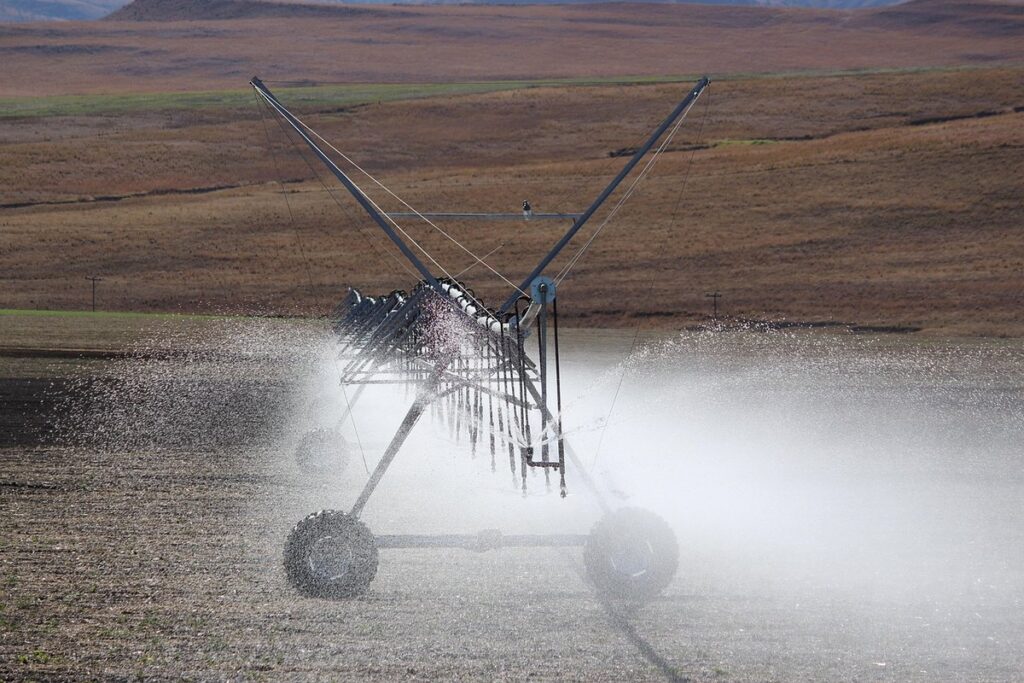
Understanding the Importance of Irrigation Reel Monitoring
Accurate irrigation reel monitoring is crucial for optimizing water usage, and understanding its importance will help you make informed decisions to boost your system’s efficiency.
Benefits of Real-time Monitoring
Real-time monitoring of irrigation reels allows farmers and irrigation system managers to react promptly to changing conditions, thereby minimizing water waste. This is particularly critical in regions with limited water resources, where even a small reduction in evaporation or runoff can make a significant difference. With real-time data, operators can identify issues such as leaks, blockages, or faulty sensors early on, reducing the likelihood of costly repairs and downtime.
In addition to conserving water, real-time monitoring also enables improved crop yields. By closely tracking soil moisture levels, temperature, and other environmental factors, farmers can optimize irrigation schedules and ensure their crops receive precisely what they need. This targeted approach not only reduces waste but also promotes healthy root development, leading to increased yields and better overall plant health.
Real-time monitoring also empowers decision-makers with timely insights into system performance. By analyzing data on water usage, flow rates, and pressure levels, operators can identify areas for improvement and make informed decisions about resource allocation, maintenance, and upgrades. This level of transparency and control is essential for maintaining efficient irrigation systems that support productive agriculture.
Common Challenges in Traditional Irrigation Systems
Traditional irrigation systems often rely on manual monitoring, which can be time-consuming and prone to human error. This approach requires a significant amount of labor to check and adjust sprinkler positions, water pressure, and flow rates. However, it’s not uncommon for issues to go unnoticed until crop damage or other problems become apparent.
Another limitation is the lack of automation in traditional irrigation systems. Without real-time monitoring, farmers may only discover problems when it’s too late to prevent them. This can lead to wasted water, reduced yields, and increased costs.
Data collection and analysis are also significant challenges in traditional irrigation systems. Manual data recording can be tedious and prone to errors, making it difficult to identify trends or make informed decisions about irrigation schedules. Furthermore, the absence of real-time monitoring means that farmers often rely on incomplete or outdated information when making adjustments to their irrigation systems.
Types of Irrigation Reel Monitoring Systems
There are several types of irrigation reel monitoring systems, each offering unique benefits and capabilities that can help you optimize your water usage and reduce costs. Let’s take a closer look at some of these options.
Overview of Different Technologies
There are several types of irrigation reel monitoring systems available, each with its own unique features and benefits. Sensor-based monitoring systems use a network of sensors to track water flow, pressure, and temperature, providing real-time data on irrigation system performance. GPS-enabled monitoring systems, on the other hand, use satellite navigation to track the movement of the irrigation reel, ensuring that it stays on course and covers all areas.
Satellite imaging technologies also play a crucial role in modern irrigation reel monitoring. By analyzing high-resolution images of fields, farmers can identify areas where water is being wasted or underutilized. This information can be used to optimize irrigation schedules and reduce water consumption.
Some systems combine multiple technologies, such as sensor-based and GPS-enabled monitoring, for more comprehensive data collection and analysis. These hybrid systems provide a more complete picture of irrigation system performance, enabling farmers to make informed decisions about water usage and resource allocation. By choosing the right type of monitoring system, farmers can improve irrigation efficiency, reduce waste, and boost crop yields.
Advantages and Limitations of Each Technology Type
When it comes to choosing an irrigation reel monitoring system, understanding the advantages and limitations of each technology type is crucial. Wireless sensor networks offer high accuracy and real-time data, but can be more expensive upfront, with costs ranging from $10 to $50 per node. In contrast, satellite-based systems provide comprehensive coverage but may have higher subscription fees, typically between $500 and $2,000 per year.
Cellular network technologies, such as 4G or 5G, offer a cost-effective solution with lower initial investment and ongoing expenses. However, signal strength and reliability can be an issue in areas with poor network coverage. Another option is the use of drones equipped with sensors and cameras for monitoring irrigation systems, which can provide detailed insights but require significant expertise and equipment costs.
When evaluating these options, consider factors such as system complexity, data accuracy requirements, and budget constraints. A wireless sensor network may be suitable for small-scale farms or gardens where precise real-time monitoring is essential. Satellite-based systems are often preferred by large-scale operations with extensive irrigation networks.
Implementing Irrigation Reel Monitoring Systems
Now that you’ve chosen the right system for your needs, it’s time to implement irrigation reel monitoring effectively, ensuring seamless integration and optimal performance. Let’s take a closer look at how to set up these systems correctly.
Choosing the Right System for Your Needs
When selecting an irrigation reel monitoring system, it’s essential to consider several key factors. The size of your farm is a critical factor, as larger farms may require more advanced systems with multiple sensors and data collection points. For example, a 1,000-acre farm might benefit from a system that can integrate with existing infrastructure, such as weather stations and soil moisture sensors.
Crop type is another crucial consideration. Different crops have varying water requirements, so the monitoring system should be able to adjust its parameters accordingly. For instance, a system designed for corn or soybeans may not be suitable for orchards or vineyards, which require more precise watering schedules.
Budget constraints are also essential to factor in. While advanced systems can provide valuable insights and efficiency gains, they often come with higher price tags. A smaller farm or those on tighter budgets may opt for a basic system that still provides real-time monitoring capabilities but without the bells and whistles of more comprehensive solutions.
When evaluating different options, consider factors such as data storage capacity, connectivity requirements (e.g., cellular or Wi-Fi), and scalability.
Installing and Configuring the System
When installing and configuring an irrigation reel monitoring system, it’s essential to follow a structured approach to ensure seamless integration and optimal performance. Begin by placing sensors along the irrigation pipes, ideally at intervals of 100-200 feet, depending on the specific system requirements. These sensors will monitor water flow, pressure, and temperature, providing real-time data on system operations.
Next, establish a reliable data transmission network between the sensors and the central monitoring station. This typically involves installing a communication hub or gateway that connects to the internet via Wi-Fi, Ethernet, or cellular networks. Ensure that the chosen data transmission method is compatible with your specific system and environment.
During software integration, set up the monitoring dashboard according to the manufacturer’s instructions. Configure alerts and notifications for critical events like low water pressure or unusual flow patterns. Integrate the system with existing farm management software or platforms to maximize data sharing and analysis capabilities.
Data Analysis and Interpretation
Now that we’ve discussed how to set up your irrigation reel monitoring system, let’s talk about making sense of all the data it generates. Effective analysis is crucial for identifying trends and areas for improvement.
Collecting and Interpreting Data from Monitoring Systems
To collect and analyze data from irrigation reel monitoring systems effectively, focus on key metrics such as water usage, soil moisture levels, and crop health indicators. Most modern monitoring systems provide real-time data on these parameters through sensors and automated reporting tools.
Start by identifying the specific metrics that matter most for your operation, whether it’s minimizing water waste or optimizing crop yields. For example, if you’re concerned about drought stress, prioritize collecting data on soil moisture levels to inform irrigation decisions. Conversely, if you’re looking to reduce water usage, monitor water usage rates and identify areas where reductions can be made.
Data from these systems is often presented in graphical formats, such as charts or graphs, which help visualize trends and patterns over time. When interpreting this data, look for correlations between different metrics – for instance, noticing a direct relationship between water usage and crop yields can inform adjustments to your irrigation schedule.
Making Data-Driven Decisions for Improved Irrigation Practices
To optimize irrigation schedules, reduce waste, and enhance crop yields, farmers and irrigation system managers can use data analysis insights to make informed decisions. By analyzing data from monitoring systems, you can identify patterns and trends that reveal areas for improvement.
For instance, if your data shows that a particular field is consistently receiving too much water during certain times of the day, you can adjust the irrigation schedule accordingly. This might involve adjusting the timing or duration of watering sessions to ensure that crops receive exactly what they need when they need it.
You can also use data analysis to identify areas where water is being wasted due to leaks, pipe damage, or other issues. By pinpointing these problems and taking corrective action, you can reduce waste and allocate resources more effectively.
To get the most out of your data, consider using the following strategies:
- Set clear targets for water usage and adjust irrigation schedules accordingly
- Monitor soil moisture levels to avoid overwatering
- Use real-time data to respond quickly to changes in weather or crop needs
Case Studies and Success Stories
Real-world examples of irrigation reel monitoring in action are a powerful way to illustrate its benefits, and we’ll look at some inspiring success stories from agricultural operations. From increased yields to reduced water waste, these case studies speak for themselves.
Real-world Examples of Irrigation Reel Monitoring in Action
Farmers like John Taylor of California’s Central Valley have seen significant gains in water conservation and yield thanks to real-time irrigation reel monitoring. His farm, which spans over 1,000 acres, was struggling with uneven soil moisture levels before implementing a monitoring system. By tracking the exact amount of water applied and adjusting schedules accordingly, Taylor reduced his water usage by an average of 15% annually.
In Australia’s Murray-Darling Basin, a collaborative project between government agencies and local farmers used irrigation reel monitoring to optimize water allocation. The initiative helped reduce water waste and improve crop yields on over 100 farms, with some participants reporting up to 25% increases in wheat yield. By using data-driven insights to inform their irrigation schedules, these farmers were able to adapt to changing weather patterns and soil conditions.
These real-world examples demonstrate the tangible benefits of implementing irrigation reel monitoring systems. When done correctly, they can lead to substantial water savings, increased crop yields, and improved farm profitability. As more farmers adopt this technology, we can expect to see even greater efficiencies in agricultural production.
Lessons Learned and Best Practices for Implementation
Based on the case studies, several key takeaways emerge for successful irrigation reel monitoring implementation. System selection is crucial; farmers and stakeholders should choose a system that aligns with their specific needs and farm size. A small-scale operation may benefit from a more affordable, entry-level solution, while larger operations require more advanced features.
Data analysis plays a vital role in optimizing irrigation practices. Regularly review data on water usage, soil moisture levels, and temperature fluctuations to identify trends and areas for improvement. This information can be used to adjust watering schedules and ensure crops receive the right amount of moisture at the right time.
Effective communication among farmers, stakeholders, and monitoring system providers is also essential. Establish clear expectations regarding data sharing, maintenance, and troubleshooting to avoid delays or misunderstandings. Regular training sessions and user support can help ensure smooth adoption and maximize the benefits of irrigation reel monitoring.
Future Trends and Developments in Irrigation Reel Monitoring
As we look ahead, advancements in technology and automation are poised to further revolutionize irrigation reel monitoring systems, improving efficiency and productivity. Next-generation monitoring solutions will play a key role in this evolution.
Emerging Technologies and Innovations
AI-powered predictive analytics is increasingly being used to forecast water usage patterns and detect potential issues before they occur. This technology uses machine learning algorithms to analyze historical data and identify trends, allowing farmers to make informed decisions about irrigation schedules and water allocation. IoT integration is also becoming more prevalent in irrigation reel monitoring systems, enabling real-time monitoring of soil moisture levels, temperature, and other critical factors that impact crop health.
Low-cost sensor solutions are another emerging trend, making it possible for small-scale farmers or those with limited resources to implement advanced monitoring technologies. These sensors can be deployed at various points along the irrigation system, providing detailed insights into water usage and flow rates. By leveraging these advancements, farmers can optimize their irrigation practices, reduce waste, and improve crop yields.
Some notable examples of emerging technologies include satellite-based soil moisture mapping and autonomous underwater vehicles (AUVs) for inspecting canal systems. These innovations have the potential to significantly enhance the efficiency and effectiveness of irrigation reel monitoring systems, ultimately contributing to global food security and sustainability efforts.
Potential Impact on Global Food Security and Sustainability
Widespread adoption of irrigation reel monitoring systems could significantly contribute to global food security by optimizing water usage and reducing waste. This is particularly crucial for regions where water scarcity poses a significant threat to crop yields. For instance, in the face of droughts or other extreme weather events, real-time monitoring can help farmers adjust their irrigation schedules, minimizing the impact on crops.
Irrigation reel monitoring systems also promote climate resilience by enabling farmers to adapt to changing environmental conditions. By tracking soil moisture levels and adjusting irrigation accordingly, farmers can reduce their reliance on non-renewable resources and mitigate the effects of droughts or floods. This approach not only improves crop yields but also helps maintain soil health.
Environmental sustainability is another key benefit of irrigation reel monitoring systems. These technologies enable farmers to optimize water usage, reducing the amount of water required for irrigation by up to 50%. This not only conserves a valuable resource but also reduces the energy needed for pumping and treatment, minimizing greenhouse gas emissions associated with agriculture.
Frequently Asked Questions
Can I integrate existing irrigation systems with real-time monitoring?
Yes, it’s possible to integrate existing irrigation systems with real-time monitoring technology. Many modern systems come with open API capabilities, allowing for seamless integration and data exchange between old and new components.
What if my farm has limited internet connectivity or no cellular signal – can I still use a real-time monitoring system?
Yes, there are solutions designed specifically for areas with poor connectivity. Some systems use offline storage or satellite-based communication to ensure uninterrupted data collection and transmission even in remote locations.
How do I determine the optimal sensor placement for my specific irrigation reel monitoring needs?
Sensor placement is crucial for accurate readings and effective decision-making. Consult with your system’s manufacturer or a certified installer to determine the best sensor placement strategy based on factors like soil type, water flow rates, and crop requirements.
Can real-time monitoring systems help me identify issues before they cause significant damage – such as leaks, blockages, or equipment malfunctions?
Yes, many modern irrigation reel monitoring systems come equipped with predictive analytics capabilities that can detect anomalies in system performance. This allows you to catch potential problems early on and take corrective action before they lead to costly repairs or crop losses.
How often should I update my irrigation schedule based on data from the real-time monitoring system?
It’s recommended to review and adjust your irrigation schedule at least weekly, if not daily, using insights gained from real-time monitoring. This ensures you’re making the most of every drop while minimizing waste and optimizing crop growth.

