Raising miniature dairy cattle breeds like Jersey and Guernsey miniatures can be a game-changer for small-scale farmers looking to boost their income and efficiency. With their compact size, these tiny cows are perfect for smaller pastures and can produce high-quality milk with minimal resources. However, many potential owners are intimidated by the unique needs of miniature dairy cattle, such as their specialized feed requirements and meticulous breeding programs. If you’re considering joining this niche but aren’t sure where to start, don’t worry – we’ve got you covered. In this article, we’ll explore the benefits and best practices of raising miniature dairy cattle breeds, from understanding their nutritional needs to implementing efficient milking systems. By the end of this guide, you’ll be well-equipped to successfully integrate these pint-sized powerhouses into your small-scale farm operation.
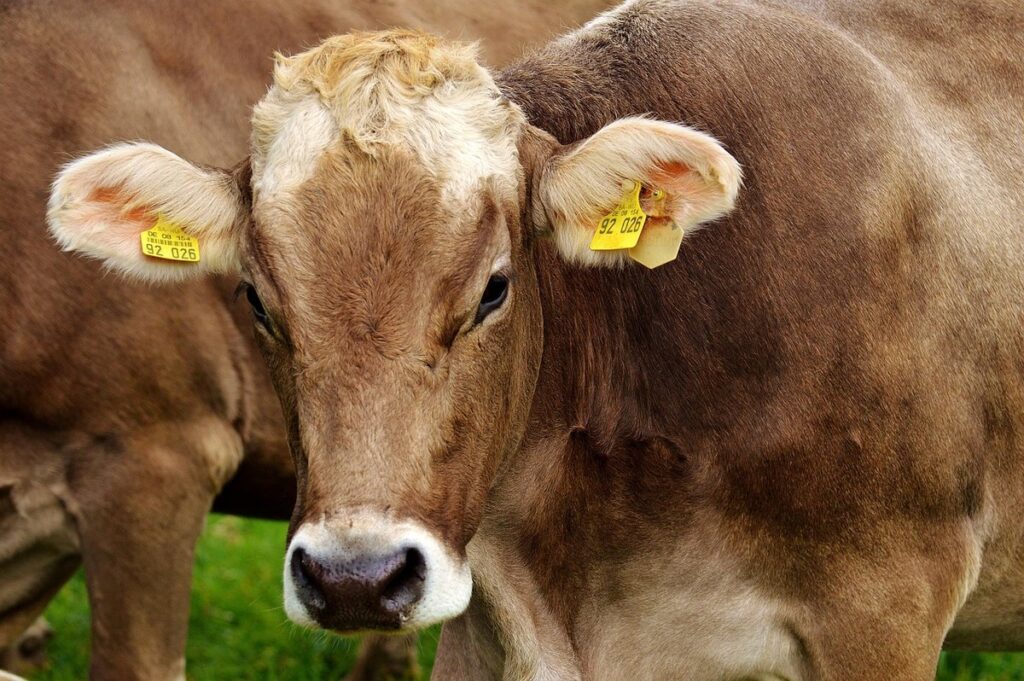
History and Origins
Miniature dairy cattle have a rich heritage, and understanding their origins is key to appreciating their unique characteristics. Let’s explore how these small but mighty animals came to be.
Early Development
In Europe and Asia, miniature dairy cattle breeds were developed to meet the needs of small-scale farmers and rural communities. One such breed, the Jersey Miniature, originated in the Channel Islands off the coast of England. Initially bred for their rich milk production, these tiny cows became a vital source of income for local farmers. Similarly, in parts of Asia, miniature dairy cattle were developed to thrive on limited land and resources.
In the late 19th century, breeders began to select and crossbreed these miniature cattle to enhance their desirable traits. This selective breeding resulted in the creation of smaller yet efficient milk producers. For example, the Guernsey Miniature was bred for its rich, creamy milk and compact size, making it an ideal choice for small-scale dairy farmers.
Today, many miniature dairy breeds continue to serve as a vital source of income for rural communities worldwide. Their ability to thrive on limited resources has also made them popular among small-scale dairy farmers looking to diversify their operations.
Evolution Over Time
Over time, miniature dairy cattle breeds have undergone significant transformations in breeding, nutrition, and management practices. One notable advancement is the introduction of genetic testing to improve breed quality and consistency. This has enabled farmers to select for desirable traits such as high milk production, hardiness, and compact size.
Another key development is the emphasis on rotational grazing and pasture-based systems. This approach not only enhances animal welfare but also promotes soil health and biodiversity. Many miniature dairy farms have adopted this method, resulting in improved milk quality and reduced environmental impact.
In terms of nutrition, there has been a shift towards more tailored feeding programs that cater to individual breed needs. For instance, some miniature breeds require higher protein diets due to their rapid growth rates. By providing the right nutrients at the right time, farmers can optimize animal performance and reduce the risk of health issues.
The rise of online forums and social media has also facilitated knowledge sharing among miniature dairy enthusiasts. This exchange of ideas and best practices has contributed significantly to the breed’s popularity and adaptability.
Benefits of Miniature Dairy Cattle
Miniature dairy cattle offer a unique set of benefits for small-scale farms and homesteads, including reduced space requirements and lower operational costs. By exploring these advantages, you can determine if miniature dairy cattle are right for your operation.
Space-Efficient Milk Production
Miniature dairy cattle are ideal for small-scale dairy farming due to their compact size and efficient milk production. They require significantly less space than larger breeds, making them perfect for intensive or diversified farm systems where every inch counts. In fact, a miniature dairy cow can produce up to 1-2 gallons of milk per day on a diet of high-quality hay and grains, similar to that of its full-sized counterpart.
One of the key advantages of using miniature dairy cattle is their reduced space requirements. A single miniature cow needs only about 200-300 square feet of pasture or 100-150 square feet of dry lot space, compared to 1-2 acres for a larger breed. This not only saves on land costs but also allows farmers to integrate these breeds into existing farm systems with ease.
In terms of operational costs, miniature dairy cattle are also more cost-effective due to their lower feed requirements and reduced labor needs. Farmers can expect to save around 30-40% on feed costs alone by switching to a miniature breed. By integrating miniature dairy cattle into their farm operations, farmers can enjoy the benefits of small-scale milk production without breaking the bank.
Diversified Farm Income
Miniature dairy cattle can provide a significant source of diversified farm income through value-added products. One way to capitalize on this is by producing artisanal cheese and yogurt. These products command premium prices due to their high quality and unique characteristics, making them an attractive addition to any farm’s product line.
To get started, consider partnering with local restaurants or specialty food stores to supply your products. You can also sell directly to consumers through farmers’ markets or online platforms. When crafting your value-added products, focus on highlighting the benefits of miniature dairy cattle milk, such as its rich flavor and high nutritional content.
Some popular options for value-added products include:
- Artisanal cheese varieties like feta, gouda, or chèvre
- Specialty yogurts with unique flavors or ingredients
- Buttermilk or cream used in cooking and baking
When developing your product line, be mindful of regulations and labeling requirements. Ensure that all packaging and marketing materials accurately reflect the origin and characteristics of your products. By diversifying your farm’s income streams through value-added products, you can create a more stable and resilient business model.
Popular Miniature Dairy Cattle Breeds
Among the many miniature dairy cattle breeds, some stand out for their exceptional milk production and gentle nature. You’ll discover six popular breeds that are perfect for small-scale dairy farming operations.
Jersey Miniatures
The Jersey miniature breed is a popular choice among small-scale dairy farmers due to its exceptional milk production capabilities. Originating from the Channel Island of Jersey, this breed has been developed over centuries to thrive in limited space and harsh weather conditions.
One of the key characteristics of the Jersey miniature is its compact size, typically weighing between 700-900 pounds. This makes them an ideal choice for small farms with limited grazing land or equipment constraints. In addition to their physical attributes, Jerseys are also known for their rich, creamy milk, which contains a high percentage of butterfat and protein.
Jerseys are well-suited to small-scale dairy farming operations due to their efficient use of resources and space. They require less feed and water than larger breeds, making them an attractive option for farmers looking to minimize costs while maximizing milk production. With proper care and management, Jersey miniatures can produce around 1-2 gallons of milk per day, making them a reliable choice for small-scale dairy farming operations.
Guernsey Miniatures
Guernsey miniatures are a beloved breed among miniature dairy cattle enthusiasts. Originating from the Channel Island of Guernsey, they were developed to produce high-quality milk on small plots of land. One of their most distinctive features is their rich, golden-brown coat, which sets them apart from other breeds.
In terms of milk quality, Guernsey miniatures excel in producing rich, creamy milk with a high butterfat content – typically between 4-5%. This makes their milk particularly suited for cheese production. However, their unique characteristics also come with challenges: Guernseys require regular exercise and space to roam, which can be a consideration for small farms or homesteads.
To raise Guernsey miniatures successfully, it’s essential to provide them with adequate pasture and forage. A diet rich in fiber and nutrients will help maintain their optimal milk production and overall health. Additionally, their docile nature makes them an excellent choice for families or beginners, as they are generally easy to handle and manage.
Their high milk quality and rich nutritional profile make Guernsey miniatures a popular choice among dairy farmers seeking to produce high-quality milk on a small scale.
Health Considerations
When working with miniature dairy cattle, it’s essential to consider their unique health needs and potential vulnerabilities due to their small size. This section will explore these important considerations in more detail.
Nutrition and Feed Management
Miniature dairy cattle have specific nutritional requirements due to their compact size. They need a diet rich in nutrients, particularly protein and calcium, to support milk production. A high-quality hay or grass pasture should form the base of their feed, supplemented with concentrates such as grains or commercial dairy feeds. The National Miniature Dairy Association recommends feeding miniature dairy cattle between 1-2% of their body weight in dry matter per day.
When it comes to parasite management, regular fecal testing is crucial for detecting internal parasites early on. Administering dewormers according to a schedule recommended by a veterinarian can help control parasite populations. However, over-reliance on chemical dewormers can lead to the development of resistant strains. A rotational grazing program that involves moving animals to fresh pasture regularly can also help reduce parasite loads.
Proper supplementation is also essential for miniature dairy cattle. They require access to clean water at all times and a source of salt. Mineral supplements should be provided in moderation, as over-supplementation can lead to imbalances. It’s recommended to provide free-choice mineral blocks or loose minerals rather than relying on feed additives.
Disease Prevention and Control
Regular veterinary check-ups are crucial for identifying potential health issues early on. A skilled veterinarian can detect signs of mastitis, reproductive problems, or other diseases in miniature dairy cattle before symptoms become apparent. These check-ups should be scheduled at least twice a year, with more frequent visits during peak breeding seasons.
Monitoring is also essential for disease prevention and control. This involves tracking the health and behavior of individual animals, as well as monitoring the overall herd health. Keep detailed records of vaccinations, parasite control measures, and any medical treatments administered to each animal. This will help you identify patterns or trends in the data that may indicate a larger issue.
Some common health issues to be aware of include:
- Mastitis: an inflammation of the udder tissue caused by bacterial infection
- Reproductive problems: issues related to breeding, fertility, and pregnancy
- Parasite infestations: internal parasites like worms or external parasites like ticks and lice
A healthy herd is built on a foundation of good nutrition, adequate shelter, and regular veterinary care. By prioritizing disease prevention and control strategies, you can reduce the risk of common health issues in miniature dairy cattle.
Best Practices for Raising Miniature Dairy Cattle
When it comes to raising miniature dairy cattle, providing optimal care and attention is crucial for their health and milk production. Proper management techniques can make all the difference in your miniature herd’s success.
Housing and Equipment Requirements
Miniature dairy cattle require a well-designed shelter to protect them from harsh weather conditions, predators, and parasites. A three-sided shed or lean-to with adequate ventilation is an ideal design for their housing needs. The structure should be sturdy enough to withstand strong winds and have a sloping roof to allow snow to slide off easily. Ensure the shelter is at least 8 feet wide and 12 feet long to provide ample space for the animals.
A milking infrastructure is essential for miniature dairy cattle, especially if you’re planning to milk by hand or with a small machine. You’ll need a stainless steel or enamel-coated bucket for collecting milk, along with a set of udder washes and towels. For automated milking systems, consult with a specialist to determine the most suitable equipment for your operation.
Manure management is another critical aspect to consider when raising miniature dairy cattle. Implement a system that separates solids from liquids, such as a slatted floor or a wheelbarrow-based manure removal system. Regularly clean the shelter and milking area to maintain hygiene and prevent disease transmission.
Management and Handling Techniques
When managing miniature dairy cattle, it’s essential to prioritize gentle handling techniques. This involves moving slowly and calmly around the animals, avoiding sudden movements or loud noises that can startle them. Regular social interaction is also crucial for their well-being, as these small breeds thrive on attention and affection.
To foster a trusting relationship with your miniature dairy cattle, spend time with them daily, grooming, feeding, and simply being present. This can be as simple as sitting in the stall or pen with them, allowing them to become accustomed to your presence. By doing so, you’ll not only reduce stress but also improve their overall temperament.
Careful observation of animal behavior is vital for early detection of potential health issues. Monitor for signs of illness, such as changes in appetite, water consumption, or stool quality. Look for behavioral cues like restlessness, irritability, or lethargy, which can indicate underlying problems.
When introducing new animals to the herd, do so gradually and under close supervision. This helps prevent stress and reduces the risk of fighting among the cattle. By implementing these management techniques and handling methods, you’ll create a calm, predictable environment that supports the health and happiness of your miniature dairy cattle.
Conclusion
As we wrap up our journey through the world of miniature dairy cattle, let’s summarize the key takeaways from our exploration of breeds and best practices. What you need to remember will help you make informed decisions about these charming animals.
Recap of Key Points
Raising miniature dairy cattle offers a unique combination of benefits, breeds, and best practices for farmers looking to diversify their income streams while minimizing space requirements. To recap, one of the primary advantages of miniatures is their ability to produce high-quality milk on a smaller scale, making them an ideal choice for small-scale or hobby farms.
Some popular miniature dairy cattle breeds include Jersey Miniatures and Guernsey Miniatures, both known for their rich milk fat content and gentle disposition. When it comes to health considerations, proper nutrition and feed management are crucial to maintaining the overall well-being of these animals. This includes providing a balanced diet that meets their specific nutritional needs, as well as implementing effective disease prevention and control measures.
In terms of best practices, miniature dairy cattle require specialized housing and equipment due to their smaller size. This may include custom-built milking parlors or stanchions specifically designed for miniatures. Additionally, management and handling techniques should prioritize gentle yet efficient milking procedures to minimize stress on the animals.
Effective management also involves monitoring milk production regularly to ensure optimal levels of quality and quantity. Regular veterinary check-ups are essential in maintaining the health and productivity of miniature dairy cattle. By considering these key factors – benefits, breeds, and best practices – farmers can successfully integrate miniature dairy cattle into their operations and enjoy the rewards of this unique agricultural venture.
For new farmers or those looking to expand their existing operation, starting small with a few miniatures is a great way to test the waters before scaling up. This approach also allows for flexibility in adjusting to changing market conditions and adapting management strategies as needed.
Frequently Asked Questions
Can I raise miniature dairy cattle on a non-traditional milk production diet?
Yes, many farmers have successfully raised miniature dairy cattle on pasture or non-grain diets. These alternative feeding strategies can be beneficial for the animal’s health and the environment. However, it’s essential to ensure that your chosen diet provides adequate nutrients for optimal milk production and animal well-being.
What if I only have a small plot of land with limited space? Can miniature dairy cattle still thrive?
Miniature dairy cattle require less space than larger breeds but still need sufficient room to move around comfortably. Aim for at least 1/4 acre per cow, depending on the breed’s specific needs and your farm’s layout. Consider vertical integration or creative housing designs to maximize space efficiency.
How do I know if my miniature dairy cattle are receiving optimal nutrition?
Regularly monitor your animals’ body condition scores, milk production, and overall health. Consult with a veterinarian or experienced breeder to determine the best feed and supplementation strategies for your herd. Keep detailed records of feed intake, milk quality, and animal performance to make informed decisions.
Can I integrate miniature dairy cattle into an existing large-scale dairy operation?
Integrating miniature dairy cattle into a larger operation can be beneficial for diversifying farm income streams. However, it’s crucial to consider factors like housing, milking infrastructure, and labor requirements. Start with a small pilot project to test the feasibility of integrating these smaller breeds into your existing operation.
What if I encounter issues with mastitis or other health problems in my miniature dairy cattle? Are there any specific preventative measures I can take?
Mastitis is a common issue in dairy cattle, including miniatures. Implement good hygiene practices, ensure proper milking equipment maintenance, and monitor cow behavior regularly to detect early signs of illness. Consult with your veterinarian to develop a comprehensive health plan tailored to your herd’s needs. Regularly review and adjust your management strategies to prevent recurring problems.