Organic dairy farming is gaining traction as a viable alternative to conventional dairy production, with many consumers seeking out milk products that are not only nutritious but also environmentally friendly. You may have noticed that some dairy products carry an “organic” label, but do you know what it means? Organic dairy farming involves raising cattle on pasture, using natural manure as fertilizer, and avoiding synthetic pesticides and fertilizers. This approach has been shown to reduce the environmental impact of dairy production, improve animal welfare, and even enhance the nutritional value of fresh milk products. In this article, we’ll explore the certification process for organic dairy farms, labeling requirements, and policy support for sustainable practices, so you can make informed choices about the milk you buy and the dairy industry you support. By the end of this article, you’ll be able to identify the key differences between conventional and organic dairy farming.
Benefits of Organic Dairy Farming
Organic dairy farming offers numerous advantages that make it a more desirable choice for consumers and farmers alike. Let’s examine some of these key benefits up close.
Environmental Advantages
Reduced pesticide and fertilizer use is a significant advantage of organic dairy farming. This approach eliminates the need for synthetic chemicals, which can contaminate soil, waterways, and air. Conventional farms often rely on pesticides to control pests and fertilizers to boost crop yields, but these chemicals can have devastating environmental consequences.
In contrast, organic dairy farming promotes healthy soil through natural methods like composting and manure management. This approach enhances soil fertility, structure, and overall ecosystem health. For instance, a study by the Rodale Institute found that regenerative agriculture practices increased soil carbon sequestration by up to 40%. Improved soil health also reduces erosion and increases water retention.
Organic dairy farming also fosters biodiversity by providing habitats for beneficial insects, pollinators, and wildlife. Rotational grazing, a common practice in organic dairy farming, allows for diverse grassland species to thrive. This approach encourages ecosystem services like pest control, nutrient cycling, and climate regulation. By adopting these environmentally friendly methods, farmers can reduce their environmental footprint while producing high-quality milk.
Improved Animal Welfare
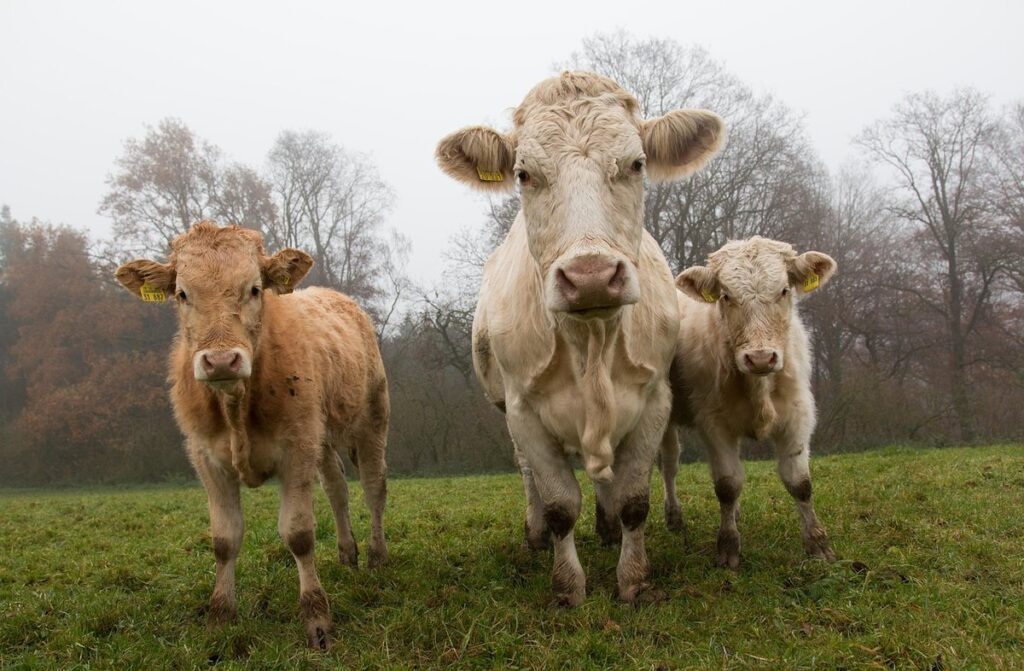
In organic dairy farms, animals have access to pasture and are provided with better living conditions than those found on conventional farms. This approach prioritizes animal welfare by allowing cows to roam freely outdoors, where they can engage in natural behaviors like grazing and socializing. As a result, the physical and mental health of dairy cattle improves, leading to reduced stress levels and lower incidence of disease.
Organic dairy farmers typically provide their animals with clean living quarters, adequate space, and opportunities for exercise. For example, some farms feature large barns or sheds with natural light, while others incorporate outdoor areas with sheltered spaces for cow comfort during extreme weather conditions. This attention to detail promotes a healthier environment for the cows, which in turn contributes to higher-quality milk production.
By prioritizing animal welfare, organic dairy farmers demonstrate their commitment to sustainable practices that benefit both the animals and the land.
Enhanced Nutritional Value
When cows are raised on organic dairy farms, they tend to produce milk with a higher nutritional value. This is largely due to the fact that their feed quality is significantly better than that of conventionally farmed animals. Organic dairy farmers prioritize using high-quality forages, such as fresh grass and hay, which provide essential nutrients like omega-3 fatty acids and conjugated linoleic acid (CLA). In contrast, conventional dairy farms may rely on lower-cost grains and by-products.
As a result, organic milk often contains higher levels of beneficial fats and vitamins. Studies have shown that organic milk tends to be richer in fat-soluble vitamins A, D, E, and K than conventionally produced milk. Furthermore, the improved quality of feed can also lead to increased production of certain antimicrobial peptides, which may contribute to a reduced risk of foodborne illnesses.
To reap these nutritional benefits, look for dairy products that are certified as organic by reputable third-party organizations. Keep in mind that not all “organic” labels are created equal, so it’s essential to choose products from farmers who prioritize transparency and quality control.
Challenges and Limitations of Organic Dairy Farming
While organic dairy farming offers many benefits, it also comes with some significant challenges that farmers need to be aware of. These limitations can impact milk production and profitability.
Higher Production Costs
Organic dairy farming comes with higher production costs due to specific requirements and standards. One significant expense is certification fees, which can range from $200 to $1,000 annually, depending on the farm’s size and type of certification. These fees cover the cost of audits, inspections, and record-keeping. Additionally, organic dairy farmers must use certified organic feed, which can be up to 30% more expensive than conventional feed.
This increased cost is a major challenge for small-scale or new organic dairy farms, as they struggle to maintain profitability. To mitigate this expense, some farmers opt for transitional periods before obtaining full organic certification. This allows them to gradually switch to organic practices and build their herd’s immunity to diseases without incurring the upfront costs of certification.
A 2019 survey of US-based organic dairy farmers reported that 62% cited higher feed costs as a significant challenge, while 45% mentioned certification fees as a major concern. To overcome these challenges, farmers can explore cost-sharing programs with suppliers or neighboring farms, negotiate better prices for certified feed, and invest in efficient farming practices to reduce waste and optimize resource use.
Reduced Economies of Scale
Smaller-scale organic dairy farms often struggle with economies of scale compared to conventional operations. This can make it difficult for them to compete on price and market share. To illustrate this point, consider a conventional dairy farm that produces 1,000 gallons of milk per day. Economies of scale allow them to negotiate lower feed costs, invest in more efficient equipment, and spread fixed expenses over a larger production base.
In contrast, an organic dairy farm producing the same amount may struggle to achieve these efficiencies. Organic farming practices typically require more labor-intensive methods, such as rotational grazing and manual crop management. These increased labor costs can offset potential savings from economies of scale. Furthermore, smaller-scale farms often lack the bargaining power to secure favorable prices for feed and equipment.
This disparity in economies of scale is particularly pronounced when it comes to land use and infrastructure investments. Larger conventional dairy operations can afford to purchase and maintain more extensive grazing areas or install advanced milk processing facilities, further widening the gap between organic and conventional producers.
Limited Access to Markets
Organic dairy farmers often face challenges in accessing traditional markets due to labeling and certification requirements. One of the main barriers is the strict regulations surrounding organic products. For instance, many large retailers require suppliers to meet specific standards for organic milk production, including detailed records of feed sources and pasture management. These demands can be difficult for small-scale organic dairy farms to meet.
To illustrate this point, consider a small family-owned farm that produces high-quality organic milk using rotational grazing practices. They may struggle to provide the necessary documentation to prove their compliance with retailer standards, even if they are committed to sustainable practices. This can limit their access to major markets, forcing them to rely on smaller, specialty channels.
To overcome these challenges, some organic dairy farmers opt for third-party certification programs that cater specifically to small-scale producers. These programs often have more flexible requirements and provide a recognized seal of approval that can be used in marketing efforts. By exploring alternative certification options, organic dairy farmers can expand their market reach and increase customer confidence in their products.
Organic Dairy Farming Methods and Practices
Organic dairy farming is all about adopting natural methods to raise healthy cows, which results in superior milk quality. We’ll explore some of these eco-friendly practices in more detail below.
Rotational Grazing
Rotational grazing is a key practice in organic dairy farming, where pastures are divided into smaller sections and grazed by cattle for a set period before being rested. This approach has numerous benefits for both the environment and animal welfare.
Improved pasture health is a direct result of rotational grazing. By giving each section of pasture time to recover between grazing periods, grasses have a chance to regrow and replenish their nutrients. This leads to healthier pastures with more diverse plant species, which in turn supports biodiversity and reduces soil erosion. In contrast, continuously grazed pastures can become depleted of nutrients and susceptible to erosion.
To implement rotational grazing effectively, farmers should consider the following:
• Divide pastures into at least 3-4 sections
• Rotate cattle every 2-5 days, depending on weather conditions and pasture growth
• Monitor pasture health through regular inspections and soil testing
• Adjust rotation schedules as needed based on changes in weather or pasture conditions
By adopting rotational grazing practices, organic dairy farmers can maintain healthy pastures while reducing their environmental impact.
Use of Natural Fertilizers
Compost and manure are two of the most common natural fertilizers used in organic dairy farming. These substances are rich in nutrients that promote soil fertility, structure, and overall health. By incorporating these materials into their farming practices, dairy farmers can maintain optimal soil conditions for their livestock to graze on.
To make compost, dairy farmers collect food waste, animal manure, and other organic matter from the farm or nearby community. This mixture is then left to decompose in a controlled environment, such as a designated composting area or a specialized bin. The resulting compost is teeming with beneficial microbes that break down complex nutrients into forms easily absorbed by plants.
Manure, on the other hand, can be directly applied to fields as fertilizer. Dairy farmers often mix manure with other natural materials like straw or sawdust to create a more stable and manageable product. Regular applications of compost or manure help maintain soil pH levels, improve water retention, and support beneficial microbial activity – all essential for healthy plant growth and optimal milk production.
Integrated Pest Management (IPM)
Integrated Pest Management (IPM) is a crucial aspect of organic dairy farming, as it allows farmers to minimize their reliance on chemical pesticides while promoting ecosystem balance. IPM involves a holistic approach to managing pests, focusing on understanding the underlying causes of infestations and using a combination of techniques to prevent or control them.
One key strategy employed in IPM is crop rotation and diversification. By planting a diverse range of crops, farmers can disrupt pest life cycles and reduce the reliance on pesticides. For example, rotating between grasses and legumes can help break the life cycle of certain pests, such as aphids. Additionally, introducing beneficial insects like ladybugs or lacewings can help control pest populations naturally.
Other IPM strategies include using physical barriers to prevent pests from reaching crops, practicing good sanitation and hygiene, and using natural pesticides derived from plants or microorganisms. Farmers may also employ techniques like hand-picking or vacuuming pests, particularly in high-value crops like organic dairy pastures. By adopting these integrated approaches, farmers can reduce their chemical usage while maintaining healthy pasture ecosystems and producing high-quality milk.
Certification and Labeling for Organic Dairy Products
To ensure the authenticity of organic dairy products, certification and labeling regulations play a crucial role in maintaining industry standards. Let’s take a closer look at these guidelines.
USDA Organic Certification
To obtain USDA Organic certification for dairy products, farmers must adhere to strict standards set by the US Department of Agriculture. These regulations dictate the use of organic feed, pasture rotation, and prohibition on synthetic pesticides and fertilizers. By meeting these requirements, certified farms can access premium markets and consumer trust.
USDA Organic certification is a rigorous process involving annual inspections and record-keeping. Certified dairy products must be processed and handled according to strict guidelines, ensuring that handling practices minimize contamination risk. Farmers also must document the origin of all ingredients used in their operations, including feed for animals.
Obtaining USDA Organic certification can have significant economic benefits for dairy farmers, particularly those selling directly to consumers or partnering with local businesses. Certified farms often experience increased market demand and prices for their products, allowing them to diversify revenue streams and build more resilient business models.
European Union (EU) Organic Regulation
The European Union’s organic regulation is outlined in Regulation (EU) No 1308/2013, which sets standards for organic production and labeling across EU member states. This regulation differs from US standards, such as the USDA Organic Certification, in several key areas. For instance, EU regulations permit the use of certain synthetic substances, like copper-based products, whereas US standards prohibit their use entirely.
Additionally, EU labeling requirements are more restrictive than those in the US. To be labeled as “organic” under EU law, a product must contain at least 95% organic ingredients, while US standards allow for 70-85% organic content to bear the “USDA Organic” label. This discrepancy can affect trade between EU and non-EU countries, particularly when it comes to exported dairy products.
Farmers who export their organic dairy products to the EU must comply with these regulations, which may involve adjusting their production methods or labeling practices. However, this ensures that consumers across the EU receive a consistent standard of organic dairy products. As such, understanding and adhering to EU organic regulation is crucial for farmers seeking to export their products to this market.
Other Certifications and Labels
In addition to USDA Organic and EU Organic certifications, several other labels and certifications have gained prominence in the dairy industry. “Regenerative” is one such term, often associated with practices like rotational grazing and cover cropping. While regenerative farming has its benefits, it’s essential for consumers to understand that this label may not necessarily imply stricter standards than organic certification. Some farmers might use regenerative as a marketing tool without adhering to the rigorous guidelines set by organizations like Regenerative Organic Certified (ROC).
Another label gaining traction is “grass-fed.” While grass-fed dairy products do come from cows fed grass, it’s crucial for consumers to recognize that grass-fed can coexist with conventional farming practices. A small minority of farmers prioritize 100% grass-fed diets, but many others supplement their cattle’s diet with grains or other feed sources during times of drought or scarcity.
When making choices about dairy products, consider the following: look beyond flashy labels and focus on certifications like USDA Organic or ROC. These organizations set clear standards for sustainable practices, animal welfare, and environmental stewardship. By opting for certified organic or regenerative dairy products, you can support farmers who prioritize long-term sustainability over short-term gains.
The Future of Organic Dairy Farming
As we look ahead, let’s examine some of the innovative practices and technologies being integrated into organic dairy farming to improve efficiency and sustainability. New methods are emerging that prioritize animal welfare and environmental stewardship.
Trends and Developments
Advances in technology are playing a crucial role in shaping the future of organic dairy farming. One notable trend is the adoption of precision agriculture techniques, which enable farmers to optimize feed production and reduce waste. For example, some farms are using satellite imaging to monitor pasture health and adjust grazing schedules accordingly.
Changes in consumer demand are also driving innovation in organic dairy farming. There’s a growing interest in plant-based diets and flexitarianism, leading to increased demand for non-dairy milk alternatives. In response, some organic dairy farmers are experimenting with cow-based milk blends that incorporate plant proteins or other nutrients. This approach not only caters to changing consumer preferences but also provides a potential revenue stream for struggling farms.
Another trend worth mentioning is the rise of small-scale, local dairy production. Consumers are increasingly seeking out products from nearby farms, which are seen as more sustainable and environmentally friendly. To capitalize on this trend, some farmers are investing in on-farm bottling or packaging facilities, allowing them to sell their products directly to consumers and bypass intermediaries.
To stay ahead of the curve, organic dairy farmers should consider adopting these emerging technologies and strategies. By doing so, they can improve efficiency, reduce costs, and better meet the changing needs of consumers.
Policy Support and Incentives
Governments and organizations worldwide are implementing policies to encourage sustainable dairy farming practices. In the United States, for example, the Farm Bill provides funding for conservation programs that support organic dairy farming. These initiatives offer tax credits or grants to farmers who adopt rotational grazing, use natural fertilizers, and implement Integrated Pest Management (IPM).
In Europe, the EU’s Common Agricultural Policy (CAP) includes measures to promote sustainable agriculture, such as organic farming. Farmers can receive payments for environmental services like biodiversity conservation and soil protection. Additionally, some countries have introduced specific incentives for organic dairy farmers, including subsidies for equipment purchases or training programs.
Other organizations are also providing support for organic dairy farming. The National Organic Program (NOP) offers certification to farms that meet its standards, which includes requirements for animal welfare and environmental stewardship. Some states in the US even offer matching grants for farmers who want to transition to organic production.
Addressing Sustainability Challenges
Addressing sustainability challenges is crucial for organic dairy farming’s long-term viability. High production costs and limited economies of scale can make it difficult for farmers to maintain profitability while adhering to organic principles. To mitigate these issues, many farms are adopting rotational grazing practices that improve soil health, reduce synthetic fertilizer use, and promote more efficient resource allocation.
Some farmers also benefit from integrated pest management (IPM) strategies, which minimize chemical inputs and support biodiversity. These holistic approaches not only enhance environmental sustainability but can also lead to cost savings through reduced waste and improved livestock productivity.
Key considerations for implementing sustainable practices include:
- Developing a comprehensive understanding of soil health and fertility
- Implementing efficient irrigation systems to reduce water consumption
- Using natural pest control methods, such as introducing beneficial insects or practicing crop rotation
- Monitoring and managing cow nutrition to minimize feed costs and optimize milk production
By adopting these strategies, organic dairy farmers can improve their bottom line while maintaining the high standards of environmental stewardship that define this sector.
Frequently Asked Questions
Can I start my organic dairy farm with just one cow?
Yes. Many small-scale farmers begin their organic dairy journey with a single cow and gradually expand as they gain experience and build their operation. This approach allows for flexibility in management decisions and can be more manageable financially.
How do I balance the cost of transitioning to organic practices with the potential long-term benefits?
It’s essential to weigh the costs associated with certification, higher-quality feed, and other organic practices against the potential increase in revenue from premium prices for organic products. Consider seeking advice from experienced farmers or industry experts to help you make informed decisions.
What if I don’t have access to a large enough pasture area for rotational grazing?
If you’re limited by land availability, consider alternative approaches like using intensive rotational grazing techniques or integrating other crops into your farm’s rotation to maximize space utilization. You can also explore partnerships with neighboring farmers to share resources and expertise.
Can organic dairy farming be profitable in regions with harsh winters or extreme weather conditions?
Yes. While the challenges of adverse weather may require additional planning and investment, many organic dairy farms thrive in such environments by adopting innovative strategies like using snow cover for winter grazing or investing in climate-resilient infrastructure.
How do I choose between different certifications and labels, such as “regenerative” versus “grass-fed,” when marketing my products?
When deciding which label to pursue, consider your farm’s specific practices and values. Research each label’s requirements and benefits to ensure alignment with your goals and target market preferences. Transparency about your farm’s methods can help build trust with consumers and differentiate your brand in a competitive market.