
Plant suckering is one of the most frustrating issues gardeners face, especially with certain species like asparagus and rhubarb. These unwanted shoots can pop up unexpectedly, stealing nutrients and energy from the parent plant and causing a decline in productivity. If left unmanaged, suckers can lead to poor plant health, reduced yields, and even the death of the parent plant. Understanding the causes and effects of suckering is crucial for maintaining healthy plants and promoting optimal growth. But what exactly are suckers, how do they form, and what can you do to prevent them? In this article, we’ll explore the ins and outs of plant suckering, including management techniques, cultural practices, and genetic selection strategies that will help you improve plant health and productivity. By the end of it, you’ll be able to identify and manage sucker formation effectively.
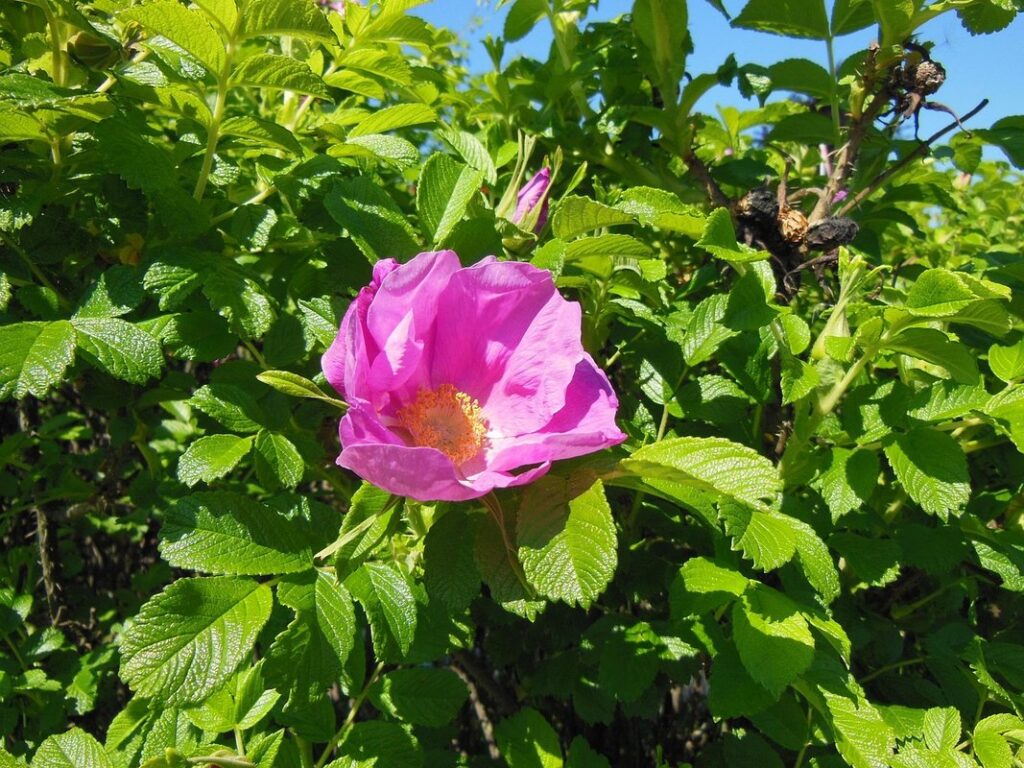
What is Plant Suckering?
Plant suckering can be a confusing term, especially for gardeners who aren’t familiar with it. Here, we’ll break down what plant suckering actually means and how it affects your plants.
Definition and Explanation
Plant suckering is a complex phenomenon where new shoots emerge from the base of the plant, often from underground stems called rhizomes. These new growths can be vigorous and healthy, but they can also compete with the main stem for resources like water and nutrients. In some cases, suckers may grow more rapidly than the main plant, potentially altering its shape or reducing its overall health.
Understanding plant suckering is crucial because it can impact a plant’s ability to thrive in various environments. For instance, suckers that emerge from soil-borne pathogens can spread disease to the rest of the plant. Similarly, vigorous suckering can lead to reduced yields and lower fruit quality. Knowing how to identify and manage suckers can help gardeners optimize their crop growth and minimize losses.
There are several types of suckers, including crown suckers, root suckers, and water sprouts. Each type has distinct characteristics and potential consequences for the plant’s health. Understanding these differences is essential for effective sucker management.
Types of Suckers
Crown suckers are shoots that emerge from the crown of a plant, often near the base of the stem. They can form as a result of damage to the main stem or due to hormonal imbalances within the plant. Crown suckers can compete with the main stem for resources such as water and nutrients, potentially reducing overall yield.
Root suckers are shoots that emerge from the roots of a plant. They can form when a section of the root system is damaged or when a plant is grown in conditions where it’s prone to producing suckers. Root suckers often have a more vigorous growth pattern than crown suckers and can quickly overtake the main stem if left unmanaged.
Water sprouts are shoots that emerge from the branches of a plant, typically near the tips. They form as a result of stress or damage to the main stem, and can be encouraged by factors such as high temperatures and humidity. Like crown suckers, water sprouts can reduce overall productivity by competing with the main stem for resources.
Identifying the type of sucker that’s forming on your plant is crucial in determining how to manage it. For example, if you’re dealing with root suckers, it may be necessary to adjust your watering schedule or fertilization routine to prevent further sucker formation.
Causes of Plant Suckering
Plant suckering can occur due to a variety of reasons, including disease, pest infestations, and root damage. Let’s examine some common causes that may lead to this issue in your garden.
Hormonal Imbalance
Hormonal Imbalance plays a significant role in plant suckering. Hormone production is essential for regulating various physiological processes, including cell division and growth. When plants experience stressors like pruning, nutrient deficiencies, or disease, it can disrupt hormone production, leading to an overproduction of auxins – the primary growth hormone responsible for cell elongation.
For instance, repeated pruning can stimulate auxin production, causing suckers to emerge as a response. Similarly, nutrient deficiencies can affect hormone synthesis, resulting in abnormal growth patterns. Root diseases like Phytophthora or Pythium can also disrupt hormone regulation, promoting excessive vegetative growth and sucker formation.
To mitigate hormonal imbalances contributing to plant suckering, gardeners should consider the timing and frequency of pruning practices. Pruning too frequently or at the wrong time can stress the plant and trigger suckering. Additionally, maintaining optimal nutrient levels through regular soil testing and fertilization can help prevent deficiencies that might disrupt hormone production. By understanding the relationship between hormonal imbalances and sucker formation, gardeners can take proactive steps to manage and control plant suckering more effectively.
Environmental Factors
Extreme temperature fluctuations and water stress can trigger a plant’s natural defense mechanism, leading to sucker formation. For example, citrus trees grown in areas with frequent droughts may produce suckers as a way to compensate for the lack of moisture. Similarly, plants exposed to prolonged periods of high temperatures or intense sunlight may develop suckers as a protective response.
Adequate light is also crucial for preventing suckering. Plants growing in low-light conditions often produce more suckers as they attempt to absorb what little light is available. This can be seen in trees like apple and cherry, which tend to sucker when grown under dense canopies or in areas with limited sunlight.
Waterlogged soil, on the other hand, can cause a plant’s roots to become anaerobic, leading to an imbalance in hormone production and subsequent sucker formation. This is particularly common in plants like willows and poplars, which thrive in wet environments but may produce suckers when waterlogged for extended periods.
By recognizing these environmental triggers, gardeners can take steps to prevent or mitigate suckering in their plants. This might involve adjusting watering schedules, providing supplemental lighting, or choosing cultivars better suited to local conditions.
Effects of Plant Suckering
Plant suckering can have significant consequences for a plant’s overall health and appearance, causing damage that can be difficult to reverse. Understanding these effects is crucial for gardeners who want to prevent them from happening in the first place.
Impact on Yield and Productivity
When plant suckering occurs, it can significantly reduce yield and productivity. This is because suckers compete with main stems for essential resources like water, nutrients, and light. As a result, the energy and nutrients that would otherwise be allocated to fruiting and flowering are instead diverted to the developing suckers.
A single sucker can consume up to 20-30% of a plant’s available water and nutrients, depending on its size and vigor. Over time, this can lead to weakened main stems and reduced crop quality. For example, in apple trees, excessive suckering has been linked to decreased fruit set and reduced yields.
In addition to competing for resources, suckers can also shade out surrounding areas, further limiting the plant’s ability to produce fruit. This is especially problematic in dense orchards or when plants are grown under shade cloth. By removing or controlling suckers, growers can redirect these resources back towards the main stems, promoting healthier and more productive plants.
Disease and Pest Susceptibility
Suckers provide an entry point for diseases and pests to infect plants, weakening their defenses and reducing overall health. One common issue associated with suckering is crown rot, a fungal disease that thrives in moist environments and enters through the weak tissues of newly formed suckers. This can lead to root decay and plant death if left unchecked.
Another problem is stem borers, which often target plants with excessive suckering. These insects burrow into the tender shoots, causing damage to internal tissues and potentially leading to disease transmission. In some cases, the borer’s presence may not be immediately apparent, but signs of infestation can include discolored or distorted foliage.
Fungal diseases like powdery mildew and downy mildew also exploit suckers as entry points, taking advantage of the plant’s compromised immune system. These pathogens can cause a range of symptoms, from white, powdery patches on leaves to yellowing or defoliation. Effective management strategies include regular pruning to remove suckers and promote healthy growth, as well as implementing good cultural practices to prevent disease and pest buildup.
Managing Plant Suckering
As you learn more about plant suckering, it’s essential to understand how to manage its effects on your plants, including pruning techniques and timing. We’ll explore these strategies in more detail below.
Pruning Techniques
When pruning suckers, timing is crucial. The best time to prune depends on the plant type and its growth habits. For most deciduous plants, prune suckers in late winter or early spring before new growth begins. This allows for a clean cut and minimizes sap flow, reducing the risk of disease transmission.
For evergreen plants, prune suckers immediately after flowering or in the fall when new growth slows down. Use sharp, sterile pruning tools to prevent spreading diseases like fungal infections. A pair of loppers or pruning shears is ideal for smaller branches, while a saw or pruning knife may be necessary for thicker stems.
Consider the plant’s root system and growth habit when pruning suckers. For example, plants with shallow roots like roses or hydrangeas require more aggressive pruning to prevent overgrowth. On the other hand, plants with deep taproots like apple trees can tolerate less severe pruning.
Some plants like asparagus and rhubarb produce new growth from underground crowns. Prune these suckers when they’re around 6-8 inches tall to promote a single stem and encourage root development. Always make clean cuts just above a bud or node, and remove any weak or spindly growth to maintain the plant’s overall health and structure.
Cultural Practices
Proper watering habits can significantly impact sucker formation. Overwatering often leads to weak and leggy growth, which can increase the likelihood of suckering. On the other hand, drought stress can trigger plants to produce more suckers as a survival mechanism. It’s essential to provide the right amount of moisture for your specific plant variety.
Fertilization practices also play a crucial role in promoting healthy growth and reducing sucker formation. A balanced fertilizer that includes nitrogen, phosphorus, and potassium will help support overall plant health. Avoid overfertilizing, as this can lead to weak and spindly growth. Instead, follow the recommended application rates and consider using organic fertilizers.
Effective pest management is also vital in preventing sucker formation. Insects like aphids, whiteflies, and spider mites can weaken plants and trigger suckering. Regularly inspect your plants for signs of pests and take action promptly if you notice any issues. Use integrated pest management techniques that combine physical barriers, cultural controls, and targeted pesticides to minimize chemical use.
Some key points to keep in mind include:
- Watering thoroughly but infrequently to encourage deep root growth
- Fertilizing during the growing season when plants are actively producing new growth
- Monitoring for pests regularly and taking action before populations get out of control
Prevention Strategies
To prevent unwanted suckering, let’s focus on strategies that promote healthy plant growth and reduce the likelihood of stem cuttings taking root. This includes pruning practices and cultivar selection.
Genetic Selection
When selecting plants for cultivation, choosing varieties known to have good suckering habits can significantly reduce the occurrence of suckering. Genetics play a crucial role in determining a plant’s tendency to sucker. Research has shown that certain plant species and cultivars are more prone to suckering due to their genetic makeup.
For example, some apple tree varieties are bred to be more resistant to suckering through careful selection of parent trees with desirable traits. Similarly, some rose cultivars have been developed to minimize suckering by introducing genes from sucker-resistant species.
To take advantage of genetic selection as a prevention strategy, growers can look for plant varieties that have been specifically bred for their suckering habits. This may involve consulting with nursery experts or conducting research on the specific needs and characteristics of the plants being grown.
When evaluating potential varieties, consider factors such as the plant’s growth habit, flowering patterns, and root development. Some plants may be more likely to sucker if they have a vigorous growth habit or produce multiple canes in a season. By selecting for these traits, growers can reduce the likelihood of suckering and create more manageable and productive crops.
Environmental Adjustments
To minimize sucker formation, you can make adjustments to the growing environment. One key factor is soil quality: poor drainage and compacted soil can stress the plant, leading it to produce suckers as a survival mechanism. Test your soil regularly to ensure it has the right pH balance and adequate nutrients. Consider amending your soil with organic matter like compost or well-rotted manure to improve its structure and fertility.
Temperature control is also essential: most plants thrive within a specific temperature range, and deviations from this can trigger sucker formation. For example, some plants may develop suckers when exposed to high temperatures, while others may respond to low temperatures by producing multiple shoots. Monitor your plant’s temperature requirements and take steps to maintain a stable environment.
Light management is another crucial aspect: too little light can cause plants to become leggy and produce suckers as they stretch towards the sun. Conversely, too much light can scorch the leaves and trigger sucker formation. Consider pruning your plant to maintain its shape or providing shade cloth to filter intense sunlight. By making these environmental adjustments, you can reduce the likelihood of sucker formation and promote healthier growth.
Advanced Techniques
Now that you’ve learned the basics of plant suckering, it’s time to take your skills to the next level by mastering advanced techniques for pruning and training suckers.
Grafting and Budding
Grafting and budding are advanced techniques used to control suckering by joining a stem or bud from one plant onto the root system of another. This union allows for the selective propagation of desirable traits, such as disease resistance or improved yield potential. Grafting involves attaching a stem segment (scion) from one plant onto the root system (rootstock) of another, while budding typically involves removing a single bud and implanting it onto the rootstock.
The choice between grafting and budding depends on factors like the plant species and desired outcome. For example, fruit trees often benefit from grafting because it allows for the combination of desirable traits from different parent plants. In contrast, rose cultivation might employ budding due to its efficiency in propagating new plants with specific characteristics. When selecting a rootstock for grafting or budding, growers should consider factors such as compatibility, vigor, and disease resistance.
To be successful, grafted or budded plants require careful aftercare, including regular watering, pruning, and monitoring for pests and diseases. Successful implementation of these techniques can lead to improved plant performance and reduced suckering.
Chemical Regulation
Chemical regulators can be used to prevent or reduce sucker formation by disrupting the plant’s natural hormone balance. One common chemical regulator is ethephon, a synthetic ethylene precursor that inhibits stem elongation and reduces lateral shoot growth. However, overuse of ethephon can lead to reduced yields, stunted root growth, and increased susceptibility to disease.
Another chemical regulator is 2,4-Dichlorophenoxyacetic acid (2,4-D), a synthetic auxin that promotes apical dominance and suppresses sucker formation. While effective, 2,4-D can also cause phytotoxicity if applied at high concentrations or in sensitive species. To minimize risks, growers should carefully follow label instructions and consider the specific needs of their plant variety.
When choosing chemical regulators, it’s essential to weigh the potential benefits against the risks. For example, using ethephon on a young tree may reduce sucker formation, but also delay overall growth. In contrast, 2,4-D may be more effective in mature trees with well-established root systems. To make an informed decision, growers should consult with a qualified horticultural expert and carefully assess their specific situation.
Frequently Asked Questions
Can I use chemical regulators to prevent suckering in all plant species?
Yes, but only for specific plants that have been identified as responsive to these chemicals. Chemical regulation is a precise technique and requires careful consideration of the plant’s genetic makeup and environmental conditions. It’s essential to consult with an expert before applying chemical regulators.
How long does it take to see results from pruning suckers versus making environmental adjustments?
Both pruning and environmental adjustments can produce noticeable effects, but they work on different timescales. Pruning is a quick fix that can provide immediate relief from sucker competition, while environmental adjustments might take several weeks or even months to yield results. A combination of both approaches often yields the best outcomes.
What if I’m growing multiple plant species with varying suckering habits – how do I prioritize management efforts?
Prioritize plants with high-value crops or those that are most susceptible to disease and pests. Focus on pruning techniques for these priority plants, as they will have the greatest impact on yield and productivity. Consider implementing preventative measures like grafting or budding for particularly challenging species.
Can suckering be a sign of underlying soil health issues?
Yes, suckering can indicate nutrient deficiencies or soil pH imbalances that affect plant hormone production. Addressing underlying soil health concerns through proper fertilization, soil testing, and adjusting environmental conditions will help alleviate sucker formation.
