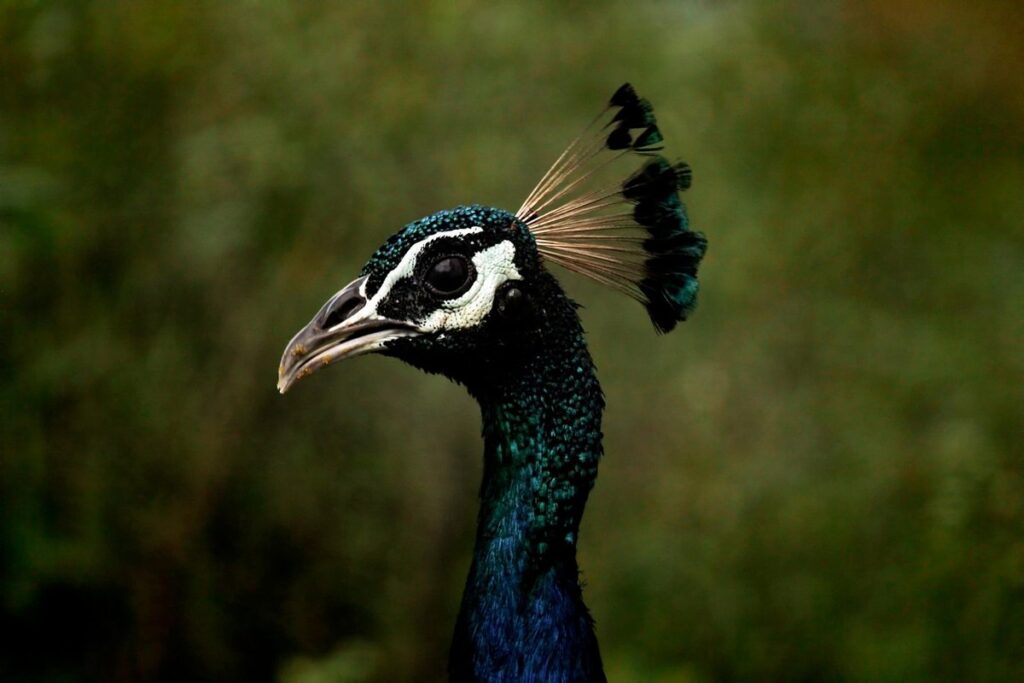
Raising peafowl can be a thrilling experience for those who are passionate about birds. These stunning creatures, with their vibrant plumage and majestic calls, require specialized care to thrive. If you’re considering bringing peafowl into your backyard or farm, it’s essential to understand the unique needs of these remarkable birds. They demand specific breeding, nutrition, and healthcare requirements that must be met in order to ensure their well-being and longevity. This comprehensive guide will walk you through the process of raising healthy peafowl, covering everything from establishing a suitable environment to recognizing potential health issues. By the end of this article, you’ll be equipped with the knowledge necessary to provide top-notch care for your peafowl flock, enabling you to enjoy a rewarding experience as their dedicated caregiver.
Introduction to Keeping Peafowl
If you’re new to raising peafowl, understanding their basic needs and requirements is essential for a harmonious and healthy flock. We’ll cover the fundamentals of keeping peafowl in this section.
Benefits of Raising Peafowl
Keeping peafowl can be a highly rewarding experience for backyard farmers and enthusiasts alike. One of the primary benefits is their unique ability to thrive in various environments, making them an excellent choice for those with smaller or irregularly shaped plots of land. Their omnivorous diet and adaptable nature allow them to forage efficiently, reducing feed costs and minimizing waste.
Peafowl are also relatively low-maintenance birds compared to other large fowl species. They require less space and can tolerate a range of climates, from hot to cold temperatures. This adaptability makes them an attractive option for those with limited resources or experience in raising livestock. Additionally, peafowl are known for their impressive intelligence and social nature, making them engaging companions for those willing to invest time in training and handling.
Some backyard farmers also appreciate the pest-control benefits of keeping peafowl. These birds are natural predators of ticks, snakes, and other pests that can harm crops or gardens. By integrating peafowl into your flock, you can reduce the need for pesticides and create a more balanced ecosystem on your property.
Initial Considerations for New Owners
Before deciding to raise peafowl, it’s essential to consider several crucial factors. First and foremost, space is a significant concern. Peafowl require a substantial amount of room to roam, exercise, and engage in their natural behaviors. A minimum of 1/4 acre of land per pair is recommended, with adequate shelter and protection from predators.
Noise levels are another critical consideration. Peafowl are loud birds, and their calls can be quite piercing. If you live in a residential area or have close neighbors, you may want to reconsider raising peafowl due to the potential disturbance. Check local regulations regarding noise ordinances and ensure that your property complies with these requirements.
Additionally, familiarize yourself with local laws and regulations regarding exotic pets. Some municipalities prohibit the ownership of peafowl, while others may require special permits or licenses. Ensure you’re aware of any specific restrictions in your area before making a decision. By carefully evaluating these factors, you can make an informed choice about whether raising peafowl is right for you.
Choosing the Right Breed
When it comes to raising peafowl, selecting the right breed for your climate and living situation is crucial. With over 30 breeds to choose from, making an informed decision can be overwhelming.
Understanding Peafowl Breeds
There are several popular peafowl breeds, each with its unique characteristics and temperaments. The Indian Blue Peafowl is one of the most recognizable breeds, known for its vibrant blue plumage and distinctive call. In contrast, the Java Peafowl has a more subdued coloration and is often described as being less aggressive than other breeds.
TheOMB (Oriental Brown Male) breed is another popular choice among peafowl enthusiasts, prized for its striking brown and gold plumage. However, it’s worth noting that this breed can be quite vocal, making it better suited to owners who live in rural areas or have large properties.
When choosing a breed, consider your environment and lifestyle. For example, if you live in a small urban area with noise restrictions, the Java Peafowl might be a more suitable choice due to its generally quieter nature. On the other hand, if you have a larger property and want a more impressive display of plumage, the Indian Blue orOMB breeds may be worth considering.
It’s essential to research each breed thoroughly before making a decision, taking into account factors such as noise level, aggression, and adaptability to different environments.
Selecting a Breed for Your Needs
When selecting a breed of peafowl for your needs, consider the climate you live in. Some breeds are more tolerant of extreme temperatures than others. For instance, the Java peafowl is well-suited to hot climates, while the Indian blue peafowl prefers cooler temperatures. If you’re living in an area with frequent frost or freezing temperatures, choose a breed that’s hardy and can withstand these conditions.
You should also think about the amount of space you have available for your peafowl enclosure. Large breeds like the green peafowl require more space to roam than smaller breeds. Make sure you have enough room for your birds to move around comfortably, as well as adequate shelter from the elements. If you’re short on space, consider a breed that’s naturally quieter and less active.
Another factor to consider is the level of interaction you want with your peafowl. Some breeds are more docile and affectionate than others, while some can be quite aggressive. If you have young children or plan to handle the birds regularly, choose a breed known for its friendly temperament.
Housing and Enclosures
When it comes to raising peafowl, providing a suitable housing and enclosure is crucial for their health, well-being, and safety. A well-designed coop and outdoor area will keep your birds happy and secure.
Designing an Optimal Peafowl Enclosure
When designing an optimal peafowl enclosure, size is a crucial consideration. The minimum recommended space for a small flock of peafowl is about 1 square meter per bird, with at least 2 meters of vertical clearance to allow them to spread their wings and move comfortably. However, larger enclosures are always better, as they provide more room for the birds to exercise, forage, and engage in natural behaviors.
Shelter from the elements is also essential. Provide a covered area or a roosting pole where peafowl can retreat during rainstorms or extreme temperatures. The shelter should be well-ventilated to prevent moisture buildup and related health issues.
Proper ventilation is another critical aspect of designing an optimal peafowl enclosure. Ensure that there are openings at the top and sides of the enclosure to allow for airflow, which helps maintain a healthy microclimate and reduces ammonia levels from droppings. You can also install windows or mesh panels to provide natural light and enhance visibility.
When planning your enclosure, consider incorporating features such as perches, nesting boxes, and dust baths to promote the birds’ physical and mental well-being. A well-designed enclosure will not only keep your peafowl safe but also encourage their natural behaviors and improve their overall quality of life.
Providing Adequate Space and Comfort
When designing a peafowl enclosure, it’s essential to prioritize space and comfort features. Peafowl require room to roam, exercise, and engage in natural behaviors like foraging and dust bathing. A general rule of thumb is to provide at least 10 square feet of floor space per bird, with a minimum of 3 feet by 4 feet per adult peahen.
Consider the age and size of your birds when planning the enclosure’s layout. Chicks need more space relative to their body size than adults, so allocate extra room for growing birds. Incorporate roosts or perches at different heights to cater to various preferences. Many peafowl prefer to roost in a vertical position, while others may choose to nest on lower perches.
Don’t forget to include nesting boxes and brooding areas specifically designed for peahens. These boxes should be about 2 feet by 1 foot in size, with an entrance hole large enough for the bird to easily enter but not so large that predators can follow. The roosts or perches should also be placed near these areas to encourage nesting behavior and reduce stress on the birds.
Nutrition and Diet
When it comes to raising peafowl, providing a balanced diet is crucial for their overall health and well-being. We’ll cover essential nutritional needs and dietary recommendations in the next section.
Understanding Peafowl Dietary Needs
Peafowl are omnivores, which means they require a diet rich in both plant and animal matter. In the wild, they forage for insects, worms, and small reptiles to supplement their diet of leaves, grasses, and seeds. To replicate this diverse diet, you’ll need to provide a balanced mix of commercial pellets or grains, fruits, vegetables, and protein sources like mealworms or crickets.
Aim to offer fresh water and food daily, and consider providing supplements during periods of high growth or breeding. For example, calcium-rich oyster shells can help support strong bone development in growing chicks. Similarly, a small amount of grit can aid digestion by helping peafowl grind their food.
Some essential nutrients to prioritize include vitamin A (found in leafy greens like kale and spinach), vitamin D3 (available in commercial supplements or sunlight exposure), and omega-3 fatty acids (abundant in insects and seeds). Avoid over-supplementing, as this can lead to nutrient imbalances. Instead, focus on providing a varied diet that includes a mix of these essential nutrients.
Creating a Balanced Feeding Plan
To create a balanced feeding plan for your peafowl, you’ll need to consider their nutritional needs at different life stages. Peafowl require a diet rich in protein and calcium during growth and development, but this shifts as they mature. Start with a starter feed that’s around 20-25% protein for chicks up to four weeks old. As they grow, gradually transition them to a grower feed (16-18% protein) until they reach about six months of age.
At this point, you can switch to an adult maintenance feed (12-14% protein). It’s essential to provide supplements during breeding season or when raising chicks to ensure they’re getting all necessary nutrients. A calcium-rich supplement is crucial for eggshell production and overall bone health in hens.
When selecting a commercial feed, look for products specifically formulated for game birds like peafowl. These feeds usually contain the right balance of protein, energy, and other essential nutrients. You may also want to consider adding fruits and vegetables to their diet as treats or supplements. Fresh foods can provide vital vitamins and minerals, but be sure not to overdo it – around 10-15% of their total intake should come from fresh produce.
Health and Hygiene
Maintaining good health and hygiene is crucial for your peafowl flock, as poor conditions can lead to stress, disease, and even death. Keep reading to learn how to keep your birds clean and healthy.
Common Health Issues in Peafowl
Peafowl are generally hardy birds, but they can be susceptible to certain health issues. One common problem is respiratory disease, which can be caused by bacteria such as Mycoplasma or Chlamydophila. These infections often spread through the air and can be triggered by stressors like changes in temperature or humidity.
Another issue that affects peafowl is parasitic infestations, particularly those caused by internal worms like Ascaridia or Capillaria. Good sanitation practices, such as regularly cleaning the enclosure and removing soiled bedding, can help minimize the risk of these infestations.
Injuries are also a concern for peafowl, particularly during breeding season when males may engage in aggressive behavior with each other. Keepers should be vigilant about monitoring their birds’ behavior and take steps to prevent fights from occurring.
Some other health issues that can affect peafowl include:
• Fatty liver disease, which is often linked to dietary factors
• Gastrointestinal problems, such as impaction or prolapse, caused by feeding habits or digestive issues
• Bacterial infections like E. coli or Salmonella, which can be spread through contaminated food or water
Maintaining Good Hygiene Practices
Maintaining good hygiene practices is crucial when raising peafowl to prevent the spread of diseases and parasites. Regular cleaning of enclosures and equipment is essential to remove droppings, feathers, and other debris that can harbor bacteria and fungi. This should be done at least twice a week, with daily spot cleaning as needed.
Adequate ventilation in the enclosure is also vital to reduce ammonia levels and prevent respiratory problems in peafowl. Peafowl are prone to respiratory issues such as aspergillosis, which can be exacerbated by poor air quality. Ensure that your enclosure has adequate windows or vents to provide airflow.
Vaccination schedules should be followed carefully to protect against common diseases like Newcastle disease and infectious bronchitis. Consult with a veterinarian experienced in exotic bird care to determine the best vaccination schedule for your peafowl flock. Additionally, regular parasite control measures such as mite treatment and deworming medication should be administered as needed.
It’s also important to monitor your birds’ health regularly, looking out for signs of illness or stress like changes in droppings, appetite, or behavior. Early detection can help prevent the spread of disease and reduce the risk of outbreaks.
Breeding and Rearing Chicks
Raising healthy, thriving peafowl starts from day one, which is why understanding breeding and rearing chicks is crucial for any aspiring peafowl keeper. This process requires careful attention to nutrition, environment, and health checks.
Understanding Peafowl Reproduction
Peafowl breed year-round, but their fertility rates and hatching success vary depending on the season. The breeding season for peafowl typically begins in spring and summer, when temperatures are warm and food is plentiful. During this time, males become more aggressive and vocal, as they compete for mating rights with females.
Females can store sperm from multiple matings, allowing them to fertilize eggs over a period of several days. The fertility rate of peafowl is typically high during breeding season, with most breeds experiencing 80-90% successful hatch rates under optimal conditions. However, factors like age, nutrition, and health can impact fertility.
Peafowl are known for their polygynous mating system, where one male mates with multiple females. This means that a single rooster can sire chicks from several hens in a given breeding season. To maximize hatching success, breeders should provide a balanced diet rich in protein, calcium, and other essential nutrients.
When selecting breeding pairs, consider the age and health of both parents, as well as their genetic diversity. This will help ensure healthy offspring with desirable traits.
Raising Healthy Chicks
Proper incubation is crucial for raising healthy peafowl chicks. You can either use a commercial incubator or hatch eggs under a broody hen, but make sure to monitor temperature and humidity levels closely. The ideal incubation temperature for peafowl eggs is between 99°F and 100°F (37°C-38°C), with a slight drop in temperature during the last few days of incubation.
Once chicks have hatched, move them to a brooder with adequate ventilation and heat. A heat lamp or ceramic heat emitter can help maintain temperatures around 90°F (32°C) for the first week. Keep the brooder clean by removing soiled bedding daily and disinfecting food and water containers regularly. As chicks grow, gradually reduce the temperature over a period of about two weeks.
Around three to four weeks old, peafowl chicks can start weaning onto starter feed. Begin by mixing in small amounts of starter feed with their brooder ration, gradually increasing the proportion as they become accustomed to eating on their own. Provide fresh water at all times and ensure access to grit and oyster shells for calcium supplementation.
Advanced Topics in Peafowl Care
As you gain more experience raising peafowl, you’ll want to learn advanced techniques for managing their health and behavior. This includes understanding common issues like feather plucking and aggressive rooster behavior.
Training and Handling Peafowl
Training and handling peafowl requires patience, consistency, and a gentle approach. Start by letting them become familiar with your presence, allowing them to come to you rather than approaching them directly. Begin with short sessions, offering treats or scratch grains to associate your presence with positive experiences.
To tame a peafowl, move slowly and deliberately around their enclosure, speaking calmly to help them feel at ease. Avoid sudden movements or loud noises that might startle them. As they become more comfortable with your presence, you can gradually increase interaction time.
When handling peafowl, support their body weight by lifting under the wings rather than the legs. Hold them securely but not too tightly, as excessive restraint can cause stress and discomfort. Be mindful of their sharp spurs, which can cause injury if not handled carefully.
Some breeds are more docile than others; for example, the Indian Blue Peafowl is known to be relatively tameable with proper handling. However, even the most gentle birds may still display aggressive behavior when threatened or protecting their young. Always approach peafowl calmly and respectfully, giving them plenty of space and time to respond to your presence.
Integrating Peafowl into Your Flock
When introducing new peafowl to an existing flock, it’s essential to consider their social structure and hierarchy. Peafowl are naturally gregarious birds, but they can be territorial and may establish a strict pecking order within the group. To minimize stress and ensure harmony, start by separating the new birds from the rest of the flock for at least 24-48 hours before introducing them.
During this time, provide a familiar environment, including food, water, and shelter, to help the new birds feel secure. Once reintroduction begins, do it slowly and under close supervision. Start with visual introductions, allowing the birds to see each other but not interact directly. Gradually increase face-to-face interactions while maintaining a safe distance.
To maintain harmony within the flock, ensure there is sufficient space for all birds to roam freely. A general rule of thumb is to provide at least 10 square feet per bird in enclosed areas. This helps reduce competition and stress, allowing the peafowl to establish a peaceful coexistence. Monitor their behavior closely during this period and intervene if you notice any signs of aggression or distress. By following these steps, you can create a harmonious environment for your peafowl flock to thrive in.
Frequently Asked Questions
Can I raise peafowl in cold climates?
Yes, with proper care and housing, it’s possible to raise peafowl in cold climates. You’ll need to ensure their enclosure is well-insulated, provide adequate shelter from wind and rain, and consider using heated roosts or brooders during extreme cold snaps.
How do I handle common health issues like mites and lice?
Common pests like mites and lice can be managed with regular cleaning of the coop and run, removing soiled bedding, and treating affected birds with medicated powders or sprays. Keep an eye out for signs of infestation, such as excessive scratching or molting.
What if I’m new to farming and don’t have experience with large animals?
Raising peafowl can be a great introduction to larger animal care, but it’s essential to start small and gradually increase your flock size as you gain experience. Begin with a few birds, learn their specific needs, and expand your operation as you become more confident.
Can I integrate peafowl into an existing flock of chickens?
Yes, peafowl can be integrated into an existing chicken flock, but it’s crucial to introduce them slowly and under close supervision. Peafowl are social birds that prefer the company of their own kind, so it’s best to start with a small group or pair and monitor their behavior before introducing more birds.
What if I notice my peafowl are escaping from their enclosure?
Check for any gaps in fencing or weaknesses in the coop door. Consider using electric netting or other enclosures specifically designed for large birds like peafowl, which can be trained to return to their roosts at night.