If you’re considering adding some feathered friends to your backyard or farm, one breed stands out for its exceptional qualities: the Rhode Island Red. With their rich history dating back to 1840s New England, these hardy birds have been a staple in many American farms and homes for centuries. Not only are they incredibly prolific egg layers, producing an impressive number of large, brown eggs each year, but they also boast high-quality meat that’s both flavorful and tender. Whether you’re looking to supplement your family’s protein intake or simply want some entertaining companions, Rhode Island Reds are a versatile choice with many benefits to offer. In this article, we’ll explore the characteristics, history, and advantages of raising these beloved birds as pets or farm animals. By the end, you’ll know exactly what it takes to successfully raise Rhode Island Reds and reap their rewards.
History and Origin of Rhode Island Reds
The roots of the beloved Rhode Island Red chicken breed stretch back to 19th-century America, where they were first bred for their remarkable eggs. Let’s take a closer look at how these iconic birds came to be.
Early Beginnings: A Brief Overview of the Breed’s History
In the mid-19th century, American farmers were seeking a hardy and reliable breed for their farms. The Rhode Island Red was born out of this demand, emerging from a cross between various breeds such as the Cochin, Malay, and Dominique. Initially developed in Little Compton, Rhode Island, the breed quickly gained popularity due to its exceptional egg-laying abilities and rich red plumage.
The early beginnings of the Rhode Island Red are often attributed to William Tripp Jr., who is said to have been instrumental in refining the breed’s characteristics. Under his guidance, farmers were able to create a bird that not only excelled in producing eggs but also grew well on a variety of diets and was less prone to disease.
By the late 1800s, the Rhode Island Red had become a staple among American farms, prized for its unique combination of productivity and hardiness. Its impressive egg-laying abilities – up to 200 large brown eggs per year – made it an attractive choice for farmers seeking to diversify their income streams through egg sales.
Development as a Dual-Purpose Breed
Rhode Island Reds were bred to excel as both egg-laying machines and reliable meat birds. To achieve this dual-purpose goal, breeders focused on developing birds with specific characteristics. They sought out individuals that could produce a high number of large brown eggs while also growing at a moderate rate for efficient meat production.
Breeders selectively bred Rhode Island Reds for a combination of size, egg-laying ability, and growth rate. They aimed to create birds that would reach maturity relatively quickly, typically between 16 to 20 weeks, allowing them to be harvested before peak egg production began. This approach ensured that the birds could provide both eggs and meat without sacrificing one trait for the other.
The result was a breed capable of producing around 200-220 brown eggs per year while growing at a rate suitable for market weight in about 6-8 months. To maintain these traits, it’s essential to understand the breed standard and select breeding stock that adheres to these dual-purpose characteristics. By doing so, you can raise Rhode Island Reds that excel as both egg-laying machines and reliable meat birds.
Characteristics of Rhode Island Red Chickens
Rhode Island Reds are known for their exceptional egg-laying abilities, but what makes them such a popular choice among backyard chicken keepers? Let’s take a closer look at some of their key characteristics.
Physical Appearance: What Sets Them Apart
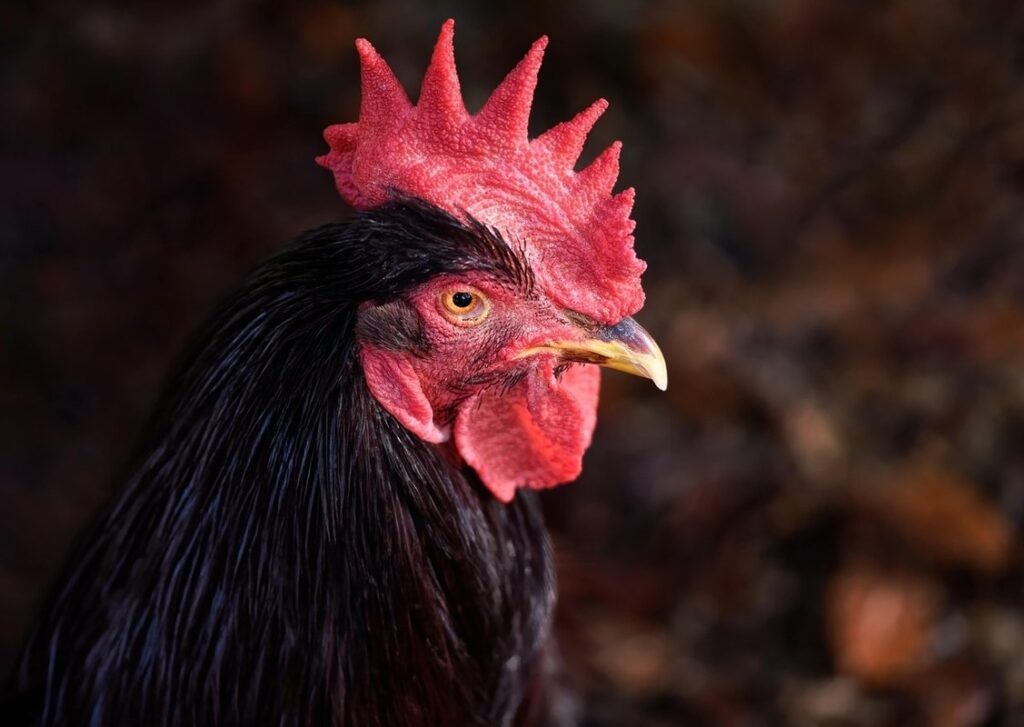
Rhode Island Reds are easily recognizable due to their distinctive physical appearance. One of the breed’s most striking features is their vibrant red plumage, which can range from a deep maroon to a bright fire engine red. This stunning coloration is uniform across the bird’s body, with a slight lighter hue on the wings and tail feathers.
In addition to their impressive coloring, Rhode Island Reds are also known for their sturdy build and compact size. Adult hens typically weigh between 7-9 pounds (3.2-4 kg), while roosters can reach up to 10 pounds (4.5 kg). Their robust frame is well-suited for both egg-laying and meat production, making them a popular choice among backyard chicken keepers and commercial farmers alike.
Their size and build also give Rhode Island Reds a commanding presence in the coop or run. They are a medium-heavy breed, with males sporting a distinctive red comb and wattle that adds to their overall stature. Overall, the combination of their striking coloration, sturdy build, and impressive size make Rhode Island Reds a standout among other chicken breeds.
Temperament and Personality Traits
Rhode Island Reds are renowned for their friendly and docile nature, making them an excellent choice as pets or farm animals. One of the key reasons for their popularity is their ability to adapt to various environments. Whether raised on a small backyard farm or in a bustling urban setting, Rhode Island Reds seem to thrive.
Their calm demeanor allows them to coexist peacefully with other chickens and even larger animals like dogs and horses. In fact, many owners report that their Rhode Island Reds are the first to approach visitors, often seeking attention and affection. This friendly nature is especially valuable for families with children, as it promotes a sense of responsibility and teaches youngsters about animal care.
Rhode Island Reds also possess an impressive ability to adjust to changing circumstances. They can handle shifts in temperature, humidity, and even noise levels without becoming stressed or agitated. This adaptability makes them an excellent choice for farmers who need birds that can tolerate varying environmental conditions.
To foster a harmonious environment with your Rhode Island Reds, consider providing a spacious coop with adequate ventilation and plenty of fresh water. With proper care and attention, these gentle giants will reward you with years of companionship and loyalty.
Raising and Caring for Rhode Island Red Chickens
When it comes to raising these beloved birds, one of the most important things to consider is providing them with a safe and healthy environment that meets their specific needs. This section will cover everything you need to know about caring for your Rhode Island Reds from day-old chicks to mature hens.
Nutrition and Feeding Requirements
Rhode Island Reds are dual-purpose birds, bred for both egg production and meat quality. As such, their dietary needs prioritize protein-rich feed to support muscle growth and development. A high-quality layer feed or a starter-grower feed with at least 16-18% protein content is ideal. Avoid using all-mash feeds, as they lack essential minerals.
Fresh water must always be available, and it’s crucial to change the water frequently to prevent bacterial contamination. A calcium supplement may also be necessary, especially during breeding season or for young birds. Laying hens require about 1-2% calcium in their diet, while growing birds need around 0.5-1%.
When introducing new feed, do so gradually to avoid digestive upset. Start by mixing the new feed with their current feed at a ratio of 25:75, then increase the proportion over several days. It’s also essential to provide grit for both young and adult birds to help with digestion.
A well-planned feeding schedule can help prevent common health issues like leg problems, reproductive issues, or poor eggshell quality. Consider offering oyster shells as a calcium supplement, which can be crushed into their feed or provided in a separate dish.
Health Considerations: Common Issues and Prevention
Rhode Island Reds are a hardy breed, but like all chickens, they can be prone to certain health issues. One common problem is reproductive disease, which can cause issues such as egg binding and peritonitis. This is often related to poor nutrition or stress, so ensuring your girls have access to high-quality feed and plenty of space to roam can help prevent these issues.
Another issue that affects many Rhode Island Red flocks is respiratory problems, particularly during times of cold weather or when dust levels are high in the coop. Regular cleaning of the coop and providing a dust-free environment can help minimize this risk. Additionally, making sure your chickens have access to plenty of fresh air and adequate ventilation can also help prevent respiratory issues.
It’s essential to monitor your flock regularly for signs of illness or stress, such as changes in appetite, behavior, or droppings. With prompt attention and proper care, many health issues can be resolved quickly, preventing more serious problems from developing. By understanding these common health concerns and taking proactive steps to prevent them, you can help keep your Rhode Island Reds happy and healthy for years to come.
Some key factors to consider when caring for your flock include:
- Regular vaccinations
- Clean living conditions
- Balanced nutrition
- Adequate space and exercise
Breeding and Reproduction
To successfully raise Rhode Island Reds, it’s essential to understand their unique breeding habits and reproductive needs. We’ll explore how to breed these birds for optimal health and egg production.
Understanding the Breeding Process
Breeding Rhode Island Reds requires a thoughtful approach to selecting individuals with optimal traits. Breeders typically evaluate birds based on their egg-laying ability, plumage quality, and overall health. To achieve these characteristics, breeders must carefully consider the genetic makeup of each bird. A key aspect is maintaining genetic diversity within the flock. This can be achieved by introducing new bloodlines or using artificial insemination to introduce desirable traits.
When selecting individuals for breeding, breeders look for birds that exhibit exceptional egg-laying ability, typically with an average annual production of 200-220 large brown eggs per hen. Plumage quality is also crucial, as Rhode Island Reds are prized for their rich, deep red coloration and lustrous sheen. Breeders may use visual assessments or more objective measures like feather texture analysis to evaluate plumage.
To ensure genetic diversity, breeders often participate in breeding programs that involve exchanging birds with other breeders or participating in cooperative breeding projects. This helps maintain the health and vigor of the flock while introducing new traits and characteristics. By balancing selection for desirable traits with a focus on genetic diversity, breeders can produce high-quality Rhode Island Reds that excel in both production and quality.
Sexing Chicks: Tips and Tricks for Raising Healthy Flocks
Sexing chicks is a crucial skill for any backyard chicken keeper or commercial breeder. It’s essential to identify the sex of your chicks accurately to ensure you’re raising healthy flocks and avoiding unwanted breeding. Rhode Island Red chicks are sex-linked, meaning their feathers will develop differently depending on their sex.
At day-old, it can be challenging to determine the sex of chicks. However, you can look for subtle differences in feather development. Female chicks tend to have a more pronounced comb and wattle compared to males. By around 3-4 weeks, the sex difference becomes more apparent, with females developing longer, more pointed feathers on their backs.
To ensure accuracy, it’s recommended to use multiple methods for sexing chicks. Visual inspection is one approach, but many breeders also rely on weighing or using a sexing chart. When raising healthy flocks, it’s essential to separate males from females early on to prevent unwanted breeding and reduce stress on your birds.
Earning Potential and Commercial Uses
Rhode Island Red chickens are not only popular pets, but they also have significant earning potential for farmers and breeders. We’ll explore how to capitalize on this demand.
The Economic Benefits of Raising Rhode Island Reds
Raising Rhode Island Reds can be a lucrative venture due to their exceptional egg-laying abilities and high-quality meat. These birds are capable of producing around 200-220 eggs per year, making them an excellent choice for commercial egg farmers. The quality of their eggs is also noteworthy, with a rich brown color and firm texture that commands a higher price in the market.
The dual-purpose nature of Rhode Island Reds allows farmers to capitalize on both their egg production and meat quality. Their meat is particularly sought after due to its tender flavor and fine grain structure. When raised for meat, Rhode Island Reds typically reach maturity at around 16-20 weeks, allowing farmers to harvest them before they begin laying eggs.
To maximize the economic benefits of raising Rhode Island Reds, farmers should consider factors such as feed efficiency, disease prevention, and proper management techniques. A well-managed flock can significantly reduce production costs while increasing revenue through higher egg yields and premium meat sales. By understanding these key aspects, farmers can optimize their operations and reap the rewards of raising this prolific breed.
Market Demand and Competition: Understanding Your Niche
When raising Rhode Island Reds for commercial purposes, understanding market demand and competition is crucial for success. The demand for these birds is largely driven by their dual-purpose capabilities – they provide both eggs and meat – making them a popular choice among small-scale farmers and backyard flocks.
To determine your niche within the market, consider the egg production aspect of Rhode Island Reds. They are renowned for their high egg-laying capacity, producing an average of 200-220 brown eggs per year. This makes them an attractive option for farms focused on egg production or those looking to diversify their offerings.
However, it’s essential to recognize that other breeds, such as Leghorns and Barred Rocks, are also popular choices among backyard flocks due to their high egg-laying capacity. To differentiate your operation and capitalize on the demand for Rhode Island Reds, consider specializing in meat production or developing a value-added product using these birds.
When researching potential markets, look into local farm-to-table initiatives, farmers’ markets, and specialty grocery stores that may be interested in carrying your products. Consider partnering with other small-scale farmers to create a more robust offering and increase competition among local producers.
Breed Standard and Variations
Rhode Island Reds are known for their distinctive appearance, but did you know that there’s some variation within the breed? Let’s take a closer look at what defines this iconic chicken.
Adhering to the Breed Standard: Essential Characteristics
A purebred Rhode Island Red is defined by a distinct set of characteristics that distinguish it from other breeds. One of the most notable features is its plumage, which should be a rich, deep red color with a subtle sheen to it. The feathers on the breast and thighs are typically longer than those on the back and wings, giving the bird a well-rounded appearance.
The shape of the beak is also an important characteristic, as it should be strong and straight, with a slight curve at the tip. Avoiding birds with hooked or crooked beaks can help ensure that you’re breeding true to form.
Body size is another essential consideration when evaluating a Rhode Island Red’s conformance to breed standard. Males should weigh between 6-8 pounds (2.7-3.6 kg), while females typically tip the scales at around 4-6 pounds (1.8-2.7 kg). Keep in mind that these are general guidelines, and individual birds may vary slightly.
When assessing a potential breeding bird’s conformance to breed standard, look for individuals with plumage, beak shape, and body size that consistently meet or exceed the accepted standards.
Recognized Variations and Sub-Breeds
Rhode Island Reds are not a purebred breed, but rather a combination of other breeds. This hybridization has led to several recognized variations and sub-breeds within the Rhode Island Red family. One such variation is the Barred Plymouth Rock, which shares a similar appearance with the Rhode Island Red but has a slightly different temperament. While both breeds are known for their hardiness and egg-laying abilities, the Barred Plymouth Rock tends to be more docile.
Another recognized variation is the Buff Orpington, which has been crossed with the Rhode Island Red to produce a bird that combines the best traits of both breeds. The resulting offspring exhibit a warm, golden-brown plumage and are known for their friendly, outgoing personalities. These cross-breeds can offer advantages such as improved egg-laying capacity or enhanced disease resistance.
When working with these variations, it’s essential to consider the specific characteristics you’re looking for in your flock. If you want birds that excel at egg production, the Barred Plymouth Rock may be a better choice. However, if you prioritize friendly, docile companions, the Buff Orpington cross might be more suitable.
Keep in mind that while these variations can offer unique benefits, they also require careful consideration and planning to ensure their integration into your existing flock goes smoothly.
Frequently Asked Questions
What If I Already Have a Small Flock and Want to Introduce Rhode Island Reds?
Yes, it’s possible to integrate Rhode Island Reds into an existing flock. However, make sure to quarantine the new birds for at least two weeks before introducing them to your current flock to prevent any potential health issues. Also, consider their temperament and personality traits when deciding which breed combinations will work best.
Can I Raise Rhode Island Reds in a Small Backyard With Limited Space?
Yes, but you’ll need to ensure they have enough space to move around comfortably. A minimum of 2-3 square feet per bird is recommended. You can also consider raising them in a coop with a fenced run or using vertical integration methods like chicken tractors.
How Do I Know If My Rhode Island Red Is Laying Eggs at Optimal Capacity?
To determine if your Rhode Island Red is laying eggs at optimal capacity, monitor their egg production over time and take note of any changes. A healthy Rhode Island Red should lay around 200-220 brown eggs per year. Factors such as nutrition, lighting, and health can impact egg production, so make sure to provide the best possible conditions for your birds.
What If I Want to Breed My Own Rhode Island Reds But Don’t Have Experience With Chicken Genetics?
Breeding chickens requires a good understanding of genetics and chicken biology. Start by learning about the breed standard, genetic diversity, and selection techniques. Attend workshops or online courses to gain hands-on experience and knowledge from experienced breeders.
Can I Raise Rhode Island Reds for Meat Production in a Small Scale, or Is This Primarily an Egg-Laying Breed?
While Rhode Island Reds are primarily known for their egg-laying abilities, they can also be raised for meat production. In fact, their dual-purpose nature makes them suitable for both roles. However, consider the market demand and competition when deciding on your primary goal – whether it’s egg or meat production.