
Rural infrastructure is often overlooked, yet it plays a vital role in driving economic growth and improving quality of life in these areas. Roads that are too narrow, bridges that are too weak, and lack of reliable internet connectivity can hinder businesses from thriving, while also making everyday tasks like accessing healthcare or education a challenge. However, with the right approach, rural infrastructure challenges can be addressed through innovative solutions that not only improve physical connections but also foster community engagement. By exploring policy reforms that prioritize rural development, we can unlock opportunities for economic growth and better quality of life in these areas. In this article, you’ll learn how to address rural infrastructure challenges through effective community outreach, policy changes, and cutting-edge technologies that drive sustainable development and improvement in rural areas.
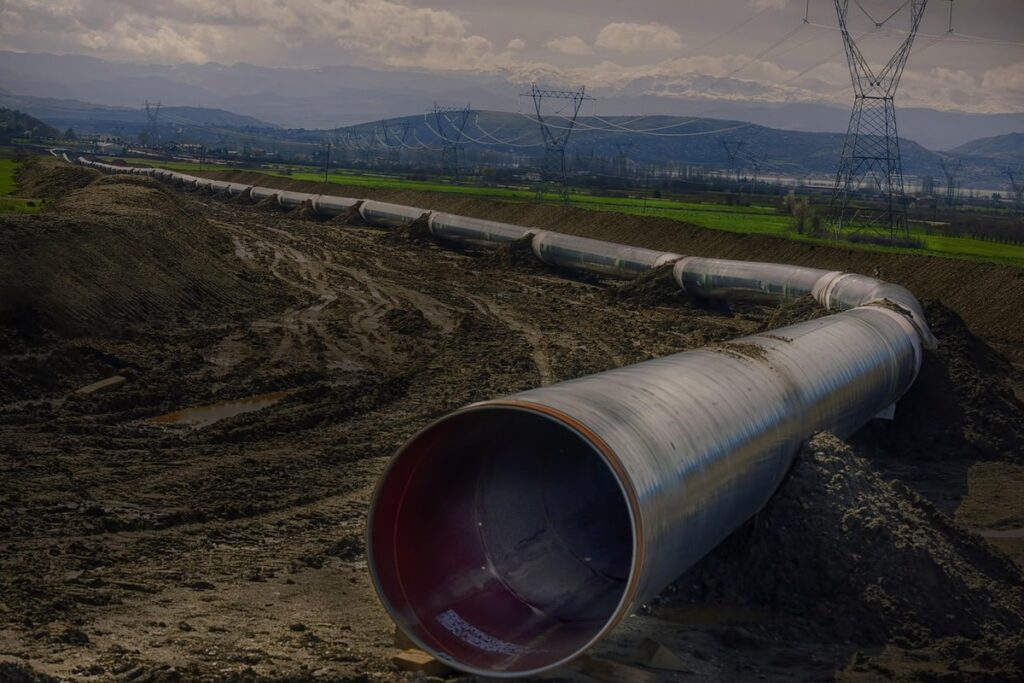
What is Rural Infrastructure?
So, you might be wondering what exactly constitutes rural infrastructure and how it impacts daily life for those living outside urban areas. We’re breaking down the basics to set a solid foundation for our discussion.
Defining Rural Infrastructure
Rural infrastructure encompasses a broad range of physical systems that support rural communities. At its core, it includes transportation networks like roads and bridges, which enable safe passage for people and goods. Public transportation is also crucial, with buses and other services connecting residents to urban areas and essential services.
Water supply and sewage systems are another vital component, providing clean drinking water and efficient waste management. Energy distribution infrastructure, including power lines and transmission towers, ensures a stable energy supply for homes and businesses. Telecommunications networks, such as cell phone towers and fiber-optic cables, facilitate communication and access to information.
In addition to these fundamental systems, rural infrastructure also includes amenities like schools, healthcare facilities, and community centers. These institutions provide essential services that improve the quality of life for rural residents and support local economic development. Understanding what constitutes rural infrastructure is crucial for identifying challenges and developing effective solutions to address them.
Importance of Rural Infrastructure
Rural infrastructure plays a critical role in supporting economic growth, improving healthcare outcomes, enhancing education, and overall quality of life in rural areas. For instance, reliable road networks enable farmers to transport their produce to markets, thereby increasing their income and contributing to local economic development. In contrast, inadequate or non-existent roads can lead to crop spoilage, reduced farm productivity, and decreased earnings.
In addition to its economic benefits, rural infrastructure is also crucial for healthcare delivery. Well-designed clinics and hospitals with adequate amenities and equipment help reduce maternal and infant mortality rates, while access to clean water and sanitation facilities prevents the spread of waterborne diseases. Moreover, reliable electricity supply enables medical professionals to use essential equipment, ensuring timely treatment and better patient outcomes.
The absence or inadequacy of rural infrastructure can have severe consequences for local communities. For example, schools may struggle with inadequate water supply, internet connectivity, or energy access, hindering student learning outcomes. As a result, it is essential to prioritize the development and maintenance of rural infrastructure to ensure that these critical services are available and accessible to all residents.
Challenges Facing Rural Communities
Rural communities often face unique challenges when it comes to accessing essential services and infrastructure, from limited transportation options to outdated utility systems. We’ll explore some of these difficulties up close.
Limited Access to Basic Services
Limited access to basic services is a pervasive issue in rural communities. Healthcare facilities, schools, and shopping centers are often scarce or non-existent, forcing residents to travel long distances for essential needs. For instance, in some rural areas, the nearest hospital might be an hour’s drive away, making emergency medical care inaccessible. This lack of infrastructure hinders residents’ daily lives, impacting their health, education, and economic opportunities.
In many cases, schools are understaffed or underfunded, leading to inadequate educational resources. Children may have to attend school in neighboring towns, taking up valuable time that could be spent on local economic activities. Similarly, shopping centers often lack basic amenities like grocery stores, pharmacies, or post offices, making it difficult for residents to access essential goods and services.
The absence of these basic services exacerbates rural poverty, as limited job opportunities and inadequate infrastructure make it challenging for people to earn a living. To address this issue, policymakers and community leaders must prioritize investments in rural infrastructure, ensuring that basic services are available to all residents. This might involve partnering with local businesses or organizations to establish mobile healthcare clinics, online learning platforms, or delivery services.
Aging Infrastructure and Maintenance Costs
Many rural communities struggle with aging infrastructure, including roads, bridges, and utilities. As these systems deteriorate, maintenance costs escalate, placing a significant burden on local budgets. In some cases, entire sections of road may need to be replaced due to extensive damage from erosion or weathering.
Aging water and sewage treatment plants can also pose serious health risks if not addressed promptly. In rural areas with limited resources, it’s often challenging to allocate sufficient funds for regular maintenance and upgrades. Furthermore, outdated systems frequently require costly repairs rather than straightforward replacements.
To put these costs into perspective, consider the following: a single bridge replacement project in a rural area can cost upwards of $2 million or more, depending on factors such as materials and labor requirements. Local governments often have to dip into emergency funds or issue bonds to finance these projects, which can divert resources away from other essential services.
In addition to the financial strain, aging infrastructure also poses significant safety risks for residents. Roads in disrepair can lead to accidents and injuries, while failed water treatment systems can leave communities vulnerable to contamination and outbreaks of disease.
Innovative Solutions for Rural Infrastructure Development
Rural infrastructure development often requires creative problem-solving, and innovative solutions can make a significant impact on local communities. Let’s take a closer look at some of these forward-thinking approaches.
Community-Led Initiatives
Community-led initiatives have emerged as a powerful force in improving rural infrastructure. These grassroots efforts often rely on crowdfunding platforms, volunteer work, and community engagement to mobilize resources and expertise. One notable example is the “Tool Library” project in rural Wisconsin, which provided residents with access to shared equipment and tools, reducing waste and promoting DIY skills.
Another example is the “Rural Broadband Initiative” in Nebraska, where a coalition of local organizations and businesses came together to raise funds and install fiber-optic internet infrastructure. This community-led effort has not only improved connectivity but also generated economic growth and opportunities for remote work.
Best practices from these projects highlight the importance of clear communication, community engagement, and collaboration with local stakeholders. Effective community-led initiatives require a deep understanding of the specific needs and challenges faced by rural communities. By leveraging local expertise and resources, these efforts can not only improve infrastructure but also foster a sense of ownership and pride among residents.
For instance, a small town in rural Australia used crowdfunding to fund the installation of solar-powered streetlights, significantly reducing energy costs and enhancing safety. These examples demonstrate that community-led initiatives can be a viable and effective solution for addressing rural infrastructure challenges.
Public-Private Partnerships (PPPs)
Public-Private Partnerships (PPPs) have emerged as a crucial financing mechanism for rural infrastructure development. By combining public sector investment with private sector expertise and funding, PPPs can help bridge the infrastructure gap in rural areas. One of the key benefits of PPPs is their ability to transfer risk from the government to the private sector, allowing for more efficient project delivery.
In rural settings, PPPs have been used to finance a range of projects, including roads, bridges, and water treatment facilities. For instance, the Indian government has partnered with private companies to develop rural infrastructure under its flagship program, “Smart Cities Mission.” Similarly, in the United States, the Federal Highway Administration (FHWA) has collaborated with private sector entities to improve rural road conditions.
However, PPPs also present challenges, such as high upfront costs and potential conflicts of interest. To mitigate these risks, it’s essential for governments to establish clear guidelines and regulations for PPP projects. Additionally, public agencies must ensure that they have the necessary capacity and expertise to effectively manage PPP partnerships.
In practice, successful PPP projects often rely on strong stakeholder engagement and transparent communication between government officials and private sector partners. This includes establishing clear goals, timelines, and budget expectations from the outset.
Digital Infrastructure and Rural Connectivity
The lack of reliable digital infrastructure is a major roadblock for rural communities, limiting access to essential services and economic opportunities. In this section, we’ll examine the challenges of bridging the digital divide in rural areas.
Broadband Access and e-Governance
Broadband access is a crucial aspect of rural infrastructure, with far-reaching implications for education, healthcare, and economic development. In rural areas, where schools often lack resources and libraries are scarce, high-speed internet allows students to access virtual classrooms, online educational platforms, and digital libraries. This helps bridge the knowledge gap between urban and rural communities.
In healthcare, broadband access enables telemedicine services, connecting rural patients with specialized medical professionals in cities. For instance, a study by the National Telehealth Policy Resource Center found that telemedicine can reduce hospital readmissions, improve patient outcomes, and increase access to care for underserved populations. Moreover, e-prescription systems and online appointment scheduling streamline healthcare delivery.
To improve digital governance in rural areas, initiatives like e-governance platforms and mobile apps provide citizens with easy access to public services, such as renewing licenses, paying taxes, and tracking government schemes. These platforms also enable citizens to participate in decision-making processes through online consultations and feedback mechanisms.
Smart Village Initiatives
Smart villages integrate technology with rural infrastructure to enhance services like energy management, waste collection, and water supply. This concept leverages digital solutions to improve the quality of life for rural residents. A key aspect of smart village initiatives is the implementation of renewable energy systems, which can significantly reduce reliance on grid electricity and lower energy costs.
For instance, solar-powered microgrids enable decentralized energy generation, reducing transmission losses and providing a reliable power source during outages. Additionally, smart waste management systems utilize sensors and IoT technology to monitor waste levels, optimize collection routes, and increase recycling rates.
To create a comprehensive smart village ecosystem, planners should consider the following elements:
- Energy-efficient infrastructure design
- Waste-to-energy conversion facilities
- Smart water management systems with real-time monitoring and leak detection
- Community engagement and education programs for effective system usage
Effective implementation of these technologies requires collaboration between local governments, private sector partners, and community stakeholders. By prioritizing technology-enabled solutions, rural communities can leapfrog traditional infrastructure development models and create more resilient, sustainable environments.
Case Studies and Success Stories
Let’s take a closer look at how other communities have tackled rural infrastructure challenges head-on, resulting in innovative solutions that work. We’ll examine real-life examples of successful projects that can inform your own community’s development efforts.
Successful Rural Infrastructure Projects
The following rural infrastructure projects have made significant strides in improving access to basic services, transportation, and economic opportunities for rural communities. For instance, the “Rural Digital Opportunity Fund” in the United States has invested $1 billion in broadband infrastructure to connect underserved areas. Similarly, Australia’s “Regional Connectivity Program” has funded over 100 community-led projects to upgrade telecommunications networks.
In Africa, the “e-Waste for Development” initiative in Rwanda has repurposed electronic waste into solar-powered lighting systems, providing clean energy and reducing reliance on fossil fuels. The Indian government’s “Swachh Bharat Abhiyan” program has invested heavily in rural sanitation infrastructure, improving hygiene and public health.
These projects demonstrate the importance of community engagement, innovative financing models, and strategic partnerships in delivering successful rural infrastructure initiatives. They also highlight the need for tailored approaches that address specific regional challenges and opportunities. By studying these examples, policymakers and practitioners can identify key factors contributing to their success and adapt them to local contexts, ultimately driving more effective and sustainable rural development outcomes.
Lessons Learned and Future Directions
Key takeaways from the case studies highlight the importance of community engagement and participatory planning in successful rural infrastructure projects. For instance, the successful implementation of a solar-powered water system in a remote village involved extensive consultation with local residents, who provided valuable insights into their specific needs and preferences.
Innovative financing models have also emerged as a key area for future research and development. One promising approach is the use of blended finance mechanisms that combine public and private sector funding to support rural infrastructure projects. This can help address the significant upfront costs associated with many rural infrastructure initiatives.
Emerging technologies such as smart grids, renewable energy systems, and digital platforms are poised to play a major role in shaping the future of rural infrastructure development. These technologies can improve efficiency, reduce costs, and enhance the overall quality of life for rural residents.
A small-scale pilot project could be an effective way to test and refine new technologies or financing models before scaling up to larger projects. By learning from these experiments and adapting them to local contexts, policymakers and practitioners can create more effective and sustainable rural infrastructure solutions.
Policy and Regulatory Frameworks
Government policies and regulations play a crucial role in shaping rural infrastructure development, often setting boundaries and guidelines for project implementation. Understanding these frameworks is essential to tackling infrastructure challenges in rural areas effectively.
Existing Laws and Regulations
The existing laws and regulations governing rural infrastructure development are complex and often inadequate for addressing the unique needs of rural communities. Funding mechanisms, such as the Rural Utilities Service (RUS) loan program, provide critical financial support for rural infrastructure projects, but these programs have limited availability and often come with restrictive conditions.
Permitting processes can be lengthy and bureaucratic, hindering timely project implementation. For example, the National Environmental Policy Act (NEPA) requires environmental impact assessments that can take years to complete, causing delays in project delivery. Additionally, zoning laws and land-use regulations can create obstacles for rural infrastructure development, particularly when it comes to siting new facilities or expanding existing ones.
Environmental considerations are also a critical aspect of rural infrastructure development. The Clean Water Act and the Safe Drinking Water Act regulate water quality standards and drinking water treatment requirements, respectively. However, these regulations often conflict with the needs of rural communities, where access to clean water and sanitation is limited. To address these challenges, policymakers must work to modernize existing laws and regulations to better serve the unique needs of rural communities.
Advocacy Efforts and Future Policy Directions
Advocacy groups and community leaders are pushing for policy reforms to address the unique challenges faced by rural areas. They’re advocating for increased funding for infrastructure development, simplified permitting processes, and more flexible regulations that allow for innovative solutions like community-led initiatives and public-private partnerships.
Specifically, they’re calling for changes to existing laws and regulations that currently favor urban areas or prioritize specific types of projects over others. For example, the Rural Infrastructure Financing Initiative is pushing for tax credits for investors who fund rural infrastructure projects, as well as streamlined permitting processes for small-scale projects.
In terms of future policy directions, there’s a growing interest in incorporating impact investing into rural development initiatives. This involves using financial returns to drive social and environmental outcomes, which can help attract more investment to rural areas. Additionally, there’s a need for more data collection and analysis on the effectiveness of current policies and programs, so that policymakers can make informed decisions about where to allocate resources.
Some experts also propose creating a national Rural Infrastructure Bank to provide low-cost financing options for small-scale projects. This could help level the playing field and give rural communities more access to funding opportunities.
Conclusion
Rural infrastructure is often viewed as a catch-all term for various challenges faced by rural communities. However, it encompasses more than just roads and bridges. It includes access to clean water, reliable electricity, and efficient communication networks. These essential services have a direct impact on the quality of life in these areas.
A comprehensive approach to addressing rural infrastructure involves understanding its interconnections. For instance, improving road conditions can also enhance access to healthcare and education facilities. Similarly, investing in renewable energy sources can reduce reliance on expensive fossil fuels and provide a more sustainable future for rural communities.
Ultimately, revitalizing rural infrastructure requires a multifaceted strategy that incorporates economic, social, and environmental considerations. By prioritizing these interconnected challenges and developing targeted solutions, we can create thriving rural communities with improved living standards and increased opportunities for growth and development.
Frequently Asked Questions
Can I implement community-led initiatives in my own rural community without significant funding?
Yes, many successful projects have been implemented with minimal financial resources by mobilizing local volunteers and utilizing crowdfunding platforms. This approach can help build community ownership and engagement.
What if a PPP is not feasible due to limited resources or competing priorities – are there alternative financing models I can consider?
While PPPs offer benefits, they may not be suitable for every project. Alternative financing options include grants from government agencies, non-profit organizations, or private foundations. These sources can help bridge funding gaps and support infrastructure development.
How do smart village initiatives integrate technology with rural infrastructure to improve services like energy management and waste collection?
Smart villages combine IoT sensors, data analytics, and renewable energy systems to optimize resource use and reduce waste. For example, solar-powered water pumps can be controlled remotely using mobile apps, reducing energy consumption and costs associated with traditional pumping methods.
Is there a way to balance the need for new infrastructure development with the maintenance of existing aging infrastructure?
Yes, many rural communities are adopting a “hybrid approach” that combines upgrading or replacing critical components of aging infrastructure while extending the life of other parts through regular maintenance. This can help spread resources more efficiently and prioritize projects based on urgent needs.
When implementing digital infrastructure like broadband access, how do I ensure equitable distribution of services among rural residents?
To address unequal access to digital services, consider implementing targeted initiatives that focus on underserved areas or communities with high poverty rates. Community outreach programs and partnerships with local organizations can also help identify the most pressing needs and develop tailored solutions.
