
The rapid spread of avian flu has sparked concerns globally, raising questions about its origins. The truth is that this highly contagious disease can emerge from both natural habitats and human activities. For instance, when migratory birds carrying the virus fly into areas where domestic poultry are kept, it can lead to a catastrophic outbreak. Similarly, intensive farming practices, lack of biosecurity measures, and poor waste management have been identified as significant contributors to the resurgence of avian flu. Understanding these causes is crucial for preventing the spread of this disease. This article will explore the complex interplay between natural habitats, human activities, and vaccination strategies in the context of avian flu prevention. By the end of it, you’ll be able to grasp the key factors driving the emergence of avian flu and learn how international cooperation can help mitigate its impact.
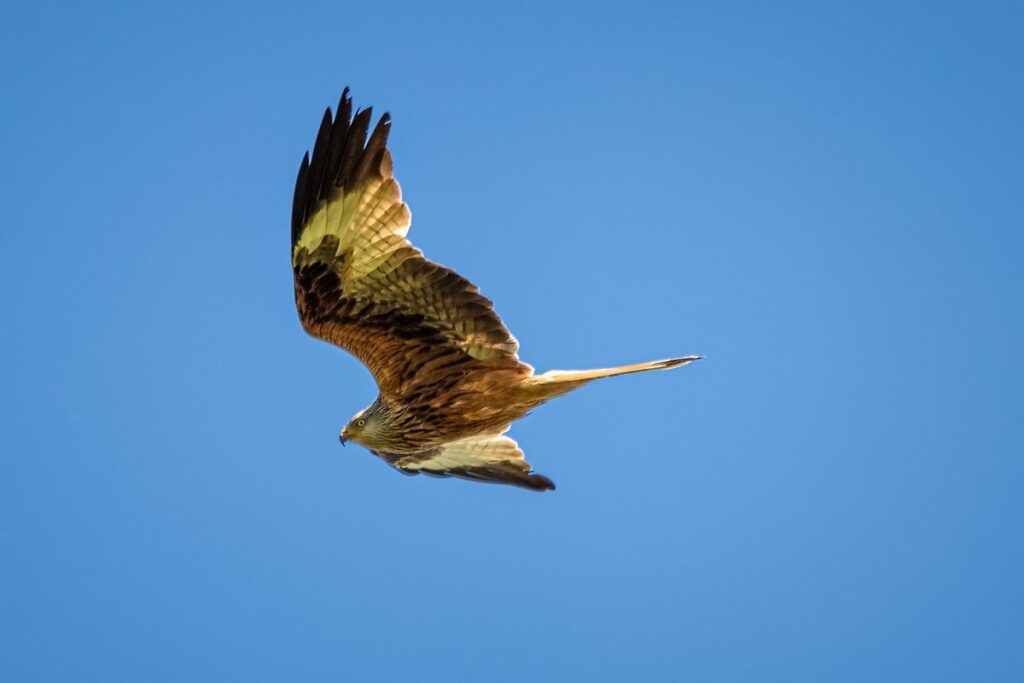
What is Avian Influenza?
Avian influenza, a viral disease affecting birds, can be caused by several factors including direct contact with infected waterfowl and contaminated environments. Understanding these causes is crucial to prevention efforts.
Definition and Overview
Avian influenza is a type of viral disease that affects birds, but also poses a significant risk to human health. It’s classified as a zoonotic disease, meaning it can be transmitted from animals to humans and vice versa. This makes avian flu a unique public health concern. Avian flu viruses are typically found in wild waterfowl, such as ducks and geese, but domesticated birds like chickens and turkeys can also become infected.
The impact of avian flu on both human and animal health is substantial. According to the World Health Organization (WHO), outbreaks have been reported in over 50 countries worldwide since 2003, resulting in millions of bird deaths and significant economic losses for farmers and industries that rely on poultry production. In humans, avian flu can cause severe respiratory illness, including pneumonia and acute respiratory distress syndrome.
The fact that avian influenza is a zoonotic disease highlights the need for close monitoring of both human and animal populations to prevent transmission and mitigate its effects. This includes implementing strict biosecurity measures in poultry farms, enforcing regulations on live bird markets, and educating communities about the risks associated with handling birds.
History of Avian Flu Outbreaks
Avian flu outbreaks have occurred sporadically throughout history. One notable example is the 1997 Hong Kong outbreak, which was caused by a subtype of H5N1 virus. In total, 18 humans died from avian influenza that year. The outbreak highlighted concerns about the zoonotic potential of bird flu viruses.
In Indonesia in 2004, an H5N1 outbreak occurred among poultry on a farm near Jakarta. This event led to significant losses for local farmers and sparked fears about the spread of avian flu worldwide. According to official reports, more than 30 people died from avian influenza in Indonesia that year.
Other notable outbreaks include those in Turkey (2005), Egypt (2006-2014), and China (2013-2017). These events demonstrate that avian flu can emerge at any time and in various locations. The exact causes of these specific outbreaks are not always clear, but it’s evident that a combination of factors – including habitat, behavior, human activities, and environmental conditions – contributed to their occurrence.
Some significant differences between these outbreaks include the virus subtypes involved, the species affected (e.g., poultry, wild birds), and the geographical locations.
Causes of Avian Influenza in Birds
Avian influenza is often caused by a combination of factors, including viral mutations and environmental stressors that weaken bird immune systems. We’ll explore these contributing elements further below.
Natural Causes: Habitat and Behavior
Habitat loss and fragmentation can have a significant impact on bird populations, making them more vulnerable to avian flu. When natural habitats are destroyed or reduced, birds may be forced to migrate to new areas, increasing the chances of contact with infected flocks. For example, deforestation in tropical regions has led to an increase in bird migration through agricultural areas, where they come into close proximity with domestic poultry.
Bird behavior also plays a crucial role in the spread of avian flu. Birds that are stressed or undernourished may be more susceptible to infection, and can potentially carry the virus for longer periods without showing symptoms. This is why it’s essential for bird keepers to provide their birds with a stress-free environment, including adequate food, water, and shelter.
Some bird species, such as waterfowl, are naturally migratory and may travel long distances in search of food or breeding grounds. These migrations can facilitate the spread of avian flu between different regions and even countries. Understanding these natural factors is critical to developing effective prevention and control strategies for avian flu outbreaks.
Human Activities: Factors Contributing to Spread
Poultry farming practices play a significant role in spreading avian flu. Intensive rearing of large numbers of birds in close proximity creates an ideal environment for the virus to spread quickly. Poor hygiene, inadequate ventilation, and overcrowding contribute to the rapid transmission of the disease among birds.
Trade and transportation also facilitate the spread of avian flu. Birds are often transported over long distances through markets and ports, increasing the risk of exposure to infected birds. In some cases, traders may transport live birds in unsanitary conditions, further exacerbating the problem.
Human activities such as hunting, poaching, and wildlife trade can also contribute to the spread of avian flu. For instance, hunters may inadvertently transport infected bird carcasses or feathers from one region to another. Similarly, wildlife trade involves capturing wild birds for sale as pets or for food, which can lead to the introduction of new viruses into a population.
To mitigate these risks, poultry farms and traders must adopt strict biosecurity measures, including proper sanitation, disinfection, and quarantine procedures. Additionally, regulations governing international trade in live birds and bird products should be enforced more rigorously to prevent the spread of avian flu through human activities.
Role of Animal-Human Interface in Avian Flu Transmission
The interface between animals and humans plays a crucial role in the transmission of avian flu, as we’ll examine how direct contact and contaminated environments facilitate the spread of the virus. This complex interaction highlights key factors to consider when understanding the causes of avian flu.
Poultry Farms as High-Risk Areas
Poultry farms are often considered high-risk areas for avian flu transmission due to their close living conditions. In these environments, birds are packed together in large numbers, making it easier for the virus to spread from bird to bird. Poor hygiene and sanitation practices on these farms also contribute to the risk of transmission. For example, inadequate cleaning and disinfection of feeders, waterers, and other equipment can allow the virus to linger.
Additionally, poultry farms often have a high turnover rate of birds, which means that a large number of new birds are introduced into the flock regularly. This can lead to the introduction of new viruses, including avian flu. Furthermore, the stress caused by changes in environment, handling, and other factors can weaken the immune system of the birds, making them more susceptible to infection.
To mitigate these risks, poultry farms should prioritize strict biosecurity measures, such as separating infected birds from healthy ones and implementing regular cleaning and disinfection protocols. This can help reduce the risk of transmission and prevent outbreaks. Regular monitoring for signs of illness is also crucial in detecting any potential problems early on.
Human Handling of Birds: A Risk Factor
When birds are handled improperly, it can lead to a higher risk of avian flu transmission. Butchering, slaughterhouse activities, and backyard farming all pose unique challenges for handling birds safely.
In industrial-scale poultry farms, the high volume of birds being processed can create an environment conducive to the spread of disease. Slaughterhouse workers often wear minimal protective gear, increasing their exposure to potentially infected birds. Inadequate disinfection procedures between batches can also contribute to the persistence of avian flu viruses on equipment and in facilities.
Backyard farming and small-scale poultry operations are particularly vulnerable due to limited resources and expertise. Homeowners may not have access to proper personal protective equipment (PPE), creating a risk for both themselves and their families. Moreover, these farms often lack stringent biosecurity measures, making it easier for viruses to spread between birds and potentially into surrounding communities.
To mitigate these risks, poultry farmers and handlers should prioritize proper training on avian flu prevention and biosecurity protocols. This includes regular hand-washing, disinfecting equipment, and maintaining a safe distance from infected birds.
Environmental Factors Contributing to Avian Flu Spread
Birds are often exposed to a multitude of environmental factors that can trigger the emergence and spread of avian flu, including water pollution and climate change. These conditions facilitate the transmission of the virus among wild bird populations.
Climate Change and Weather Patterns
Climate change is altering bird migration routes, habitats, and behavior, creating a perfect storm for avian flu spread. Rising temperatures and changing precipitation patterns are shifting the geographic ranges of birds, bringing them into closer contact with domestic poultry. This increased interaction between wild and domestic birds facilitates the exchange of pathogens, including the avian influenza virus.
Warmer winters are allowing some bird species to survive in areas previously inhospitable during cold months. For instance, the European Union’s warmer winters have seen an increase in migratory waterfowl arriving earlier than usual, sometimes even before the main growing season has begun. This influx of birds can lead to overcrowding and competition for resources on farms, making them more susceptible to disease.
Increased frequency and severity of extreme weather events, such as droughts and floods, are also altering bird habitats. These changes disrupt the natural balance between wild and domestic bird populations, creating conditions ripe for avian flu transmission. For example, severe flooding can contaminate water sources used by both wild and domestic birds, providing an avenue for disease spread.
A small number of studies have specifically looked at the relationship between climate change and avian influenza in various regions, including Europe and Asia.
Waterfowl and Wild Bird Populations
Waterfowl such as ducks and geese are natural carriers of avian flu viruses. These birds can harbor the virus without showing symptoms, making them a crucial factor in spreading the disease to other species. In addition to waterfowl, wild bird populations also play a significant role in the spread of avian flu.
Wild birds often migrate between continents and countries, carrying the virus with them. For example, studies have shown that migratory birds can travel thousands of miles without showing any signs of illness, yet they can still transmit the virus to other birds they come into contact with. When these birds encounter domesticated poultry or other wild bird populations, the risk of transmission increases.
The presence of waterfowl and wild birds in an area can also contribute to the persistence of avian flu viruses. These birds can continue to circulate the virus even after a major outbreak has been controlled, making it challenging for authorities to eradicate the disease entirely. As a result, it is essential for poultry farmers and wildlife managers to take measures to prevent contact between wild birds and domesticated flocks. This may involve implementing physical barriers, changing feeding practices, or using other control methods to minimize the risk of transmission.
Human Factors: Demographics and Behavior
Understanding avian flu requires a closer look at human behavior, including demographics that may be more susceptible to infection. Let’s examine how population trends and individual actions contribute to the spread of the disease.
Age and Vulnerability to Avian Flu
Older adults are disproportionately affected by avian flu infections, with a higher likelihood of severe outcomes. According to the World Health Organization (WHO), people aged 60 and above are at increased risk of complications from influenza viruses, including those that cause avian flu. This heightened vulnerability is attributed to declining immune function and an increased presence of underlying health conditions.
In addition to older adults, young children under five years old also face a higher risk of severe illness due to their immature immune systems. Infants born to mothers who contracted avian flu during pregnancy may be at an even greater risk of complications. These groups should take extra precautions when traveling or living in areas with reported avian flu cases.
It’s essential for individuals in these age groups to consult their healthcare providers about receiving the seasonal influenza vaccine, which can provide some protection against avian flu viruses. Furthermore, maintaining good hygiene practices, such as frequent handwashing and avoiding close contact with birds, can help reduce the risk of exposure.
Human Migration, Urbanization, and Travel
Human migration, urbanization, and travel create an environment conducive to the spread of avian flu. As people move from rural areas to cities, they may inadvertently transport infected birds or contaminated materials, thereby introducing the virus to new regions. This is particularly concerning in densely populated urban areas where the concentration of humans increases the potential for close contact between individuals.
For instance, during peak travel seasons, airports and transportation hubs become breeding grounds for the spread of infectious diseases. The mixing of people from various parts of the world creates an ideal environment for avian flu to emerge and circulate. Moreover, the increased movement of goods and cargo also poses a risk, as infected birds or contaminated materials can be transported undetected.
To mitigate this risk, public health officials must remain vigilant in monitoring human migration patterns, urbanization trends, and travel habits. Early detection and prompt response are crucial in containing outbreaks before they spread further. By understanding the complex interplay between human activities and avian flu transmission, we can better prepare for future outbreaks and develop targeted strategies to prevent their spread.
Prevention, Control, and Future Research Directions
Now that we’ve explored the causes of avian flu, let’s shift our focus to what can be done to prevent its spread and control outbreaks. We’ll examine key strategies for mitigating this disease.
Vaccination Efforts and Strategies
Vaccination efforts against avian influenza have been a key strategy in controlling outbreaks. However, developing effective vaccines is challenging due to the virus’s rapid mutation rate and antigenic shift. One major challenge is creating vaccines that provide long-term protection against multiple strains of the virus.
Some successes have been reported, particularly in reducing mortality rates among domestic birds. For example, vaccination programs implemented in countries like China and Indonesia have helped control outbreaks and reduce economic losses. However, these efforts often rely on costly mass vaccinations, which may not be feasible for many developing countries or small-scale poultry farmers.
To improve vaccine development and distribution, researchers are exploring more efficient and cost-effective strategies. These include using recombinant vaccines that can be produced in larger quantities and adapted to specific viral strains. Additionally, there is a growing focus on developing universal influenza vaccines that could provide protection against multiple subtypes of the virus. This would simplify vaccination efforts and make them more accessible to vulnerable populations worldwide.
International Cooperation and Surveillance
Effective international cooperation and surveillance are crucial for preventing and controlling avian flu outbreaks. This requires a coordinated effort among governments, health organizations, and scientific communities worldwide. One key aspect is the implementation of early warning systems that can detect emerging avian flu viruses. For instance, the World Health Organization (WHO) has established a global influenza surveillance network to monitor bird flu outbreaks in real-time.
This system enables countries to quickly respond to potential threats by sharing data, best practices, and resources. The WHO also collaborates with other organizations, such as the Food and Agriculture Organization (FAO), to develop strategies for controlling avian flu at the source. Additionally, some countries have implemented national surveillance systems that integrate data from multiple sources, including poultry farms, wildlife monitoring programs, and human health reports.
Examples of successful international cooperation include the joint efforts between the US and Mexico to control a major avian flu outbreak in 2004, and the collaborative research initiatives by European countries to develop new diagnostic tools for bird flu detection. By pooling resources and expertise, these efforts demonstrate the potential of global coordination in preventing and controlling avian flu outbreaks.
Frequently Asked Questions
What if I’m living near an area with avian flu outbreaks? Should I take precautions?
Yes. If you’re living near an affected area, follow local health guidelines and take preventive measures such as wearing masks in public, avoiding live poultry markets, and washing hands frequently.
How can I know whether the vaccination efforts for avian flu are effective in my region?
The effectiveness of vaccination efforts varies by region and year. You can check with your local health department or visit the World Health Organization’s website to see if they have reported any notable successes or challenges in your area. Consider consulting with a public health expert for more specific guidance.
What are some signs that avian flu is spreading among waterfowl and wild bird populations?
Be on the lookout for unusual bird behavior, such as sudden changes in migration patterns, increased mortality rates, or altered habitat usage. These indicators can signal an outbreak, prompting you to report concerns to local wildlife authorities.
Can I get vaccinated against avian flu if I’m not a poultry worker or healthcare professional?
While vaccination is primarily recommended for high-risk groups, some countries offer voluntary vaccination programs for the general public, especially in areas with ongoing outbreaks. Check with your national health authority or consult with a primary care physician to see if such options are available.
What if I’m traveling to an area with avian flu outbreaks? Are there any specific precautions I should take?
Yes. When traveling to affected regions, exercise caution by avoiding contact with live birds and poultry products, washing hands frequently, and adhering to local health guidelines. Consult your travel clinic or a healthcare professional for personalized advice tailored to your itinerary and destination.

