You might have come across the term “gilt hog” in decorative arts or industrial contexts, but do you know what it actually refers to? A gilt hog is a type of bronze casting that has been gold-plated, giving it a luxurious and eye-catching appearance. This technique has been used for centuries in various industries, from fine art to engineering, due to its unique combination of durability and aesthetic appeal. The gilt hog’s versatility makes it an attractive option for designers and manufacturers looking to add a touch of sophistication to their creations. In this article, we’ll explore the history, characteristics, and benefits of gilt hogs, as well as their applications in decorative arts, industrial design, and other fields. By the end of this guide, you’ll understand how gilt hogs are used in various industries and be able to identify them with confidence.
History and Origins
The gilt hog is a fascinating topic, and understanding its history and origins can help you appreciate its unique characteristics. Let’s take a closer look at how this remarkable animal came to be.
The Ancient Practice of Gilding
Gilding as an art form has its roots in ancient civilizations. Evidence of gilded artifacts dates back to around 2500 BCE in Egypt, where gold leaf was used to adorn temples and tombs. The process involved applying a thin layer of gold onto a surface using a mixture of egg whites, water, and gold dust. This technique was also employed by the ancient Greeks and Romans to create elaborate decorative pieces.
As civilizations evolved, so did the techniques for gilding. During the Middle Ages, craftsmen in Europe developed new methods, including using mercury to bind gold leaf onto surfaces. This led to a significant increase in the production of gilded artworks, including intricate book covers, ornate furniture, and majestic church decorations.
The Industrial Revolution brought about further advancements in gilding technology, with the introduction of electroplating and other chemical processes that enabled mass production of gilded items. However, this also led to a decline in traditional craftsmanship and the loss of some ancient techniques. Today, many artists continue to practice traditional gilding methods, while others experiment with modern materials and techniques to create innovative works of art.
Types of Gilded Hogs
Gilded hogs have been used in various forms throughout history, reflecting the cultural and practical needs of different civilizations. In ancient Greece and Rome, for instance, gilt hogs were employed as decorative elements in temples and public buildings. The Greeks often gilded bronze or terracotta statues of animals, including hogs, to create a sense of grandeur and opulence.
In contrast, the Romans tended to focus on using gilt hogs as symbols of wealth and status. They would frequently apply gold leaf to wooden sculptures of animals, which were then displayed in homes and public spaces as markers of their owners’ prosperity. The significance of these gilt hogs lay not only in their visual appeal but also in the prestige they conferred upon their owners.
Examples of gilt hogs can be found in various cultures around the world. In some African societies, gilded masks featuring hog-like features are used in ceremonial dances and rituals. Similarly, in Asian cultures, gilt hogs are sometimes depicted in intricate wood carvings or other decorative art forms. These diverse uses highlight the adaptability of gilt hogs as artistic expressions and status symbols across different historical periods and geographical regions.
What is a Gilt Hog?
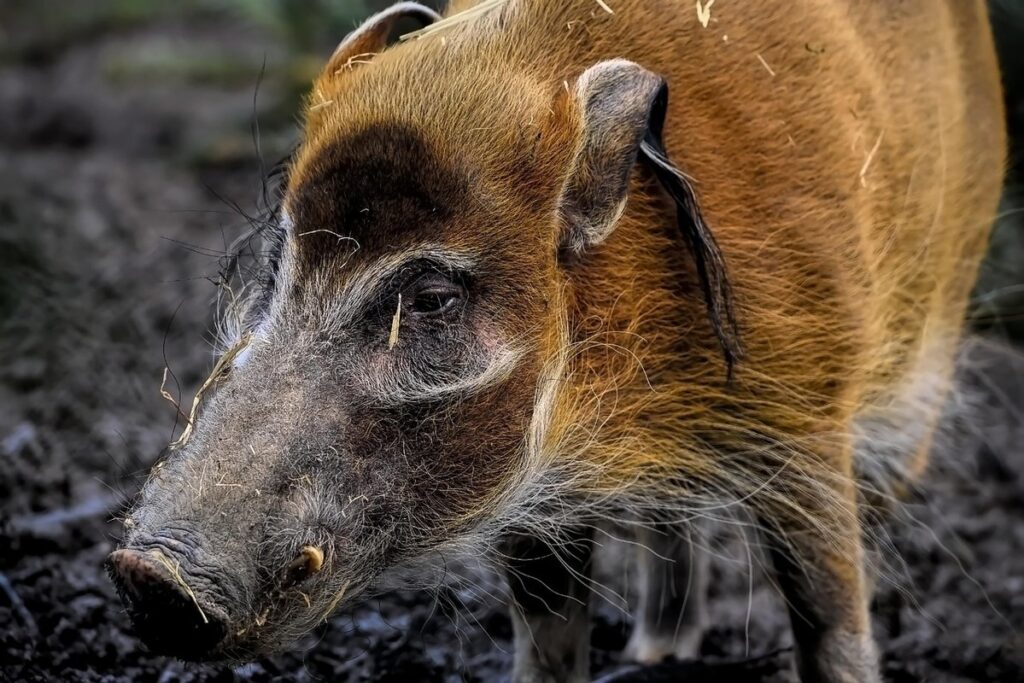
So, you’re wondering what exactly a gilt hog is? A gilt hog is actually a female pig that has not yet given birth to a litter of piglets.
Definition and Purpose
A gilt hog refers to a pig that has been bred and raised with specific characteristics for its meat and other uses. One of the defining features of a gilt hog is its female sex, which sets it apart from boar hogs. Gilt hogs are often used in agriculture for breeding purposes due to their high fertility rates. They can also be employed in various industrial applications, such as providing a source of protein-rich products.
The importance of gilt hogs lies in their ability to produce offspring with desirable traits. By cross-breeding gilt hogs with other breeds, farmers can create pigs that excel in specific areas, such as growth rate or meat quality. This selective breeding process has led to the development of various types of gilt hogs suited for different needs and industries.
In agriculture, gilts are typically bred for their reproductive capabilities and ability to produce high-quality offspring. They are often used in commercial pig farming operations due to their efficiency and productivity. In industry, gilt hogs can be used as a source of raw materials for various products, such as cosmetics or pharmaceuticals.
Process of Gilding
The process of gilding involves several key steps and techniques to achieve a durable, high-quality finish. Preparation begins with cleaning the hog’s surface to remove dirt, oil, and other contaminants that could interfere with adhesion. A specialized primer is then applied to create a strong bond between the metal and the subsequent gold layer.
Next, a thin layer of metal, typically copper or brass, is applied using electroplating or mechanical deposition. This provides a foundation for the gold layer and helps prevent it from flaking off over time. Once the metal layer is in place, a solution containing gold ions is applied to the surface through an electrolytic process.
The gold ions are deposited onto the metal substrate, forming a thin, even layer. The resulting finish can be polished to a high gloss or left matte, depending on the desired appearance. Throughout the process, quality control measures are essential to ensure the integrity and longevity of the gilt hog. Proper handling and storage also play a critical role in maintaining the finish over time.
Characteristics and Benefits
A gilt hog is a specific type of pig that offers several advantages over other breeds, including its unique characteristics and benefits. Let’s take a closer look at what makes gilts so valuable to farmers and breeders alike.
Physical Properties
Gilt hogs exhibit a unique combination of physical properties that make them an attractive option for various applications. Their durability is one of their standout characteristics, allowing them to withstand harsh environments and maintain their integrity over time. This is largely due to the gilt coating’s resistance to corrosion, which protects the underlying metal from degradation.
In terms of aesthetic appeal, gilt hogs have a distinctive appearance that can add visual interest to various settings. The gilt layer can be polished to a high shine, creating a reflective surface that can be used to advantage in decorative arts and other applications. However, it’s worth noting that the gilt coating can be prone to scratches and wear, which may compromise its appearance over time.
To maintain the appearance of gilt hogs, regular cleaning and polishing are essential. A gentle cleaning solution and soft cloth can help remove dirt and grime without damaging the gilt layer. It’s also important to handle gilt hogs with care, avoiding sudden movements or impacts that could cause damage. By taking these precautions, it’s possible to enjoy the benefits of gilt hogs for years to come.
Advantages in Industry
Gilt hogs are valued for their unique physical properties, which make them particularly useful in various industries. In construction, gilt hogs are prized for their exceptional durability and resistance to wear and tear. Their ability to withstand harsh weather conditions and heavy usage makes them an ideal choice for flooring, wall paneling, and other architectural features.
In art restoration, gilt hogs are used to create high-quality gilding materials that accurately replicate the look of traditional gold leaf. This is particularly important in historical preservation projects where maintaining authenticity is crucial. Gilt hogs can be used to recreate intricate designs and patterns on wooden surfaces, such as furniture or architectural details.
In decorative arts, gilt hogs are often used to create stunning decorative pieces like gilded mirrors, picture frames, and wall art. They offer a unique combination of texture, color, and reflectivity that adds depth and visual interest to any room. By using gilt hogs in these applications, artisans can achieve professional-looking results with ease.
Some notable advantages of working with gilt hogs include their:
• High density, which makes them resistant to scratches and dents
• Smooth, even surface, ideal for gilding and other decorative techniques
• Versatility in terms of color and texture options
• Long-lasting performance under heavy usage
Applications and Uses
Gilt hogs have a wide range of practical uses, from agriculture to food production, making them an essential animal for various industries. We’ll explore these uses in more detail below.
Decorative Arts
Gilt hogs are often prized for their decorative arts applications, particularly in furniture making. A gilt hog can be used to create intricate designs and patterns on surfaces such as wood, metal, or even ceramics. For instance, a skilled craftsman might apply a thin layer of gilding paste to the surface of a chair leg, using a gilt hog to achieve a delicate, lace-like pattern.
In jewelry-making, gilt hogs are used to add a touch of luxury and sophistication to designs. A gilt hog can be used to create intricate filigree patterns or to apply a thin layer of gold to a pendant or ring. The result is often breathtakingly beautiful, with the subtle sheen of the gilding adding depth and visual interest to the piece.
When working with gilt hogs in decorative arts, it’s essential to select the right type of gilt hog for the project. Some gilt hogs are specifically designed for use on delicate surfaces or for creating fine details, while others are better suited for larger areas or coarser textures. By choosing the right gilt hog and following proper techniques, craftsmen can create stunning pieces that showcase their skill and artistry.
Industrial Applications
Gilt hogs are widely used in industrial applications due to their unique properties. In machinery and equipment, gilt hogs provide a durable and corrosion-resistant coating for moving parts. This helps extend the lifespan of components and reduce maintenance needs. For instance, some manufacturers use gilt hogs on gearboxes, bearings, and axles.
In addition to extending component life, gilt hogs also enhance performance in certain scenarios. By reducing friction between moving parts, they can improve efficiency and cut energy costs. In high-temperature applications, such as those found in oil refineries or chemical plants, gilt hogs help maintain material integrity even when exposed to extreme conditions.
When selecting a gilt hog for industrial use, consider factors like operating temperature range and exposure to chemicals. Not all gilt hogs are suitable for every environment, so ensure you choose one that meets your specific needs. A small minority of industries may also benefit from using specialized coatings in conjunction with gilt hogs.
Preservation and Restoration
To keep a gilt hog healthy, it’s essential that breeders know how to preserve its unique characteristics through careful management of its living environment. This includes regular cleaning and maintenance.
Challenges and Solutions
Gilt hogs are sensitive to environmental changes, making them susceptible to cracking and fading. Temperature fluctuations can cause the gilding to expand and contract, leading to cracks and damage. Additionally, exposure to direct sunlight can accelerate the aging process, causing the gold leaf to become brittle and prone to flaking off.
To mitigate these issues, it’s essential to store gilt hogs in a stable environment with minimal temperature changes. A climate-controlled storage area is ideal, but if this isn’t feasible, ensure that the gilt hog is kept away from direct sunlight and heat sources.
When restoring a gilt hog, conservators must be gentle when handling the gilding, as it can easily be damaged. They may use specialized techniques such as consolidation or re-gilding to repair damaged areas. In some cases, it’s necessary to remove old gilding before applying new layers, which requires great care to avoid damaging the underlying surface.
A key consideration in preserving and restoring gilt hogs is the type of adhesive used during the gilding process. Some adhesives can break down over time, causing the gold leaf to detach from the surface. Identifying the correct adhesive and using a suitable replacement can help ensure the long-term stability of the gilt hog.
Best Practices for Handling
To maintain the integrity of gilt hogs and prevent damage, proper handling and storage are crucial. When moving gilt hogs, use a stable and secure base to prevent them from toppling over. Avoid exposing them to extreme temperatures, as this can cause the gilding to crack or flake off.
When storing gilt hogs, keep them away from direct sunlight and moisture, which can also lead to damage. Store them in a well-ventilated area with a consistent temperature between 60°F to 70°F (15°C to 21°C). Avoid stacking them on top of each other, as this can cause pressure on the gilding.
Clean gilt hogs regularly using a soft-bristled brush and mild soap solution. Avoid using harsh chemicals or abrasive materials that can damage the surface. For gilt hogs with intricate details or carvings, use a small, soft-bristled brush to clean these areas gently.
In addition to regular cleaning, consider storing gilt hogs in a protective covering when not on display. This can be a breathable cloth or paper wrapping that prevents dust accumulation and protects the gilding from damage.
Conclusion
Now that we’ve explored what makes a gilt hog unique, let’s summarize our key takeaways and solidify your understanding of these fascinating animals.
Recap and Reflection
In reviewing the key points covered throughout this article, it’s clear that understanding what a gilt hog is and its significance can have far-reaching implications. A gilt hog is a pig that has been gilded, meaning it has undergone a process where a layer of metal, typically gold or another precious material, is applied to its skin. This practice dates back to ancient times and was initially used for decorative purposes.
As we’ve explored in this article, gilt hogs have unique physical properties that make them valuable in various industries. Their gilded coats can be used in decorative arts, adding a touch of luxury and sophistication to any setting. Moreover, the process of gilding has also been adapted for industrial applications, where it’s used to create durable and resistant surfaces.
One of the most important takeaways from this article is that gilt hogs are not just a curiosity or an anomaly; they have practical uses and benefits that can be leveraged in different contexts. By understanding the characteristics and advantages of gilt hogs, individuals and industries can tap into their potential and reap rewards.
To put this knowledge into practice, consider the following: if you’re planning to use gilt hog products in your business or home, look for those that have been properly handled and preserved. This will ensure that the gilded coat remains intact and retains its value. Additionally, be aware of the challenges associated with preserving and restoring gilt hogs, such as maintaining their delicate coatings and avoiding damage from environmental factors.
By keeping these points in mind, you can appreciate the importance of understanding gilt hogs and how they fit into various contexts. Whether you’re an artist, a designer, or simply someone interested in learning more about this unique topic, recognizing the significance of gilt hogs will help you navigate their uses and applications with confidence.
Frequently Asked Questions
Can I gilt hog my own property?
You can try gilding your own property, but it’s recommended to hire a professional with experience in the process. Gilt hogs require specialized equipment and knowledge to apply correctly, and improper application can lead to damage or safety hazards.
What if I want to use gilt hogs in a specific industry that wasn’t mentioned in the article?
While the article covers various industries that use gilt hogs, there are many more applications beyond what’s listed. When considering using gilt hogs in an unmentioned industry, research their compatibility and potential benefits with your specific needs.
How do I know if my gilt hog is genuine or a reproduction?
Authenticating gilt hogs can be challenging without expertise. Look for documentation from reputable sources, inspect the material and craftsmanship, and consider consulting with a professional conservator or restorer for guidance.
Can I use gilt hogs in areas exposed to high humidity or extreme temperatures?
Gilt hogs are generally durable but can be affected by environmental conditions. When exposing gilt hogs to harsh environments, take precautions such as using protective coatings or installing climate control systems to maintain optimal conditions.
Are there any specific handling and storage requirements for gilt hogs during transportation?
When transporting gilt hogs, it’s essential to store them in a secure, stable environment with minimal exposure to light and moisture. Consider custom-made containers or crates that provide adequate protection during transit.