
Wheat grains are a staple food in many cultures around the world, providing essential nutrients like fiber, iron, and B vitamins. But despite their nutritional benefits, wheat grains have also been linked to potential health risks, particularly for those with gluten intolerance or sensitivity. Whether you’re a seasoned baker or just starting out, understanding the uses and cultivation practices of wheat grains is crucial for making informed choices about your diet. From whole wheat bread to pasta and cereals, wheat grains are a versatile ingredient that can be used in countless ways. This article will explore the nutritional benefits, uses, and potential health risks associated with wheat grains, including common allergens and how they’re cultivated. By the end of this article, you’ll have a comprehensive understanding of what wheat grains offer and how to incorporate them into your lifestyle safely and effectively.
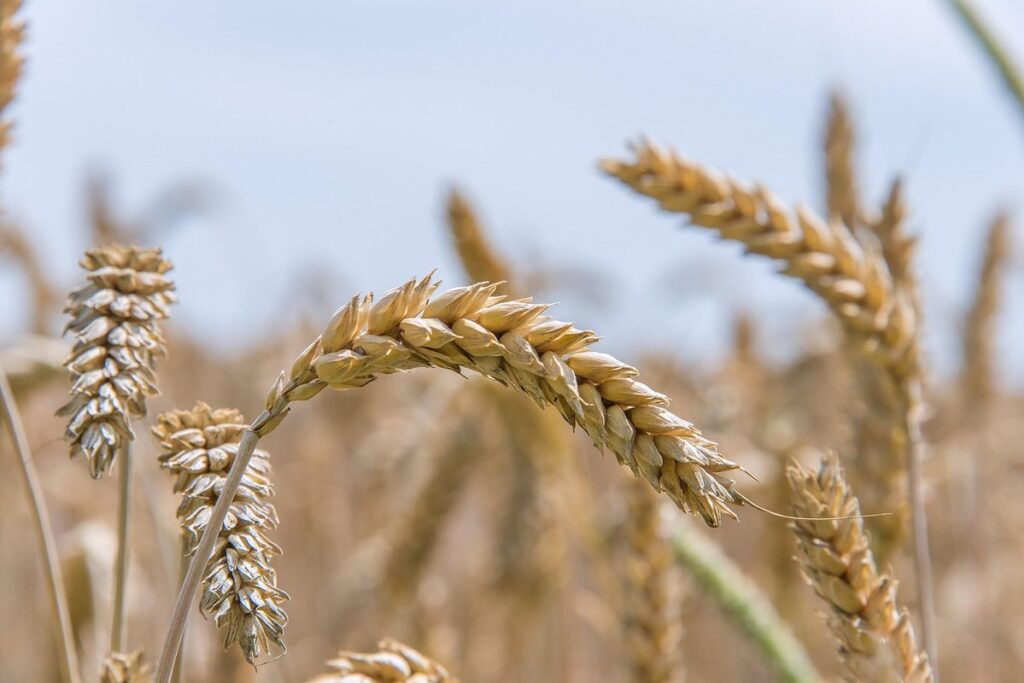
What Are Wheat Grains?
Wheat grains are a staple food globally, and understanding what they are can help you appreciate their versatility and benefits. Let’s start by exploring the different types of wheat grains that grow on wheat plants.
Definition and Types of Wheat
Wheat grains are classified into different types based on their protein content and gluten strength. The main types of wheat are hard red winter wheat, soft white wheat, hard white wheat, and durum wheat. Hard red winter wheat is high in protein and gluten, making it ideal for bread-making and other baked goods that require structure and chewiness. Soft white wheat, on the other hand, has a lower protein content and is often used for cakes, pastries, and other delicate baked products.
Another classification system categorizes wheat into four main groups: hard wheat, soft wheat, durum wheat, and club wheat. Hard wheat includes hard red winter wheat and hard white wheat, while soft wheat encompasses soft white wheat and other low-protein varieties. Durum wheat is high in protein and gluten, making it suitable for pasta production and other products that require strength and texture.
It’s essential to note that different regions may have unique classifications or names for specific types of wheat. For example, some countries may refer to hard red winter wheat as “bread wheat” or “all-purpose wheat.” When working with wheat grains, understanding the type and classification can help you choose the right variety for your recipe or application.
History of Wheat Consumption
Wheat consumption has a rich and diverse history spanning over 10,000 years. Archaeologists have discovered evidence of wheat cultivation dating back to the Fertile Crescent region around 7000 BCE. From there, it spread to ancient civilizations such as Egypt, Greece, and Rome, where it became a staple food source.
In ancient Mesopotamia, wheat was used to make bread, a staple food for the ruling class. The Egyptians developed advanced techniques for wheat cultivation and storage, allowing them to produce high-quality bread for their pharaohs. In contrast, the ancient Greeks and Romans prized wheat as a luxury item, often using it to make sweet breads and pastries.
Wheat consumption continued to spread throughout history, with different cultures developing unique ways of preparing and consuming it. For example, in medieval Europe, wheat was used to make coarse bread for peasants, while in Asia, wheat was incorporated into noodle and pastry dishes. Today, wheat remains a vital component of many cuisines around the world, from traditional breads to innovative modern recipes.
Nutritional Benefits of Wheat Grains
Wheat grains are a rich source of essential nutrients, including fiber, iron, and B vitamins. Let’s take a closer look at the specific nutritional benefits they provide for our bodies.
Protein Content and Amino Acid Profile
Wheat grains are a good source of protein, containing about 12-15% protein on average. However, the quality and quantity of protein can vary depending on the type of wheat. For instance, hard red winter wheat tends to have slightly higher protein content than soft white wheat.
Amino acid profile is another crucial aspect to consider when evaluating the nutritional value of wheat grains. The essential amino acids found in wheat include lysine, threonine, and tryptophan. However, wheat lacks methionine and cysteine, making it a poor source for vegetarians and vegans who rely on plant-based protein sources.
To make up for this deficiency, whole grain wheat is often paired with other legumes or protein-rich foods in traditional cuisines. For example, in Middle Eastern cuisine, whole wheat bread is frequently served with hummus or falafel. This combination provides a more balanced amino acid profile and supports overall protein intake. By understanding the limitations of wheat as a protein source, you can better plan your meals to ensure adequate nutrition.
Fiber and Mineral Content
Wheat grains are a rich source of dietary fiber and essential minerals. The high fiber content in wheat helps regulate digestion by promoting regular bowel movements and preventing constipation. A high-fiber diet also contributes to satiety, making it easier to maintain a healthy weight. Whole wheat products, such as whole wheat bread and pasta, contain more fiber than refined or processed versions.
The mineral content of wheat is equally impressive. Wheat grains are a good source of iron, particularly for individuals with iron deficiency anemia. Iron plays a crucial role in transporting oxygen throughout the body. Additionally, wheat contains phosphorus, magnesium, and manganese – minerals that support bone health, energy production, and antioxidant defenses.
To maximize the benefits of wheat’s fiber and mineral content, it’s essential to choose whole grains over refined or processed products. When shopping for bread or pasta, opt for products labeled as “100% whole wheat” or “whole grain.” Cooking with whole wheat also allows you to retain more nutrients compared to boiling or processing.
A daily intake of 25-30 grams of fiber from whole wheat sources can have a significant impact on overall well-being.
Uses of Wheat Grains in Cooking
Wheat grains are incredibly versatile, and one of their most appealing qualities is the variety of dishes they can be used to make. From hearty breads to comforting pasta sauces, we’ll explore some creative ways to cook with wheat.
Baking and Pastry Making
When working with wheat grains in baking and pastry making, you have a vast array of options for breads, cakes, and pastries. Whole wheat flour is a popular choice for artisanal breads, adding nutty flavor and texture to crusty loaves. However, whole wheat can also be used in sweeter baked goods like muffins or cookies.
For pastry making, all-purpose wheat flour is often the preferred choice due to its light texture and neutral flavor. This type of flour is ideal for delicate pastries like croissants or puff pastry. Hard red winter wheat, with its high protein content, is also well-suited for yeast-based doughs and can produce a more robust crumb.
To create flaky layers in pastry dough, it’s essential to keep the butter cold and handle the dough gently. When making bread, use a slow-rising method to develop the gluten, which will give your loaf structure and texture. By understanding the unique characteristics of different wheat grains and how they interact with ingredients and techniques, you can unlock a wide range of possibilities in baking and pastry making.
Pasta and Noodle Production
Pasta and noodle production involves transforming wheat grains into various shapes, sizes, and textures. The process typically begins with durum wheat semolina, which is milled from high-protein hard wheat varieties such as durum or bread wheat. Semolina’s coarse texture allows it to hold its shape during extrusion, a crucial step in creating pasta and noodle forms.
To produce different pasta shapes, manufacturers adjust the size of the holes on their extruders, which can range from tiny for delicate strands like angel hair to large for chunky pappardelle. The dough’s moisture content also plays a significant role; higher water levels result in softer, more prone-to-sticking pastas.
Some popular types of pasta and noodles include:
- Spaghetti: A classic long, thin shape with a smooth surface.
- Udon: Thick, white Japanese noodles made from wheat flour and water.
- Ramen: Thin, curly noodles originating from China but now widely consumed in Japan.
Pasta and noodle production also varies depending on the intended texture. For instance, egg-based pasta doughs create a more delicate, yellowish color, while water-based doughs result in whiter, starchier pastas.
Wheat Grain Varieties and Cultivation
Wheat is a diverse crop, with numerous varieties cultivated worldwide for their unique characteristics and uses. Let’s take a closer look at some of the most popular wheat grain varieties and how they’re grown.
Hard Red Winter vs. Soft White Wheat
Hard red winter wheat and soft white wheat are two distinct varieties with varying characteristics that affect their usage in baking and cooking. The primary difference lies in their protein content: hard red winter wheat typically contains 12-14% protein, while soft white wheat has a lower protein content of around 8-10%. This difference in protein affects the texture and structure of baked goods.
Hard red winter wheat produces breads with a coarser crumb and chewier texture due to its higher gluten content. Soft white wheat, on the other hand, yields tender and fine-textured baked products, making it ideal for delicate pastries and cakes. When substituting one variety for another, keep in mind that hard red winter wheat can be used in recipes calling for soft white wheat, but not vice versa.
To use these varieties effectively, consider their strengths: hard red winter wheat is suitable for hearty breads and dense baked goods, while soft white wheat excels in light and airy confections. When selecting a wheat variety for your recipe, factor in the desired texture and flavor profile to ensure optimal results.
Monoculture vs. Polyculture Farming Practices
Monoculture farming practices involve growing a single crop, such as wheat, on a large area of land. This approach can lead to soil degradation and reduced biodiversity. For example, intensive wheat farming in the Great Plains region of the United States has contributed to soil erosion and decreased water quality.
In contrast, polyculture farming involves growing multiple crops together, including wheat, legumes, and vegetables. This approach promotes ecological balance, improves soil health, and increases crop resilience. A study published in the Journal of Sustainable Agriculture found that polycultures outperformed monocultures in terms of yield and nutrient retention.
Polyculture farming also allows for more efficient use of resources, such as water and fertilizers. For instance, growing wheat with legumes can reduce nitrogen requirements by 50%. Additionally, polycultures tend to require fewer pesticides and herbicides, minimizing the impact on beneficial insects and microorganisms.
When adopting a polyculture approach, consider selecting crops that complement each other in terms of growth habits, nutrient uptake, and pest resistance. Some examples include planting wheat with clover or beans to improve soil fertility and reduce weed pressure.
Potential Health Risks Associated with Wheat Grains
Some people may experience adverse health effects after consuming wheat grains, and certain individuals are more susceptible to these issues. Let’s examine some of the potential health risks associated with wheat consumption in detail.
Gluten Intolerance and Celiac Disease
Gluten intolerance and celiac disease are two distinct conditions that affect individuals who consume gluten, a protein found in wheat grains. Celiac disease is an autoimmune disorder where the ingestion of gluten leads to damage in the small intestine, causing malabsorption of nutrients. Gluten intolerance, on the other hand, refers to non-celiac gluten sensitivity (NCGS), where symptoms similar to celiac disease occur after consuming gluten, but without intestinal damage.
Symptoms of both conditions can range from mild to severe and may include abdominal pain, diarrhea, fatigue, and joint pain. In severe cases, untreated celiac disease can lead to malnutrition, osteoporosis, and an increased risk of certain cancers. Those with gluten intolerance or celiac disease must follow a strict gluten-free diet to manage their symptoms.
To identify whether you have gluten intolerance or celiac disease, consult a healthcare professional for a proper diagnosis. They may recommend blood tests or intestinal biopsies to confirm the presence of antibodies or damage in the small intestine. If diagnosed with either condition, it’s essential to read food labels carefully and avoid cross-contamination with gluten-containing foods to maintain your health and well-being.
High Glycemic Index and Blood Sugar Control
Wheat grains tend to have a high glycemic index (GI), which means they can cause a rapid spike in blood sugar levels. This is particularly concerning for individuals with insulin resistance, type 2 diabetes, or those who are trying to manage their blood sugar levels. A high GI food is defined as one that raises blood glucose by more than 20 mg/dL above the baseline level.
When wheat grains are consumed, they break down into simple sugars during digestion. This process triggers an increase in insulin production, which can lead to fluctuations in blood sugar levels. Over time, frequent exposure to high-GI foods like wheat may contribute to insulin resistance and worsen metabolic health. Whole wheat products are not necessarily a better option; even whole grain breads and pastas can have a GI similar to that of refined white flour.
Incorporating low-to-moderate GI foods into your diet, along with regular physical activity and a balanced meal plan, may help mitigate the effects of high-GI wheat consumption. Some examples of lower GI alternatives include brown rice, quinoa, or whole grain oats.
Conclusion: The Importance of Wheat Grains in Our Diet
Wheat grains are an essential part of a balanced diet, providing numerous health benefits and nutritional value. Rich in fiber, vitamins, and minerals, whole wheat grains help lower cholesterol levels, regulate blood sugar, and promote digestive health. In contrast to refined carbohydrates, whole grain wheat contains more nutrients and antioxidants that combat chronic diseases such as heart disease, diabetes, and certain cancers.
Including a variety of whole grain wheat products in your diet can be achieved by substituting white bread with whole wheat, opting for brown rice instead of white, and choosing whole wheat pasta over regular. Cooking methods like baking or steaming preserve the nutrients found in these grains, while frying tends to strip them away. Aim for three servings a day to reap the benefits, incorporating sources such as quinoa, farro, bulgur, and whole grain cereals into your meals.
Frequently Asked Questions
Can I Use Wheat Grains in Place of Other Carbohydrates for Low-Carb Diets?
Yes. Wheat grains can be used as an alternative to other carbohydrates like rice, corn, or potatoes for low-carb diets due to their relatively low carb content and high fiber content. However, it’s essential to consider the specific type of wheat grain and its nutritional profile when making substitutions.
How Do I Store Wheat Grains to Maintain Their Nutritional Value?
To maintain the nutritional value of wheat grains, store them in an airtight container in a cool, dry place away from direct sunlight. It’s also crucial to keep them at room temperature or below 50°F (10°C) for short-term storage.
Can I Grow My Own Wheat Grains if I Have Limited Space?
Yes, it is possible to grow your own wheat grains even with limited space. Consider using compact varieties like ‘Red Fife’ or ‘Kamut,’ which are more adaptable to small-scale farming and can thrive in smaller plots.
What If I’m Following a Gluten-Free Diet? Can I Still Use Wheat Grains?
While traditional wheat grains contain gluten, there are some types of wheat that are naturally low in gluten, such as Kamut or spelt. However, if you have celiac disease or severe gluten intolerance, it’s best to consult with a healthcare professional for personalized dietary advice.
How Do I Know Which Type of Wheat Grain is Best for My Specific Needs?
When selecting the right type of wheat grain for your needs, consider factors like protein content, fiber content, and nutritional requirements. For example, if you’re looking for a high-fiber option, choose whole wheat or Kamut over refined white flour.
