
White aphids can quickly become a major problem for plant enthusiasts, as these tiny insects feed on sap, causing curled or distorted leaves. If left unchecked, white aphid infestations can weaken plants and even lead to the spread of diseases. To prevent this from happening, it’s essential to be able to identify the signs of an infestation early on. In this article, we’ll cover how to recognize the telltale white cottony patches that indicate a white aphid problem, as well as effective control measures and prevention strategies for managing these pests. By learning how to identify, prevent, and manage white aphid infestations, you’ll be able to protect your plants from damage and keep them healthy. By the end of this article, you’ll know exactly what steps to take to get rid of white aphids on your plants once and for all.
Understanding White Aphids
White aphids can be tricky to understand, but knowing their life cycle and behavior is crucial for effective control measures. We’ll break down what you need to know about these pesky pests.
What Are White Aphids?
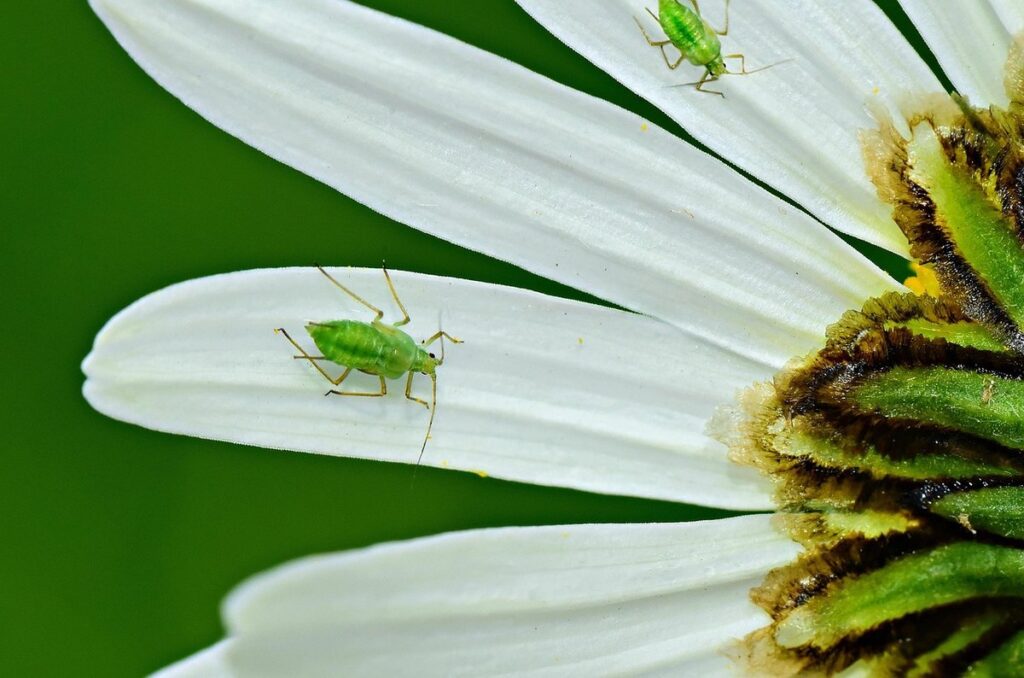
White aphids are a type of sap-sucking insect that can infest various plant species. Their feeding behavior is unique: they pierce plant tissue to suck out sap, which provides them with nutrients. As a result, white aphids can weaken plants by depriving them of essential resources.
One of the most distinctive characteristics of white aphids is their ability to secrete a sticky substance called honeydew. This sweet, viscous liquid drips from infected plants and attracts other insects, such as ants and bees, which feed on it. Moreover, honeydew provides an ideal environment for sooty mold growth: a type of fungus that covers plant surfaces in a dark, powdery layer.
The presence of white aphids can be detrimental to plant health. By sucking sap, they disrupt the plant’s ability to carry out photosynthesis and transport water and nutrients throughout its system. This can lead to weakened growth, stunted development, and increased susceptibility to disease and pests.
Life Cycle and Reproduction
White aphids reproduce rapidly, with some species able to complete their life cycle in as little as 7-10 days. This brief period is crucial for their survival and allows them to quickly colonize new areas of a plant or garden.
A key factor contributing to this rapid reproduction is the aphid’s ability to produce live young without mating. Many white aphid species can reproduce parthenogenically, meaning they can produce offspring that are genetically identical to themselves. This unique reproductive strategy enables them to rapidly adapt to changing environments and exploit new food sources.
As a result, white aphid populations can grow exponentially in a short amount of time. A small infestation can quickly become severe if left unchecked. To manage this issue effectively, gardeners should be aware of the life cycle and reproduction habits of white aphids. Understanding these factors will help inform control measures and prevention strategies to mitigate their impact on plants. This knowledge is essential for developing targeted approaches that address the root causes of white aphid infestations.
Causes and Triggers of White Aphid Infestations
White aphids can infest plants due to various factors, including temperature fluctuations, humidity levels, and nearby infested plants. Understanding these underlying causes is key to preventing future infestations.
Plant Stress and Weakened Immune Systems
Plants under stress are more prone to white aphid infestations. When a plant’s immune system is weakened due to environmental factors like extreme temperatures, drought, or flooding, it becomes vulnerable to attacks from aphids. This is because stressed plants have reduced chlorophyll production, which affects their ability to produce defense compounds that repel aphids.
Environmental stressors can also disrupt the plant’s natural hormone balance, making it more susceptible to pest infestations. For example, a plant exposed to prolonged drought may not be able to regulate its water intake properly, leading to an imbalance in its hormone system and a weakened immune response.
In addition to environmental factors, disease or pests can also weaken a plant’s immune system, making it easier for white aphids to take hold. When plants are struggling with internal infections, their energy resources are redirected towards fighting the infection rather than producing defense compounds that would normally repel aphids.
To mitigate this issue, gardeners should focus on providing optimal growing conditions and monitoring their plants’ health regularly. By identifying and addressing stress factors early on, growers can help strengthen their plants’ immune systems and reduce the likelihood of white aphid infestations.
Poor Gardening Practices and Lack of Maintenance
Regular monitoring of plants is crucial to detecting white aphid infestations early on. Failing to check plants regularly can lead to a rapid increase in aphid populations, as these pests often go unnoticed until they have caused significant damage. To maintain healthy plants and prevent white aphid infestations, it’s essential to inspect your plants frequently, looking for signs such as sticky honeydew droplets, curled or distorted leaves, and the presence of live aphids.
Pruning and repotting plants when necessary can also help prevent white aphid infestations. Overcrowding in planters can contribute to the problem, as dense foliage provides a conducive environment for aphids to thrive. By pruning back overgrown branches and repotting plants into well-ventilated containers with fresh potting mix, you can reduce the likelihood of an infestation occurring. Additionally, make sure to handle pruned material carefully to avoid transferring white aphids to other areas of your garden or indoors.
Symptoms and Signs of White Aphid Infestation
White aphids can be sneaky, making it tricky to detect an infestation. Let’s take a closer look at the common symptoms and signs that indicate your plant is under attack.
Visible Signs on Plants
White aphids are often visible on plants, especially on new growth or areas with high humidity. They may appear as small, white, cottony patches or clusters. These patches can be mistaken for powdery mildew or mealybugs at first glance, but they’re actually colonies of aphids.
One way to identify these patches is by gently brushing them off the plant with your finger. If it’s a colony of white aphids, you’ll likely see small, moving dots underneath. This method works best for identifying clusters on stems and branches.
In addition to cottony patches, individual white aphids can be visible to the naked eye. They’re usually around 1-2 millimeters in length and have a pear-shaped body with long legs. If you look closely, you might see them walking along the underside of leaves or stems.
It’s worth noting that white aphids are more noticeable on plants with new growth, as they tend to colonize tender shoots and buds. Areas with high humidity also provide an ideal environment for these pests to thrive.
Damage to Plant Tissue and Reduced Growth
The sucking action of white aphids can cause significant damage to plant tissue. As they feed on sap, they inject saliva that contains toxins and enzymes, which break down the cell walls and disrupt nutrient transport within the plant. This can lead to a range of problems, including reduced growth rates and stunted development.
One notable effect is the curling or distortion of leaves, stems, and flowers. The physical damage can also create entry points for fungal diseases and other pests, further compromising plant health. In severe cases, the damage may be so extensive that it leads to premature defoliation or even plant death.
In addition to direct tissue damage, white aphids can also reduce growth rates by depleting the plant’s nutrient reserves. Aphid saliva contains compounds that inhibit the production of plant hormones, such as auxins and gibberellins, which regulate cell elongation and division. As a result, plants may struggle to produce new leaves, flowers, or fruits, ultimately affecting their overall productivity and yields.
Control Measures for White Aphid Infestations
To effectively manage white aphid infestations, it’s essential to implement control measures that target both the current population and future outbreaks. We’ll explore these essential strategies in more detail below.
Integrated Pest Management (IPM) Techniques
Using a combination of physical barriers, biological controls, cultural practices, and chemical controls can provide effective management of white aphid infestations through Integrated Pest Management (IPM) techniques. Physical barriers like fine mesh or fine netting can be placed around plants to prevent white aphids from reaching them.
Biological controls involve introducing natural predators or parasites that feed on white aphids, such as lady beetles or lacewings. These beneficial insects can help regulate the population of white aphids without harming other plant life. Some examples of biological controls include releasing parasitic wasps that lay their eggs inside white aphid colonies, ultimately killing them.
Cultural practices like pruning infested areas, improving air circulation around plants, and maintaining a healthy soil environment can also help prevent white aphid infestations. These practices create an environment that’s less conducive to the growth and reproduction of white aphids. Chemical controls should be used as a last resort and always follow the recommended application rates to avoid harming other beneficial insects or plant life.
A well-rounded IPM plan might include a combination of these techniques, tailored to the specific needs of your plants and garden environment.
Organic and Chemical Controls
When dealing with white aphid infestations, it’s essential to consider both organic and chemical control methods. Organic approaches can be effective in mild cases, but severe infestations may require a more targeted solution.
Introducing natural predators is one organic method that can help control white aphids. Lady beetles and lacewings are two examples of beneficial insects that feed on aphids. These predators can be purchased online or introduced to your garden through local nurseries. It’s crucial to ensure these introductions occur at the right time, as they may not be effective against established infestations.
Neem oil is another organic control option for white aphids. This plant-based pesticide disrupts the insect’s hormone system, preventing them from reproducing. Apply neem oil directly to affected areas, following the product’s instructions and taking necessary precautions to avoid harming other beneficial insects. Chemical pesticides may be necessary in severe cases or when other methods are ineffective. However, their use should always follow integrated pest management (IPM) principles, minimizing harm to non-target species and the environment.
Prevention Strategies for White Aphid Infestation
To effectively manage white aphid infestations, it’s crucial to understand and implement prevention strategies that target their life cycle. We’ll explore the most effective methods to keep these pests at bay.
Choosing Resistant Plant Varieties
When selecting plant varieties for your garden, choosing resistant options can significantly reduce the risk of white aphid infestation. White aphids are more likely to target plants with weakened immune systems, so opting for robust and disease-resistant varieties is a good starting point.
Some popular plant varieties that exhibit resistance to white aphids include:
• ‘Solenia’ begonias, which have been bred specifically to resist aphid infestations
• ‘Tuffet’ roses, known for their natural resistance to pests
• Some marigold and nasturtium species, which release chemical compounds that repel aphids
When selecting resistant varieties, be aware that ‘resistance’ doesn’t necessarily mean ‘immunity.’ Plant breeders often combine multiple traits to create more robust plants. These combinations can increase the plant’s overall resilience but may not eliminate the risk of infestation entirely.
In addition to choosing resistant varieties, consider factors like climate and soil conditions when selecting plants for your garden. This will help you create an environment that minimizes stress on your plants and reduces their vulnerability to pest attacks.
Implementing Good Gardening Practices
Regular monitoring of plants is crucial to prevent white aphid infestations. Check for signs of stress, such as yellowing leaves or stunted growth, and take corrective action promptly. Prune damaged or diseased branches to reduce the risk of aphids spreading. Repotting plants can also help to refresh their soil and provide a clean environment.
When repotting, choose a well-draining potting mix to prevent waterlogged soil that can exacerbate stress factors. Consider uprooting plants during the dormant season when they are less susceptible to shock. Avoid over-fertilizing, as this can weaken plant immunity and make them more vulnerable to aphid attacks.
Some common mistakes to avoid include letting weeds compete with your plants for resources and failing to provide adequate support for tall or heavy plants. These stressors can compromise plant health and create an environment conducive to white aphids. By staying on top of maintenance tasks, you can help prevent the buildup of conditions that attract these pests.
Case Studies and Examples of White Aphid Infestations
Let’s take a look at real-life scenarios where white aphids have wreaked havoc on plants, from gardens to greenhouses. These case studies showcase the severity of infestations in different environments.
Real-Life Scenarios and Lessons Learned
Examining real-life scenarios where white aphid infestations have occurred can provide valuable insights into how to prevent and manage these pests effectively. A greenhouse in California experienced a severe white aphid infestation due to a combination of factors, including high temperatures and inadequate air circulation. The owner reported that the plants were under stress from frequent watering, which weakened their immune systems and made them more susceptible to pest attacks.
In another instance, a gardener in New York noticed that her roses were developing white aphids despite using organic gardening practices. Further investigation revealed that the soil was contaminated with pesticides from nearby agricultural fields, which had compromised the plants’ natural defenses. This case highlights the importance of considering external factors when trying to manage pests on your property.
A small-scale farmer in Australia lost a significant portion of his crop to white aphids due to poor gardening practices. He had neglected to rotate crops and prune plants regularly, creating an ideal environment for pest reproduction. This experience illustrates the need for regular maintenance and attention to detail in order to prevent infestations.
In each of these scenarios, lessons can be learned about effective management strategies. For example, ensuring proper air circulation, maintaining soil health, and adopting integrated pest management techniques can help mitigate the risk of white aphid infestations. By examining real-life examples like these, gardeners and farmers can gain practical insights into how to prevent and manage white aphid infestations on their properties.
Frequently Asked Questions
How Long Does it Take to See Results After Implementing Control Measures?
It can take anywhere from a few days to several weeks to see results after implementing control measures for white aphid infestations. This timeframe depends on the severity of the infestation, the effectiveness of the chosen control methods, and the overall health of the plant.
Can I Use Chemical Pesticides as a Last Resort, or Are There Health Risks Involved?
Yes, chemical pesticides can be used as a last resort in severe cases of white aphid infestations. However, it’s essential to use them with caution and follow the recommended safety guidelines to minimize health risks.
What if I’ve Already Introduced White Aphids to My Garden; Can I Prevent Future Infestations?
Yes, introducing resistant plant varieties, practicing good gardening habits, and maintaining a balanced ecosystem can help prevent future infestations. Regular monitoring and pruning will also reduce the likelihood of aphid reproduction.
Is it Possible to Compost Aphid-Infested Plants or Will They Harm My Soil?
No, composting aphid-infested plants is not recommended as they may still contain live aphids or their eggs. It’s best to dispose of infested plants by bagging them and placing them in the trash to prevent spreading the problem.
Can I Use Neem Oil on Plants That Are Prone to Burning or Sensitive to Chemicals?
Yes, neem oil can be used as an effective organic control measure for white aphids. However, start with a small test area on your plant to ensure it doesn’t cause any adverse reactions before applying it to the entire infested area.
