Raising sheep can be a lucrative and rewarding venture for small-scale farmers, offering a sustainable source of income through high-quality wool and meat production. However, managing a flock effectively requires careful attention to health and nutrition. Poorly managed sheep herds can lead to reduced yields, lower quality products, and increased veterinary costs. You may already know the benefits of raising sheep, but successfully integrating them into your farm or homestead requires a deep understanding of their specific needs. This comprehensive guide will walk you through the essential steps for raising healthy sheep, including how to optimize nutrition, prevent disease, and maximize wool and meat production. By the end of this article, you’ll be equipped with the knowledge to raise a thriving flock that contributes positively to your farm’s bottom line.
Benefits of Raising Sheep
Raising sheep can be a rewarding experience, and one of the greatest advantages is the potential for generating income through wool sales. We’ll explore some of the most significant benefits of raising these versatile animals.
Advantages of a Small-Scale Sheep Farm
A small-scale sheep farm offers numerous advantages, making it an attractive option for farmers looking to diversify their operations. Firstly, raising sheep contributes significantly to sustainable farming practices by utilizing land that might otherwise be underutilized. Sheep are versatile grazers that can thrive on marginal lands, reducing the pressure on prime agricultural areas.
In addition to their role in sustainable farming, sheep are renowned for producing high-quality wool. With proper care and management, a small flock can yield a substantial quantity of premium wool, which can be sold directly to textile manufacturers or processed into value-added products like yarn and fabric. This provides an additional revenue stream for the farmer.
Sheep also offer a reliable source of meat production, with breeds such as Suffolk and Hampshire providing high-quality lamb and mutton. By managing their flock effectively, farmers can tap into niche markets, such as organic or grass-fed meat, which command premium prices. For example, some small-scale sheep farms have found success by focusing on producing lamb for specialty butcher shops or restaurants.
When selecting breeds for a small-scale operation, it’s essential to consider factors like hardiness, adaptability, and fertility. By choosing breeds that suit their local climate and management style, farmers can optimize their returns while minimizing inputs.
Potential Income Streams from Sheep Farming
You can sell breeding stock to other farmers looking to start their own flock. This is a lucrative option for experienced breeders who have developed high-quality sheep with desirable traits such as fertility, growth rate, and wool quality. You can also earn income from lamb at different stages of growth, including weaned lambs suitable for finishing on feedlots or grazed out in paddocks.
Value-added products are another potential source of income. This includes wool, which can be processed into yarn, felt, or other textile products. Sheep dairy goods like cheese and butter can also be produced and sold directly to consumers or retailers. Consider the feasibility of value-adding on your farm by evaluating factors such as equipment costs, labor requirements, and market demand.
Some farmers choose to sell their lamb at different stages of growth to cater to various market segments. For example, you may sell weaned lambs to finishers who feed them out for meat production. Alternatively, you can raise lambs to maturity and sell them directly to consumers or butchers. To maximize returns, it’s essential to understand the target market and the specific needs of each customer segment.
Choosing the Right Breed for Your Operation
When it comes to raising sheep, selecting a breed that fits your farm’s needs and resources is crucial. With so many breeds to choose from, narrowing down the options can be overwhelming.
Selecting a Hardy and Adaptable Breed
When selecting a sheep breed, it’s essential to consider the climate, region, and desired production level. A hardy and adaptable breed will be more resilient to local conditions and easier to manage. Start by researching breeds that are well-suited for your area. For example, in hot climates, look for breeds with heat tolerance such as the Dorper or the White Dorper.
In contrast, breeds like the Rambouillet or the Merino excel in cooler temperatures. If you’re new to sheep farming, consider a breed that’s known for its gentle nature and ease of handling, such as the Jacob or the East Friesian. These breeds are often used for dairy production and are less likely to cause stress on your operation.
When deciding between terminal and non-terminal breeds, consider your goals. Terminal breeds, like the Suffolk or the Hampshire, are bred specifically for meat production and will reach market weight quickly. Non-terminal breeds, such as the Shetland or the Soay, are often used for their wool quality and can be kept for multiple years.
When choosing between these options, think about your resources and infrastructure. If you have limited space, a non-terminal breed may be more suitable due to its slower growth rate.
Understanding the Needs of Different Breeds
Sheep breeds vary significantly in terms of their physical characteristics, which directly influence their feeding requirements, health considerations, and management needs. For instance, Merinos are bred for their fine wool, requiring a more extensive grazing area to maintain the quality of their fleece. On the other hand, Dorset Horns have a high reproductive rate and can thrive on poor-quality pasture.
Some breeds, like the Shetland, are hardy and adaptable but require careful management due to their small size and potential for overgrazing. Others, such as the Rambouillet, are sensitive to heat stress and demand more shade and ventilation in hot climates.
When choosing a breed, consider not only their productivity but also their specific needs regarding nutrition, health, and handling. A few key factors to keep in mind include:
• Forage quality: Certain breeds require high-quality forage to maintain optimal health.
• Water availability: Some breeds are more sensitive to water scarcity than others.
• Parasite resistance: Breeds with natural parasite resistance can reduce the need for deworming medications.
• Handling and management: Consider the breed’s temperament and adaptability when selecting a flock.
Setting Up a Sheep Farm or Flock
When starting your sheep farm or flock, choosing the right breed and selecting a suitable location are crucial decisions that will impact the health and productivity of your animals. Let’s start by covering the basics of setting up a profitable sheep operation.
Land Preparation and Infrastructure
When preparing land for a new flock of sheep, it’s essential to consider both short-term and long-term needs. Start by assessing the condition of the pasture: does it have adequate cover, or will you need to bring in hay or silage? Evaluate the soil quality, as this will impact your decision on whether to fertilize or till.
Fencing is a critical aspect of sheep farming, as it protects both your flock and neighboring properties. Choose materials that are durable and easy to maintain, such as wood or metal posts with high-tensile wire. Ensure the fencing extends at least 30 inches above ground level to prevent jumping.
For shelter options, consider building a three-sided shed or investing in portable sheep shelters. These provide protection from wind, rain, and sun exposure during hot summer months. Install watering systems that are easy for your flock to access, such as automatic drinkers or simple troughs with fresh water.
When creating pasture management plans, remember that overgrazing can lead to soil degradation and reduced feed quality. Rotate pastures regularly, allowing each section to recover before moving the flock back in. By following these guidelines, you’ll be able to create a thriving environment for your sheep.
Equipment Needs for Sheep Handling and Management
When it comes to managing a sheep flock, having the right equipment is crucial for ensuring safety and efficiency. Shearing gear is essential for regular shearing sessions, which not only maintain the health of your sheep but also improve their quality of wool or fleece. You’ll need a good-quality shearing machine, shears, and combs that are suitable for your breed and size of flock.
Sorting panels are another vital piece of equipment for managing your flock. These allow you to separate and move individual animals around the farm with ease, making tasks like vaccinations and health checks much simpler. Health check supplies, such as stethoscopes, thermometers, and vaccination guns, should also be readily available.
It’s also worth considering investing in a scale or weighbridge for monitoring your sheep’s weight gain and loss over time. This information is invaluable for adjusting feeding and nutrition strategies to optimize growth rates and overall health. In terms of storage, you’ll need secure enclosures for vaccinations, medications, and other supplies that need to be kept separate from the main flock area.
Health Considerations and Disease Management
When it comes to raising sheep, understanding health considerations and disease management is crucial for a healthy flock. Let’s discuss common diseases and parasites that can affect your sheep.
Vaccinations and Regular Health Checks
Regular vaccinations are crucial to protect sheep from diseases such as Clostridium perfringens (overeating disease) and Mannheimia haemolytica (shipping fever). A typical vaccination schedule for sheep includes core vaccines against these diseases, along with non-core vaccines that address regional health concerns. Consult a veterinarian to determine the best vaccine protocol for your flock based on factors like breed, age, and environmental conditions.
Core vaccinations are usually administered annually or biennially, depending on local regulations and disease prevalence. Non-core vaccines may be required more frequently, especially if your sheep are exposed to specific risks such as ticks or parasites. For instance, in areas with a high incidence of lungworm, a vaccine against this parasite is often recommended.
In addition to vaccinations, regular health checks are essential for early detection and treatment of diseases. These checks should involve monitoring for signs of illness, checking vital signs like temperature and pulse, and performing routine examinations of the fleece, eyes, and ears.
Recognizing Signs of Illness in Sheep
Recognizing signs of illness in sheep is crucial to preventing the spread of disease within your flock. Sheep are often good at hiding their symptoms, so it’s essential to observe them closely and know what to look for. Respiratory infections, such as pneumonia, can be identified by a persistent cough, labored breathing, or discharge from the nostrils.
Parasites like internal worms and external lice can cause weight loss, diarrhea, and skin irritation in affected sheep. Nutritional deficiencies can lead to problems like scours (diarrhea) in young lambs, or conditions such as rickets and osteomalacia in adult sheep due to a lack of vitamin D.
It’s also important to monitor your flock for signs of heat stress, which can be fatal in extreme cases. Look out for symptoms like panting, lethargy, and dark-colored urine. Keep an eye on your sheep during hot weather, especially if they’re not well-shaded or have limited access to water.
Some common illnesses in sheep include footrot (a bacterial infection that causes lameness) and mastitis (an inflammation of the udder). Regular health checks can help identify these issues early on. When inspecting your flock, look for any unusual behavior, such as a decrease in appetite or changes in droppings.
Managing Flock Nutrition and Feed
When it comes to raising healthy sheep, providing a balanced diet is crucial for their growth and productivity. In this section, we’ll cover essential tips on feeding and nutrition to ensure your flock thrives.
Understanding the Nutritional Needs of Sheep
Sheep have distinct nutritional needs at different stages of their life cycle. Lactating ewes require a diet rich in energy and protein to support milk production and fetal development during pregnancy. A good rule of thumb is to increase the ewe’s feed allowance by 10-15% during lactation, providing high-quality hay and grains. For instance, a mature ewe might be fed 2-3 pounds of grain per day.
Lambs, on the other hand, need adequate protein and calcium for growth and development. A diet rich in fiber from grass or alfalfa hay is suitable for lambs. As they grow, lambs can transition to a mix of grass and grains. It’s essential to ensure access to clean water at all times.
Breeding stock also requires attention to specific nutritional needs. Rams need a balanced diet to maintain fertility and overall health. A breeder might supplement their feed with minerals or vitamins as needed. For example, phosphorus is crucial for bone development in rams. The key is to provide a well-rounded diet that meets the unique needs of each stage of a sheep’s life cycle.
Options for Forage and Supplemental Feeding
When it comes to providing forage and supplemental feeding options for your sheep flock, you have a range of choices available. Pastures are an ideal option if you have suitable land with good quality grasses and adequate water supply. However, pasture alone may not be sufficient during periods of drought or when sheep are in early stages of lactation.
Hay is another common feed supplement that can be used to fill nutritional gaps in the flock’s diet. There are different types of hay available, including alfalfa, clover, and grass hay. Each type has its own set of characteristics and benefits, so it’s essential to choose the one that best suits your sheep’s needs.
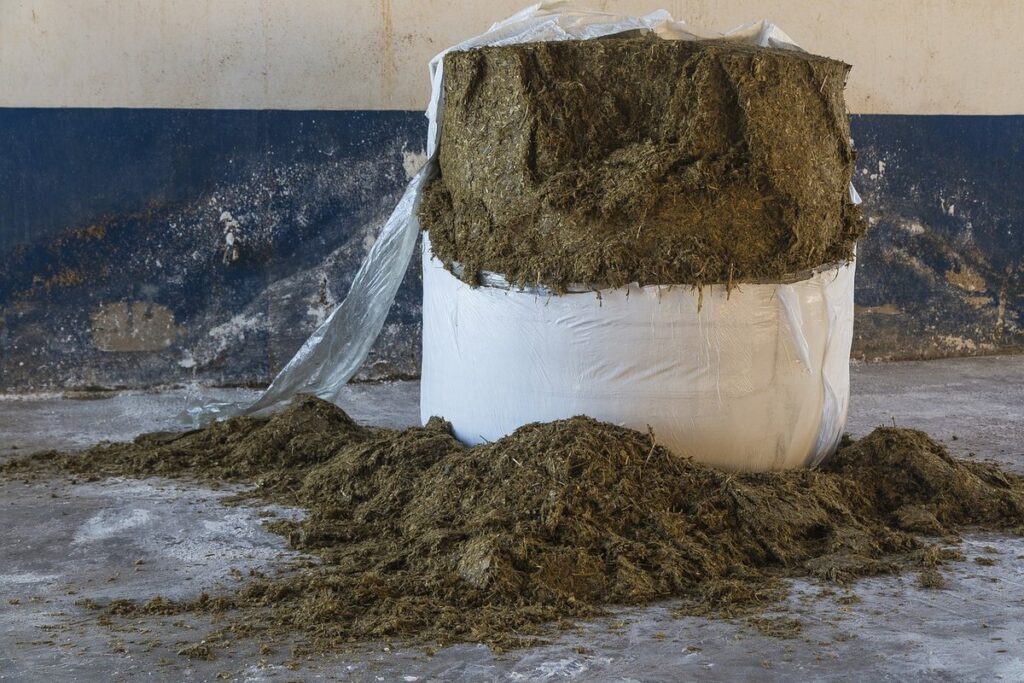
Silage is a fermented feed made from high-moisture crops like corn or sorghum. It’s often used as a cost-effective alternative to hay and concentrates. Concentrates, on the other hand, are high-energy feeds typically made from grains like oats or barley. They’re usually fed in limited quantities due to their high energy content.
When selecting a feeding strategy, consider factors such as your flock’s age, breed, and nutritional requirements. For example, young lambs may require more energy-dense feed than mature ewes.
Marketing Your Sheep Products
If you’re raising sheep for their wool, milk, or meat, selling your products can be a crucial part of your operation. This section will offer practical tips on promoting and marketing your sheep products effectively.
Identifying Target Markets and Niche Opportunities
Sheep farmers can capitalize on emerging trends in consumer demand by identifying target markets and niche opportunities. A growing interest in sustainable and locally sourced products has created a lucrative market for producers who can emphasize the environmental benefits of their sheep-raised wool, meat, or dairy products. For instance, many consumers are willing to pay a premium for clothing made from organic, chemical-free wool.
To differentiate themselves, producers can develop unique value propositions based on their farm’s specific characteristics. This might involve highlighting the farm’s commitment to regenerative agriculture practices, its proximity to urban areas, or its involvement in local conservation efforts. Effective branding strategies also play a crucial role in capturing market share. Producers can leverage social media platforms and online marketplaces to showcase their products and build relationships with customers.
Some potential niche opportunities include catering to the demand for artisanal cheeses, developing specialty wool blends, or creating value-added products such as soap or lotion made from sheep’s milk. By focusing on these emerging trends and tailoring their marketing strategies accordingly, producers can establish a strong reputation in their target markets and build a loyal customer base.
Effective Strategies for Selling Sheep Products Directly to Consumers
Successful farm-to-table marketing approaches have proven to be effective strategies for selling sheep products directly to consumers. For instance, Red Wagon Farms in Oregon sells its lamb products directly to consumers through a community-supported agriculture (CSA) program. This approach not only generates revenue but also fosters stronger relationships between farmers and consumers.
Other successful examples include farm visits and on-farm sales. By allowing customers to see the sheep farming operation firsthand, farmers can educate them about their production methods and build trust in their products. On-farm sales events can be a great way to connect with customers and generate revenue.
Farmers can also leverage online platforms to sell their products directly to consumers. This approach is particularly useful for small-scale sheep farms that have limited marketing resources. Online platforms such as farmers’ markets, social media groups, and e-commerce websites provide opportunities for farmers to showcase their products and connect with potential buyers.
When selling sheep products directly to consumers, it’s essential to highlight the unique value proposition of farm-to-table products. This can include emphasizing the quality, freshness, and nutritional benefits of the products, as well as sharing the story behind the farming operation.
Frequently Asked Questions
What If I’m New to Animal Husbandry and Don’t Know Where to Start with Raising Sheep?
Start by gaining hands-on experience through volunteering or internships on existing sheep farms. This will give you practical knowledge of handling, feeding, and health management before investing in your own flock. Research local resources, such as extension services or online forums, for guidance specific to your region’s climate and regulations.
How Do I Balance Providing Adequate Nutrition with Managing Feed Costs on a Small-Scale Sheep Farm?
Prioritize quality over quantity by focusing on nutrient-dense feed options like pasture management and rotational grazing. Consider consulting with a veterinarian or animal nutritionist to develop a tailored feeding plan that suits your specific breed, climate, and budget constraints.
Can I Raise Sheep in an Urban Setting, or Do They Require Large Amounts of Land?
Yes, you can raise sheep in urban settings, provided you have sufficient space for grazing and shelter. Consider using vertical farming techniques or container gardening to maximize space efficiency. Research local zoning regulations and ordinances before starting your urban flock.
What If I Notice My Sheep Are Developing a Health Issue – How Do I Know When to Seek Professional Help?
Act promptly if you notice any unusual behavior, such as lethargy, loss of appetite, or respiratory distress. Consult with a veterinarian experienced in sheep health for guidance on diagnosis and treatment. Keep detailed records of vaccinations, health checks, and medication administered to aid in identifying potential causes of illness.
Can I Diversify My Income Streams Beyond Selling Meat and Wool by Creating Value-Added Products?
Yes, value-added products like dairy goods, woolen garments, or natural soaps can increase revenue streams and differentiate your farm. Research consumer demand trends, invest in relevant equipment, and develop a marketing strategy to effectively promote these new offerings.