As a livestock owner, you know that providing high-quality hay is essential for your animals’ health and well-being. But with so many options available, choosing the right type of hay can be overwhelming. Not all hay is created equal, after all. Some types are better suited to certain climates or animals, while others have unique benefits or drawbacks. For example, alfalfa hay is rich in protein but can be expensive, whereas timothy hay is a more affordable option with its own set of advantages. In this comprehensive guide, we’ll explore the various types of hay, their benefits and drawbacks, and provide you with expert advice on how to choose the right one for your livestock. By the end of this article, you’ll be able to select the perfect type of hay for your animals’ needs, ensuring they stay healthy and happy all year round.

Understanding Hay and Its Importance
Hay is a fundamental component of equine nutrition, providing essential vitamins and minerals for optimal health. Let’s start by understanding the importance of hay and its role in animal diets.
What is Hay?
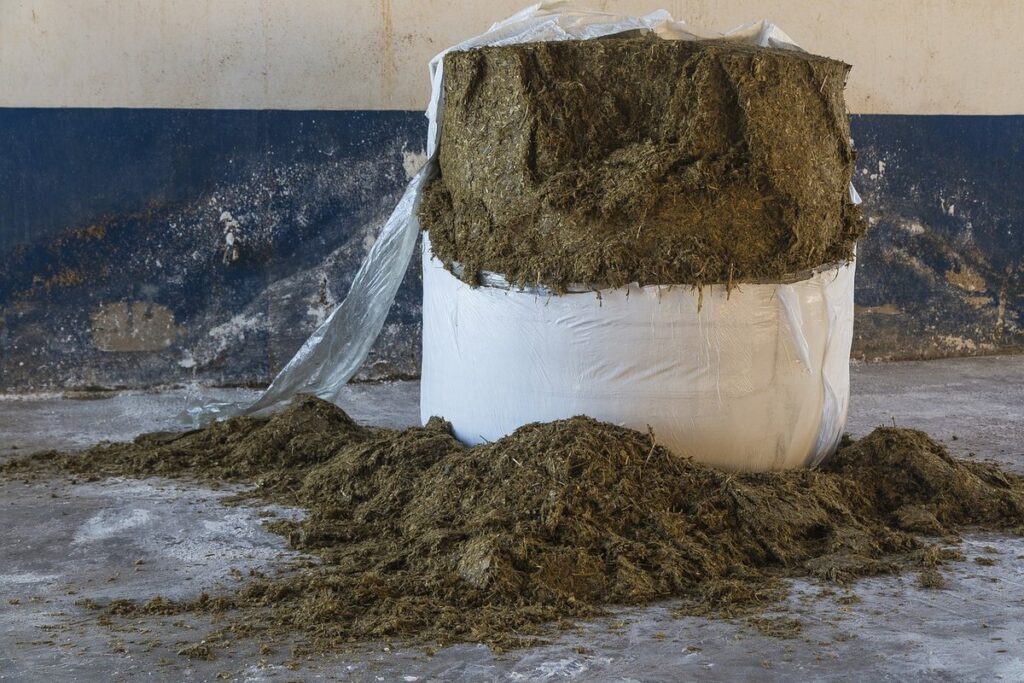
Hay is a dried plant material used as livestock feed. It’s typically made from grasses and legumes that have been cut, dried, and processed to preserve their nutritional value. The process of drying hay helps to reduce its moisture content, making it easier to store and transport.
The essential components of hay are the fiber-rich plant cells and the protein-rich seeds or legumes. These elements provide vital nutrients for animals, including energy, fiber, and vitamins. Hay’s nutrient profile varies depending on the type of plants used, but most varieties offer a balance of carbohydrates, proteins, and fats.
Hay is an essential component in livestock feed because it provides a natural source of nutrients that animals require to stay healthy. In many cases, hay replaces or supplements grains in animal diets. The quality of hay can significantly impact an animal’s overall health and well-being, so choosing the right type of hay is crucial for farmers and pet owners alike.
Different types of hay offer varying levels of nutritional value, which we’ll discuss later in this guide. Understanding what hay is and its importance in livestock feed sets the stage for exploring the various types of hay available.
Benefits of Using Hay in Livestock Feed
Incorporating hay into animal diets offers several benefits. One significant advantage is its high nutritional value. Hay provides essential fiber, which helps maintain healthy digestion and supports overall gut health. It’s also rich in vitamins A, C, and K, as well as minerals like calcium and phosphorus, making it an excellent supplement to a balanced diet.
Compared to other feed options, hay is often cost-effective. Its dry storage requirements reduce the risk of spoilage and contamination, which can be costly to address. Additionally, hay’s slow digestion rate helps extend its feeding period, reducing the need for frequent replenishment. This makes it an attractive choice for farmers and animal owners looking to save on feed costs.
From a practical standpoint, hay is also easy to store and transport due to its dry nature. It can be baled and stored outdoors with minimal risk of spoilage or damage. When choosing hay as part of your livestock’s diet, look for high-quality options that are free from mold and pests. This will help ensure the health benefits of hay are fully realized while minimizing potential drawbacks.
Common Misconceptions About Hay
Many people believe hay is low in nutritional value, but this assumption often stems from outdated information. In reality, high-quality hay can be a nutrient-rich feed option for livestock. For instance, timothy hay is typically higher in fiber and lower in protein than other types of hay, making it suitable for horses with certain health conditions.
Another misconception is that hay is only available during the summer months when grasses are in full growth. However, modern farming practices have made it possible to harvest and dry hay year-round. This means hay can be a reliable feed option regardless of the season. It’s also worth noting that hay can be sourced from various regions, allowing farmers to choose the best type for their animals’ needs.
Some people may assume that hay is only suitable for certain types of livestock, but this isn’t always the case. Hay can be used as a feed supplement for pets like rabbits and guinea pigs, providing essential fiber and nutrients in their diet. When selecting hay, it’s crucial to consider factors such as the animal’s age, health, and dietary needs.
Types of Hay Based on Grasses
If you’re looking for a hay type that suits your livestock’s needs, one thing to consider is the various types of hay based on different grass species. Alfalfa hay, timothy hay, and orchard grass hay are just a few examples.
Timothy Hay
Timothy hay is a high-quality forage made from the leaves and stems of the timothy grass plant. It’s native to North America but now grown worldwide due to its desirable characteristics. Timothy hay contains 8-10% protein, making it an excellent choice for supporting healthy weight gain in livestock, particularly those with higher energy needs.
In terms of nutritional profile, timothy hay is rich in fiber and relatively low in sugar compared to other types of hay. This makes it a popular choice for horses and goats that require a balanced diet without excessive carbohydrates. The slow digestion rate of timothy hay also helps prevent digestive issues like colic and ulcers.
Timothy hay can be used as a standalone feed or mixed with other grains and supplements to provide a nutrient-dense meal plan. It’s particularly beneficial for young animals, pregnant mares, and horses in training due to its high energy content. When selecting timothy hay, look for fresh, green samples with minimal mold or contamination to ensure optimal nutrition for your livestock.
Alfalfa Hay
Alfalfa hay is one of the most nutritious types of hay available, particularly for young animals and those requiring a high-calorie diet. It’s often used as a supplement to other types of hay due to its exceptionally high protein content – typically around 17-20% – which far exceeds that of timothy hay or oat hay. This makes alfalfa an ideal choice for pregnant mares, foals, and lactating dairy cows.
However, alfalfa hay is not suitable for all animals. Its extremely high calcium content can be detrimental to horses with kidney issues or those prone to laminitis. In addition, its richness may cause digestive upset in some individuals, particularly if they’re accustomed to eating lower-protein diets. When feeding alfalfa hay, it’s essential to introduce it gradually to prevent digestive issues.
A 1:1 mix of timothy hay and alfalfa is often recommended for horses requiring extra nutrients but not the full-strength benefits of alfalfa. This approach allows you to harness the nutritional value of alfalfa while minimizing potential drawbacks. Always consult with a veterinarian or equine nutritionist before introducing alfalfa hay into your animal’s diet, especially if they have pre-existing health conditions or sensitivities.
Oat Hay
Oat hay is a type of hay made from oats, a cool-season grass. It’s typically grown in temperate climates and has a higher moisture content than other types of hay, which can make it more prone to spoilage if not properly dried or stored. Despite this potential drawback, oat hay has several advantages over other types. For one, it’s often less expensive than timothy hay or alfalfa hay, making it an attractive option for farmers and animal owners on a budget.
In terms of nutritional value, oat hay is relatively high in fiber and moderate in protein content. It’s also rich in certain vitamins and minerals, such as thiamin and phosphorus. This makes it suitable for a variety of animals, including cattle, goats, and sheep. However, it’s worth noting that oat hay may not be the best choice for animals with sensitive digestive systems or those that require high-protein diets.
Some farmers also use oat hay as a rotational crop to improve soil health and reduce pests and diseases in their pastures. To get the most out of oat hay, it’s essential to store it properly, either by drying it thoroughly after harvest or using a moisture-controlled storage facility. This will help prevent mold growth and ensure that the hay remains nutritious for your animals.
Types of Hay Based on Legumes
Legumes are a crucial component of many hay types, providing essential nutrients for livestock. We’ll explore the different legume-based hays that farmers and ranchers rely on to feed their animals.
Clover Hay
Clover hay is a nutrient-rich feed option for horses and other livestock. It’s high in protein and fiber, making it an excellent choice for animals requiring energy and growth. The nutritional profile of clover hay varies depending on the specific type – red clover and white clover are two common varieties. White clover hay tends to be higher in protein than red clover.
Horses benefit from a diet rich in fiber, which helps maintain digestive health. Clover hay is an attractive option for horse owners looking to provide their animals with high-quality feed. However, it’s essential to note that excessive consumption can lead to digestive issues. A balanced diet that includes a mix of grass and legume hays will help ensure your horse stays healthy.
From an environmental perspective, clover hay production has a lower environmental impact compared to other types of hay. Legumes like clover have nitrogen-fixing properties, which reduces the need for synthetic fertilizers. This makes clover hay a more sustainable choice for farmers and horse owners alike.
Red Clover Hay
Red clover hay is a nutrient-rich feed option for various livestock types. It’s particularly beneficial for dairy cows and horses due to its high protein content, which supports muscle growth and repair. Additionally, red clover hay contains isoflavones that may help reduce the risk of certain diseases in these animals.
However, it’s essential to note that excessive consumption can lead to digestive issues, such as bloating or gas, in some animals. This potential drawback emphasizes the importance of proper rationing and balancing of feed.
Red clover hay is typically harvested when the plant reaches its peak bloom stage, usually during late spring or early summer. It’s then dried and processed for storage. Farmers often prefer to cultivate red clover on well-drained soils with adequate moisture levels, as these conditions promote healthy growth and increased yields.
To integrate red clover hay into an animal’s diet, consider the following:
- Start by offering a small amount (about 10% of their daily feed) and monitor their response.
- Balance the nutrient content with other feeds to avoid overfeeding on protein or energy.
- Regularly inspect the hay for mold or spoilage before offering it to your animals.
White Clover Hay
White clover hay is a legume-based feed option often preferred by livestock owners due to its unique characteristics. It has a high protein content, typically between 15% and 25%, which makes it an attractive choice for animals requiring protein-rich diets. White clover hay also tends to have lower levels of lignin compared to other legumes like alfalfa or red clover, making it easier for livestock to digest.
In comparison to other legume hays, white clover hay has a relatively neutral pH level and is less prone to causing digestive issues in sensitive animals. This is particularly beneficial for horses and goats that are often more finicky about their feed. White clover hay can be used as a standalone feed or combined with other types of hay to create a balanced diet.
Some livestock owners also appreciate the ease of growing white clover, which can thrive in a variety of conditions and requires minimal maintenance. This makes it an attractive option for small-scale farmers or those looking to supplement their animal feed with locally sourced products.
Other Types of Hay
Besides timothy and alfalfa, there are several other types of hay that offer unique nutritional benefits for your horses. Let’s take a look at some of these lesser-known options.
Meadow Hay
Meadow hay is a type of hay made from a mix of grasses and legumes that grow together in meadows. Its composition can vary depending on factors like soil quality, climate, and farming practices. Meadow hay often includes species like timothy, orchard grass, clover, and alfalfa, which provide a balanced blend of nutrients for livestock.
In terms of uses in livestock feed, meadow hay is particularly beneficial for horses, goats, and sheep due to its high fiber content and moderate protein levels. It can be used as a standalone feed source or mixed with other types of hay to create a custom diet. Meadow hay’s digestible energy is typically lower compared to legume-based hays like alfalfa, making it suitable for animals that require less intense nutritional support.
From an environmental sustainability perspective, meadow hay production tends to have a smaller carbon footprint than monoculture farming methods used for single-species hay crops. This is because meadows are often managed using more natural and diverse practices, such as crop rotation and composting. As a result, meadow hay can be seen as a more eco-friendly option for farmers and animal owners who prioritize environmentally responsible livestock feed choices.
Mixed Hay
Mixed hay is a blend of different grasses and legumes, often created to provide a balanced mix of nutrients for various animal types. The specific composition of mixed hay can vary depending on factors such as climate, region, and intended use. For example, a mixed hay designed for dairy cows might contain a combination of timothy, alfalfa, and orchard grasses, while one formulated for horses could include clover and oat hay.
Mixed hay is particularly beneficial for animals that require a broad spectrum of nutrients to maintain optimal health. For instance, pregnant mares benefit from the high protein content found in mixed hay, which supports fetal development and milk production. Similarly, lactating cows can appreciate the complex mix of vitamins and minerals present in mixed hay, helping them produce high-quality milk.
However, it’s essential to note that mixed hay can sometimes lack the consistency and predictability found in single-species hays. This variability can make it challenging for farmers or pet owners to ensure their animals receive the necessary nutrients. To mitigate this risk, look for mixed hay products that clearly list their ingredients and nutritional content, allowing you to make informed decisions about your animal’s diet.
Orchard Grass Hay
Orchard grass hay is a high-quality feed option for livestock, particularly horses and cattle. It’s made from the leaves and stems of orchard grass plants, which are typically harvested in the summer months when they’re at their peak nutritional value.
One advantage of orchard grass hay over other types of hay is its relatively low protein content, making it a good choice for animals that require a moderate level of protein in their diet. For example, mature horses and cattle tend to do well on orchard grass hay as it provides the necessary nutrients without causing digestive issues associated with higher-protein feeds.
Orchard grass hay also has a lower calcium-to-phosphorus ratio compared to alfalfa hay, which makes it more suitable for animals that are prone to kidney stones or other mineral imbalances. Additionally, its neutral pH level means it won’t cause acidity in the animal’s digestive system.
When choosing orchard grass hay, look for products that have been harvested at the optimal time of year and stored properly to preserve its nutritional value. This will help ensure your animals get the most benefits from this high-quality feed option.
Choosing the Right Type of Hay
Choosing the right type of hay for your horses can be overwhelming, given the numerous options available. Let’s break down the key characteristics to consider when making your selection.
Factors to Consider When Selecting Hay
When selecting a type of hay for your livestock, several key factors come into play. First and foremost, consider the nutritional needs of your animals. Different types of hay offer varying levels of protein, fiber, and energy, so it’s essential to match the hay’s nutrient profile with your animal’s specific requirements. For example, pregnant or lactating females may require higher-quality hay with more protein and calories.
You should also think about the preferences of your animals. Some livestock, such as horses, may be finicky eaters and require a specific type of hay that suits their taste buds. On the other hand, some animals like goats are known to be browsers and can thrive on lower-quality hays with more variety.
Another crucial factor is environmental impact. Consider sourcing hay from local farmers or producers who use sustainable practices, such as rotational grazing and minimal processing. This not only reduces your carbon footprint but also supports the local economy. Additionally, choose hay that’s free of contaminants like mold, pesticides, and heavy metals to ensure a healthy diet for your animals.
Some hays are more suitable for certain climates or regions due to their drought tolerance or ability to withstand extreme temperatures. Consider these factors when selecting a type of hay, especially if you live in an area prone to harsh weather conditions.
Tips for Ensuring High-Quality Hay
When selecting high-quality hay, it’s essential to consider not just its nutritional content but also how it was harvested and stored. Look for hay that has been properly dried to a moisture level of 15% or lower, as this will help prevent mold growth and preserve nutrients.
Check the hay for any visible signs of spoilage, such as mold, mildew, or insect infestation. High-quality hay should also be free of debris like twigs, rocks, and weeds.
In terms of certifications, some reputable organizations offer labels that ensure certain standards have been met. For example, “USDA Organic” certification guarantees that the hay was grown without synthetic pesticides, herbicides, or fertilizers.
When handling high-quality hay, it’s crucial to store it in a cool, dry place with good ventilation. Keep the hay off the ground and away from direct sunlight to prevent moisture accumulation.
Some producers may also use specialized storage facilities or bale-wrapping techniques to maintain freshness. Be aware of these practices when purchasing hay to ensure you’re getting the best possible quality.
Frequently Asked Questions (FAQs)
What type of hay is best suited for my horse’s dietary needs? Alfalfa hay is often recommended for horses that require extra protein, but it can be expensive. Consider alternatives like timothy or orchard grass hays if you’re on a budget.
How do I store hay to keep it fresh? Keep hay dry and out of direct sunlight to prevent mold and spoilage. Store it in a well-ventilated area, such as a barn or shed, and use a tarp or plastic sheet to cover the stack.
Can I grow my own hay on my property? If you have suitable land and climate conditions, you can certainly try growing your own hay. However, be aware that proper harvesting and drying techniques are crucial to ensure high-quality hay. Consider consulting with a local expert or taking online courses if you’re new to hay production.
Frequently Asked Questions
Can I Mix Different Types of Hay to Meet My Livestock’s Nutritional Needs?
Yes. Mixing different types of hay can be an effective way to create a customized feed blend that meets your livestock’s nutritional needs. However, it’s essential to consider the nutrient profiles and potential interactions between each type of hay. Start by identifying your animals’ specific requirements and then select hay types that complement their needs.
What If I Can’t Find the Right Type of Hay in My Local Area?
If you can’t find a particular type of hay in your local area, consider sourcing it from a nearby region or online supplier. Many feed stores and online retailers now offer a wide range of hay options, including specialty types like orchard grass hay. You may also want to reach out to local farmers or hay producers to inquire about their products.
How Do I Know if My Livestock is Getting Enough Fiber from Their Hay?
Monitor your livestock’s overall health, digestive performance, and manure quality to determine if they’re getting enough fiber from their hay. A general rule of thumb is to provide 1-2% of an animal’s body weight in dry matter as hay daily. Adjust the amount based on factors like age, breed, and activity level.
What Are Some Common Mistakes to Avoid When Choosing a Type of Hay?
Avoid selecting hay that’s moldy, musty, or has visible signs of spoilage. Also, be wary of hay that’s been treated with chemicals or pesticides, as these can have negative effects on your animals’ health. Finally, don’t rely solely on price when making your decision – consider the quality and nutritional value of each type of hay.
Can I Grow My Own Hay for Personal Use?
Yes. Growing your own hay can be a cost-effective and sustainable option for small-scale livestock producers. Choose varieties that are well-suited to your climate and soil type, and follow proper harvesting and drying techniques to ensure high-quality hay. Consider factors like land availability, water requirements, and equipment needs before deciding whether to grow your own hay.