Deciding on the ideal number of chickens for your backyard flock can be a daunting task, especially if you’re new to chicken keeping. With so many factors to consider, from space and lifestyle to local regulations, it’s easy to get overwhelmed. You might start by asking yourself: “How many chickens should I get?” But the answer isn’t as simple as just counting heads – it requires careful consideration of your yard’s size, your own schedule, and the rules in your area. In this article, we’ll explore how to determine the perfect number for your flock, balancing the joys of backyard chicken keeping with the realities of space and responsibility. By the end, you’ll have a clear understanding of what it takes to set up a thriving chicken operation that meets both your needs and those of your feathered friends.
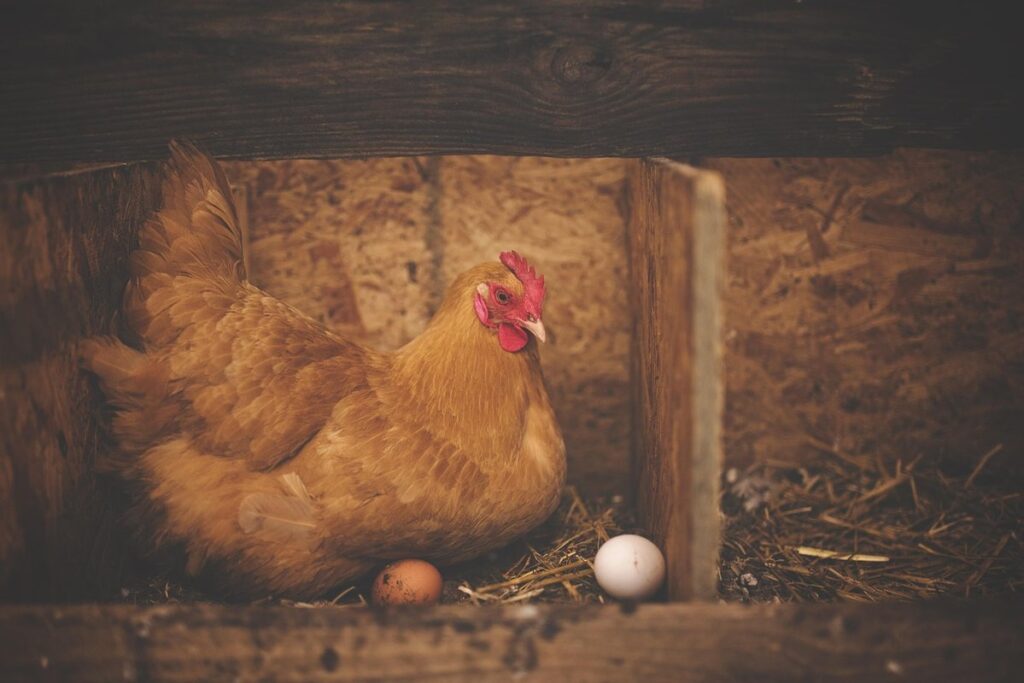
Determining Your Chicken Goals
To get started, you need to determine what you want to achieve with your backyard chicken flock, whether it’s eggs, entertainment, or education. This involves considering your lifestyle and available space.
Setting Up a Backyard Flock
When setting up a backyard flock, it’s essential to consider space constraints. Even small spaces can accommodate chickens, but you’ll need to carefully plan and prioritize. Start by assessing your yard’s square footage and determining how much space each chicken will require. A general rule of thumb is 2-4 square feet per chicken inside the coop and at least 8-10 square feet in the run.
Next, consider noise levels. Chickens can be loud, especially in the morning and evening when they’re most active. If you live in a residential area or have close neighbors, you may want to limit your flock size to minimize disturbance. Local regulations also play a significant role in determining how many chickens you can keep. Check with your local government to see if there are any restrictions on backyard flocks.
For small spaces, consider a smaller breed of chicken that requires less room and produces fewer eggs. Some examples include the Bantam or Silkie breeds. Keep in mind that these birds may be more prone to health issues due to their compact size. Always research the specific needs and characteristics of any breed before bringing them home.
Assessing Your Lifestyle and Schedule
When assessing your lifestyle and schedule to determine the right number of chickens for you, consider the time commitment required to care for them. Think about how many hours a day you can dedicate to feeding, cleaning, and monitoring your flock. If you have a busy schedule or travel frequently, even a small flock can be overwhelming.
Evaluate your budget as well. Consider not only the initial setup costs but also ongoing expenses such as feed, supplies, and veterinary care. A larger flock may require more resources than you’re willing or able to provide. For example, if you need to buy feed for 10 chickens every week, that’s a significant expense.
Also, think about your personal preferences. Do you enjoy spending time with your chickens, or do you prefer a more hands-off approach? If you want to collect eggs daily and interact with your birds regularly, a smaller flock may be better suited to your lifestyle. On the other hand, if you’re willing to invest time in maintaining a larger flock, consider how many chickens you can realistically care for.
Consider creating a schedule or checklist to ensure you’re allocating enough time for each task and meeting the needs of your flock.
Researching Local Regulations and Zoning Laws
Local regulations and zoning laws can significantly impact the number of chickens you’re allowed to keep in your backyard. Many cities have specific ordinances governing minimum lot size requirements for chicken-keeping. For instance, if your property is less than a quarter acre, you might be restricted from keeping more than two or three chickens. Similarly, noise ordinances may dictate the time of day when chickens can be let out of their coops.
Permitting processes also vary widely depending on where you live. Some cities require a special permit to keep even a small flock, while others may not have any regulations at all. In some areas, homeowners’ associations (HOAs) may have their own rules governing backyard chicken-keeping.
To determine the specific regulations that apply to your property, start by contacting your local government’s planning or zoning department. You can also check online resources such as Nextdoor or your city’s website for information on ordinances and permitting requirements. Keep in mind that even if you’re allowed to keep chickens, there may be specific rules governing coop design, run size, and waste management. Be sure to review these regulations carefully before bringing home your new flock.
Considering Space and Housing Requirements
When choosing how many chickens to get, it’s essential to consider the space you have available for their coop and run, as well as the number of birds that can comfortably live together.
Calculating Square Footage Per Chicken
To calculate square footage per chicken, you’ll need to consider three main areas: coop space, run area, and feeding areas. Start by measuring the length and width of your coop in feet. A general rule of thumb is to provide at least 2-4 square feet of coop space per chicken, depending on breed size and climate. For example, smaller breeds like Leghorns or Bantams require less space than larger breeds like Orpingtons or Brahmas.
Next, calculate the square footage of your run area, which should be fenced to prevent escape and predator entry. Aim for a minimum of 8-10 square feet per chicken in the run, but this can vary depending on the size of the chickens and the type of enclosure. Don’t forget to include space for feeding areas, such as a feeding trough or a designated area for laying hens.
A common mistake is to underestimate the importance of adequate ventilation and lighting within the coop. To avoid overcrowding, ensure that you have enough square footage per chicken by using these guidelines: 2-4 square feet in the coop, 8-10 square feet in the run, and additional space for feeding areas.
Housing Options: Coop Design and Size
When choosing a coop design and size for your backyard flock, consider the needs of your chickens. Pre-fabricated coops can be convenient but may not offer the flexibility you need to customize the space. DIY builds, on the other hand, allow you to tailor the layout and features to suit your flock’s requirements. Alternatively, consider repurposing a shed or using reclaimed materials to create a unique coop.
Proper ventilation is crucial in any coop design. Ensure that there are windows for airflow and consider installing vents to regulate temperature. Nesting boxes should be placed outside the roosting area to prevent hens from soiling their own nesting areas. A minimum of one nesting box per three to four hens is recommended, but this number can vary depending on the breed and size of your chickens.
In terms of predator protection, consider using hardware cloth or chicken wire with openings no larger than 1 inch to prevent raccoons and other predators from accessing the coop. Keep in mind that the coop’s size will also impact its durability; a sturdier coop can withstand harsh weather conditions and potential predator attacks.
Understanding Chicken Behavior and Social Structure
Understanding chicken behavior is crucial when deciding how many hens to bring home, as their social dynamics play a significant role in their overall well-being. A flock’s harmony depends on proper pecking order and individual personalities.
The Importance of Socialization
Socialization plays a crucial role in shaping flock dynamics and individual chicken behavior. When chickens are socialized properly from an early age, they develop a more stable hierarchy, reducing stress and aggression within the group. A well-socialized flock is essential for maintaining harmony among birds, especially in smaller spaces where conflicts can arise.
For instance, without adequate socialization, some chickens may become dominant over others, leading to bullying or even serious injury. In contrast, when chickens are introduced to each other at a young age and allowed to interact freely, they form bonds that help prevent aggression.
To ensure your flock’s socialization, consider introducing new birds gradually, allowing them to get accustomed to each other’s presence and personalities. Start with a single new bird and monitor the existing flock’s behavior before adding more. You can also provide multiple perches, nesting boxes, and feeding areas to give individual birds space and reduce competition.
When maintaining a small flock, remember that socialization is key to preventing conflicts and ensuring overall well-being. By prioritizing socialization, you’ll create a harmonious and stress-free environment for your chickens, regardless of their number.
Managing Aggression and Flock Size
Managing a flock of chickens can be challenging, especially when it comes to aggression. To prevent conflict and establish a harmonious coop environment, consider the following strategies. When introducing new chickens, do so gradually by separating them from the existing flock for a few days before allowing supervised interactions. This helps to reduce stress and allows each bird to become familiar with the newcomer’s presence.
Identify and separate aggressive birds to minimize conflicts within the flock. Keep in mind that some breeds are naturally more assertive than others. If you have an aggressive rooster or hen, it may be necessary to rehome them separately from your main flock. Flock size also plays a significant role in reducing aggression. A small, overcrowded coop can exacerbate tensions between birds.
Typically, a good rule of thumb is to provide at least 3-4 square feet of space per chicken inside the coop and 8-10 square feet outside in runs or enclosed areas. This allows each bird sufficient room to move around without feeling cramped, reducing aggression triggers like competition for resources.
Health Considerations and Biosecurity
When deciding on the number of chickens for your backyard flock, it’s crucial to consider their health needs and ensure you can provide proper care to prevent disease outbreaks. This includes understanding biosecurity measures to protect both humans and animals.
Disease Prevention and Management
Effective disease prevention and management are critical components of backyard chicken keeping. To protect your flock from common poultry diseases, it’s essential to understand how these illnesses spread and take proactive steps to prevent them.
Newcastle disease is a significant concern for backyard flocks, as it can be transmitted through contact with infected birds or contaminated surfaces. Vaccination protocols vary depending on your location and local regulations, so consult with a veterinarian or experienced chicken keeper in your area to determine the best course of action.
Marek’s disease is another common poultry disease that affects chickens worldwide. It’s caused by a herpesvirus that can be spread through contact with infected birds or contaminated feed and water. To manage Marek’s disease, ensure you’re providing clean living conditions, adequate ventilation, and a balanced diet for your flock.
When introducing new chickens to your existing flock, take necessary precautions to minimize the risk of disease transmission. Quarantine new birds for at least 30 days before integrating them with your main flock. This allows time for any latent infections to manifest and can help prevent the spread of disease.
In addition to vaccination and quarantine protocols, maintaining good hygiene practices is crucial in preventing the spread of disease. Regularly clean and disinfect your coop, run, and equipment to reduce the risk of infection.
Biosecurity Measures to Protect Your Flock
Implement a regular cleaning schedule for your coop and run to prevent disease spread. Remove soiled bedding, disinfect feeding troughs and waterers, and scrub all surfaces with a mild detergent. Replace bedding material every 6-8 weeks, or sooner if it becomes saturated with urine or feces.
Predator control is also crucial. Use sturdy wire mesh to cover the top of your coop and run, extending at least 12 inches below ground level to prevent digging predators like raccoons and foxes from accessing your flock. Bury hardware cloth around the perimeter of your run to prevent burrowing animals like opossums and stray cats.
Design your coop with security in mind by incorporating features such as secure latches, sturdy doors, and a roof that can be easily closed during inclement weather. Consider adding a covered run or enclosed area for birds to exercise while still providing a safe haven from predators. Always lock your coop at night and when you’re away from home to prevent unwanted visitors.
Aim to dedicate at least 10% of your flock’s total space to cleaning and maintenance areas, such as disinfection stations and storage for cleaning supplies. This will help contain potential disease spread and make regular cleaning tasks more manageable.
Financial Considerations
When considering how many chickens to get, it’s essential to factor in the costs of feed, veterinary care, and equipment for each bird. A well-planned budget will help you make an informed decision.
Initial Setup Costs and Ongoing Expenses
When setting up a backyard chicken flock, the initial costs can be substantial. A small coop for 2-3 chickens might cost between $200 to $500, depending on the materials and design. You’ll also need to purchase equipment such as feeders, waterers, and nesting boxes, which can add another $100-$300 to your total.
In addition to these one-time expenses, ongoing costs will include feed, which typically ranges from $15 to $30 per month for a small flock of 2-3 chickens. Veterinary care is also essential, with annual vaccinations and check-ups costing around $50-$100. Other supplies like bedding material, fertilizers, and pest control measures can add up over time.
To give you a better idea, here’s a rough breakdown of the estimated monthly expenses for a small backyard flock:
- Feed: $15-$30
- Veterinary care (annual): $50-$100
- Bedding material (monthly): $5-$10
- Fertilizers and pest control (occasional): $20-$50
Keep in mind that these estimates can vary depending on your location, climate, and the size of your flock.
Calculating Return on Investment (ROI)
To calculate return on investment (ROI) for your backyard chicken venture, you’ll need to consider both income and expenses. Start by estimating egg production: assume an average of 280-300 eggs per year from each hen, with some breeds producing more or fewer eggs. If you plan to sell eggs, research local prices to determine how much revenue you can expect.
If you also intend to raise chickens for meat, factor in the cost and potential revenue from sales. Typically, a single broiler chicken will yield around $5-$10 in profit, depending on the breed and market demand. However, this varies by location and time of year.
Don’t forget to account for expenses beyond initial setup costs, such as feed, vet bills, and equipment maintenance. You can estimate these costs based on averages or research specific prices from local suppliers. A rough breakdown might be:
- Feed: $1-2 per day per chicken
- Veterinary care: $50-$100 per year per flock
- Equipment maintenance: 10-20% of initial investment annually
By accurately estimating income and expenses, you can calculate a more realistic ROI for your backyard chicken venture. This will help you determine how many chickens to get, ensuring that your investment pays off in the long run.
Additional Tips and Considerations
Now that you’ve decided on a flock size, it’s time to consider some additional factors to ensure a harmonious and happy chicken household. Think about your yard’s space, noise level, and predator concerns.
Integrating Chickens with Other Pets
When introducing chickens to other pets, it’s essential to consider their individual personalities and needs. Start by separating them from each other initially, allowing you to monitor their behavior and assess potential aggression or stress signs. This can be as simple as providing separate enclosures for a few days before gradually increasing interaction time.
Training exercises can help facilitate harmonious coexistence. For example, teach your chickens to associate specific commands with rewards, such as “come” or “stay.” This will allow you to manage interactions and prevent unwanted confrontations.
Habitat separation is crucial when introducing chickens to small pets like rabbits, guinea pigs, or hamsters. Chickens may view these animals as prey, leading to stress and aggression. Consider providing a safe, chicken-free area for smaller pets to retreat to if needed.
Keep an eye out for signs of stress, such as pacing, feather plucking, or changes in appetite. If you notice any of these behaviors, intervene promptly by separating the animals involved. Regular monitoring will help you identify potential issues early on and take corrective action before they escalate into full-blown conflicts.
Monitoring and Adjusting Your Flock Size
Regularly reviewing your flock’s dynamics is crucial to maintaining a healthy and thriving group. You should observe their behavior, noting who gets along with whom and who tends to pick on others. This social hierarchy can shift over time due to various factors such as molting, stress, or changes in dominance.
To monitor your flock’s size effectively, keep an eye out for signs that the flock is becoming too large for its space. These may include aggressive behavior, resource competition, and a decrease in overall health and well-being. If you notice any of these issues, it may be time to consider adjusting your numbers.
When adjusting your flock size, you have several options: culling, rehoming, or selling. Culling involves removing weaker birds from the flock, while rehoming or selling can help balance out the population. It’s essential to consider the impact of each option on the remaining birds and the overall health of the flock. For instance, rehoming a few birds may alleviate overcrowding but also disrupts social bonds and requires careful introduction of new members.
In general, it’s better to err on the side of caution and slightly understock rather than overstocking your coop.
Frequently Asked Questions
What If I Have Limited Time to Care for My Chickens?
Yes, it’s still possible to keep chickens with limited time, but you’ll need to consider automated feeding and watering systems, as well as regular coop cleaning. You can also look into breeds that are known for being low-maintenance.
How Do I Handle the Stress of Integrating New Chickens into My Flock?
Introducing new birds can be challenging, so it’s essential to do it gradually. Start by keeping them separate and allowing them to get accustomed to each other’s sounds and smells before introducing them to the same enclosure. Monitor their behavior closely for signs of stress or aggression.
What If I Want to Raise Meat Chickens as Well as Egg-Layers?
Raising meat chickens requires careful planning, including ensuring you have enough space for both your egg-layers and meat birds. You’ll also need to consider different feeding and housing requirements. Research breeds that are suitable for both purposes and plan accordingly.
How Often Should I Check on My Chickens’ Health and Wellbeing?
Regular health checks are crucial in maintaining a thriving flock. Aim to inspect your chickens at least once a day, looking out for signs of illness or stress, such as changes in appetite, droppings, or behavior. Keep a close eye on the coop’s temperature, humidity, and ventilation levels.
Can I Have Chickens with Other Pets Like Dogs and Cats?
Yes, it is possible to integrate chickens with other pets, but it requires careful consideration of their individual personalities and needs. Ensure your pets are well-trained and familiar with each other’s presence before introducing them to the same space. Monitor their interactions closely for signs of stress or aggression.