If you’ve noticed your chickens excessively scratching or preening, it could be more than just a case of itchy skin. Northern fowl mites are a common problem for backyard flock owners and small-scale farmers, feeding on the blood of their birds and causing distress. These tiny parasites can lead to anemia in severe cases, making it essential to identify and treat infestations promptly. But before you can tackle the issue, you need to know what to look for – and that’s where things get tricky. Northern fowl mites are often mistaken for other pests or even skin conditions, which is why a proper diagnosis is crucial. In this article, we’ll walk through the signs of infestation, treatment options, and prevention strategies to help you keep your flock healthy and thriving, ensuring you know how to identify, treat, and prevent northern fowl mite infestations in no time.
Understanding Northern Fowl Mites
Northern fowl mites are a common pest that can infest your chicken flock, and understanding their behavior is key to effectively managing an infestation. Let’s take a closer look at these tiny parasites.
What are Northern Fowl Mites?
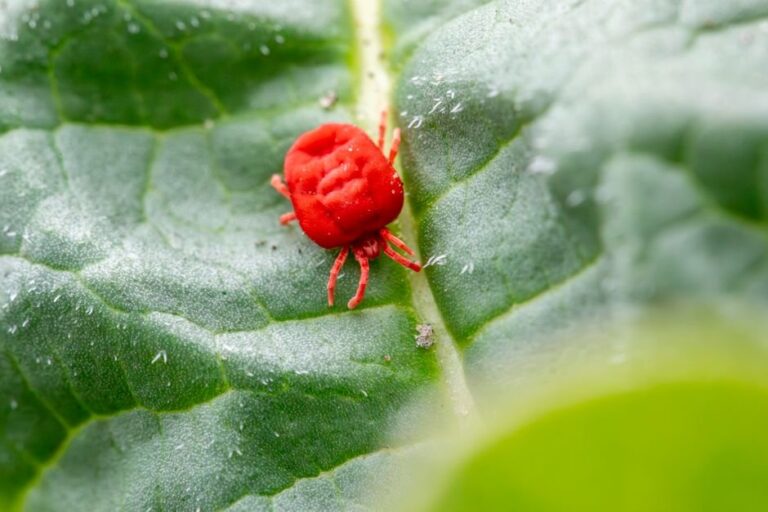
Northern fowl mites are a type of ectoparasite specifically adapted to feed on chicken blood. They are distinct from other types of mites that affect chickens, such as scaly leg mites or red mites. Northern fowl mites have a unique life cycle that involves three stages: egg, larva, and adult.
Female northern fowl mites lay eggs in the feathers of an infested chicken, typically around the neck, shoulders, and base of the tail. The eggs hatch into larvae within 3-5 days, which then feed on their host’s blood for several days before molting into adults. Adult northern fowl mites can live for up to six months without feeding.
The key differences between northern fowl mites and other types of chicken parasites lie in their feeding behavior and life cycle. Unlike red mites, which are active at night and feed on the host’s blood while they sleep, northern fowl mites feed continuously throughout the day and night. Understanding these characteristics is crucial for accurate identification and effective treatment of northern fowl mite infestations.
Importance of Identifying Northern Fowl Mites
Identifying northern fowl mites is crucial for chicken health and welfare because these parasites can cause significant harm to chickens if left untreated. The presence of northern fowl mites can lead to anemia, stress, and decreased egg production in laying hens. In severe cases, the infestation can even cause death. Furthermore, northern fowl mite bites can transmit diseases such as salmonella and E. coli to humans, posing a risk to public health.
Chickens that are heavily infested with northern fowl mites often exhibit symptoms like excessive scratching, preening, and feather pecking. However, these behaviors can be misattributed to other issues, making it essential to identify the presence of northern fowl mites through physical examination or diagnostic testing. Regular monitoring for signs of infestation and prompt treatment are critical in preventing the spread of these parasites.
Early detection is also vital for mitigating the economic impact of northern fowl mite infestations. A severe infestation can lead to significant losses in egg production, reduced feed efficiency, and increased costs associated with treatment and veterinary care.
Causes and Risk Factors
Northern fowl mites can infest your chickens due to various underlying causes, including poor coop hygiene and weakened immune systems. Understanding these triggers is crucial for effective treatment and prevention strategies.
Environmental Factors Contributing to Infestation
Climate plays a significant role in northern fowl mite infestations. Northern fowl mites thrive in temperatures between 64°F and 90°F (18°C and 32°C), making them a year-round problem for chicken owners in temperate climates. High humidity, especially above 60%, also contributes to the mites’ survival and reproduction. These conditions allow the mites to stay active and feed on their hosts without drying out.
The proximity of your flock to wild birds can also increase the risk of infestation. Wild birds, such as pigeons, starlings, and sparrows, often harbor northern fowl mites. If these birds roost in or near your coop, they can introduce the mites to your flock. Regularly inspecting your surroundings for signs of wild bird activity can help you identify potential sources of infestation.
Maintaining a clean and dry environment is essential in preventing northern fowl mite infestations. Ensure that your coop has adequate ventilation to reduce humidity levels and prevent moisture buildup. Regularly cleaning the coop, especially areas where droppings accumulate, can also help reduce the risk of infestation.
Poor Biosecurity and Hygiene Practices
Human error is a significant contributor to the spread of northern fowl mites. Inadequate cleaning and disinfection practices create an ideal environment for these external parasites to thrive. When chicken coops or runs are not properly cleaned, mite eggs and larvae can survive and continue to infest the area.
In particular, failing to change bedding material regularly is a common mistake that allows northern fowl mites to multiply unchecked. Bedding material like straw or pine shavings should be replaced every 1-2 weeks to prevent the buildup of debris and moisture that can foster mite growth. Moreover, disinfecting surfaces with a solution of one part white vinegar to nine parts water is an effective way to eliminate mite eggs and larvae.
It’s also essential to maintain good hygiene practices when handling chickens or their living areas. Washing hands thoroughly after interacting with the flock is crucial in preventing the accidental transfer of mites from one area to another.
Symptoms and Diagnosis
Recognizing the signs of a northern fowl mite infestation is crucial for effective treatment, so let’s take a closer look at the common symptoms and diagnosis methods.
Common Signs of Northern Fowl Mite Infestation
Chickens with northern fowl mite infestations often exhibit a range of distressing symptoms. One common sign is excessive scratching, particularly at night when the mites are most active. This behavior can lead to worn-down feathers and bare patches on the skin, especially around the neck, wings, and tail areas.
Feather loss is another telltale indication of northern fowl mite infestation. As the mites feed on the bird’s blood, they also cause damage to the underlying skin and follicles, leading to missing or broken feathers. You may notice that your chickens are losing more feathers than usual, especially during molting periods.
Weight loss is a concerning symptom of northern fowl mite infestation. The constant itching and discomfort caused by the mites can lead to decreased appetite and energy levels in affected birds. If you notice a significant drop in weight or a change in your chicken’s overall appearance, it may be indicative of an underlying issue that requires immediate attention.
Monitoring your flock’s behavior and physical condition is crucial for early detection of northern fowl mite infestations. Keep an eye out for any unusual signs, such as excessive scratching, feather loss, or weight changes.
Diagnosing Northern Fowl Mite Infestations
To diagnose a northern fowl mite infestation, you’ll need to observe your chickens’ behavior and physical condition closely. Look for signs of intense scratching or preening, particularly around the vent area, as well as excessive dust-bathing. Also, check for small, white, speck-like patches on their feathers, which are a common indicator of mite infestation.
A more definitive diagnosis can be made through laboratory testing. Collect a sample of affected birds’ blood or skin scrapings and send it to a veterinary lab for examination. This is often done by scraping the surface of the bird’s comb or vent area with a sterile instrument, then submitting the sample for microscopic analysis.
In addition to these methods, you can also use a dark-colored cloth or paper towel placed near the affected birds’ roosting areas to detect mites at night. Mites will be attracted to the darkness and climb onto the surface, allowing you to see them with the naked eye. This method is useful for detecting low-level infestations that may not yet cause obvious symptoms.
Treatment and Prevention Strategies
To effectively manage northern fowl mite infestations, it’s crucial to understand various treatment methods that can be implemented on your chicken coop and yard. Effective prevention strategies will also be discussed in this section.
Chemical Treatments for Northern Fowl Mites
Permethrin-based treatments are effective against northern fowl mites. Spray permethrin directly on affected areas of the coop and surrounding environments, paying attention to cracks and crevices where mites may be hiding. A 0.5% permethrin solution is typically used for this purpose.
Pyrethrin sprays, another chemical treatment option, contain naturally occurring insecticides derived from chrysanthemum flowers. These can be applied in the same manner as permethrin, but it’s essential to note that repeated use may lead to the development of resistance.
When using any chemical treatment, it’s crucial to follow safety precautions: avoid inhaling fumes, wear protective clothing, and ensure good ventilation. The application area should also be kept off-limits until the product has dried completely.
A critical aspect of treating northern fowl mite infestations is ensuring that all life stages are eliminated. This includes using a combination of treatments to target eggs, larvae, and adult mites.
Integrated Pest Management (IPM) Strategies
Incorporating physical barriers is a crucial aspect of IPM strategies for northern fowl mites. Use fine-mesh screens to cover windows and vents, and seal any holes or gaps around doors, walls, and floors with caulk or steel wool. This will prevent mites from entering the coop through these entry points.
Cleaning is another essential component of IPM. Regularly clean and disinfect the coop, paying attention to areas where mites tend to congregate, such as roosts and nesting boxes. Use a solution of 1 part white vinegar to 9 parts water, which is effective against northern fowl mite eggs and larvae.
Biological controls can also be used to manage northern fowl mite populations. Encourage beneficial insects, such as lady beetles or lacewings, that prey on mites by providing a source of food and shelter in the coop. You can also introduce nematodes, microscopic worms that attack and kill northern fowl mite larvae.
When combining physical barriers, cleaning, and biological controls, it’s essential to monitor your flock regularly for signs of infestation.
Managing Northern Fowl Mite Infestations on Small-Scale Farms and Backyard Flocks
Dealing with a northern fowl mite infestation can be stressful for small-scale farmers and backyard chicken keepers, so let’s look at some practical ways to manage these pests. We’ll discuss effective methods for controlling their spread and alleviating symptoms.
Challenges Unique to Small-Scale Farms and Backyard Flocks
Managing a northern fowl mite infestation on a small-scale farm or backyard flock presents unique challenges due to limited resources and specialized labor. One key issue is the difficulty in accessing effective treatment options, as many products are designed for large-scale commercial operations rather than small-scale farms. This can lead to higher costs per bird, making it economically unfeasible.
Another challenge is the lack of trained personnel to properly diagnose and treat infestations. Small-scale farmers or backyard flock owners may not have the expertise to accurately identify northern fowl mites, which requires a close examination of the birds’ skin and feathers. Without proper training, incorrect diagnoses can lead to ineffective treatment plans or even harm to the birds.
Additionally, small-scale farms often lack the infrastructure for efficient cleaning and disinfection procedures, making it harder to prevent re-infestation after treatment. For example, they might not have a dedicated quarantine area or access to specialized equipment like misting systems. These limitations can hinder effective management of northern fowl mite infestations, requiring creative solutions that balance resource constraints with the need for successful eradication strategies.
Adaptation of Treatment Strategies for Small-Scale Operations
Small-scale farms and backyard flocks often face unique challenges when treating northern fowl mite infestations. One key consideration is available resources: many small-scale operations lack the budget for expensive chemical treatments or equipment. In such cases, it’s essential to prioritize DIY methods and low-cost alternatives.
A good starting point is to assess your flock’s specific needs. For example, if you’re dealing with a large number of birds in a confined space, it may be necessary to isolate affected areas to prevent the mites from spreading further. This might involve setting up temporary partitions or using portable enclosures to separate healthy and infested birds.
In terms of treatment strategies, small-scale farms and backyard flocks can adapt integrated pest management (IPM) approaches by focusing on non-chemical methods. These include improving ventilation, increasing dust levels to deter mites, and using diatomaceous earth to dehydrate the pests. You may also consider consulting local experts or online resources for guidance on adapting these strategies to your specific situation.
When selecting treatments, be mindful of space constraints and ensure that any products or equipment you use won’t exacerbate the problem by creating more dust or heat stress for the birds. By tailoring treatment strategies to your unique circumstances, you can effectively manage northern fowl mite infestations on small-scale farms and backyard flocks.
Long-Term Consequences of Northern Fowl Mite Infestations
If you’ve dealt with a northern fowl mite infestation on your chicken flock, you’re likely wondering what long-term effects it could have on their health and well-being. Prolonged exposure to these pests can lead to serious complications for your birds.
Impact on Chicken Health and Welfare
Prolonged northern fowl mite infestations can lead to severe health issues in chickens. One of the most significant concerns is anemia caused by the mites’ constant feeding on chicken blood. This results in pale, weak birds that are more susceptible to disease and illness. Furthermore, the intense scratching and pecking associated with mite infestations can cause physical damage to feathers and skin.
Chronic stress from constant irritation can also weaken a chicken’s immune system, making them more vulnerable to common poultry diseases. In extreme cases, severe anemia or related complications can lead to mortality. To mitigate these risks, it is essential for flock owners to monitor their birds regularly for signs of mite infestation and take prompt action when symptoms appear.
Maintaining good biosecurity measures, such as regular cleaning and disinfection of coop areas, can help prevent the spread of northern fowl mites. Implementing integrated pest management strategies that combine chemical treatments with environmental modifications can also aid in reducing the risk of long-term health consequences for chickens.
Economic Implications for Farmers and Backyard Flock Owners
Farmers and backyard flock owners can expect significant economic implications from northern fowl mite infestations. One major consequence is reduced egg production, which directly impacts revenue. Studies have shown that moderate to heavy infestations can lead to a 20-30% decrease in egg output, translating to substantial financial losses.
In addition to decreased egg production, northern fowl mites also increase veterinary costs. Treatment options are often expensive, and repeated applications may be necessary to fully eliminate the infestation. Moreover, the stress caused by the parasites can weaken the birds’ immune systems, making them more susceptible to other diseases that require costly treatments.
For small-scale farmers and backyard flock owners, the economic implications can be particularly severe. These individuals often rely on a single income stream from their poultry operations, so even minor losses can have significant impacts on their livelihoods. To mitigate these effects, it’s essential for affected farmers to prioritize integrated pest management strategies, such as improving biosecurity and hygiene practices, using targeted treatments, and monitoring bird health closely.
Frequently Asked Questions
What if I’ve already treated my chickens for northern fowl mites, but new symptoms appear within a few weeks?
Yes, it’s common for chickens to relapse after initial treatment. This can happen due to incomplete treatment, reinfection from wild birds or other sources, or underlying health issues that weren’t addressed. Reassess your biosecurity measures and consider repeating treatment while also addressing any underlying health concerns.
How do I know if my flock is at high risk for northern fowl mite infestations based on environmental factors?
Consider the climate and humidity in your area, as well as proximity to wild bird populations. Northern fowl mites thrive in warm, humid environments. If you live near a forest or have a history of wild birds visiting your property, take extra precautions to prevent infestation.
Can I use integrated pest management (IPM) strategies on small-scale farms with limited resources?
Yes, IPM is adaptable to various farm sizes and budgets. Focus on low-cost methods such as cleaning and disinfection, physical barriers, and biological controls like predator-attracting plants or beneficial insects. These can be more cost-effective than chemical treatments in the long run.
How often should I monitor my flock for northern fowl mite infestations after treatment?
Regular monitoring is crucial to prevent reinfestation. Check your chickens daily for signs of discomfort, such as excessive scratching, feather loss, or weight loss. Also, inspect their living quarters regularly for any new pests or environmental changes that could lead to infestation.
Are there any natural deterrents I can use to prevent northern fowl mites without chemical treatments?
Yes, certain essential oils and herbs have been shown to repel northern fowl mites naturally. Consider using diatomaceous earth, tea tree oil, or neem oil in your flock’s living areas. However, always test these methods on a small scale before widespread use to ensure they don’t harm your chickens’ health.