
Building a root cellar for long-term food storage is an attractive option for gardeners and homesteaders looking to preserve fruits and vegetables naturally. You might be surprised at how quickly a root cellar can pay off, especially when you consider the potential for year-round fresh produce without breaking the bank on expensive storage solutions or relying on chemical preservatives. One of the biggest benefits of a well-designed root cellar is its ability to maintain consistent temperatures between 32 and 40 degrees Fahrenheit, making it an ideal place to store sensitive crops like apples and carrots. By controlling temperature and humidity levels, you can slow down spoilage and keep your harvest fresh for months. This article will explore strategies for building and maintaining a root cellar that helps you preserve fruits and vegetables naturally, including tips on pest prevention and long-term storage solutions.
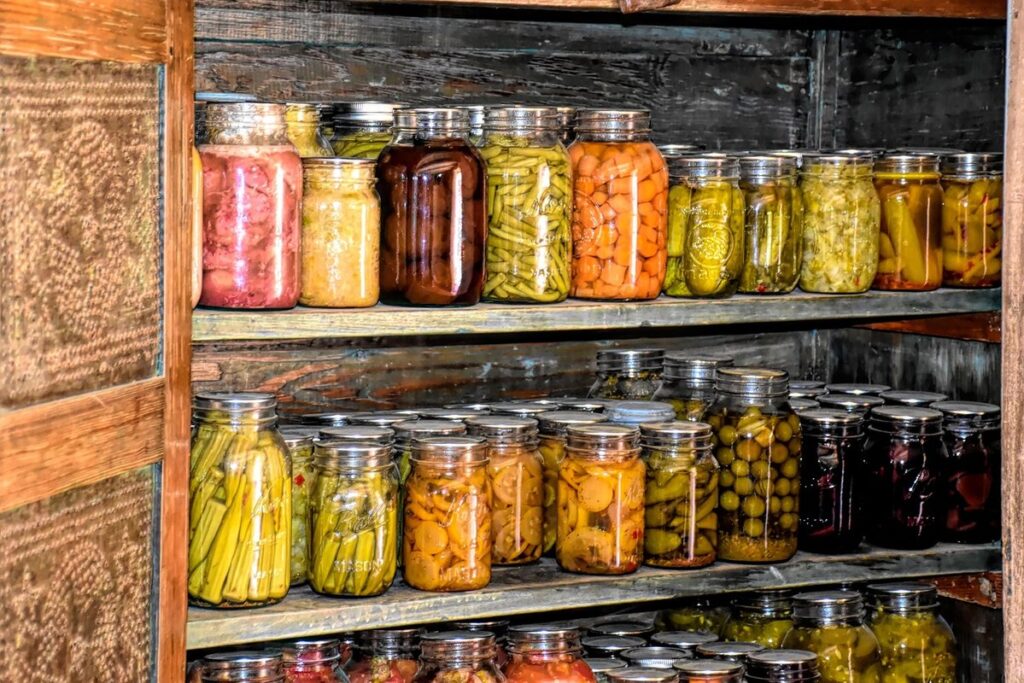
Understanding Root Cellars and Their Benefits
A root cellar is essentially a controlled environment that allows you to store fruits, vegetables, and other foods at a consistent temperature and humidity level. This section explores how these conditions benefit your stored food.
What is a Root Cellar?
A root cellar is a specialized storage space designed to maintain a consistent temperature, typically between 32°F and 40°F (0°C and 4°C), ideal for storing fruits, vegetables, and other perishable foods. This narrow temperature range allows for optimal preservation of nutrients and texture in stored produce.
Root cellars usually take advantage of natural cooling from the earth, drawing on its stable temperature to regulate the space’s internal climate. By burying the cellar underground, it benefits from a consistent temperature that remains relatively unchanged throughout the year. This unique environment is crucial for keeping stored foods fresh for longer periods.
The ideal conditions within a root cellar create an optimal atmosphere for storing fruits and vegetables. For instance, apples can be kept for several months when stored in a cool, humid environment with temperatures between 32°F and 35°F (0°C and 2°C). By replicating these conditions, you can enjoy fresh produce year-round without having to rely on refrigeration or other storage methods that may compromise the quality of your food.
History of Root Cellars
Root cellars have their roots in ancient civilizations. The earliest known evidence of root cellar-like structures dates back to around 2000 BCE in the Middle East and Europe. These primitive storage spaces were often dug into hillsides or built beneath houses, providing a cool, dark environment for preserving fruits and vegetables.
As agriculture developed, so did the design and functionality of root cellars. In medieval Europe, underground storage rooms became a common feature in many homes, particularly among wealthier families. These root cellars were typically small, cramped spaces with stone walls and earthen floors. They relied on natural ventilation to regulate temperature and humidity.
In North America, European settlers brought their knowledge of root cellar construction and adapted it to the local climate. The root cellar’s popularity grew as a means of preserving food during harsh winters. Many farmhouses featured extensive root cellars, which often included separate areas for curing meats and storing fruits and vegetables.
The evolution of root cellars reflects changing societal needs and advances in technology. Despite these changes, the fundamental principle remains the same: providing a stable environment for food storage that minimizes spoilage and preserves nutrients.
Planning and Building Your Root Cellar
Now that you have a plan for your root cellar, it’s time to build one. This section will guide you through designing and constructing a functional space for long-term food storage.
Factors to Consider When Building a Root Cellar
When building a root cellar, it’s essential to consider factors that affect its performance and longevity. Climate is one such crucial factor. If you live in an area with extreme temperatures, such as hot summers or freezing winters, your root cellar must be designed to withstand these conditions. This might involve adding insulation, using climate-resistant materials, or incorporating features like evaporative cooling.
Soil type is another critical consideration. Well-draining soils can lead to moisture issues and mold growth if not addressed. Conversely, heavy clay soils may require additional support for the structure’s foundation. Assessing your soil type will help you design a root cellar that accommodates its unique properties.
Available space also plays a significant role in planning a root cellar. Consider the size of your yard, the location of nearby water sources, and potential access points when determining where to build your root cellar. A well-planned layout will ensure efficient use of space and minimize construction costs.
A combination of these factors will guide you toward creating a functional and durable root cellar that meets your needs for storing food over time.
Designing the Perfect Root Cellar Layout
When designing a root cellar layout, consider the size and shape of the space. A rectangular shape is often preferred for efficient storage and ease of navigation. However, an irregularly shaped root cellar can be just as effective if you optimize its use with clever shelving and storage solutions.
For maximum storage capacity, prioritize vertical space by installing shelves or stacking crates. Leave about 6-12 inches between each shelf to allow for easy access and movement. Consider adding a mezzanine level or loft area for storing infrequently used items or seasonal produce.
Adequate ventilation is crucial in a root cellar, as it prevents the buildup of ethylene gas, which can cause stored fruits and vegetables to spoil more quickly. Install vents or windows on opposite sides of the root cellar to ensure good airflow. You may also want to include adjustable shelving to accommodate items of varying heights.
When planning your layout, remember that root cellars are not just for storing food – they’re also a place to preserve it. Consider adding features like a cold frame or hydroponic system to extend the growing season and reduce spoilage rates.
Storing Food in Your Root Cellar
When it comes to storing food in your root cellar, it’s essential to consider factors such as temperature, humidity, and air circulation to maintain optimal storage conditions. Proper storage techniques will help keep your food fresh for longer periods.
Choosing the Right Containers and Materials
When storing food in your root cellar, it’s essential to choose containers and materials that will maintain a healthy environment for your produce. Baskets made from natural fibers like wicker or rattan are excellent choices for storing fruits and vegetables, as they allow for airflow and can be easily cleaned.
For bulk storage, bins with tight-fitting lids are ideal for keeping pests out. Look for bins made from durable materials like plastic or wood, which will withstand the humid conditions in your root cellar. Consider using bins with adjustable dividers to keep different types of produce organized and prevent overcrowding.
Labels are also crucial for maintaining an organized root cellar. Use a label maker to clearly mark the contents of each bin or basket, including the date stored and any specific handling instructions (such as keeping away from direct sunlight). You can also use chalkboard labels on the walls or bins to keep track of what’s being stored and when it was put in storage.
Remember to choose materials that are easy to clean and maintain. Avoid using containers with sharp edges or points, which can damage produce during handling. By selecting the right containers and materials, you’ll be able to store your food safely and effectively in your root cellar.
Curing Fruits and Vegetables for Long-Term Storage
Curing fruits and vegetables is a crucial step in extending their shelf life and preserving them for months to come. This process involves applying a controlled amount of moisture and heat to break down cellular structures, making it difficult for bacteria and mold to grow. For example, curing apples can be achieved by packing them tightly into a container with high humidity, typically around 90-95%, and allowing them to sit at a consistent temperature between 32°F and 40°F (0°C and 4°C) for several weeks.
Curing times vary depending on the type of produce. For instance, apples can be cured in as little as four weeks, while potatoes may require up to eight weeks. It’s essential to monitor the curing process closely, checking regularly for any signs of spoilage or decay. A general rule of thumb is to check the produce every week or two, and remove any items that show visible signs of damage.
When selecting fruits and vegetables for curing, choose those with minimal bruises or soft spots. This ensures a better outcome, as damaged areas can become breeding grounds for bacteria and mold during the curing process.
Managing Temperature and Humidity
To store food safely, you need to control temperature and humidity levels within your root cellar. We’ll walk you through how to achieve a stable environment that preserves your harvest.
Understanding the Importance of Temperature Control
Maintaining a consistent temperature is crucial for preserving the quality and safety of stored food. Temperature fluctuations can cause produce to spoil quickly, leading to waste and potentially contaminated food. For example, storing apples near ripening bananas can accelerate ethylene production, causing the apples to ripen prematurely.
Temperature control also affects the growth of microorganisms like bacteria and mold. Most vegetables are sensitive to temperatures above 40°F (4°C), while others, such as carrots and beets, can tolerate slightly warmer conditions. For optimal storage, aim for a consistent temperature between 32°F (0°C) and 40°F (4°C). This narrow range allows you to store a variety of produce together without compromising their quality.
To achieve consistent temperatures, ensure good ventilation in your root cellar. Proper airflow helps regulate the environment by removing excess moisture and heat. Regularly check your storage area for any signs of temperature fluctuations, such as condensation or warm spots near heating vents. By maintaining a stable temperature, you can extend the shelf life of your stored food and enjoy fresh produce throughout the year. Keep in mind that even small changes in temperature can affect the quality of your stored food.
Maintaining Optimal Humidity Levels
Monitoring humidity levels is crucial to maintaining optimal storage conditions for your root cellar. High humidity can lead to mold growth and spoilage, while low humidity can cause vegetables to shrivel up. You’ll want to aim for a relative humidity level between 80% and 95%.
To monitor humidity levels, you can use hygrometers or psychrometers, which are available at most hardware stores. These tools will give you an accurate reading of the current humidity level. Some root cellars also install sensors that automatically regulate temperature and humidity levels.
When it comes to controlling humidity, you have a few options. One approach is to add moisture to dry air using a humidistat-controlled misting system or by placing pans of water around the storage area. Conversely, if your cellar is too humid, you can use fans to circulate the air and speed up evaporation.
To give you a better idea, here are some general guidelines for different types of produce: most fruits and vegetables prefer a humidity level between 80% and 90%, while root vegetables like potatoes and carrots prefer it slightly drier (around 70-75%). By keeping an eye on the humidity levels and making adjustments as needed, you can help ensure that your stored food remains fresh for longer.
Common Challenges and Solutions
Root cellar food storage can be a game-changer, but it’s not without its obstacles. Let’s tackle some of the most common challenges you might face when storing produce in your root cellar.
Dealing with Pests and Rodents
To prevent pests and rodents from entering your root cellar, it’s essential to seal all entry points around doors, windows, and vents. Use steel wool, caulk, or expanding foam to block gaps and ensure a tight seal. For added security, install hardware cloth or fine-mesh screens over vents and openings.
Regularly inspect your root cellar for signs of pest activity, such as droppings, gnaw marks, or burrows. Check for holes in containers and bags storing food, which can provide entry points for pests. Store dry goods like grains, beans, and nuts in rodent-proof containers with tight-fitting lids.
When choosing materials for your root cellar, opt for durable, pest-resistant options like cedar wood or recycled plastic. Avoid using organic materials that may attract pests, such as pine or untreated wood. Keep your root cellar clean and well-maintained to discourage pest infestations. Regularly clean up spills, store food in sealed containers, and ensure good ventilation.
To deter rodents from nesting in your root cellar, use natural repellents like peppermint oil or citronella candles. Consider using ultrasonic repellent devices specifically designed for rodent control. These devices emit a high-frequency sound undetectable to humans but unpleasant for rodents, encouraging them to leave the area.
Tips for Managing Moisture and Mold
To prevent moisture buildup and minimize mold growth, ensure proper ventilation by installing a small window or vent to allow air circulation. Monitor temperature fluctuations, as sudden changes can cause condensation on walls and floors. Maintain a consistent humidity level between 50-70% by using a hygrometer to track the environment.
For high-humidity foods like fruits and vegetables, store them in containers with good airflow to prevent moisture accumulation. Avoid over-storing these items, as this can lead to excessive moisture release. Instead, rotate stock regularly to keep your root cellar balanced.
Regular cleaning is also essential: inspect walls, floors, and shelves for signs of mold or mildew and address any issues promptly. Use a mixture of water and vinegar to clean surfaces, which will help eliminate fungal growth without compromising the root cellar’s insulation properties.
In addition to these measures, consider implementing a few simple strategies: group similar items together (e.g., all fruits in one area), store dry goods away from humid foods, and keep containers off the floor to reduce moisture accumulation.
Advanced Root Cellar Techniques
Now that you’ve learned the basics of building and maintaining a root cellar, it’s time to take your skills to the next level by mastering advanced techniques for optimal food storage. We’ll explore some expert methods for maximizing space and preserving freshness.
Using Composting and Vermicomposting
Composting and vermicomposting are essential techniques for turning waste into nutrient-rich fertilizer for your garden. In a root cellar, you can use these methods to create a closed-loop system where organic matter is continuously cycled back into the soil.
To compost in your root cellar, start by collecting fruit and vegetable scraps, as well as leaves and grass clippings. Add a mix of “green” materials (high in nitrogen) like fresh grass or manure with “brown” materials (high in carbon) like dried leaves or shredded newspaper. Aim for a mix of 2/3 brown to 1/3 green.
Vermicomposting, on the other hand, involves using worms to break down organic matter into compost. You can set up a worm bin in your root cellar, adding food scraps and bedding material like coconut coir or peat moss. As the worms digest the waste, they’ll leave behind a nutrient-rich castings that’s perfect for fertilizing your garden.
To implement these techniques effectively, consider the following: add new materials to the compost pile or worm bin regularly to maintain optimal carbon-to-nitrogen ratios; keep the piles moist but not waterlogged; and monitor temperature, which can affect decomposition rates.
Implementing Crop Rotation and Season Extension
Crop rotation is a simple yet effective technique to maintain soil health and prevent pests and diseases from building up. By rotating crops seasonally, you can break disease cycles, replenish nutrients, and increase yields. For example, if you’re growing brassicas like broccoli or kale, follow them with a legume crop like beans or peas, which will add nitrogen to the soil. Conversely, after a heavy-feeding crop like corn, replace it with a light feeder like lettuce or spinach.
To implement crop rotation in your root cellar, identify areas that can be dedicated to different types of crops based on their growth habits and space requirements. Consider using raised beds or containers to further segment and optimize space within your root cellar. Season extension techniques like row covers, cold frames, or hoop houses can also help you grow more crops during the off-season.
Some key considerations when implementing crop rotation and season extension in your root cellar include:
- Space allocation: Allocate specific areas for different types of crops based on their growth habits and space requirements.
- Crop selection: Choose a mix of heavy-feeding and light-feeding crops to maintain soil health.
- Seasonal planning: Plan your rotations according to the seasons, taking into account temperature and moisture fluctuations.
Conclusion: Maximizing Your Root Cellar’s Potential
Now that you’ve learned how to design and stock your root cellar, let’s discuss some final tips for maximizing its potential as a sustainable food storage solution.
Tips for Successful Root Cellar Management
To maximize your root cellar’s potential, implement these best practices for successful management. Start by regularly monitoring temperature and humidity levels to ensure optimal conditions for stored produce. Aim for a consistent temperature between 32°F and 40°F (0°C and 4°C) and maintain relative humidity at 80-90%. This will slow down the ripening process and prevent spoilage.
To manage pests, keep your root cellar clean and free of clutter. Store containers and equipment off the floor to reduce hiding spots for rodents and insects. Consider using natural deterrents like diatomaceous earth or essential oils to repel unwanted visitors. Regularly inspect your stored produce for signs of infestation and take action promptly.
Finally, maintain a consistent routine for checking and rotating stock. This will help prevent overcrowding and ensure that older items are used before they spoil. Schedule regular cleaning sessions to remove any mold or mildew buildup. By following these tips, you’ll be able to enjoy your stored produce for months to come and get the most out of your root cellar investment.
Expanding Your Knowledge and Resources
To maximize your root cellar’s potential, it’s essential to continually expand your knowledge and resources. Start by exploring books and online courses dedicated to root cellar food storage and preservation. Some notable authors and experts in the field include Eliot Coleman, who has written extensively on sustainable agriculture and root cellaring, and Barbara Damrosch, who offers practical advice on preserving fruits and vegetables.
In addition to educational resources, consider joining online communities and forums focused on root cellaring and food preservation. Websites like Root Cellar Forum and the Root Cellaring subreddit provide valuable connections with experienced growers and a wealth of knowledge on various aspects of root cellar management.
To further enhance your skills, attend workshops and conferences that cover advanced techniques in root cellar storage and preservation. These events offer opportunities to network with experts and learn from hands-on demonstrations. By consistently seeking out new information and resources, you’ll be better equipped to address challenges and optimize your root cellar’s performance over time.
Frequently Asked Questions
What if I don’t have enough space in my backyard for a traditional root cellar?
Yes, it’s possible to build a mini-root cellar or even use a converted garage or shed to store food. Consider the climate and soil conditions, as well as the space requirements for optimal storage.
How do I know when to stop adding more food to my root cellar during peak harvest season?
It’s essential to monitor your root cellar’s temperature and humidity levels regularly to ensure that you’re not overloading it with too much produce. A general rule of thumb is to store no more than 50-60% of the cellar’s capacity at any given time.
Can I use a dehumidifier in my root cellar, or would this disrupt the natural storage conditions?
No, using a dehumidifier can actually be counterproductive and may lead to dry air that promotes mold growth. Instead, focus on maintaining optimal humidity levels through proper ventilation and monitoring of temperature fluctuations.
What if I’m planning to move to an area with a significantly different climate? How do I adapt my root cellar design?
When adapting your root cellar design for a new climate, consider factors like temperature fluctuations, soil type, and potential pest issues. Research local building codes and consult with experts or online forums to ensure that your root cellar remains functional in the new environment.
Are there any specific considerations when building a root cellar on a slope or uneven terrain?
Yes, building a root cellar on a slope requires extra attention to drainage and foundation stability. Consult with a structural engineer or experienced builder to ensure that the design takes into account the site’s unique conditions and prevents water accumulation or structural issues.

