
Thistle weeds are often viewed as pesky intruders in gardens, but this unassuming plant has a wealth of uses beyond just being a nuisance. Not only is thistle weed a rich source of nutrients and antioxidants, but it’s also been employed in traditional medicine for centuries to treat various ailments. In herbalism, its leaves and flowers are prized for their anti-inflammatory properties, while in cooking, the young shoots can be sautéed or roasted as a tasty side dish. Cultivating thistle weed is also relatively straightforward, making it an attractive option for gardeners looking to diversify their harvests. If you’re interested in harnessing the benefits of this versatile plant, keep reading – this article will explore its uses in traditional medicine, cooking, and herbalism, as well as provide guidance on how to safely cultivate and identify thistle weed. By the end, you’ll be equipped with the knowledge to incorporate this valuable resource into your own life.
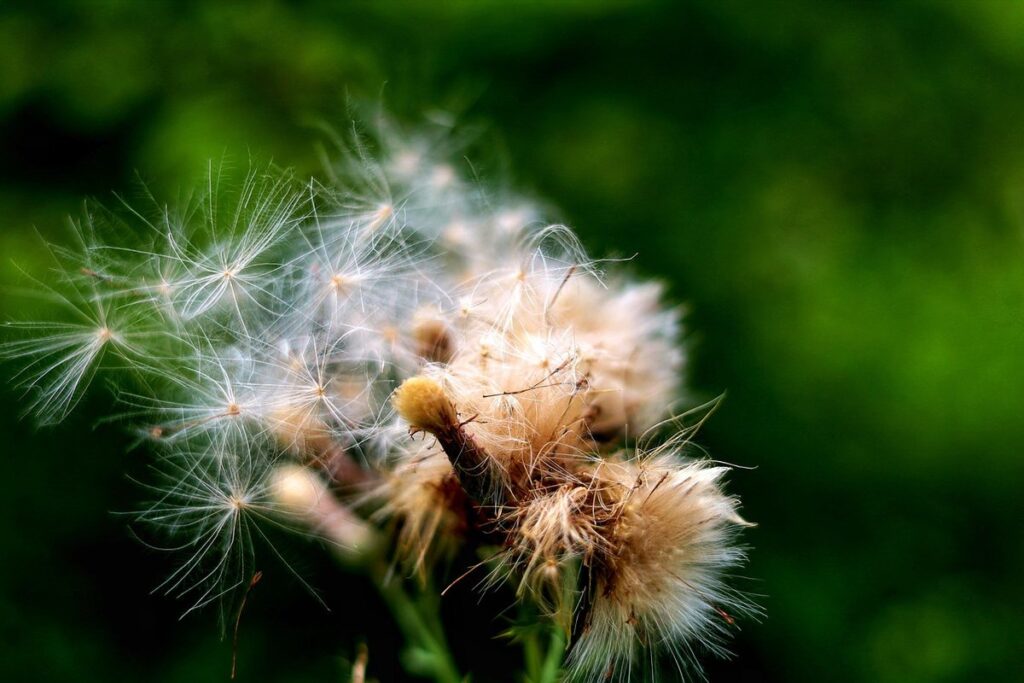
What is Thistle Weed?
Thistle weed, also known as Canadian thistle, is a prickly plant that’s often misunderstood and misidentified. Let’s take a closer look at its unique characteristics and how it grows in different environments.
Definition and Classification
Thistle weed is a member of the Asteraceae family, which also includes sunflowers, daisies, and artichokes. This classification group is characterized by their composite flowers, comprising a central disc surrounded by petals. The Asteraceae family is one of the largest and most diverse plant families, with over 23,000 known species worldwide.
Within this family, thistle weed is specifically part of the Cirsium genus, which includes approximately 600 species of thistles. These plants are generally perennial or biennial in nature, producing long stems with prickly leaves and showy flower heads. Thistle weeds can be found growing wild in a variety of habitats, including grasslands, meadows, and woodland edges.
The ability to classify thistle weed within the Asteraceae family and Cirsium genus is important for several reasons. It helps botanists and herbalists understand the plant’s evolutionary relationships with other species and its potential uses in traditional medicine. Furthermore, accurate classification can aid in the identification of similar-looking plants that may have different properties or effects.
History of Use
Thistle weed has a long history of use dating back to ancient times. Its earliest recorded uses can be found in ancient Greek and Roman medical texts, where it was employed for its purported ability to treat various ailments including fever, indigestion, and skin issues. The plant was also mentioned in medieval European herbalism as a treatment for respiratory problems, such as coughs and bronchitis. In traditional Chinese medicine, thistle weed is used to warm the spleen and stomach, treating conditions like digestive weakness and menstrual irregularities.
In many parts of Europe, particularly in Scotland and Ireland, thistle weed has been used for centuries as a medicinal herb. It was often combined with other herbs like chamomile and lavender to create teas and infusions that were believed to promote relaxation and soothe nervous disorders. However, it’s worth noting that the use of thistle weed is not universally accepted, and some traditional healers have expressed caution regarding its potential toxicity when consumed in large quantities or over extended periods.
Health Benefits of Thistle Weed
Thistle weed has been used for centuries to support digestive health, reduce inflammation, and even lower cholesterol levels. Let’s take a closer look at its impressive range of potential health benefits.
Anti-Inflammatory Properties
Thistle weed contains a range of anti-inflammatory compounds, including flavonoids, saponins, and terpenes. These bioactive molecules have been shown to reduce inflammation by inhibiting enzymes involved in the inflammatory process. One key compound, known as thistle saponin, has demonstrated potent anti-inflammatory activity in studies.
The potential health benefits of these anti-inflammatory compounds are significant. They may help alleviate symptoms associated with arthritis, such as joint pain and swelling, by reducing pro-inflammatory cytokines and enzymes. In addition, the anti-inflammatory effects of thistle weed may also contribute to its ability to improve cardiovascular health by reducing inflammation in blood vessels.
Thistle weed’s anti-inflammatory properties can be attributed to its unique combination of bioactive compounds, which work synergistically to reduce oxidative stress and inflammation. This makes it an attractive natural remedy for conditions characterized by chronic inflammation, such as arthritis and other autoimmune diseases. While more research is needed to fully understand the effects of thistle weed on human health, existing studies suggest that it may be a valuable addition to a therapeutic regimen.
Antioxidant Properties
Thistle weed contains a range of antioxidants, including flavonoids, phenolic acids, and saponins. These compounds have been shown to scavenge free radicals and reduce oxidative stress, which can contribute to cell damage and inflammation. Studies have demonstrated that thistle weed extracts exhibit potent antioxidant activity, with the ability to neutralize reactive oxygen species (ROS) and protect against lipid peroxidation.
In particular, the flavonoids present in thistle weed, such as kaempferol and quercetin, have been found to possess strong antioxidant properties. These compounds can help to mitigate oxidative stress in various cell types, including liver cells, which are particularly vulnerable to damage from ROS. By consuming thistle weed or using its extracts, individuals may be able to support their cellular health and reduce the risk of chronic diseases associated with oxidative stress.
The specific antioxidants present in thistle weed, as well as their mechanisms of action, are areas of ongoing research. However, existing studies suggest that incorporating thistle weed into one’s diet or supplement routine may provide a useful complement to antioxidant-rich foods and other lifestyle interventions aimed at promoting overall health and well-being.
Immune System Support
Thistle weed has been traditionally used to support immune system function, and some research suggests it may have a role in preventing or treating illnesses. One way thistle weed supports immunity is by reducing inflammation, which can weaken the body’s defenses against infection. Studies have shown that thistle weed extracts have anti-inflammatory properties, which may help alleviate symptoms of conditions such as arthritis and asthma.
Thistle weed also contains antioxidants, including flavonoids and phenolic acids, which can help protect cells from damage caused by free radicals. This antioxidant activity may contribute to the herb’s potential immune-boosting effects. Some research has suggested that thistle weed may have immunomodulatory properties, meaning it could influence or regulate the body’s immune response.
To potentially benefit from thistle weed’s immune support, you can consume it as a tea, infusion, or capsule supplement. When using thistle weed for immune system support, be aware of potential interactions with medications such as blood thinners and diabetes medications. Consult with a healthcare professional before adding thistle weed to your regimen, especially if you have underlying health conditions.
Risks and Side Effects of Thistle Weed
When using thistle weed, it’s essential to be aware of potential risks and side effects that may occur due to its potency. We’ll examine these possible issues in this section.
Potential Allergies and Intolerances
Allergic reactions to thistle weed can manifest as skin rashes, itching, or hives. In rare cases, anaphylaxis may occur, requiring immediate medical attention. Symptoms of intolerance may be more subtle and can vary depending on the individual, but common complaints include digestive issues like bloating, gas, and stomach cramps.
If you suspect a thistle weed allergy or intolerance, discontinue use immediately and consult a healthcare professional for proper diagnosis and treatment. They may recommend skin prick tests or blood tests to confirm an allergic reaction.
In general, people with pre-existing allergies to plants in the Asteraceae family, such as ragweed or sunflowers, are more likely to experience adverse reactions to thistle weed. Those with compromised immune systems or taking immunosuppressive medications should also exercise caution when using thistle weed.
If you choose to use thistle weed despite these risks, start with small amounts and monitor your body’s response closely. If symptoms persist or worsen, discontinue use and seek medical attention.
Interactions with Medications
Thistle weed may interact with certain prescription medications, including blood thinners like warfarin and aspirin. This is because thistle weed contains compounds that can enhance the effects of these medications, increasing the risk of bleeding or bruising. For example, if you take warfarin to prevent blood clots, consuming large amounts of thistle weed may require adjustments to your medication dosage.
Thistle weed also interacts with diabetes medications, such as metformin and sulfonylureas. The silymarin in thistle weed can lower blood sugar levels too quickly, leading to hypoglycemia or low blood sugar. To avoid this, individuals taking diabetes medications should monitor their blood glucose levels closely after consuming thistle weed.
Other potential interactions include those with thyroid medications like levothyroxine and triiodothyronine. The goitrogenic compounds in thistle weed may interfere with thyroid hormone absorption, reducing the effectiveness of these medications. If you take thyroid medication and plan to use thistle weed, consult your healthcare provider for guidance on safe dosages and potential adjustments.
Individuals taking immunosuppressive or anti-inflammatory medications should also exercise caution when consuming thistle weed.
Pregnancy and Breastfeeding Considerations
Thistle weed contains compounds that may stimulate the uterus and increase menstrual flow, which can be problematic for pregnant women. If you’re expecting, consult with a healthcare provider before consuming thistle weed or using it as a remedy. Some studies suggest that thistle weed’s silymarin content may also interact with certain medications used during pregnancy.
Breastfeeding mothers should exercise caution when using thistle weed due to its potential to affect milk production and composition. Thistle weed’s estrogenic properties could potentially influence hormone levels in both mother and child, but more research is needed to fully understand this relationship.
To safely use thistle weed while pregnant or breastfeeding, follow these guidelines: avoid consuming large quantities of thistle weed, monitor your body’s response for any adverse effects, and be aware that some people may experience allergic reactions. If you’re considering using thistle weed during pregnancy or breastfeeding, prioritize open communication with a healthcare provider to discuss potential risks and benefits tailored to your individual situation.
Some herbalists recommend substituting thistle weed with other anti-inflammatory herbs like dandelion root or peppermint when pregnant or nursing, as these alternatives may be safer options for supporting digestive health.
Using Thistle Weed in Cooking and Herbalism
When working with thistle weed, one of the most exciting applications is incorporating it into your cooking and herbal remedies, unlocking its full potential. We’ll explore some creative ways to use this versatile plant.
Preparing Thistle Weed as a Food
When preparing thistle weed as a food, it’s essential to note that its flavor profile is often described as slightly bitter and earthy. To mitigate this bitterness, some cooks recommend pairing thistle weed with ingredients that have strong flavors, such as garlic or lemon juice. Thistle weed can be added raw to salads, providing a unique texture and flavor contrast.
One popular way to prepare thistle weed is by infusing it in soups, stews, or braises. This method allows the bitter compounds to break down, resulting in a more palatable taste experience. For instance, adding a handful of fresh thistle weed leaves to a vegetable broth can add depth and complexity.
Thistle weed can also be used as an ingredient in traditional dishes like stews and casseroles. In these preparations, the heat from cooking helps to reduce the bitterness, making it more accessible for consumption. When using thistle weed in cooked dishes, it’s recommended to start with small amounts and adjust to taste, as its flavor can quickly overpower other ingredients.
Some recipes also suggest combining thistle weed with other herbs like parsley or dill to create a balanced flavor profile. Experimenting with different preparation methods and pairings can help you find the most enjoyable way to incorporate thistle weed into your diet.
Creating Thistle Weed Tea and Infusions
Thistle weed tea and infusions are a popular way to harness its potential benefits. To create thistle weed tea, start by gathering fresh or dried thistle weed leaves and flowers. Steep 1-2 teaspoons of the herb in boiling water for 5-7 minutes, then strain and enjoy as a hot or cold infusion.
When preparing thistle weed infusions, consider using a combination of herbs to enhance its effects. For example, pairing thistle weed with peppermint or lemon balm can add a refreshing twist. Alternatively, blend thistle weed with other anti-inflammatory herbs like ginger or turmeric for an added boost.
Some tips for making the most of your thistle weed tea and infusions include using high-quality, organic thistle weed whenever possible, and adjusting the steeping time to suit your taste preferences. If you find the flavor too bitter, try adding a sweetener like honey or maple syrup to balance it out. You can also experiment with different ratios of thistle weed to other herbs to create unique blends tailored to your needs.
Combining Thistle Weed with Other Herbs
When combining thistle weed with other herbs, consider the properties and effects of each plant to create unique blends. For example, pairing thistle weed with ginger can enhance its anti-inflammatory properties, while combining it with peppermint may amplify its antioxidant benefits. Thistle weed’s earthy flavor pairs well with sweet herbs like lavender or chamomile, making for a soothing tea blend.
To create a harmonious combination, focus on balancing properties: warm herbs like thyme and rosemary complement cool herbs like mint and lemongrass. When combining thistle weed with more potent herbs like garlic or onion, start with small amounts to avoid overpowering the flavor.
Consider the following combinations for different purposes:
- Digestive issues: Thistle weed + ginger + peppermint
- Skin health: Thistle weed + calendula + chamomile
- Respiratory support: Thistle weed + eucalyptus + thyme
When creating your own blends, remember that ratios can greatly impact the final effect. Start with small batches and adjust to taste, as some combinations may require more experimentation than others. By thoughtfully combining thistle weed with other herbs, you can unlock new uses and benefits in cooking and herbalism.
Cultivating and Identifying Thistle Weed
Thistle weed can be a tricky plant to recognize, especially when it’s young or growing among other vegetation. Learning to identify its distinctive features is essential for responsible harvesting and cultivation.
Growing Conditions and Requirements
Thistle weed prefers well-drained soil with a pH between 6.0 and 7.0. It can thrive in poor soil conditions but will perform best in rich, fertile soil amended with compost or manure. When it comes to sunlight, thistle weed is adapted to full sun and can tolerate extreme heat. However, young plants may benefit from partial shade during the hottest part of the day.
In terms of water needs, thistle weed requires moderate watering, especially when grown in areas with low rainfall. Aim to provide about 1 inch of water per week through rainfall or irrigation. Avoid overwatering, as this can lead to root rot and other problems. Thistle weed is also relatively drought-tolerant and can survive short periods without water.
When cultivating thistle weed, it’s essential to choose a location with good air circulation to prevent fungal diseases. The plant can be grown from seed or propagated through division of established plants. Thistle weed typically grows to 3-6 feet tall and 2-4 feet wide, making it suitable for small gardens or containers. With proper care and attention, thistle weed can become a hardy and resilient addition to your garden.
Identification and Distinguishing Features
Thistle weed can be tricky to identify, especially for beginners. Its distinguishing features are key to avoiding lookalikes and ensuring proper use. The plant typically grows between 1-3 feet tall, with a stout stem and narrow leaves that point upwards. Thistle weed’s flowers are purple or pink, arranged in a spherical shape at the top of the stem.
One way to identify thistle weed is by its leaf shape and arrangement. Unlike some lookalikes, thistle weed’s leaves do not have hairs on their underside. The plant also tends to grow in clusters, often with multiple stems emerging from a single root system. When harvesting thistle weed, it’s essential to note that the flowers are the most potent part of the plant.
Some plants to watch out for when trying to identify thistle weed include bull thistle and Canada thistle. These lookalikes can have similar growth habits and flower arrangements but often have distinct differences in their leaf shape or stem texture. When in doubt, consult a field guide or an experienced herbalist for guidance on identifying thistle weed accurately.
Harvesting and Processing Techniques
Harvesting thistle weed requires careful attention to timing and technique. The best time to harvest is when the plant is in full bloom, as this ensures the highest concentration of medicinal compounds. Avoid harvesting during periods of drought or extreme weather conditions, which can reduce the plant’s potency.
When processing thistle weed, it’s essential to preserve its delicate oils and resins. To dry the leaves and stems, tie them in small bunches and hang them upside down in a warm, dark place with good air circulation. This method helps prevent spoilage and preserves the plant’s medicinal properties.
Alternatively, you can use a dehydrator or low-temperature oven (150°F – 200°F) to dry thistle weed more quickly. Regardless of the drying method, ensure that the plant material is completely dry before storing it in airtight containers. This will help maintain its potency and prevent degradation over time.
When preparing thistle weed for use, be sure to chop or bruise the leaves and stems to release their oils and resins. This can be done using a mortar and pestle or a coffee grinder. Store the processed thistle weed in dark glass jars to protect it from light and preserve its medicinal properties.
Thistle Weed in Traditional Medicine and Folklore
Thistle weed has been a staple in traditional medicine for centuries, its uses spanning from alleviating digestive issues to treating skin problems. Let’s take a closer look at its history.
Historical Use in Herbalism
Thistle weed has a rich history of use in traditional herbal medicine, with evidence of its application dating back to ancient civilizations. In medieval Europe, thistle weed was employed to treat a range of ailments, including rheumatism, skin conditions, and digestive issues. The plant’s anti-inflammatory properties made it a popular choice for soothing irritations and reducing swelling.
In traditional Chinese medicine, thistle weed is still used today to balance the body’s energy and alleviate symptoms associated with colds and flu. Herbalists often combine thistle weed with other plants, such as peppermint and ginger, to enhance its therapeutic effects.
The use of thistle weed in herbalism is also reflected in folklore and mythology. In Scotland, for example, it was believed that thistle weed possessed magical properties, and was used in rituals to ward off evil spirits. This cultural significance has contributed to the plant’s enduring popularity among herbalists and natural health practitioners.
To harness the benefits of thistle weed, it’s essential to prepare it correctly. When using dried thistle weed for tea or infusions, a general rule of thumb is to start with small quantities (about 1 teaspoon per cup) and adjust as needed based on individual tolerance and sensitivity.
Cultural Significance and Symbolism
In various cultures, thistle weed holds a special place due to its symbolic significance. For example, in Scotland and Ireland, it’s seen as a symbol of resilience and determination. This is likely because thistle weeds are able to grow in harsh environments where other plants struggle to thrive. In some folk magic traditions, thistle weed is used to ward off evil spirits or to bring good luck.
Thistle weeds have also been incorporated into various rituals and ceremonies. For instance, in some Scottish weddings, the bride’s bouquet often includes thistle flowers as a nod to her heritage. Additionally, in certain Irish traditions, thistle is associated with protection and is used in spells to safeguard against harm.
When it comes to using thistle weed for its symbolic significance, it’s essential to understand its cultural context. If you’re interested in incorporating thistle into your own practices or rituals, consider the history and meaning behind its use. You can also experiment with combining thistle with other herbs to create unique blends that hold personal significance.
Some key points to keep in mind when working with thistle weed for symbolic purposes include:
- Research the specific cultural context of thistle use
- Experiment with different preparation methods, such as infusions or tinctures
- Consider pairing thistle with other herbs to enhance its symbolism
Frequently Asked Questions
How to Store Thistle Weed for Long-Term Use
Thistle weed can be dried and stored in airtight containers to preserve its medicinal properties. It’s essential to keep it away from direct sunlight, moisture, and heat sources. You can also store it in the refrigerator or freezer to extend its shelf life.
What if I’m Allergic to Other Asteraceae Family Plants?
If you’re allergic to plants like ragweed or sunflowers, which are also members of the Asteraceae family, you may be more likely to experience an allergic reaction to thistle weed. However, this doesn’t necessarily mean you’ll react negatively; it’s always a good idea to consult with a healthcare professional before using thistle weed for medicinal purposes.
Can I Use Thistle Weed as a Substitute for Other Anti-Inflammatory Herbs?
Thistle weed has anti-inflammatory properties similar to those of turmeric or ginger, but its effects may be more pronounced in certain individuals. You can experiment with combining thistle weed with other herbs to create unique blends, but start with small doses and monitor your body’s response.
How Long Does It Take for Thistle Weed Tea to Become Effective?
The effectiveness of thistle weed tea can vary depending on individual factors, such as the strength of the infusion, the frequency of consumption, and overall health. Some users report noticing benefits within a few days, while others may require longer periods of consistent use.
Is Thistle Weed Safe for Children and Pets?
While thistle weed is generally considered safe when used in moderation, it’s essential to exercise caution when introducing it to children or pets. As with any new supplement or herb, consult with a healthcare professional before sharing it with minors or using it around animals to ensure their safety and well-being.

