
A strong beekeeper is only as good as their understanding of honey production. You’ve likely noticed that some hives seem to consistently outperform others, yielding a bounty of golden nectar each harvest season. But have you ever stopped to think about just how much honey can a hive actually produce? The answer lies in a delicate balance of ideal conditions, careful queen selection, and meticulous inspections. When beekeepers grasp the basics of optimizing honey production, they’re able to coax incredible yields from their colonies. In this article, we’ll explore the factors that affect yield, discuss strategies for regular inspections and queen selection, and delve into measuring honey quality. By the end of it, you’ll be equipped with the knowledge needed to take your beekeeping skills to the next level.
Understanding Beekeeping Basics
When it comes to beekeeping, understanding the basics is crucial for any new beekeeper. In this section, we’ll cover the essential elements of beekeeping that will help you estimate a hive’s honey production potential.
The Importance of Colony Strength
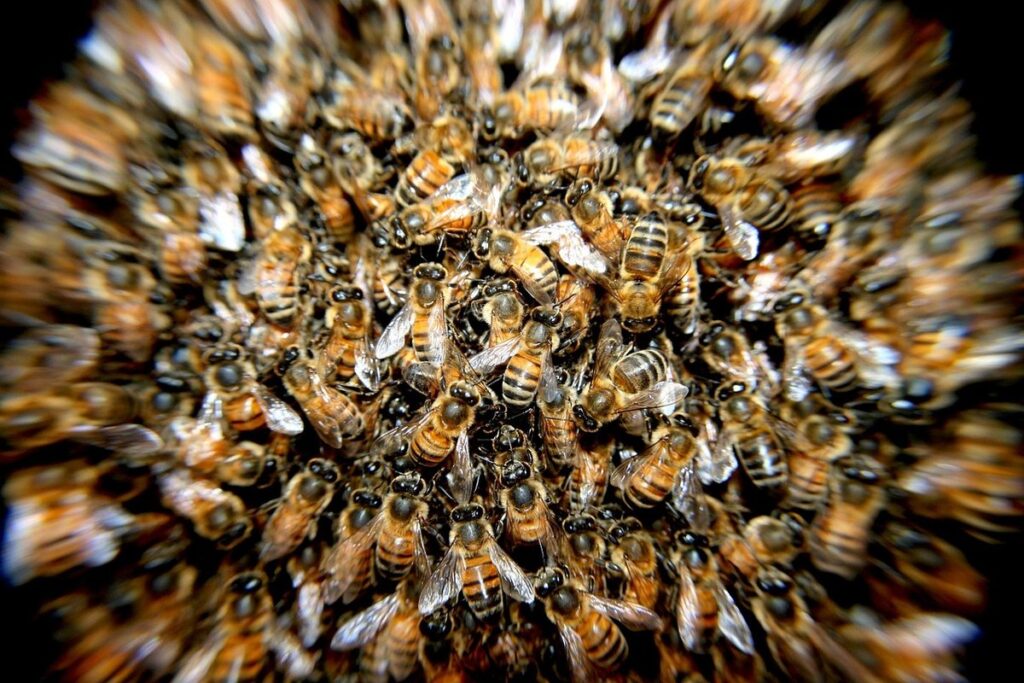
A strong colony is essential for maximizing honey production. The number of bees in a hive directly impacts the amount of nectar they can collect and process into honey. A larger bee population means more foragers to gather nectar, resulting in increased honey yields. Conversely, a weak or underpopulated colony may struggle to produce enough honey due to limited workforce.
Bee health is also crucial in determining a colony’s strength. Healthy bees are better equipped to defend against pests and diseases that can decimate a hive. Regular monitoring of the colony for signs of illness, such as deformed wings or unusual behavior, allows beekeepers to take proactive measures to prevent outbreaks. A healthy colony will typically have a robust brood nest, with a high number of worker bees and a strong queen.
To gauge the strength of your colony, count the number of bees in the hive during peak hours (usually between 10 am and 2 pm). Look for signs of activity, such as honeycomb construction or pollen storage. Aim to maintain a minimum of 30,000 to 40,000 worker bees per hive.
Ideal Conditions for Honey Production
A hive’s location and climate play significant roles in determining its honey production potential. Regions with mild winters and warm summers provide optimal conditions for bees to thrive. A consistent nectar flow, typically 3-6 months long, is crucial for a healthy honey yield. Bees need access to an abundance of nectar-rich flowers, such as sunflowers, lavender, or clover, to fuel their honey production.
Within the hive, sufficient space and proper ventilation are essential. A well-designed hive with adequate room for expansion allows bees to store excess honey safely. Water sources nearby also ensure the colony’s hydration needs are met. Aim to provide at least 2-3 gallons of water per week during peak summer months. Adequate storage capacity is equally important, as bees can produce up to 100 pounds of excess honey in a single season.
Maintaining a strong, healthy colony through proper management practices and disease control measures will also positively impact honey production. Regular inspections help identify potential issues before they become severe.
Factors Affecting Honey Yield
When it comes to understanding how much honey a hive can produce, several key factors come into play that affect yield. Nectar flow, queen bee health, and hive maintenance are all crucial considerations.
Weather Patterns and Climate Change
Honey production is heavily influenced by weather patterns and climate change. Extreme temperatures can have devastating effects on honey yields. Bees are sensitive to heat stress during prolonged periods of high temperatures, which can lead to a decline in honey production. Conversely, cold snaps can also impact nectar flow and pollen collection.
Droughts are another significant concern for beekeepers. Without sufficient water sources, bees struggle to produce honey, as they require a constant supply of water for drinking and cooling their hives. Prolonged droughts can lead to reduced nectar flows and decreased honey production.
Storms, particularly those with strong winds, can also damage beehives and disrupt the delicate balance of the colony. Beekeepers must take precautions during extreme weather events to protect their bees and ensure continued honey production.
In areas where climate change is causing more frequent and severe weather patterns, beekeepers must adapt their strategies to mitigate the impact on honey yields. This may involve selecting varieties of flowers that are more resistant to drought or using specialized equipment to shield hives from strong winds.
Pesticide and Herbicide Use in Beekeeping Areas
Pesticide and herbicide use near beekeeping areas can have devastating effects on honey production. Exposure to these chemicals has been linked to Colony Collapse Disorder (CCD), a phenomenon where worker bees abandon their hives, leaving the queen behind. This loss of foragers severely impacts nectar collection and subsequently reduces honey yields.
Some common pesticides, such as neonicotinoids, have been found in high concentrations near bee colonies. These chemicals can contaminate pollen and nectar, making it difficult for bees to produce quality honey. Herbicides like glyphosate have also been shown to disrupt the microbiome of bees, further compromising their ability to gather food.
To mitigate these effects, consider planting bee-friendly flowers and herbs that are naturally resistant to pests. Some options include lavender, coneflower, and sunflower. Avoid spraying pesticides or herbicides within 100 feet of your beehives, and opt for integrated pest management (IPM) strategies instead. These methods focus on maintaining ecosystem balance through techniques like crop rotation and biological controls.
When selecting nearby crops, choose those with low pesticide usage profiles. Consider working with local farmers to adopt more sustainable practices that prioritize bee health.
Hive Management Strategies
To optimize honey production, we’ll explore key hive management strategies that ensure a healthy colony and maximum nectar collection. Effective practices like swarming control and queen replacement are crucial for a thriving hive.
Regular Inspections and Maintenance
Regular inspections and maintenance are crucial for a healthy colony and optimal honey production. A thriving hive is more likely to produce abundant nectar flows, which translates to higher honey yields. You should inspect your hive every 7-10 days during the active season to monitor its overall health.
During these inspections, check for signs of pests or diseases, such as American Foulbrood or Varroa mite infestations. Ensure that the queen is laying eggs and that the brood pattern appears even. You should also monitor the hive’s population growth and adjust your management strategies accordingly.
Keep an eye on moisture levels within the hive, as excessive dampness can lead to mold growth and reduce honey production. Also, inspect the bees’ food stores to determine if they’re running low. If you notice any issues during inspections, take prompt action to correct them, such as treating for pests or adjusting ventilation.
A well-maintained hive is better equipped to handle seasonal fluctuations in nectar flow and other external factors affecting honey production. By prioritizing regular inspections and maintenance, you’ll be more likely to achieve optimal honey yields from your hive. This includes checking the queen’s pheromone trails and ensuring that the bees have adequate space to store their honey.
Queen Bee Selection and Replacement
A healthy queen bee is essential for a strong, productive colony. Replacing her every 2-3 years can boost honey production and overall hive health. Inspect your queen regularly during regular inspections to identify signs of aging or failing performance, such as reduced egg-laying, slower brood development, or an increase in drone bees.
When selecting a new queen, consider her breed, age, and quality. Many beekeepers opt for queens bred specifically for high honey production, often from commercial suppliers or reputable breeders. These queens tend to be more fertile and productive than those raised on-site. Some popular breeds for honey production include Carniolan and Italian bees.
Evaluate the colony’s needs before introducing a new queen: if it’s under 2 years old, you may want to choose a younger queen (less than 1 year) to ensure she has enough time to produce multiple generations of worker bees. In contrast, an older queen can be more suitable for established colonies looking to maintain their honey production levels.
Before introducing the new queen, perform a gentle manipulation to remove any pheromone trails that may attract the old queen’s loyal attendants. This helps reduce aggression and ensures a smooth transition.
Feeding and Supplementing Bees
When nectar flows dwindle during periods of scarcity or harsh weather conditions, bees rely on stored honey and pollen for sustenance. In such situations, beekeepers may need to supplement their bees with additional food sources to maintain colony health and prevent starvation.
Bees typically require a sugar-water solution (1:1 ratio) as a substitute for nectar when natural sources are scarce. This can be prepared at home or purchased from a reputable supplier. However, it’s essential to avoid over-supplementing, as this can disrupt the bees’ natural foraging behavior and lead to reduced honey production.
A small feeding station placed near the hive entrance allows bees easy access to the sugar-water mixture. The feeder should be cleaned regularly to prevent fermentation and contamination. In severe cases of nectar scarcity, beekeepers may also consider providing pollen supplements or protein-rich foods like bee bread or royal jelly. These additions can help maintain colony strength and ensure continued honey production during challenging times.
When supplementing bees, it’s crucial to monitor their behavior and adjust feeding schedules accordingly. Bees will often communicate through dance patterns when they require more food, so observing these cues can help inform supplementation decisions.
Honey Production Cycles
A honey production cycle typically lasts from spring to fall, with most hives producing new nectar flows throughout these seasons.
Spring Nectar Flow and Pollen Collection
During spring, honeybees embark on an intense foraging mission to gather nectar and pollen. This critical period is crucial for honey production as it sets the stage for the summer harvest. As temperatures rise and flowers bloom, bees fan out across the landscape to collect resources from a wide variety of plants.
In this brief window, typically lasting several weeks, a hive can consume enormous amounts of nectar, which is then converted into honey through regurgitation and evaporation. The quality and quantity of spring pollen are particularly important as they contribute significantly to the overall nutritional profile of the colony. A strong flow of spring nectar also signals the bees to build up their stores for the leaner summer months.
A well-managed hive with a healthy queen, adequate space, and access to diverse forage can take full advantage of this bounty. However, factors like climate change, pesticide use, and poor hive management can significantly impact the success of this critical period. To maximize honey production, beekeepers should closely monitor their colonies’ needs during spring, ensuring they have enough resources to thrive.
Summer and Fall Nectar Flows
During the summer months, beehives typically experience a secondary nectar flow as warm weather and abundant flower blooms provide an ideal environment for honey production. This period often lasts several weeks, depending on factors like temperature and rainfall. As the bees collect nectar from a wide variety of flowers, including sunflowers, zinnias, and cosmos, they store it in the honey stomach.
In the fall, a final nectar flow occurs before winter, triggered by cooler temperatures and the ripening of late-season crops such as pumpkins and squash. Bees are particularly active during this time, collecting nectar from an assortment of flowers including asters, goldenrod, and sedum. They store this excess nectar in cells within the honeycomb, where it will be converted into honey through regurgitation and evaporation.
The summer and fall nectar flows contribute significantly to a hive’s overall honey production. During these periods, bees are able to gather large amounts of nectar, which is then stored and processed into honey. The total amount of honey produced during this time can vary greatly depending on factors like weather conditions, available forage, and the strength and health of the colony.
Measuring Honey Production
To give you a clear idea of what to expect from your hive, let’s explore how honey production is measured and recorded over time.
Calculating Total Honey Yield
Calculating total honey yield involves considering two key factors: bee strength and honey quality. You’ll need to know the average nectar flow per day for your area and the colony’s production efficiency.
Start by estimating the daily nectar intake, which is typically around 1-2 pounds (0.5-1 kg) per colony during peak flows. Next, consider the number of frames filled with honey in a single brood box. A standard Langstroth hive has eight frames; assume an average fill rate of 50% for each frame.
To calculate total yield, you’ll need to factor in the percentage of ripe, extractable honey. This can range from 80-90% due to moisture content and bee behavior. For a 10-frame brood box with 50% fill rate, you might expect around 3-4 pounds (1.5-2 kg) of usable honey per colony.
Remember that these estimates vary depending on local conditions, hive management strategies, and queen performance. You can adjust your calculations based on the actual harvest weights from previous seasons or through more precise monitoring of nectar flows and bee activity.
Factors Affecting Honey Quality
Honey quality can be affected by several key factors. The moisture content of honey is crucial; if it’s too high, honey is more susceptible to fermentation and granulation. Most commercial beekeepers aim for a moisture level between 14% and 18%, though some specialty honeys may have higher or lower levels.
A honey’s flavor profile can also impact its quality. This is influenced by the nectar source, as well as any processing steps that may be taken after harvesting. For example, pure clover honey typically has a light, floral taste, while buckwheat honey often has a stronger, molasses-like flavor.
Contaminants are another concern for high-quality honey production. Bees can pick up residues from pesticides or herbicides during their foraging activities, which can then be present in the harvested honey. This is why many beekeepers choose to manage their apiaries without chemical pesticides, and some even test their honey for contaminants before selling it. Regular inspections of equipment and storage areas are also essential for preventing contamination. A small minority of commercial beekeepers use specialized filters or other equipment to ensure their honey meets strict purity standards.
Advanced Beekeeping Techniques
To take your beekeeping skills to the next level, you’ll want to learn advanced techniques for harvesting honey and maintaining a healthy hive ecosystem, such as split cell frames.
Top-Bar Hives and Warre Hives
Top-bar hives and Warre hives are two alternative hive designs gaining popularity among beekeepers. These hives offer a more natural approach to keeping bees, which can lead to improved colony health and increased honey production.
Top-bar hives feature movable frames that allow for easy inspection and harvesting. By giving the bees free reign to build their comb as they see fit, these hives promote a more natural brood pattern and reduce congestion. This design also enables beekeepers to harvest honey without disrupting the hive’s internal structure. Many top-bar hive users report increased honey production due to the reduced stress on the colony.
Warre hives, developed by French beekeeper Émile Warré, are vertical hives with a unique box-in-box design. Each box is stacked on top of the other, allowing for a larger volume without increasing the footprint. Warre hives promote a healthier environment by providing ample space for the bees to build their comb and store honey. This design also allows for easy expansion or contraction of the hive as needed. Beekeepers using Warre hives often report higher honey yields due to the reduced competition for resources within the hive.
When transitioning to either top-bar or Warre hives, beekeepers should research specific installation and management requirements to ensure a smooth integration into their existing beekeeping routine.
Integrated Pest Management (IPM) Strategies
When managing a bee colony to maximize honey yield, Integrated Pest Management (IPM) strategies are crucial for controlling pests and diseases. This approach considers multiple factors, including pest biology, ecology, and management practices, to minimize harm to the bees while effectively addressing infestations.
To implement IPM in your beekeeping operation, consider the following steps:
- Monitor for signs of pests or disease regularly through inspections.
- Identify the specific pest or disease present and assess its severity.
- Use targeted control methods, such as introducing beneficial insects or using organic chemicals, to address infestations without harming the bees.
Some effective IPM strategies include:
- Encouraging a diverse range of flora in the surrounding area to reduce reliance on single-nectar sources.
- Rotating bee hives to minimize exposure to pests and diseases.
- Maintaining clean equipment and infrastructure to prevent disease transmission.
By adopting these IPM strategies, you can create a healthier environment for your bees and maximize honey production. This approach also helps mitigate the impact of pests and diseases on bee populations, which is essential for maintaining robust colonies that produce abundant honey.
Frequently Asked Questions
How Long Does it Take for Bees to Start Producing Honey After Introducing a New Hive?
Bee colonies typically take around 1-2 years to reach optimal honey production after introducing a new hive. This timeframe allows the colony to build up strength, establish a strong queen bee, and adapt to their environment.
Can I Use the Same Hive Design for Both Nectar-Rich and Low-Nectar Areas?
While some hive designs can be adapted for different environments, using the same design in both nectar-rich and low-nectar areas may not yield optimal results. It’s recommended to choose a hive design that suits the specific climate and nectar availability of your area.
How Do I Know if My Bees are Getting Enough Water?
Bee colonies require access to clean water for drinking, cooling the hive, and diluting nectar. If you notice a decrease in honey production or an increase in dead bees near the hive entrance, it may indicate that your bees are struggling to find sufficient water.
Can I Use Integrated Pest Management (IPM) Strategies Without Sacrificing Honey Quality?
Yes. IPM strategies can actually improve honey quality by reducing the presence of pests and diseases within the colony. This allows for cleaner nectar collection and storage, resulting in higher-quality honey.
