If you’re involved in farming or meat production, chances are you’ve come across terms like “ram” or “buck,” but do you know the difference between these two types of sheep? A ram is a mature male sheep, typically used for breeding purposes due to its ability to fertilize multiple ewes. But what makes a ram so unique in terms of characteristics and breeds? In this comprehensive guide, we’ll delve into the definition, health, nutrition, and uses of rams on farms. We’ll cover various breeds, their distinct features, and how they’re utilized in meat production. By the end of this article, you’ll have a clear understanding of what makes a ram an essential part of sheep farming and be able to identify its characteristics, including those related to health and nutrition.
Understanding Ram Sheep Basics
To fully grasp what makes a ram sheep unique, let’s break down its characteristics and traits that set it apart from other types of sheep. We’ll examine the key features that define this distinct breed.
Definition and Identification
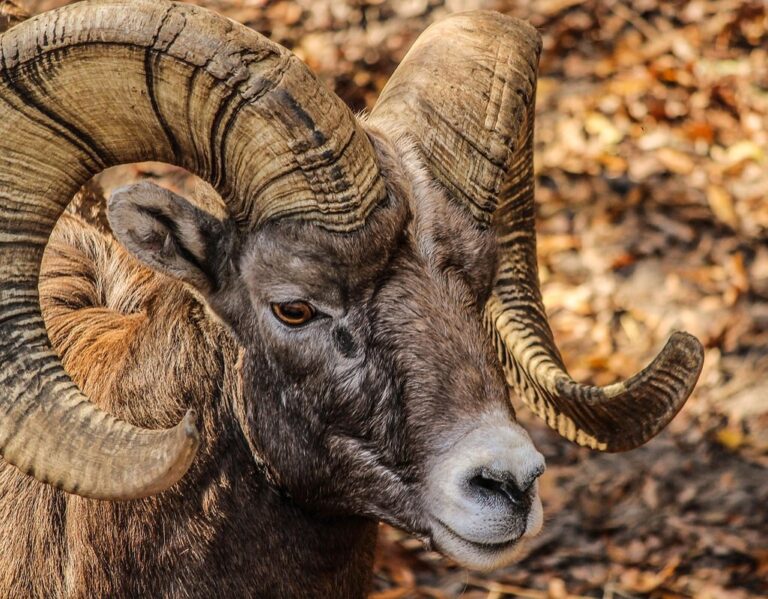
A ram sheep is defined as an intact male sheep, typically between one and two years old, with testicles that have descended into their scrotum. This distinguishes them from ewes, which are female sheep, and wethers, which are castrated males. Rams can be identified by their physical characteristics, such as a larger size than ewes, a broader chest, and longer horns. Horns are typically present in rams, but not all breeds have them.
In different contexts, identifying a ram sheep may be necessary to determine its purpose or behavior. For example, in a breeding program, it’s essential to identify intact males to prevent unwanted breeding. In a flock management context, knowing the sex and status of each animal helps with planning and decision-making.
Some key physical traits that distinguish rams from ewes and wethers include:
- A larger size
- Broader chest
- Longer horns (when present)
- Descended testicles in the scrotum
Keep in mind that these characteristics can vary depending on breed and genetics. If you’re unsure about an individual animal’s sex or status, it’s best to consult with a veterinarian or experienced shepherd for guidance.
Importance in Sheep Farming
Ram sheep play a crucial role in maintaining genetic diversity within sheep populations. By introducing new genetics through breeding programs, farmers can reduce the risk of inbreeding and its associated consequences, such as decreased fertility and increased susceptibility to disease. This is particularly important for smaller farms or those with limited resources, where access to diverse breeding stock may be restricted.
In commercial farming settings, ram sheep are used to improve livestock production by introducing desirable traits like increased growth rate, improved muscling, or enhanced wool quality. For instance, using a high-quality ram from a proven breeding line can elevate the overall performance of the flock, leading to greater efficiency and profitability.
To maximize the benefits of using ram sheep in breeding programs, farmers should select animals with a strong genetic pedigree and consider factors like fertility, conformation, and temperament. They should also prioritize rotational breeding strategies to maintain genetic diversity and prevent over-reliance on a single sire line.
Characteristics of Ram Sheep
A ram sheep is a specific type of male sheep, and understanding its characteristics is key to distinguishing it from other types of sheep. Let’s take a closer look at what makes a ram sheep unique.
Physical Traits
Ram sheep are easily identifiable by their distinctive physical traits. One of the most noticeable differences between ram and ewe sheep is body size: rams tend to be larger than ewes, with a more muscular build. This is due to their role as breeders, which requires them to defend themselves against predators and compete for mates.
Coat color also varies among ram sheep breeds. While some have a solid white or black coat, others display striking patterns such as red or tan patches on a white background. In contrast to other sheep breeds, rams often sport curved horns that can grow up to 3 feet in length. These impressive horns serve as a status symbol and are essential for defending territory and mates.
Additionally, some ram breeds exhibit distinct facial features, including a broad forehead and prominent cheekbones. The overall appearance of a ram sheep is robust and imposing, setting them apart from ewes and other non-breeding males. In selecting a suitable ram for breeding purposes, it’s crucial to consider these physical characteristics to ensure compatibility with the flock and optimal reproductive performance.
Behavior and Temperament
Ram sheep exhibit complex social structures, often forming hierarchical groups within their flocks. Dominant rams will typically lead these groups, while subordinate males may engage in submissive behavior to avoid conflict. This pecking order can be influenced by factors such as age, size, and past experiences.
In terms of mating habits, intact male sheep are naturally polygynous, meaning they will mate with multiple females during breeding season. However, this does not mean that all ram sheep are aggressive or prone to fighting. In fact, most rams will avoid physical confrontation unless provoked or competing for a female in heat.
Some breeds, such as the Kiko and East Friesian, are known for their relatively calm temperament and lower aggression levels compared to others like the Suffolk and Hampshire Down. Understanding these differences can help farmers make informed decisions when selecting breeding stock or introducing new animals to a flock. When managing ram sheep, it’s essential to provide adequate space, housing, and management strategies to minimize stress and prevent conflicts from arising.
Breeds of Ram Sheep
Let’s take a closer look at some of the most popular breeds of ram sheep, each with its own unique characteristics and traits. From the miniature Zwartbles to the massive Suffolk rams.
Popular Breeds
Some of the most well-known breeds of ram sheep are the Suffolk, Hampshire Down, and Texel. Originating from England, these breeds are prized for their fast growth rate, robust constitution, and high-quality wool production. The Suffolk breed is particularly noted for its exceptional fertility, with rams able to sire lambs at an early age.
Another popular breed is the Rambouillet, originating from France. This breed excels in wool production, yielding a fine and soft fleece highly sought after by textile manufacturers. Their high-yielding ability makes them a favorite among sheep farmers seeking to maximize their returns on investment.
The Soay and Jacob breeds are also gaining popularity due to their hardiness and adaptability to harsh environments. The Soay breed, native to the Scottish islands, has been bred for centuries for its resistance to disease and parasite loads. Meanwhile, the Jacob breed is prized for its distinctive horns and ability to thrive in challenging conditions.
In selecting a ram breed, farmers often consider factors such as fertility, growth rate, and fleece quality. By choosing a breed that suits their specific needs and environment, sheep farmers can optimize their operations and improve overall productivity.
Rare and Heritage Breeds
These ram sheep breeds are often sought after for their unique characteristics and rich history. The Jacob sheep, with its striking appearance and ancient origins, is a prime example of a rare breed. Its distinctive horns and spotted coat make it a popular choice among enthusiasts.
The Karakul sheep is another heritage breed prized for its fine wool and unusual features. This Central Asian native has a distinctive scimitar-shaped horn that sets it apart from other breeds.
Other notable examples include the Soay sheep, known for its primitive genetics and hardiness in harsh environments, and the Manx Loaghtan sheep, which boasts a remarkable ability to thrive on limited resources. These breeds are often protected by conservation efforts due to their rarity and historical significance.
Their distinctive features make them valuable additions to breeding programs aimed at preserving genetic diversity. By incorporating these breeds into your flock, you can help safeguard the future of ram sheep and appreciate their unique qualities firsthand. Many breeders also participate in heritage breed preservation initiatives to ensure the long-term survival of these remarkable animals.
Health Considerations
When raising a ram sheep, it’s essential to consider its specific health needs, including vaccinations and parasite control. This can help prevent common issues that affect rams in particular.
Reproductive Health
Ram sheep are fertile animals and can breed year-round, but their fertility peaks during specific seasons. In temperate climates, breeding typically occurs from fall to early spring, with the optimal breeding season usually occurring between September and November or January and March. During this time, rams exhibit increased libido, and their sperm quality is at its best.
However, some breeds may have natural cycles that align more closely with certain times of the year. For instance, certain European breeds tend to breed in the spring, while others may breed in the fall. It’s essential for farmers or owners to be aware of these specific breeding patterns to plan accordingly and optimize fertility.
Additionally, rams can become over-exerted if not given adequate rest between breeding sessions. Overbreeding can lead to decreased sperm quality, reduced fertility, and even physical exhaustion. To avoid this, farmers should ensure that their rams have a suitable ratio of females to males, typically around 10-12 ewes per ram.
Rams may also be prone to certain health issues related to mating, such as reproductive tract infections or injuries sustained during breeding. Regular veterinary check-ups and proper care can help mitigate these risks and maintain overall reproductive health.
Disease Prevention and Management
Common diseases affecting ram sheep include conditions like scrotal hernia, testicular torsion, and parasites such as internal worms and external lice. These issues can arise from poor husbandry practices, inadequate nutrition, or environmental factors. Vaccinations are available for certain diseases like clostridial enteritis and pneumonia. However, it’s essential to work with a veterinarian to determine the best vaccination schedule for your flock.
Prevention strategies involve maintaining good hygiene, ensuring access to clean water, and providing adequate shelter. Regular parasite control measures include using anthelmintic medications and monitoring for signs of infestation. Treatment options depend on the severity of the condition; minor issues can often be managed with over-the-counter medications or natural remedies, while more severe cases may require surgical intervention.
To manage diseases effectively, it’s crucial to establish a health record system that tracks vaccination schedules, medical treatments, and any changes in individual ram sheep behavior. Regular monitoring for signs of illness and prompt veterinary attention when necessary can help prevent the spread of disease within your flock.
Nutrition and Care
When it comes to caring for a ram sheep, providing proper nutrition is crucial for its overall health and well-being. A balanced diet will help your ram thrive.
Dietary Requirements
Ram sheep have specific dietary requirements to support optimal growth, health, and reproductive performance. They are ruminants, meaning they digest plant-based foods through a multi-chambered stomach. A diet rich in fiber from high-quality hay, grass, or other forages is essential. Ram lambs require adequate protein to promote muscle development, typically around 12-15% of their dry matter intake.
Their nutrient requirements also vary by age and reproductive status. For instance, pregnant ewes need increased energy and nutrient-dense foods like oats or corn to support fetal growth. Growing ram lambs may benefit from supplements like phosphorus or calcium to promote bone development.
It’s essential to provide clean water at all times, as dehydration can quickly impair their health. Ram sheep are sensitive to heat stress, so ensure they have access to shade and adequate ventilation in hot climates. A balanced diet should also account for any parasite load, which can impact nutrient absorption. Providing a consistent and nutritious diet, along with monitoring their overall health, will help support the optimal performance of your ram sheep.
Housing and Living Conditions
Ram sheep require specific housing and living conditions to maintain their health and well-being. A suitable shelter should provide adequate protection from wind, rain, and sun exposure. The enclosure should also be large enough for the ram to move comfortably, with a minimum of 10 square feet per animal in dry climates and 20 square feet in areas with high humidity.
In addition to shelter, rams need access to clean water and a balanced diet. A well-maintained watering system is essential to prevent contamination and ensure fresh water availability at all times. The feeding area should be spacious enough for the ram to eat without competing with other animals.
The living conditions of ram sheep also depend on their breed and age. For example, some breeds are more sensitive to heat or cold temperatures, so they may require special housing arrangements during extreme weather conditions. Young rams may need separate pens to prevent them from getting trampled by adult males.
When setting up a shelter for your ram, consider the following:
- Provide at least 1 inch of ventilation space per square foot
- Use dry bedding materials like straw or hay to keep the enclosure clean
- Ensure adequate lighting to promote natural behavior and reduce stress
Uses and Applications
Ram sheep are incredibly versatile animals, used for a variety of purposes on farms and ranches. They’re essential to many agricultural operations worldwide.
Meat Production
Ram sheep play a crucial role in meat production due to their high-quality carcasses and desirable yield. When raised for meat, ram sheep are typically slaughtered at a younger age than ewes, resulting in a more tender and leaner product. This is because rams tend to have less marbling – the intramuscular fat that can make meat more flavorful but also less healthy.
The market demand for ram lamb meat is high due to its rich flavor profile and lower saturated fat content compared to other types of lamb. However, it’s essential to note that not all ram sheep breeds are suitable for meat production. For example, some specialty breeds like the East Friesian may be more valuable for their milk or wool production.
When selecting a breed for meat production, farmers should consider factors such as growth rate, feed efficiency, and carcass quality. A well-managed ram flock can provide a steady supply of high-quality lamb to meet market demand. To ensure optimal performance, it’s recommended that rams be bred from proven sires with a strong genetic background for desirable traits like fertility and muscling.
Fiber and Wool Production
Ram sheep play a crucial role in fiber and wool production, contributing to various textile industries and craft communities. Their fleece is highly valued for its quality, softness, and durability. In many countries, ram sheep are bred specifically for their wool, which is used to produce high-end clothing, blankets, and other textiles.
The type of fleece produced by ram sheep can vary depending on the breed and genetics. Some popular breeds known for their exceptional wool production include Rambouillet, Merino, and Cormo. These breeds offer a range of fiber qualities, from fine and soft to strong and durable.
For craft enthusiasts and small-scale farmers, working with ram sheep fleece can be a rewarding experience. It’s essential to handle the fleece gently during sorting and processing to prevent damage. A pair of good-quality shears is also crucial for efficient and clean cutting. When it comes to spinning or felting the wool, understanding the fiber properties and choosing the right techniques will help achieve the desired outcome.
When selecting a ram sheep breed for fiber production, consider factors such as fleece quality, quantity, and ease of handling.
Conclusion
Now that we’ve explored the characteristics and types of ram sheep, it’s time to summarize what you’ve learned so far. This final wrap-up will tie everything together for a clearer understanding.
Recap of Key Points
In conclusion to our exploration of ram sheep, it’s essential to recap the key points discussed throughout the article. Understanding the characteristics, breeds, health considerations, nutrition, and uses of ram sheep is crucial for anyone involved in sheep farming or interested in these animals.
Key physical traits of ram sheep include their distinctive horns, muscular build, and robust coat. Their behavior and temperament are also unique, with some breeds being more aggressive than others. Popular breeds such as the Suffolk and Hampshire dominate the market, while rare and heritage breeds like the Soay and Navajo offer a glimpse into the past.
Ram sheep require specific reproductive health care due to their breeding schedule and potential for disease. Disease prevention and management are crucial to maintaining healthy herds. Nutritionally, ram sheep need access to high-quality feed, including grasses and hay, while also being mindful of parasite control measures.
In terms of uses and applications, ram sheep play a vital role in meat production, with their lean flesh making them a popular choice for butchers and consumers alike. Fiber and wool production are also significant, with some breeds yielding exceptionally high-quality fibers used in the textile industry.
To apply this knowledge, consider the following key takeaways: when selecting a breed, prioritize factors such as fertility, disease resistance, and temperament; ensure proper nutrition and parasite control to maintain herd health; and weigh the benefits of different uses and applications based on your specific needs.
Frequently Asked Questions
Can I raise a ram sheep in an urban area?
Raising a ram sheep in an urban area can be challenging due to space and noise considerations. However, if you have a large backyard or a suitable property, it’s possible with proper planning and regulation compliance. Ensure you check local zoning laws and consult with local authorities before bringing a ram sheep into your area.
How do I select the right breed of ram sheep for my farm?
Choosing the right breed depends on factors like climate, available space, and intended use (meat or wool production). Research different breeds’ characteristics, fertility rates, and disease resistance. Consider consulting with local farmers or experts to gain insights into which breed would suit your specific needs.
What if I don’t have experience in handling sheep? How do I ensure my ram’s health?
Even without prior experience, you can learn basic care for your ram sheep by attending workshops, online courses, or joining local farming communities. Regular veterinary check-ups and adherence to recommended vaccinations and parasite control measures will also help maintain the ram’s health.
Can I use a ram from one breed with ewes from another breed?
Cross-breeding between different breeds can be complex due to genetic considerations. Generally, it is not recommended unless you have specific goals in mind, such as improving fertility or increasing hardiness. Consult with an experienced breeder or veterinarian before making any decisions.
How long does it take for a ram sheep to mature and become ready for breeding?
The maturation time of a ram sheep depends on factors like breed, nutrition, and overall health. Generally, rams are ready for breeding around 12-18 months of age, but this can vary significantly between breeds. Ensure your ram has reached maturity before introducing it to ewes for breeding purposes.