
Turning household waste into valuable resources is a crucial step in sustainable living, and one often overlooked opportunity lies in banana peels. These nutrient-rich byproducts are typically discarded after eating bananas, but they can be transformed into a potent soil amendment for your garden. Not only does composting banana peels reduce waste, but it also creates a natural fertilizer that promotes healthy plant growth. Composting is a simple process that breaks down organic matter, releasing essential nutrients and improving soil structure. In this guide, we’ll explore the benefits of using banana peel compost, discuss how to set up a basic composting system, and cover advanced techniques for efficient decomposition. By the end of this article, you’ll be able to create your own effective banana peel compost at home.
What is Banana Peel Compost?
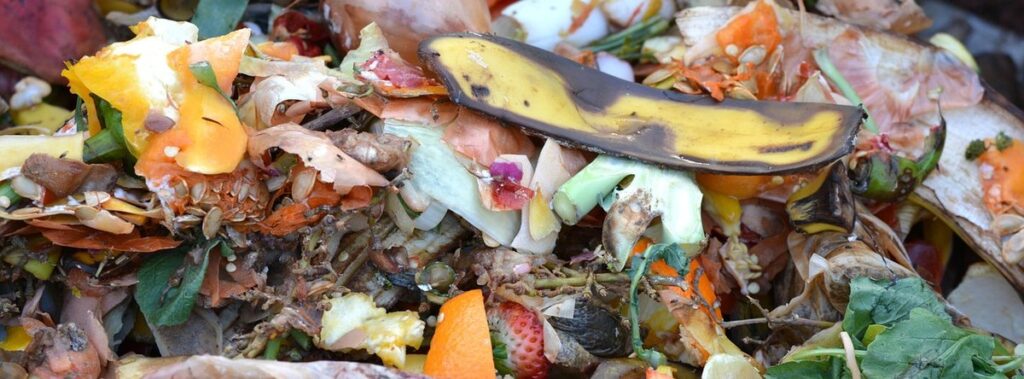
So, what exactly is banana peel compost and how does it differ from regular compost? We’ll start by explaining the basics of banana peel compost.
Benefits of Using Banana Peels in Composting
Using banana peels in composting offers several benefits. For one, it reduces waste by diverting a common kitchen scrap from landfills. You can collect peel scraps from daily meals and add them to your compost pile, significantly reducing the amount of organic waste sent to landfills.
Banana peels also create a nutrient-rich soil amendment when broken down in compost. They are high in potassium (K), a macronutrient essential for plant growth and development. This makes banana peel compost particularly beneficial for plants that require high levels of potassium, such as roses, tomatoes, and peppers.
A balanced mix of ‘green’ materials like banana peels and ‘brown’ materials like dried leaves can help speed up the decomposition process and create a stable, humus-rich compost. To get the most out of your banana peel compost, ensure it is well-balanced with other organic matter and maintained at optimal moisture levels.
Some common mistakes to avoid when using banana peels in compost include adding them in excess or allowing them to become too soggy. A general rule of thumb is to add 1-2 cups of finely chopped banana peels per bucket of compost material, depending on the size of your composting operation. This will help you achieve a balanced nutrient profile and maximize the benefits of using banana peels in composting.
Understanding Banana Peel Composition
Banana peels are primarily composed of water and organic compounds such as cellulose, hemicellulose, and pectin. They also contain a range of essential nutrients like potassium, magnesium, and sulfur, which contribute to the rich nutrient profile of banana peel compost. The peels’ high concentration of nitrogen-rich compounds makes them an excellent addition to compost piles.
As banana peels break down during composting, they release these nutrients into the soil, promoting healthy plant growth. The peels’ cellulose content also acts as a bulking agent, improving the compost’s structure and preventing matting. However, it’s worth noting that some of the peels’ nutrients may be lost if not properly balanced with “carbon-rich” materials like leaves or straw.
To maximize the benefits of banana peels in your compost, focus on balancing their high nitrogen content with adequate carbon sources. Aim for a mix of 2/3 “brown” materials (such as leaves or straw) to 1/3 “green” materials (like banana peels). This balance will help regulate microbial activity and prevent unpleasant odors from developing in your compost pile.
Setting Up a Banana Peel Compost System
To get started, you’ll need to set up your banana peel compost system, which involves collecting peels and turning them into a nutrient-rich soil amendment through a simple fermentation process.
Choosing the Right Container for Banana Peel Composting
When selecting a container for banana peel composting, consider a few key factors. The ideal size will depend on the volume of peels you plan to collect and process regularly. A larger bin can hold more material but may require more frequent turning and maintenance. For smaller households or those just starting out, a compact bin with a capacity of 5-10 gallons is often sufficient.
Material selection is also crucial. Plastic bins are lightweight and inexpensive, but they can harbor bacteria and odors due to their porous nature. Metal bins, on the other hand, are durable and easy to clean but may rust over time if exposed to moisture. Wooden or bamboo containers offer a sustainable alternative, but ensure the wood is properly sealed to prevent rot.
Location is another essential consideration. Position the container in a well-ventilated area to facilitate airflow and reduce moisture buildup. Avoid placing it near direct sunlight, which can cause temperatures to fluctuate excessively. Finally, ensure easy access for regular maintenance, such as turning the pile or adding new materials.
Maintaining Optimal Moisture Levels in Your Banana Peel Compost
Maintaining optimal moisture levels is crucial for efficient decomposition of banana peels. If the compost pile is too dry, it can slow down microbial activity and lead to odor issues. On the other hand, excessive moisture can cause anaerobic conditions, producing unpleasant odors and potentially harming beneficial microbes.
The ideal moisture level should be like a damp sponge – neither too wet nor too dry. To check moisture levels, stick your hand into the compost pile about halfway down. If it feels dry, add water; if it’s soggy, wait a day or two to allow excess moisture to evaporate.
A general rule of thumb is to maintain a 40-60% moisture content in banana peel compost. However, this may vary depending on factors like temperature and material composition. Monitor your pile regularly and adjust as needed. Avoid overwatering by adding small amounts of water at regular intervals instead of soaking the entire pile at once.
A simple way to gauge moisture levels is to perform the “squeeze test”: take a handful of compost and squeeze it. If water drips out, the compost is too wet. If no water comes out, it’s too dry. This visual cue will help you strike the perfect balance for optimal decomposition.
The Role of Microorganisms in Banana Peel Composting
Microorganisms play a crucial role in breaking down banana peels and converting them into nutrient-rich compost. Let’s take a closer look at how these tiny helpers make it all happen.
Introducing Beneficial Microbes to Your Banana Peel Compost
Introducing beneficial microbes to your banana peel compost is a crucial step in accelerating decomposition and creating a nutrient-rich soil amendment. These microorganisms play a vital role in breaking down the complex organic matter in banana peels, releasing essential nutrients for plant growth.
Certain microbe species, such as Trichoderma harzianum and Aspergillus terreus, are particularly effective at degrading cellulose and hemicellulose in banana peels. These microbes produce enzymes that break down the tough cell walls of plant material, making it easier for other microorganisms to access nutrients.
To introduce beneficial microbes to your banana peel compost, you can add a handful of worm castings or finished compost to the pile. This will inoculate the mixture with a diverse range of microbe species, including beneficial decomposers like Trichoderma and Aspergillus. Alternatively, you can purchase a microbial inoculant specifically designed for composting.
When introducing microbes, it’s essential to maintain optimal moisture levels in your banana peel compost pile. This will ensure that the microorganisms have enough water to function efficiently, accelerating decomposition and reducing odors. Aim for a mix of 50-60% carbon-rich “brown” materials like dried leaves or shredded newspaper with 30-40% nitrogen-rich “green” materials like banana peels or grass clippings.
Factors Affecting Microbial Activity in Banana Peel Compost
Microbial activity in banana peel compost is highly sensitive to environmental conditions. Temperature plays a crucial role in microbial growth, with optimal ranges typically between 40°F and 80°F (4°C and 27°C). Temperatures above 90°F (32°C) can lead to the death of beneficial microbes, while temperatures below 40°F (4°C) slow down their activity.
pH levels also significantly impact microbial activity. Most microorganisms thrive in a slightly acidic to neutral pH range, between 5.5 and 7.0. If the pH level becomes too alkaline or acidic, it can disrupt the delicate balance of microbes, reducing composting efficiency. For example, if the banana peel compost is excessively acidic (pH < 4.5), it may lead to an overgrowth of pathogens like E. coli.
Maintaining optimal temperature and pH levels requires monitoring the compost pile’s environment. This involves placing the compost bin in a shaded area or using a lid to regulate heat buildup, as well as adding materials that help stabilize pH, such as wood ash or dolomitic limestone. By understanding these environmental factors, you can create an ideal environment for microbial activity and accelerate the banana peel composting process.
Tips for Adding Other Organic Materials to Your Banana Peel Compost
Now that you have a thriving banana peel compost, it’s time to think about adding other organic materials to boost its nutrient-rich potential even further. This is where things can get really interesting!
Creating a Balanced Mix with Fruits and Vegetables
When combining banana peels with other organic materials, it’s essential to create a balanced mix to ensure optimal nutrient cycling and microbial activity. Fruits and vegetables can be added to enhance the compost’s nutritional value, but they must be introduced in moderation. For example, adding too many high-water-content fruits like tomatoes or cucumbers can lead to anaerobic conditions and unpleasant odors.
Start by setting aside a portion of your banana peel compost specifically for fruit and vegetable additions. Aim to incorporate 1-2 cups of chopped fruits and vegetables per week into the mix. Leafy greens, herbs, and carrots are excellent choices due to their high nutrient content and moderate water levels. Avoid adding citrus peels or onion skins in excess, as they can be too acidic and disrupt microbial balances.
Here’s a simple rule of thumb for incorporating fruits and vegetables: add 1 part fruit/vegetable material to 3 parts banana peel compost. Monitor the mix’s temperature and moisture levels, adjusting your additions accordingly. This balanced blend will not only improve the compost’s quality but also create a nutrient-rich soil amendment for your garden.
Avoiding Common Pitfalls in Banana Peel Composting
When adding other organic materials to your banana peel compost, it’s easy to make mistakes that can hinder the composting process. One common pitfall is overloading the pile with too many high-nitrogen materials, such as grass clippings or manure. This can cause an imbalance in the carbon-to-nitrogen ratio, leading to anaerobic conditions and unpleasant odors.
To avoid this issue, it’s essential to maintain a balanced mix of “green” (high-nitrogen) and “brown” (low-nitrogen) materials. A general rule of thumb is to add 2-3 times more brown materials than green materials. For example, if you’re adding a bucket of grass clippings, make sure to balance it with an equal amount of dried leaves or shredded newspaper.
Another mistake to watch out for is mixing compost materials that are too wet or too dry. Waterlogged piles can become anaerobic, while extremely dry piles may not decompose properly. Check the moisture levels regularly and add water or turn the pile as needed to maintain optimal conditions.
Additionally, some materials like citrus peels, onions, and garlic can inhibit microbial growth if added in excess. Limit these items to small quantities (about 10% of the total mix) to avoid disrupting the composting process.
Monitoring Progress and Achieving Optimal Banana Peel Compost Quality
Now that you’ve started your banana peel compost pile, it’s time to monitor its progress and fine-tune the process for optimal results. Regular checks will ensure your compost reaches its full potential as a nutrient-rich soil amendment.
Assessing the Physical Properties of Your Banana Peel Compost
Assessing the physical properties of your banana peel compost is crucial for determining its readiness for use. To evaluate texture, structure, and odor, you’ll want to perform a series of simple checks.
First, inspect the compost’s texture by gently digging into it with your hands or a shovel. Ideally, the mixture should be crumbly, resembling damp soil rather than wet mud. If it feels too dry or hard, add more water. Conversely, if it’s excessively soggy, let it sit for a few days to allow excess moisture to evaporate.
Next, examine the compost’s structure by observing how easily materials break down and mix with one another. Look for visible signs of decomposition, such as worm castings or fungal growth. Aim for a balance between coarse particles (like banana peel chunks) and finer materials (like shredded newspaper).
Finally, give your compost a sniff test. A well-rotted banana peel compost should have an earthy aroma – if it smells strongly of ammonia or has no discernible scent at all, there may be issues with microbial activity.
By regularly checking these physical properties, you’ll get a sense of how far along your banana peel compost is in its journey toward becoming rich, nutrient-dense soil.
Determining When Your Banana Peel Compost is Ready for Use
When your banana peel compost is ready for use, it will have transformed from a soggy, smelly mass into a rich, earthy material. One of the most obvious signs of readiness is its texture: finished compost should crumble easily between your fingers and resemble well-turned soil. It should also be dark brown or black in color, with no visible pieces of fruit or vegetable matter.
To determine if your banana peel compost has reached this stage, perform a simple test: dig into the pile with a shovel or fork and inspect the contents. If you notice that the compost is still too wet or soggy, wait another week to 10 days before checking again. As it dries out, the texture will change from squelchy to crumbly.
It’s also essential to check for any lingering odors. Finished compost should have a mild, earthy smell rather than a strong, sour one. If you notice a pungent aroma, it may indicate that your banana peel compost needs more time to mature.
Advanced Techniques for Optimizing Banana Peel Composting
Now that you’ve mastered the basics of banana peel composting, it’s time to take your skills to the next level by exploring advanced techniques for optimizing this process.
Experimenting with Different Aeration Methods
When it comes to optimizing banana peel composting, aeration is crucial for promoting healthy microbial activity. Without adequate airflow, anaerobic conditions can develop, leading to unpleasant odors and potentially harming beneficial microorganisms. One effective way to improve aeration is by using aeration tubes or pipes that allow oxygen to penetrate the compost pile. These tubes can be inserted at regular intervals throughout the pile, ensuring consistent airflow and preventing hotspots.
Another strategy for enhancing aeration is to incorporate “green” materials, such as fresh grass clippings or shredded leaves, into your banana peel compost. These materials are high in carbon and oxygen, which helps to balance out the nitrogen-rich banana peels. By incorporating these green materials, you can create a more dynamic and aerobic environment within your compost pile.
Incorporating physical structures, like wire mesh or hardware cloth, around the compost pile can also aid in maintaining optimal aeration levels. This allows for increased airflow while preventing pests from infiltrating the pile.
Exploring the Potential of Fermentation in Banana Peel Composting
Controlled fermentation can significantly enhance decomposition rates and improve compost quality by manipulating environmental conditions to favor microbial growth. This process involves creating an oxygen-poor environment, allowing anaerobic microorganisms to thrive. By doing so, you can expect a substantial increase in the breakdown of organic matter.
One effective way to implement controlled fermentation is through the use of a covered compost bin or a tarp-covered pile. The lack of oxygen will stimulate the activity of methanogenic archaea, which break down complex compounds into simpler forms. This process typically occurs within 24-48 hours and can be monitored by observing temperature increases.
It’s essential to maintain optimal moisture levels during fermentation, as this will promote microbial growth and prevent drying out. A bulleted list illustrating common ratios for aeration and moisture levels might look like this:
- Aeration: 1/4 inch of space between materials for aeration
- Moisture: Keeping the pile at 60-80% humidity
- Temperature: Monitoring temperature increases to identify optimal fermentation conditions
Frequently Asked Questions
Can I Use Banana Peel Compost on Acid-Loving Plants?
Yes. Banana peel compost is alkaline in nature, which may be beneficial for plants that thrive in slightly acidic to neutral soil conditions, such as azaleas and blueberries. However, it’s essential to balance the pH levels of your compost by mixing it with other ingredients or using it in moderation.
How Long Does It Take for Banana Peel Compost to Break Down?
The decomposition time varies depending on factors like temperature, moisture, and microbial activity. Generally, banana peel compost breaks down within 2-6 months when maintained optimally. To speed up the process, ensure adequate aeration and mixing with other organic materials.
Can I Add Citrus Peels to My Banana Peel Compost?
Yes. Citrus peels are rich in nitrogen and can enhance the nutrient content of your banana peel compost. However, be cautious not to overdo it, as high concentrations of citrus peels can lead to an imbalance of pH levels. A balanced mix of 1 part citrus peels to 3 parts banana peels is a good starting point.
What If I Notice Mold or Fungal Growth in My Banana Peel Compost?
No immediate action is required unless the growth becomes excessive and affects the compost’s overall quality. To prevent mold and fungal issues, maintain optimal moisture levels, ensure adequate aeration, and monitor temperature fluctuations. Regular mixing and turning can also help to redistribute heat and oxygen.
Can I Use Banana Peel Compost in Indoor Plants Without Fear of Attracting Pests?
Yes. When made correctly, banana peel compost is free from pests and diseases. However, it’s crucial to pasteurize your compost by heating it to 131°F (55°C) for at least an hour before using it indoors. This step will eliminate any potential pathogens and ensure a pest-free growing environment.

