Raising Boer goats can be a lucrative venture for farmers and homesteaders, providing a valuable source of income through meat sales. These South African natives have gained popularity worldwide due to their high-quality meat, rapid growth rate, and ease of handling. If you’re considering adding Boer goats to your operation or simply want to learn more about these versatile animals, this guide is for you. In the following article, we’ll explore the history and benefits of raising Boer goats, including their adaptability to different climates and management systems. We’ll also delve into essential care requirements, from nutrition and health to parasite control and breeding strategies. By the end of this expert guide, you’ll have a comprehensive understanding of how to successfully raise and breed Boer goats, as well as effective marketing strategies to turn your operation into a profitable business.
History and Origins of Boer Goats
Boer goats have a rich history that dates back centuries, originating from South Africa where they were bred for their exceptional meat production. Let’s take a closer look at how this breed developed over time.
Early Development in South Africa
The early development of Boer goats in South Africa was shaped by the country’s diverse cattle breeds. The indigenous Cape sheep and Merino sheep populations contributed to the foundation of the breed, with their hardiness and fertility traits being particularly valued. Another influential breed was the redheaded Malawi goat, which brought desirable characteristics such as high fertility and ease of handling.
The selective breeding process aimed to create a robust and versatile animal that could thrive in the country’s challenging climate. Breeders emphasized the importance of good conformation, muscling, and fertility, resulting in the development of a distinctive breed with unique physical characteristics. The Boer goat‘s original purpose was as a meat producer, with its lean flesh and high growth rate making it an attractive option for local farmers.
By the early 20th century, the Boer goat had established itself as a prominent breed in South Africa. Its reputation as a hardy and productive animal spread, paving the way for export to other countries. The breed’s development was further refined through careful selection and breeding practices, ultimately leading to its global popularity today.
Introduction to the Breed’s Unique Characteristics
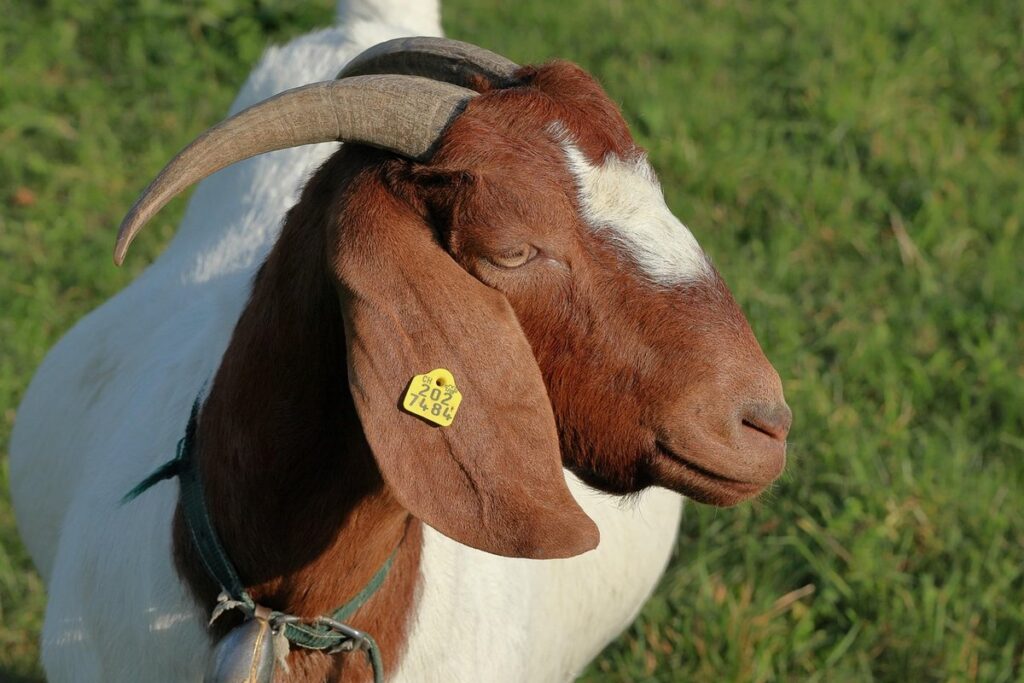
Boer goats are easily recognizable due to their distinctive physical characteristics. One of the most notable features is their muscular build and robust size, with bucks typically weighing between 300 and 400 pounds and does ranging from 200 to 250 pounds. Their coat color can vary, but it’s often a mix of red or fawn with white markings.
In addition to their physical appearance, Boer goats are known for their friendly and docile temperament. They are a popular choice for farmers who want a breed that is easy to handle and manage. This temperament makes them well-suited for small-scale operations where handling the animals regularly is necessary.
Their fertility and reproductive traits also set them apart from other breeds. Boer does typically have a 20-24 day estrous cycle, which allows for more frequent breeding opportunities and increased productivity. This, combined with their high twinning rate, makes them an attractive choice for breeders looking to maximize their output.
Benefits of Raising Boer Goats
Raising Boer goats offers a multitude of benefits, from their impressive meat production to their relatively low-maintenance care requirements. Let’s take a closer look at just how rewarding these animals can be to raise.
Advantages for Small-Scale Farmers and Homesteaders
Boer goats are a popular choice for small-scale farmers and homesteaders due to their high-quality meat and adaptability. They can thrive on limited resources, making them an ideal option for those with smaller plots of land or more modest budgets.
One major advantage is that Boer goats are efficient converters of feed into meat. This means they require less food and water compared to other breeds, which can be a significant cost savings for small-scale farmers. For example, studies have shown that Boer goats can produce up to 2.5 times more meat per acre than other breeds.
Their adaptability also makes them well-suited for homesteads with diverse landscapes and climates. They are hardy animals that can tolerate heat, cold, and a range of soil types. This flexibility allows small-scale farmers to integrate Boer goats into their existing operations without significant infrastructure changes.
Market Demand and Profit Potential
Boer goats have gained significant popularity over the past few decades due to their exceptional meat production capabilities. A key factor contributing to their popularity is their high-quality meat, which is lean and tender with a unique flavor profile. This makes them an attractive choice for both domestic and international markets.
Market trends indicate that demand for Boer goat meat is on the rise, driven in part by growing consumer interest in grass-fed and hormone-free products. As more consumers seek out sustainable and healthier options, Boer goat breeders are well-positioned to capitalize on this trend.
In terms of profit potential, Boer goats offer a number of advantages. They mature quickly, reaching market weight in as little as 16 weeks, which allows for multiple harvests per year. This rapid growth rate enables breeders to generate significant revenue from each animal. Additionally, the high demand for Boer goat meat means that breeders can command premium prices for their animals and products. To maximize profits, it’s essential for breeders to focus on producing high-quality genetics and maintaining a strong market presence through strategic marketing and sales efforts.
Key considerations when pricing Boer goats include cost of production, market demand, and competition from other goat breeds.
Selecting and Purchasing Boer Goats
When buying Boer goats, selecting a reputable breeder is crucial to ensure you get healthy animals that meet your needs. Look for breeders who prioritize genetic quality and animal welfare.
Key Considerations When Choosing Breeding Stock
When selecting breeding stock for your Boer goat operation, genetics is a top priority. You want to choose animals with desirable traits such as high fertility, growth rate, and muscling, which will improve the overall quality of your herd. Look for goats that have been bred from proven sires and dams, and consider working with a reputable breeder who can provide you with detailed information about their animals’ ancestry.
The age of the breeding stock is also crucial. Typically, does (female goats) should be at least 12-18 months old before they are selected for breeding, while bucks (male goats) can be used at an earlier age. This allows them to reach physical maturity and reduces the risk of reproductive problems.
Health is another critical consideration when choosing breeding stock. Ensure that all animals have been tested for common diseases such as Johne’s disease, paratuberculosis, and tuberculosis. A clean bill of health will not only protect your existing herd but also give you peace of mind knowing that you’re starting with a healthy foundation.
Sources for Purchasing Boer Goats
When searching for a reputable breeder or supplier of Boer goats, consider contacting local and national breed associations. The American Boer Goat Association (ABGA) and the National Boer Goat Association (NBGA) are two prominent organizations that maintain directories of registered breeders. These resources can provide valuable information on breeding stock, as well as connect you with experienced producers who may be willing to share their knowledge.
Online marketplaces like CattleUSA and Farm Market also offer a platform for buying and selling Boer goats. Be cautious when purchasing from online sources, and ensure that the seller is reputable and provides health guarantees. You can also search for local breeders through online directories or social media groups dedicated to Boer goat enthusiasts.
Attend local livestock auctions or farm tours to network with other producers and learn about their experiences. Word of mouth and personal connections can be a powerful tool in finding high-quality breeding stock. When selecting a breeder, look for those who prioritize genetics, health, and animal welfare. A reputable breeder will be transparent about the animal’s lineage, health status, and any guarantees provided.
Care and Management of Boer Goats
To ensure your Boer goats stay healthy and thrive, you’ll want to focus on providing proper shelter, nutrition, and veterinary care that meets their unique needs. A well-planned management routine will also help prevent common health issues in these animals.
Nutrition and Feeding Requirements
Proper nutrition is essential for maintaining optimal health and productivity in Boer goats. A diet rich in fiber and protein is crucial for their growth and development. As a general rule, Boer goat kids require a minimum of 18% crude protein in their starter feed, while growing does should have access to feeds with at least 16% crude protein.
Boer goats also have specific mineral requirements, including adequate levels of calcium, phosphorus, and potassium. A well-balanced ration that includes these essential nutrients will help prevent deficiencies and promote overall health. It’s also important to provide free-choice access to clean water at all times.
A common mistake made by many goat owners is over-reliance on high-grain diets, which can lead to digestive issues and other health problems. Instead, aim for a diet that includes a mix of hay, grass, and grains. For example, you might feed your Boer goats 80% hay and 20% grain, with supplements as needed.
Some goat owners also choose to provide probiotics or other additives to support gut health. However, it’s essential to work with a qualified veterinarian to determine the best nutrition plan for your specific herd. This may involve regular blood tests, fecal exams, and other monitoring to ensure that your goats are receiving all the necessary nutrients.
Health Considerations and Vaccination Protocols
Boer goats are generally a hardy breed, but they can be susceptible to certain health issues. One of the most common problems is internal parasites, particularly worms and ticks. Regular deworming and tick control measures should be implemented, typically every 6-8 weeks during peak seasons. It’s essential to have your veterinarian recommend a suitable dewormer and schedule regular monitoring for parasite loads.
Respiratory diseases are another concern in Boer goats. Pneumonia and bronchitis can be caused by various pathogens, including bacteria and viruses. Vaccination protocols should include an initial series of vaccinations at 4-6 weeks, followed by boosters every 6-12 months. A commonly used vaccine for respiratory protection is the IBR (Infectious Bovine Rhinotracheitis) vaccine.
It’s also crucial to monitor your Boer goats for signs of nutritional deficiencies, particularly vitamin A and E deficiencies, which can lead to reproductive issues or poor coat condition. Regular blood testing and monitoring of body condition scores can help identify potential problems early on. Consult with a veterinarian to determine the best course of action for your specific herd’s needs.
Breeding and Reproduction Management
Boer goats are renowned for their exceptional reproductive capabilities, making breeding a crucial aspect of any successful goat operation. We’ll explore key strategies for maximizing fertility and optimizing breeding programs in this next section.
Understanding the Breeding Cycle and Estrous Cycle
The estrous cycle of a Boer goat is a complex process that involves several stages. It typically lasts around 21 days and is divided into four phases: proestrus, estrus, metestrus, and diestrus. During the proestrus phase, which usually occurs about two weeks before breeding season, the doe’s reproductive system prepares for ovulation by increasing estrogen levels. This is followed by the estrus phase, where the doe becomes receptive to breeding, typically signaled by restlessness, mounting other does, and increased vocalization.
A Boer goat doe will often breed again shortly after giving birth, a process known as “short breeding interval.” This unique reproductive trait allows for multiple births per year. However, it also means that does require adequate nutrition and care during lactation to ensure they remain healthy and productive. Breeders should also be aware of the doe’s heat cycle and plan breeding accordingly.
In general, Boer goat breeders aim to breed their does between 12-18 months of age, with optimal breeding occurring at around 15 months. This allows for a longer reproductive life and increased productivity.
Techniques for Artificial Insemination and Natural Service
Artificial insemination (AI) and natural service are two essential techniques for breeding Boer goats. When it comes to AI, timing is crucial. It’s generally recommended to breed Boer does between 12 and 18 months of age, with optimal fertility typically occurring around 14-16 months. This allows the doe to reach physical maturity while minimizing the risk of complications during pregnancy.
For successful AI, you’ll also need to consider genetics. Choose bucks with high fertility indexes and a proven track record of producing viable offspring. It’s essential to verify the genetic compatibility of the buck and doe before breeding, as incompatible genetics can lead to reduced fertility or failed pregnancies.
In contrast, natural service allows for more flexibility in terms of timing and genetics. However, it requires careful observation of the doe’s estrous cycle and synchronization with the buck’s fertile period. This method also increases the risk of injuries to both the doe and buck during mating.
To minimize risks associated with natural service, ensure that your bucks are well-trained, handling is smooth, and the doe is relaxed and comfortable throughout the process.
Marketing and Selling Boer Goat Products
To maximize the profitability of your Boer goat operation, you’ll need to learn how to effectively market and sell their meat, dairy products, and other by-products. This section covers essential strategies for achieving success in these areas.
Meat Production and Processing Options
When processing Boer goats for meat, producers have several options to consider. One of the most common methods is dry aging, which allows the meat to develop a more complex flavor and tender texture over time. This process involves hanging the carcasses in a controlled environment with precise temperature and humidity levels.
Another option is wet aging, which involves storing the carcasses in a sealed bag or container with its own juices. This method can produce even more tender meat than dry aging but requires careful handling to prevent spoilage.
Producers may also choose to process their Boer goats immediately after slaughter, using techniques such as deboning or grinding. This approach allows for faster distribution and sale of the product but may compromise on quality.
In addition to these methods, some producers may opt for value-added processing, where the meat is transformed into products like sausages, burgers, or steaks through various treatments and packaging. Regardless of the chosen method, it’s essential to follow proper food safety guidelines and regulations to ensure a high-quality final product that meets consumer expectations.
Value-Added Products and Direct-to-Consumer Sales Strategies
To capitalize on the unique characteristics of Boer goats, consider exploring value-added products such as goat milk, cheese, and soap. These niche markets allow you to differentiate yourself from larger producers and tap into a growing demand for artisanal and locally sourced products. Goat milk can be used to produce a range of dairy products, including cheese, yogurt, and butter.
When developing direct-to-consumer sales strategies, think about what sets your operation apart. This could be the quality of your animals, the care and attention that goes into raising them, or even the scenic beauty of your farm. Emphasize these unique selling points through social media, targeted advertising, and on-farm events.
Some possible direct-to-consumer sales strategies include:
- Creating a community-supported agriculture (CSA) program
- Hosting farm tours and workshops
- Selling products directly from the farm or at local markets
- Offering subscription services for regular deliveries of fresh goat milk or cheese
Remember to comply with all relevant regulations and safety standards when producing and selling value-added products. Research your market thoroughly and develop a solid business plan before investing in these opportunities.
Challenges and Considerations for Boer Goat Breeders
As a Boer goat breeder, you’ll inevitably face challenges that can impact your herd’s health, productivity, and overall well-being. From disease management to marketing strategies, we’ll explore some common hurdles breeders encounter.
Common Challenges Faced by Breeders
Disease outbreaks are a significant challenge for Boer goat breeders. Respiratory issues like pneumonia and pasteurellosis can spread quickly through a herd, leading to significant losses if not managed promptly. To mitigate the risk of disease outbreaks, regular vaccinations and parasite control measures are crucial. However, over-reliance on antibiotics can contribute to antibiotic resistance, making it essential for breeders to adopt more holistic approaches to animal health.
Market fluctuations can also impact Boer goat breeding operations. Changes in consumer demand or shifts in government policies can affect the profitability of meat production and processing. For instance, a sudden increase in global meat imports could lead to reduced prices for domestic producers, making it challenging to maintain profitability.
To manage these risks, breeders should diversify their market channels and develop value-added products that are less susceptible to fluctuations in raw material costs. This might include exploring opportunities for breeding animals specifically suited to niche markets or developing value-added products such as goat milk cheese or soap.
Strategies for Mitigating Risks and Ensuring Long-Term Success
To mitigate risks and ensure long-term success as a Boer goat breeder or producer, it’s essential to diversify your operations. Consider introducing other livestock breeds or crops to spread risk and increase revenue streams. This can help offset potential losses due to disease outbreaks, market fluctuations, or environmental factors.
For example, some breeders supplement their income by selling value-added products such as soaps, lotions, or candles made from goat milk or lanolin. Others offer agritourism activities like farm tours, workshops, or educational programs. By diversifying your offerings and revenue streams, you can reduce dependence on a single product or market.
Another key strategy is to maintain accurate records and conduct regular financial analysis. This allows you to monitor performance, identify areas for improvement, and make data-driven decisions. Regularly review factors like feed costs, breeding efficiency, and marketing channels to stay competitive and adapt to changing conditions.
To further ensure long-term success, focus on building a loyal customer base through excellent customer service and reputation management. Encourage repeat business by offering loyalty programs or discounts for regular customers.
Frequently Asked Questions
Can I raise Boer goats in a small backyard?
Yes, Boer goats can thrive in small spaces if properly managed and cared for. They require regular exercise, nutritious food, and adequate shelter to maintain their health and productivity.
What if I’m new to goat farming and don’t know how to handle common health issues?
Don’t worry – with proper training and resources, you can develop the skills needed to address common health issues in Boer goats. Regular veterinary check-ups, online forums, and industry associations can provide valuable guidance and support.
How do I determine if a Boer goat breeder is reputable?
Look for breeders who are transparent about their breeding stock’s genetics, health records, and production history. Check for certifications from reputable organizations, such as the American Boer Goat Association (ABGA). Reputable breeders will also provide clear documentation and be willing to answer your questions.
Can I use a mix of natural service and artificial insemination in my breeding program?
Yes, many breeders successfully combine both methods to achieve their desired breeding goals. However, it’s essential to consider factors like genetics, fertility, and cost-effectiveness when deciding which method to use.
How long does it take for Boer goat kids to mature and be ready for market?
Boer goat kids typically reach market weight within 6-8 months of birth. Factors like nutrition, management, and breed selection can influence their growth rate and maturity. Regular monitoring of their progress will help you determine when they’re ready for sale or slaughter.