Choosing the right chicken breed for your backyard flock or farm operation can be overwhelming, especially with over 300 recognized breeds to consider. You might be surprised at how different each breed’s characteristics and temperaments are, from tiny, egg-laying wonders like the Bantam to large, meat-producing giants like the Orpington. Beyond just their physical attributes, certain breeds excel in specific roles – some are ideal for beginners or small spaces, while others require more space and care. If you’re looking to start a backyard flock or expand your farm operation, understanding the unique traits of different chicken breeds is crucial to selecting the perfect fit for your needs. By the end of this article, you’ll have a solid grasp on various chicken breeds and their uses, empowering you to make an informed decision when building your own diverse flock.
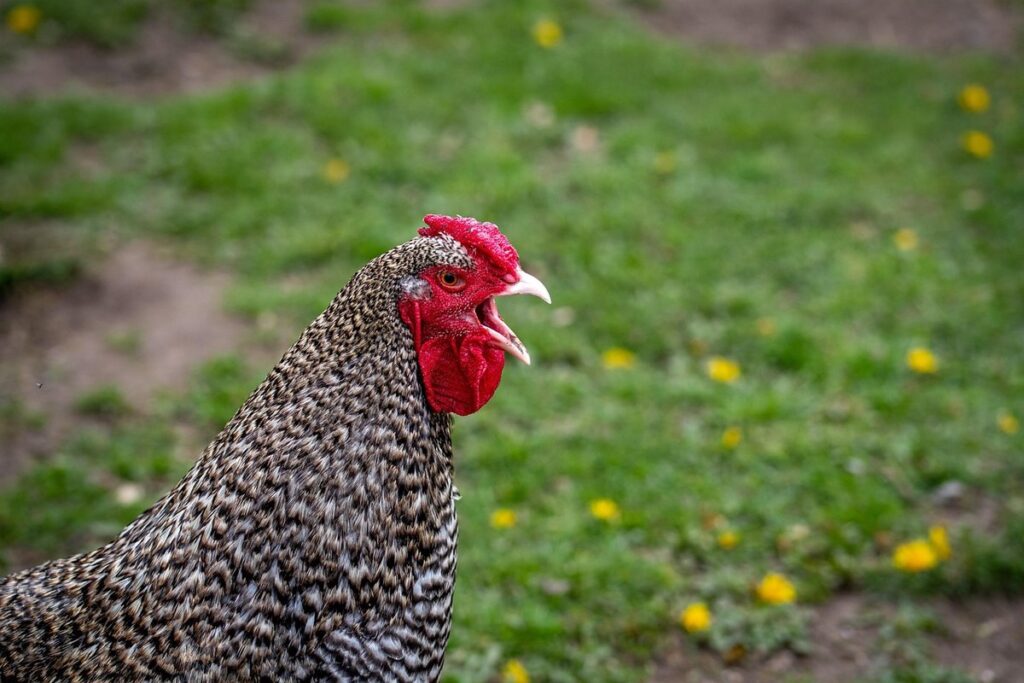
Choosing the Right Breed for Your Flock
When it comes to building a thriving flock, selecting the right breed is crucial, and understanding their unique characteristics and temperaments will help you make an informed decision. Let’s take a closer look at what to consider when choosing your perfect fit.
Considering Climate and Environment
When choosing a breed for your flock, it’s essential to consider how well they’ll adapt to your local climate and environment. Some breeds are bred specifically for heat tolerance, while others excel in cold climates. For example, the Silkie is well-suited for hot weather due to its light feathering and ability to regulate body temperature easily. On the other hand, the Orpington is a hardy breed that thrives in cold temperatures.
Breeders often prioritize climate adaptability when selecting parent stock for breeding programs. This means some breeds may be more resilient to extreme weather conditions than others. In areas with high humidity or intense sunlight, a breed like the Brahma can provide shade and relief from heat stress.
When evaluating climate suitability, think about the average temperature range in your area. Some breeds can tolerate temperatures as low as -20°F (-29°C) or as high as 100°F (38°C). Consider whether you need a breed that’s specifically suited for extreme weather conditions or one that’s more adaptable to changing temperatures.
Some popular breeds that excel in various climates include the:
- Australorp: well-suited for hot and dry environments
- Barred Plymouth Rock: thrives in temperate zones with moderate temperatures
- Wyandotte: tolerates cold temperatures and snow
Keep in mind that even within a breed, individual birds may vary in their climate tolerance.
Understanding Breed Size and Weight
When selecting a breed for your flock, it’s essential to consider their size and weight. A breed that is too large for your available space can lead to overcrowding and health issues, while one that is too small may not be able to thrive.
Small breeds, such as bantams, are perfect for backyard flocks where space is limited. They require less food and have lower maintenance costs compared to larger breeds. However, they can be more prone to disease due to their compact size.
Medium-sized breeds offer a balance between size and temperament, making them ideal for most backyard flocks. They are relatively easy to manage and provide a moderate amount of eggs per year.
Large breeds, on the other hand, require significant space and resources. While they may provide an abundance of meat or eggs, they can be overwhelming for small-scale farmers. Consider the pros and cons of each breed before making a decision. For example, if you have limited space, a large breed like the Brahma may not be suitable, but a medium-sized breed like the Orpington might work well.
Bantams are another consideration when choosing a breed. While they are small in size, they can still provide a decent amount of eggs and meat per year. However, their compact size means they require regular cleaning and maintenance to prevent health issues.
Evaluating Temperament and Personality
Temperament and personality can vary significantly between breeds. Some chickens are known for their docile nature and are often described as “gentle” or “laid-back,” while others are more aggressive and may require extra attention from owners. For example, the Silkie breed is famous for its friendly and affectionate personalities, but they can be skittish around new people and environments.
On the other hand, breeds like the Dominique and Australorp are known for their calm and even-tempered nature, making them suitable for families with children or for owners who want a low-maintenance flock. However, some breeds may require more socialization to become tame, such as the Polish breed, which can be sensitive to noise and stress.
When choosing a breed, consider your lifestyle and experience level. If you have small children or pets, a docile breed is essential to ensure everyone’s safety. Conversely, if you’re an experienced owner looking for a challenge, a more aggressive breed might suit your needs. Consider factors like socialization needs, noise levels, and tolerance for handling when selecting the right breed for your flock.
Heritage Breeds: Preserving the Past with Modern Chickens
From sleek Leghorns to fluffy Silkes, heritage breeds are a treasure trove of unique characteristics and histories that set them apart from modern chickens. Let’s take a closer look at these fascinating birds.
The History of Heritage Breeds
Heritage breeds have a rich history that spans centuries, with many originating from specific regions and cultures. In Europe, for example, ancient breeds like the Silkie and the Polish were highly valued for their unique characteristics and ornamental qualities. These birds often had distinct physical features such as fluffy feathers or crested heads, which set them apart from other breeds.
As agriculture developed and modernization took hold, many of these traditional breeds fell out of favor due to changes in farming practices and the introduction of new, more efficient breeds. However, breeders and conservationists recognized the importance of preserving genetic diversity and cultural heritage. They worked tirelessly to document and protect these ancient lines, often through careful selection and breeding programs.
Today, heritage breeds are highly sought after by enthusiasts who value their unique characteristics and historical significance. Many organizations, such as the Livestock Conservancy, work to promote and preserve these breeds through education, outreach, and conservation efforts. By supporting heritage breed preservation, backyard chicken keepers can help ensure that these remarkable birds continue to thrive for generations to come.
Characteristics of Heritage Breeds
Heritage breeds exhibit a distinctive array of characteristics that set them apart from modern commercial varieties. One notable feature is their diverse range of feather patterns, which can include everything from soft, fluffy plumage to striking, iridescent sheens. For example, the Silkie breed boasts a characteristic fluffiness and fringed feathers, while the Polish breed features crested crowns and bright, colorful beards.
In addition to their unique appearance, heritage breeds often possess specific egg-laying abilities that are not found in commercial flocks. Some heritage breeds, such as the Wyandotte and the Dominique, are known for producing large, brown eggs with a rich, earthy flavor. Others, like the Araucana and the Ameraucana, lay blue or green eggs due to their genetic ability to produce different pigments.
Heritage breeds also tend to have more varied beak shapes and sizes than commercial birds, reflecting their adaptation to specific environments and diets throughout history. For instance, the Dorking breed boasts a distinctive bearded face and a relatively long, straight beak, while the Modern Game breed has a shorter, more curved beak.
When selecting a heritage breed for your flock, consider these unique characteristics and how they might fit into your backyard chicken-keeping goals.
Conservation Efforts and Breeder Networks
Heritage breed preservation requires a collaborative effort between breeders, conservation organizations, and enthusiasts. The Livestock Conservancy, for instance, is a leading advocate for heritage breeds and provides resources for breeders to learn about and conserve these animals. Their “Conservation Priority List” highlights breeds at risk of extinction and offers guidance on breeding programs.
Breed associations also play a crucial role in conservation efforts. Many organizations, such as the American Bantam Beekeeper Association, maintain breeder networks that connect enthusiasts with rare breed chickens. These networks facilitate the exchange of knowledge, resources, and birds among breeders, helping to ensure the continued health and diversity of heritage breeds.
In addition to these initiatives, some farms and producers are incorporating heritage breeds into their operations as a way to promote conservation and sustainability. By preserving traditional breeding practices and genetic diversity, these farms help maintain the integrity of heritage breeds and provide a steady supply of rare birds for enthusiasts and breeders. This approach also supports local food systems and promotes biodiversity in agriculture.
Backyard Chicken Keeping: Popular Breeds for Beginners
If you’re new to backyard chicken keeping, choosing a friendly and hardy breed is crucial. In this next part of our guide, we’ll explore some popular breeds perfect for beginners.
Top 10 Breeds for Small Flocks
For small backyard flocks, you’ll want breeds that are easy to care for, produce a decent number of eggs, and have a friendly temperament. Here are our top 10 picks:
- Leghorn: Known for their high egg production (280-300 brown eggs per year), Leghorns are a popular choice for small flocks.
- Rhode Island Red: Friendly, hardy, and easy to care for, Rhode Island Reds produce around 200 brown eggs per year.
- Barred Plymouth Rock: With their gentle nature and high egg production (200-220 brown eggs per year), they’re an excellent choice for beginners.
- Golden Comet: A cross between a Rhode Island Red and a White Leghorn, Golden Comets are known for their friendly disposition and decent egg production (200 brown eggs per year).
- Buff Orpington: With their docile nature and moderate egg production (180-200 brown eggs per year), they’re a great choice for small flocks.
When choosing breeds for your small flock, consider the following:
- Egg production: Look for breeds that produce around 200-300 eggs per year.
- Temperament: Choose breeds known for their friendly and docile nature.
- Ease of care: Opt for breeds that are hardy and easy to maintain.
Beginner-Friendly Breeds with Unique Characteristics
Many breeds are well-suited for beginners due to their hardiness, docile nature, or other attractive features. The Silkie is one such breed, known for its fluffy feathers and gentle disposition. This small to medium-sized chicken is easy to care for and can thrive in a variety of environments.
The Polish is another popular choice among beginner chicken keepers. With its crested head and friendly demeanor, it’s a favorite among backyard farmers. The Polish is relatively low-maintenance, requiring less space and food than larger breeds.
The Brahma, while large in size, is a gentle giant that makes an excellent addition to any flock. Its calm nature and good egg-laying abilities make it a great choice for those new to chicken keeping. Additionally, the Brahma’s unique characteristics – such as its soft feathers and friendly personality – can add variety to even the smallest of flocks.
When choosing from these beginner-friendly breeds, consider factors like climate, space, and personal preference. Research each breed thoroughly to ensure you’re selecting a bird that suits your lifestyle and needs.
Tips for Integrating New Chickens into Your Flock
When introducing new chickens to an existing flock, it’s essential to consider their compatibility. Start by selecting birds with similar temperaments and energy levels to minimize conflict. A calm and gentle breed like the Buff Orpington can blend well with more active breeds like the Leghorn.
To prevent established pecking orders from becoming disrupted, introduce new chickens gradually, starting with visual introductions through fencing or screens before allowing them to interact in person. This gradual process helps reduce stress on both old and new birds.
Monitor your flock’s behavior closely for signs of aggression or submission. If necessary, separate the birds temporarily to prevent bullying. Keep an eye out for changes in appetite, egg production, or overall health as these can indicate stress caused by introducing new chickens.
When integrating multiple new birds at once, it may be beneficial to provide a safe haven area where they can retreat from the rest of the flock if needed. This sanctuary will help them feel secure and reduce conflict. Be prepared for some initial noise and disruption during the integration process, but with patience and proper introduction, your chickens should eventually settle into their new social dynamics.
Meat Breeds: Selection and Management for a Sustainable Harvest
When it comes to raising chickens for meat, selecting the right breed is crucial. Let’s explore the characteristics of popular chicken breeds suitable for meat production.
Characteristics of Popular Meat Breeds
Meat production chicken breeds are prized for their exceptional growth rates, efficient feed conversion, and high-quality meat. One popular breed is the Cornish Cross, known for its rapid growth rate of up to 5 pounds per week. This allows farmers to harvest chickens in as little as 5-6 weeks, making it an ideal choice for large-scale meat production.
The Plymouth Rock breed is another well-suited option, with a feed conversion ratio of 2:1. This means that for every two pounds of feed consumed, the chicken will produce one pound of body weight. The resulting meat is tender and juicy, with a good balance of fat and lean protein.
Other key characteristics of popular meat breeds include fast feathering, which reduces heat stress and promotes healthy growth. Some breeds also exhibit improved disease resistance, reducing the need for antibiotics and other medications. When selecting a breed for meat production, farmers should prioritize these traits to ensure a sustainable and efficient harvest.
Raising Chickens for Meat: Tips and Best Practices
When raising chickens for meat, choosing the right breed is crucial. Opt for breeds like Plymouth Rock, Cornish Cross, and Freedom Ranger, which are specifically bred for their rapid growth rate and high meat yield. Ensure a balanced diet that includes 16-18% protein, along with access to fresh water and minerals.
Maintain a clean and safe coop environment to promote health and prevent disease. Implement humane slaughter practices by dispatching birds quickly and humanely, using methods like electrical stunning or cervical dislocation. Consider consulting local butchers or experienced farmers for guidance on proper handling and processing techniques.
When selecting breeds, consider factors such as growth rate, feed efficiency, and cold hardiness. For example, if you’re raising chickens in a region with harsh winters, choose breeds that can tolerate colder temperatures. Ensure adequate space (around 3-4 square feet per bird) to prevent overcrowding and stress-related health issues.
Keep accurate records of your flock’s growth, weight, and processing dates to monitor performance and make informed decisions for future harvests. Consider implementing a rotation system where birds are harvested at different stages of maturity to optimize meat quality and flavor.
Exploring Alternative Livestock Options
When it comes to a sustainable farm operation, considering alternative livestock options can be a game-changer. While chickens are an excellent choice for many backyard flocks and small-scale farms, they’re not the only option when it comes to meat production. Ducks, turkeys, and rabbits, for example, offer unique benefits that can enhance your farm’s diversity and resilience.
One of the main advantages of these alternative livestock options is their feed efficiency. Compared to chickens, ducks and turkeys require less space and can thrive on a diverse diet that includes insects, plants, and grains. Rabbits, meanwhile, are notorious for their ability to convert low-quality forage into high-protein meat, making them an excellent choice for farms with limited resources.
In addition to their efficiency, alternative livestock options also offer opportunities for diversifying your farm’s products. Consider raising ducks for their eggs or meat, which can be sold at a premium due to their rich flavor and higher nutritional content compared to chicken. Similarly, rabbits can provide a steady supply of fresh meat, while turkeys can be used for both meat and eggs.
To get started with alternative livestock options, research the specific needs and requirements of each species. Consider factors such as climate, available space, and feed resources when choosing which animals to integrate into your farm operation.
Show Breeds: Characteristics and Requirements
Show breeds are known for their striking appearances, but what sets them apart from other chickens? Let’s take a closer look at their unique characteristics and requirements.
The Art of Showing Chickens
In competitive chicken showing, breed standards are the foundation upon which a bird’s conformation is judged. These standards outline the ideal physical characteristics for each breed, including size, shape, and feather quality. For example, the American Bantam Association’s breed standard for the Polish Silkied Breed calls for a small to medium-sized bird with a rounded body, long neck, and flowing feathers.
Conformation refers to how well a chicken adheres to its breed standard. Judges look for birds that exhibit a balanced and symmetrical appearance, with no visible defects or imperfections. Presentation is also crucial, as judges expect show birds to be clean, well-groomed, and in top physical condition. This includes regular nail trimming, beak maintenance, and dust bathing.
When preparing your bird for the show ring, it’s essential to understand breed-specific requirements. Research the breed standard for your chicken’s breed and work with a reputable breeder or trainer to develop its conformation and presentation skills. Practice handling and showing techniques, such as proper holding and moving of the bird, to ensure you and your bird feel confident in the show ring.
Breed-Specific Requirements for Showing
When showing certain breeds, you’ll need to consider their unique characteristics and requirements. For example, Silkies have a fluffy coat that requires regular grooming before competitions. Their feathers can be easily ruffled or damaged during handling, so it’s essential to use gentle techniques when preparing them for the show ring.
Some breeds, like Orpingtons and Brahma, are large and powerful, requiring specialized equipment such as larger cages and scales for weighing. You’ll also need to be mindful of their size and strength when handling them, as they can easily knock over equipment or injure themselves if not handled carefully.
Other breeds, like Polish and Campine, have specific feather standards that must be met for competition. Their feathers may require additional shaping or styling before the show, which can add an extra layer of complexity to your preparation routine.
In general, it’s essential to research the specific breed you’re working with and understand its unique needs and requirements. This will help you prepare them correctly for the show ring and avoid any last-minute surprises that might affect their performance. Be sure to check with the breed association or competition organizers for specific rules and guidelines on equipment and handling techniques for each breed.
Tips for Getting Started in Competitive Chicken Showing
To compete in chicken showing, you’ll need to start by selecting a breed with exhibition potential. Research breeds that are popular in the show circuit and consider factors like egg-laying ability, feather quality, and temperament. Look for birds with well-defined breed standards, such as the Rhode Island Red or Barred Plymouth Rock.
Next, learn about breed-specific requirements for showing. Familiarize yourself with the American Poultry Association’s (APA) breed standards and guidelines. This will help you understand what judges look for in each breed and how to present your birds accordingly.
Developing handling skills is also crucial. Practice gently picking up and holding your chickens, getting them accustomed to being handled and weighed. Consider taking a chicken-handling course or working with an experienced breeder to learn proper techniques.
When preparing for shows, make sure your birds are clean and well-groomed. Pay attention to details like beak trimming, nail care, and feather cleanliness. Plan ahead and allow at least 8 weeks between exhibitions to ensure your birds are healthy and thriving.
Exotic Breeds: Exploring Unconventional Chicken Varieties
If you’re looking for a unique addition to your flock, exotic breeds offer a fascinating array of characteristics and temperaments that set them apart from more common varieties. From crested Polish hens to silky-feathered Brahmas, these unusual birds are sure to captivate any chicken enthusiast.
Unique Characteristics of Exotic Breeds
Exotic breeds are known for their striking appearance and unique characteristics. One notable feature of these birds is their crest, which can be large and elaborate or small and subtle. Some examples of crested breeds include the Polish, where a high crown-like crest on top of the head gives them a distinctive look, and the Silkie, with its fluffy, soft feathers that resemble a dog’s coat. Frizzled breeds, such as the Faverolles, have curly or wavy feathers that create a textured appearance.
Another characteristic of exotic breeds is their beards or mustaches, which can range from short and stubby to long and flowing. The Sultan breed has a distinctive beard-like growth on its chin, while the Houdan has a more elegant, curved mustache. These physical features not only add visual interest but also require special care, as they can be prone to matting or tangling.
When selecting an exotic breed for your flock, it’s essential to consider their specific needs and grooming requirements. Regular maintenance will help prevent issues with feather condition and promote overall health and well-being.
The Pros and Cons of Keeping Exotic Breeds
Keeping exotic breeds can be a thrilling experience for chicken enthusiasts, but it’s essential to weigh the pros against the cons. One advantage is their potential as show and breeding stock. Exotic breeds often possess unique characteristics that set them apart from more common varieties, making them highly sought after in competitive showing. For breeders, these birds offer opportunities to develop new bloodlines and expand the genetic pool of their flock.
However, there are challenges associated with caring for exotic breeds. Their specific dietary needs may require specialized feed or supplements, which can be costly and time-consuming to manage. Additionally, some exotics may have higher maintenance requirements due to their unusual physical characteristics, such as long feathers or beards that need regular trimming. If you’re considering keeping an exotic breed, research their specific needs thoroughly before bringing them home.
Some breeds, like the Silkie or the Polish, are more adaptable than others and can thrive in a variety of environments. These birds may be better suited for backyard flocks with experienced owners who can provide the necessary care and attention.
Breed-Specific Care and Management Considerations
Exotic breeds often have specialized care and management requirements due to their unique characteristics. For example, Silkies require regular dust baths to maintain their feathers, while Polish chickens need frequent beak trimming to prevent overgrowth. Some exotic breeds may also have specific dietary needs, such as a higher protein diet or supplements to support feather growth.
In addition to these considerations, exotic breeds can be prone to certain health issues. Frizzle-chickens, for instance, are susceptible to respiratory problems due to their curled feathers. Meanwhile, some breeds like the Silkie-Orpington cross may inherit the Orpington’s tendency towards obesity if not monitored carefully.
To manage the care of an exotic breed, it’s essential to research specific needs and potential health concerns associated with that particular variety. Consult reputable breeders or experienced chicken keepers for advice on creating a suitable environment and implementing preventative measures. Regular veterinary check-ups can also help identify any emerging issues before they become serious problems. By understanding and addressing these unique requirements, you can ensure the optimal well-being of your exotic flock.
Frequently Asked Questions
Can I breed my own chickens to create a unique flock?
Yes, breeding your own chickens can be a rewarding experience, but it requires careful planning and knowledge of genetics, nutrition, and health management. Start by selecting high-quality breeding stock from reputable sources, and research the specific needs and characteristics of the breeds you’re interested in crossing.
How do I know when to introduce new chickens to my existing flock?
When integrating new birds into your flock, it’s essential to monitor their behavior and body language closely. Look for signs of stress or aggression, such as increased pecking or chasing, and separate the newcomers if necessary. A general rule of thumb is to introduce new birds during a calm period, when the existing flock is relaxed and focused on foraging.
What are some common mistakes beginners make when raising meat breeds?
One common mistake is selecting breeds that grow too quickly, leading to health problems and decreased meat quality. Another error is neglecting proper feed management, which can result in inefficient growth rates and increased costs. To avoid these pitfalls, research the specific needs of your chosen breed and prioritize a balanced diet, adequate space, and regular veterinary care.
Can I raise chickens for both eggs and meat on a small farm?
Yes, many breeds are well-suited for dual-purpose production, offering a combination of egg-laying ability and meat quality. However, it’s essential to consider the nutritional needs of your birds, as they may require different feed formulations depending on their intended use. Be sure to research the specific requirements of your chosen breed and balance your flock accordingly.
How do I know if my heritage breed chickens are truly ‘conserved’ or just marketed that way?
Conservation efforts for heritage breeds often involve careful breeding programs aimed at preserving genetic diversity and promoting sustainable agriculture practices. Look for reputable organizations, such as the Livestock Conservancy or the American Poultry Association, which work to conserve and promote these unique breeds. If a breeder claims their birds are ‘conserved,’ ask about their involvement with recognized conservation efforts and review their breeding program’s goals and methods.