
Corn pollination is an intricate process that requires both art and science to ensure successful yields. As a vital step in the life cycle of corn, pollination directly impacts the quality and quantity of corn production. However, this delicate process can be easily disrupted by factors such as weather conditions, pests, or diseases. You may have noticed that some corn fields seem to produce better crops than others, despite being planted with similar seeds under identical conditions. This discrepancy often stems from differences in pollination methods used.
This article will explore various approaches to corn pollination, including natural methods that rely on wind and insects for cross-pollination, as well as precision agriculture techniques that utilize advanced technology to facilitate pollination. We’ll also discuss sustainable practices that can be implemented to minimize environmental impact while maximizing crop yields. By the end of this article, you’ll have a deeper understanding of the importance of corn pollination and be able to implement effective strategies for successful yields.
Understanding Corn Pollination Basics
Corn pollination is a fascinating process that relies on precise timing and conditions, making it essential to understand how it works. In this crucial aspect of corn reproduction, we’ll explore the basics of pollination in detail.
What is Corn Pollination?
Corn pollination is a vital process in crop production, responsible for fertilizing corn ears to produce kernels. Without successful pollination, corn yields and quality suffer significantly. This process typically occurs when wind carries pollen from the anthers of one corn plant to the stigma of another, allowing for cross-pollination.
The timing and temperature of pollination are crucial factors in determining its success. Pollen viability is usually highest during the morning hours, when temperatures range between 60°F to 80°F (15°C to 27°C). If these conditions aren’t met, pollen may not be viable, affecting pollination rates. Farmers can promote cross-pollination by planting corn varieties that mature at different times or using windbreaks to facilitate air circulation.
Pollination affects both corn yield and quality. A single ear of corn typically produces around 800 kernels, but only about 200 to 300 of these are viable without adequate pollination. This means that even a small decrease in pollination rates can lead to significant losses in kernel count and overall crop production. By understanding the intricacies of corn pollination, farmers can take steps to optimize this process and improve their yields.
Types of Corn Pollination Methods
Corn pollination can be achieved through various methods, each with its unique advantages and disadvantages. Natural pollination relies on bees and other pollinators to transfer pollen between silks. This method is cost-effective and beneficial for the environment but often requires specific weather conditions.
Hand pollination involves manually transferring pollen from the anther to the stigma of another ear. It’s commonly used in small-scale farming or home gardens, where labor costs are minimal. However, it can be time-consuming and may not always result in successful pollination.
Mechanical pollination uses machines to transfer pollen between silks. This method is faster than hand pollination but requires significant investment in equipment and maintenance. It also runs the risk of damaging the crop if not executed properly. Some farmers use vibrating poles or specialized brushes to facilitate mechanical pollination, achieving higher yields with this technique.
Farmers often choose a combination of these methods depending on their specific needs and resources.
The Role of Bees and Other Pollinators in Corn Pollination
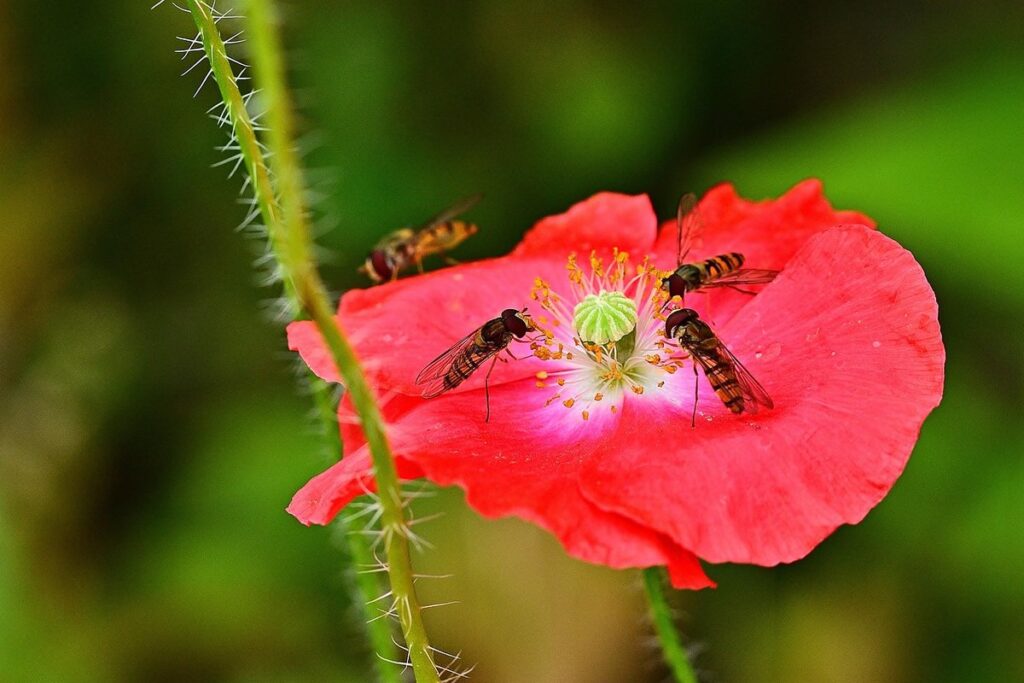
Pollinators play a vital role in corn production, with bees and other insects responsible for transferring pollen between ears to facilitate fertilization.
Their importance cannot be overstated, as even small changes in pollinator populations can impact corn yields significantly.
Importance of Bee Populations
Bee populations play a critical role in corn pollination. As primary pollinators, bees are responsible for transferring pollen from the male tassels to the female ears of corn. Without bees, many corn varieties would be unable to reproduce, resulting in significantly reduced yields.
Factors affecting bee populations have a direct impact on corn yields. Pesticide use, in particular, can harm or kill off bee colonies, reducing their numbers and pollination efficiency. Habitat loss and fragmentation also contribute to declining bee populations, as bees rely on diverse plant species for food and shelter. Climate change further exacerbates these issues by altering the timing of flower blooms and disrupting the delicate balance between pollinators and their environment.
To mitigate these effects, farmers can implement Integrated Pest Management (IPM) strategies that minimize pesticide use while maintaining crop yields. This might involve adopting organic farming practices or using targeted pest control methods that reduce harm to pollinator populations. By prioritizing bee conservation and promoting sustainable agricultural practices, farmers can help ensure the continued success of corn pollination.
Other Pollinators and Their Contributions
Butterflies, moths, and wasps all play a role in corn pollination, often working in tandem with bees to ensure successful pollination. These insects interact with corn plants through a process called “buzz pollination,” where they vibrate their wings to release pollen from the anthers of the male flowers. This vibration allows for the pollen to be transferred more efficiently to the stigma of the female flowers.
Butterflies, in particular, are important pollinators of corn, particularly the monarch butterfly. These butterflies feed on nectar from cornflowers and transfer pollen as they move between plants. Moths, such as the hummingbird hawk moth, also contribute significantly to corn pollination by feeding on nectar and transferring pollen.
Wasps, including paper wasps and yellowjackets, are also important pollinators of corn. They feed on nectar and insects within the corn plant, helping to control pests that can damage corn crops. To support these other pollinators, farmers can implement practices such as planting a diverse range of flowers that provide nectar sources for butterflies and moths. This approach not only promotes biodiversity but also enhances overall pollination success.
Factors Affecting Corn Pollination Success
The success of corn pollination hinges on several key factors, from weather conditions to pest management, which can either hinder or help the process along. Let’s examine how these variables impact your crops’ chances of thriving.
Weather Conditions and Climate Change
High temperatures can hinder corn pollination by slowing down pollen production and germination. Cooler temperatures, typically between 60°F to 85°F (15°C to 30°C), are ideal for effective pollination. Conversely, extreme heatwaves can cause pollen viability to decrease rapidly, resulting in reduced yields.
Precipitation patterns also play a crucial role in corn pollination success. A moderate amount of rainfall is necessary to maintain soil moisture and facilitate healthy plant growth. However, excessive rain can lead to fungal diseases that harm the crop. Drought conditions, on the other hand, can cause stress to the plants, making them more susceptible to pests and diseases.
Climate change has been linked to shifts in temperature and precipitation patterns, which can impact corn pollination. Rising temperatures can alter the synchronization between pollen release and silk emergence, reducing pollination efficiency. Changes in precipitation patterns may also affect the distribution of beneficial insects that contribute to pollination.
Farmers can mitigate the effects of climate change by adopting more resilient crop varieties, implementing efficient irrigation systems, and maintaining soil health through organic amendments. By understanding the interplay between weather conditions and corn pollination, farmers can take proactive steps to ensure successful pollination events and maximize yields.
Soil Quality and Crop Rotation
Soil quality plays a critical role in corn pollination success. Nutrient-rich soils with adequate water retention are essential for healthy plant growth and optimal pollination. Soils deficient in nutrients or lacking sufficient moisture can lead to stunted plants, reduced yields, and compromised pollinator activity.
Crop rotation practices that promote healthy pollinator populations are also crucial. For example, planting cover crops like clover or alfalfa between corn rows can provide a source of nectar and pollen for bees and other pollinators. This can help support local pollinator populations and improve pollination rates in subsequent corn crops.
Some key considerations when implementing crop rotation practices include:
• Rotating away from heavy nitrogen-fixing crops to avoid depleting soil nutrients
• Planting diverse cover crops that attract a range of pollinator species
• Avoiding monoculture farming practices that can lead to soil degradation and reduced pollinator activity
By prioritizing soil health through nutrient-rich soils and effective crop rotation, farmers can create an environment conducive to successful corn pollination. This, combined with other best management practices, can help ensure optimal yields and long-term agricultural sustainability.
Advanced Corn Pollination Techniques
For experienced farmers, advanced corn pollination techniques can make a significant difference in yields and quality. This section will explore some of these methods in more detail.
Precision Agriculture and Automation
Drones equipped with high-resolution cameras are being used to monitor corn fields and detect areas where pollination is struggling. Satellite imaging provides a broader view of the crop’s health, allowing farmers to adjust their pollination strategies accordingly. This data-driven approach enables precision agriculture, which can significantly improve pollination efficiency.
For instance, drones can be programmed to fly over specific areas of the field and capture images of the corn plants. Specialized software then analyzes these images to identify any issues with pollination, such as incomplete or uneven kernel set. This information is used to target those areas for additional pollination support.
Automation also plays a crucial role in optimizing pollination. Autonomous tractors and other equipment can be programmed to apply fertilizers or pesticides only where they’re needed, reducing waste and minimizing the impact on beneficial insects. This not only saves labor costs but also helps reduce environmental harm. Some farmers are even using robotic bees, designed to mimic the flight patterns of real bees, to supplement natural pollination efforts in areas with low bee populations.
Integrated Pest Management (IPM) Strategies
Integrated pest management (IPM) strategies are essential for maintaining a healthy corn pollination environment. By balancing pest control with pollinator health, farmers can reduce their reliance on chemical pesticides and minimize harm to beneficial insects. One effective approach is the use of beneficial insects, such as lady beetles or lacewings, which prey on pests that threaten corn pollination.
Organic pesticides are another key component of IPM strategies. These alternatives to conventional chemicals include neem oil, spinosad, and pyrethrin-based products. When selecting organic pesticides, consider the type of pest you’re targeting and choose a product with a low toxicity rating for bees and other beneficial insects.
For example, Bt (Bacillus thuringiensis) corn, which produces its own pesticide, is an attractive option for farmers looking to reduce their reliance on external insecticides. By adopting IPM strategies that prioritize pollinator health, farmers can create a more balanced ecosystem and promote sustainable agriculture practices. This approach also helps minimize the development of pest resistance to chemical pesticides, ensuring that these tools remain effective over time.
Challenges Facing Corn Pollination in Modern Agriculture
Corn pollination is facing unprecedented challenges, from climate change to pest management, which can significantly impact crop yields and quality. We’ll examine some of these pressing issues that affect modern corn farmers.
Monoculture Farming Practices
Monoculture farming practices prioritize a single crop variety, often corn, over others. This focus can lead to reduced biodiversity on farms and surrounding ecosystems. In turn, pollinator populations decline as they rely on diverse plant species for food and shelter.
The lack of biodiversity also limits the genetic diversity within crops themselves. Monocultures can make crops more susceptible to pests and diseases, necessitating increased use of herbicides and pesticides that further harm beneficial insects. For example, a study in the Midwest found that corn monoculture was associated with lower bee populations and reduced pollination success.
To promote biodiversity and mitigate these effects, some farmers adopt alternative farming methods. These include polycultures – growing multiple crops together to create complex ecosystems – or agroforestry systems that integrate trees into crop fields. These approaches can increase habitat for beneficial insects and other wildlife while improving soil health and reducing the need for external inputs. By incorporating diverse plant species, farmers can begin to rebuild pollinator populations and achieve more resilient corn yields.
The Impact of Herbicides and Pesticides
Herbicides and pesticides are widely used in modern agriculture to control weeds and pests. However, these chemicals can have a profound impact on pollinators like bees, which play a crucial role in corn pollination. One of the main concerns is neonicotinoids, a class of insecticides that has been linked to bee declines worldwide.
Neonicotinoids work by affecting the nervous system of insects, ultimately leading to their death. Studies have shown that exposure to these chemicals can impair bees’ navigation skills, memory, and communication abilities, making it harder for them to pollinate crops effectively. In addition to neonicotinoids, other pesticides like pyrethroids and organophosphates also pose a threat to pollinators.
To minimize harm to pollinators, farmers can explore safer alternatives for pest control. These include crop rotation, biological control methods, and using physical barriers to prevent pests from reaching crops. Some farms are also adopting integrated pest management (IPM) strategies that involve monitoring pest populations and using targeted interventions only when necessary.
Conclusion: Ensuring Corn Pollination Success
Now that we’ve explored the intricacies of corn pollination, let’s summarize key takeaways and provide a roadmap for achieving success in your own pollination efforts.
Implementing Sustainable Practices
To ensure successful corn pollination, it’s essential to implement sustainable practices on your farm. As we’ve discussed earlier, a healthy bee population is crucial for effective pollination. To promote bee populations, consider planting a diverse range of flowers that provide nectar and pollen, such as sunflowers or clover. These flowers will not only attract bees but also improve soil health.
In addition to promoting biodiversity, adopt Integrated Pest Management (IPM) strategies to minimize the use of pesticides. This approach involves identifying pests, understanding their life cycles, and using a combination of techniques, including physical barriers, cultural controls, and biological controls, to manage them. For example, you can use row covers to prevent pests from reaching your crops.
When it comes to crop rotation, prioritize corn rotation with legumes like beans or peas. This will improve soil fertility, reduce the need for synthetic fertilizers, and promote beneficial microorganisms. By implementing these sustainable practices, you’ll not only ensure successful corn pollination but also contribute to a healthier environment.
Future Directions in Corn Research and Development
Researchers are actively exploring new ways to improve corn pollination efficiency, with a focus on reducing reliance on honey bees and other managed pollinators. One promising area of study involves the development of self-pollinating corn varieties, which could mitigate the impact of declining bee populations. Scientists are also investigating the potential of alternative pollinators, such as butterflies and moths, to supplement or replace traditional pollinators.
Emerging technologies, including drones and satellite imaging, may revolutionize the monitoring and management of corn pollination. These tools can help farmers track pollinator activity, identify areas of low pollination, and optimize planting schedules. Additionally, researchers are exploring the use of machine learning algorithms to predict pollination outcomes based on historical climate data and other environmental factors.
Several research initiatives aim to promote pollinator health through targeted interventions. For example, studies are underway to examine the impact of specific crop rotation strategies and cover crops on pollinator populations. These findings could inform best practices for sustainable agriculture and help reduce the pressure on managed pollinators.
Frequently Asked Questions
What if I don’t have a large farm – can I still implement some of these corn pollination practices on a small scale?
You can definitely adapt many of the techniques mentioned in this article to smaller-scale farms or even backyard gardens. For instance, using precision agriculture technologies like drones can be expensive, but you might consider renting access to a drone service or working with a local extension office to get guidance on optimizing your pollination efforts.
Can I use neonicotinoids if my farm is certified organic?
Unfortunately, no. Neonicotinoids are not allowed in organic farming practices due to their potential harm to pollinators and other beneficial insects. If you’re looking for alternatives to pest control, consider using Integrated Pest Management (IPM) strategies that incorporate beneficial insects and organic pesticides.
How do I know if my bees are contributing to corn pollination effectively?
Keep an eye out for signs of healthy bee populations, such as strong colonies with plenty of stored honey and pollen. You can also monitor the number of flowers visited by your bees, which should be high during peak corn pollination times. Additionally, consider conducting a simple pollinator health assessment to identify potential issues.
What if I notice that my soil quality is affecting corn pollination success – how do I improve it?
Soil quality plays a crucial role in corn pollination success. To improve your soil’s fertility and water retention capacity, try incorporating organic amendments like compost or manure into your crop rotation plan. Regularly testing your soil for nutrient deficiencies can also help you identify areas for improvement.
Can I use hand pollination as a primary method for large-scale corn production?
While hand pollination is effective in small-scale farming, it’s not typically used as a primary method for large-scale corn production due to the time-consuming and labor-intensive nature of this process. However, it can be a useful supplement to other methods, especially if you’re dealing with specific issues like low bee populations or adverse weather conditions.
