Ewe sheep are an essential component of many livestock farms worldwide, providing high-quality wool, milk, and meat. As a sheep farmer or aspiring breeder, you know that managing ewes effectively is crucial for the success of your operation. However, breeding, nutrition, health management, and marketing can be complex tasks, especially for those new to the industry. Ewe sheep require specific care, from proper feeding and vaccination schedules to careful planning of breeding cycles. With so many variables at play, it’s easy to make mistakes that can impact not only your bottom line but also animal welfare. In this comprehensive guide, we’ll cover essential techniques for successful ewe sheep farming, including breeding strategies, optimal nutrition plans, health management best practices, and effective marketing methods to maximize returns on investment. By the end of this article, you’ll be equipped with the knowledge to confidently manage your ewe flock and achieve long-term success in the industry.
Characteristics of Ewe Sheep
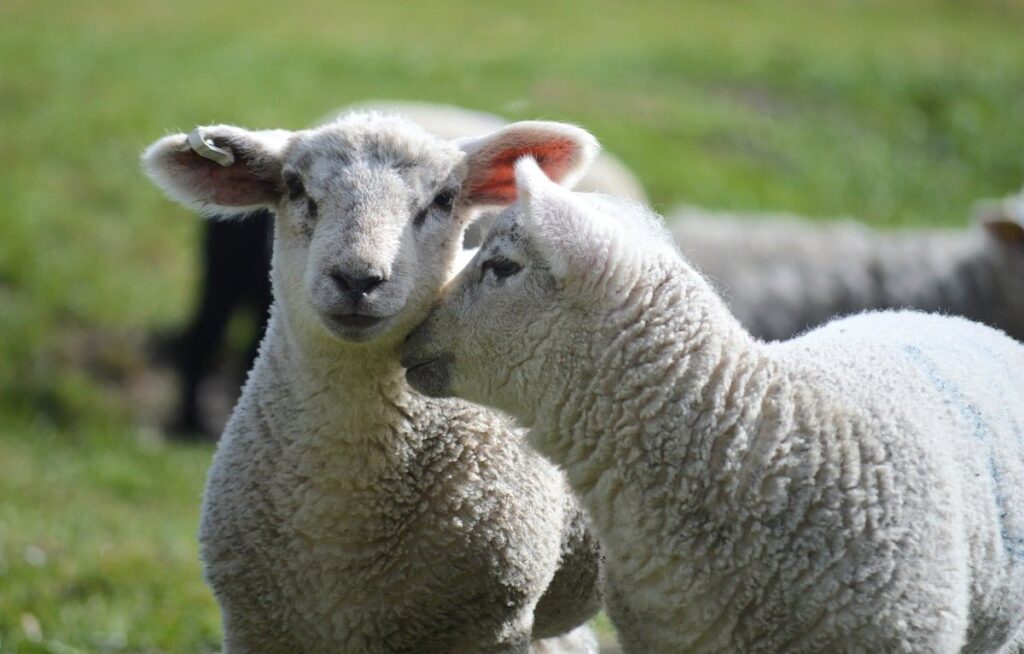
Ewe sheep are a crucial part of any successful flock, and understanding their characteristics is essential for optimal breeding, management, and care. Let’s take a closer look at what sets these amazing animals apart.
Physical Characteristics
Ewe sheep come in a variety of coat types, including wool, hair, and crossbreed. Wool ewes have a thick, dense fleece that requires regular shearing to prevent overgrowth and maintain quality. Hair ewes, on the other hand, have a smoother, less dense coat that sheds seasonally. Crossbred ewes often combine the benefits of both wool and hair types, offering improved hardiness and reduced shedding.
Ewe sheep also exhibit a range of colors, including black, white, brown, and various shades in between. Some breeds, such as the Polwarth, are known for their striking grey or fawn coats. Coat color can be influenced by genetics, climate, and nutrition, with factors like sun exposure and soil quality affecting pigmentation.
In terms of body size, ewe sheep typically range from 100 to 200 pounds (45-90 kg) in weight, depending on breed and purpose. Some breeds, such as the Merino, are bred for their compact size and high wool production, while others, like the Shetland, may be smaller due to their origins as island-raised animals.
A ewe’s body conformation is also critical, with factors like muscling, bone structure, and leg soundness affecting overall health and productivity.
Behavior and Temperament
Ewe sheep are social animals that thrive in the company of others. They live in a hierarchical structure, with dominant ewes leading subordinate ones. This social hierarchy is essential for maintaining order and reducing stress within the flock. You can observe this dynamic firsthand by watching a group of ewe sheep graze together.
Communication plays a vital role in their social interactions. Ewes use a variety of vocalizations to convey messages, including baaing to alert others to potential threats or signaling contentment when they’re fed or groomed. They also use body language to communicate, such as ear and tail positions indicating stress or friendliness.
Adaptability is another key aspect of ewe temperament. Ewes can adjust to different environments with ease, making them suitable for various farming conditions. However, this adaptability doesn’t mean they’re immune to stressors like extreme weather or inadequate shelter. When introducing new ewes to a flock, it’s essential to monitor their behavior and provide a gradual acclimation process to prevent conflicts.
In terms of specific management practices, consider the following:
- Provide adequate space for each ewe (at least 10-15 square meters per head)
- Ensure access to shelter and shade during hot or inclement weather
- Implement a gradual introduction process when introducing new ewes to the flock
Breeding Ewe Sheep
When breeding ewe sheep, understanding their reproductive cycles and selecting suitable sires is crucial for successful lambing and a healthy flock. Let’s take a closer look at these critical factors.
Choosing the Right Breed
When selecting a breed of ewe sheep for specific purposes, several factors come into play. For meat production, breeds like the Hampshire Down and Suffolk are popular choices due to their rapid growth rates and high-quality carcasses. These breeds typically have a higher muscle mass-to-bone ratio, making them well-suited for the commercial market.
For wool production, breeds such as the Merino and Rambouillet are preferred due to their fine fleece and ability to produce high-quality wool with minimal processing. Consider factors like climate, available feed, and intended use when choosing a breed. For example, if you’re located in an area with harsh winters, breeds with thicker coats or adapted to cold temperatures may be more suitable.
In addition to these considerations, think about the specific traits you want your ewes to exhibit. Do you prioritize fertility, growth rate, or parasite resistance? Some breeds excel in certain areas, such as the Dorset Horn for its high fertility rates or the Cheviot for its hardiness and parasite resistance. Knowing what characteristics are most important for your operation will help guide your selection of a suitable breed.
Breeding Program Essentials
When establishing a breeding program for ewe sheep, genetics is a crucial consideration. You’ll want to select breeds that exhibit desirable traits such as fertility, mothering ability, and growth rate. A good starting point is to assess the genetic diversity of your flock by evaluating the pedigree of each animal. This involves reviewing the sire and dam of each individual to identify potential inbreeding or linebreeding.
Nutrition also plays a vital role in breeding success. Ewes require adequate nutrition during gestation, particularly for optimal fetal development. Ensure they receive high-quality feed that meets their energy and nutrient requirements. A balanced diet should include a mix of hay, grains, and minerals to support overall health and reproductive performance.
Health management is equally important. Implement regular veterinary check-ups to monitor ewe fertility and detect any potential issues early on. Keep accurate records of reproductive history, including breeding dates, conception rates, and lambing outcomes. This data will help you identify trends and make informed decisions about your breeding program.
Reproductive Cycle and Fertility Management
Understanding the reproductive cycle of ewe sheep is crucial for effective breeding and fertility management. Ewe sheep typically experience a 16- to 17-day estrous cycle, during which they are fertile for about 24 hours. To identify the optimal breeding time, farmers can monitor the ewes’ behavior, looking for signs such as restlessness, frequent urination, and increased vocalization.
The gestation period for ewe sheep is around 145-150 days, although this can vary depending on factors like breed and nutritional status. A healthy ewe should gain about 50-70 pounds during pregnancy to ensure a successful outcome. To optimize fertility management, farmers can implement techniques such as:
- Breeding ewes at the optimal time in their estrous cycle
- Monitoring body condition scores (BCS) to identify ewes that may require additional nutrition or care
- Implementing a rotation breeding program to minimize the risk of disease transmission and improve overall reproductive efficiency
Regular monitoring of ewe fertility can also help farmers detect any issues early on, such as anestrus or infertility. By staying informed about these factors, farmers can make data-driven decisions to optimize their breeding programs and improve overall productivity.
Nutrition and Health Management
Maintaining the optimal health of your ewes requires a balanced approach to nutrition, which we’ll discuss below, including diet considerations and common health issues. Proper nutrition plays a crucial role in their overall well-being and productivity.
Dietary Requirements
Ewe sheep have specific nutritional needs that vary depending on factors such as age, breed, and production level. For example, pregnant ewes require more energy and protein than non-pregnant ewes to support fetal development. A balanced diet should include a mix of high-quality hay, grains, and supplements.
A good starting point is to provide 1-2% of the ewe’s body weight in dry matter per day. For instance, a 100-pound ewe would require approximately 1-2 pounds of feed daily. The type and quantity of feed will also depend on the stage of production; for example, lactating ewes may need more energy-dense feeds to support milk production.
In terms of specific feed types, high-quality hay such as alfalfa or grass hay should be provided in abundance, while grains like corn or oats can be used as supplements. It’s essential to avoid over-supplementing with grains, which can lead to digestive issues and other health problems. Some producers also choose to add supplements like vitamins A and E to their ewe’s diet.
When selecting a feed, consider the nutritional profile and ensure it meets your ewes’ specific needs.
Common Health Issues
Ewe sheep are susceptible to a range of health issues, primarily related to parasites, diseases, and birthing complications. Internal parasites such as worms and lice can lead to weight loss, reduced fertility, and weakened immunity. External parasites like ticks and keds cause irritation and can transmit diseases. Regular deworming and parasite control measures are essential.
Diseases affecting ewe sheep include ovine pulmonary adenocarcinoma (OPA), also known as maedi-visna, a viral respiratory disease found in some breeds. Clostridial diseases like pulpy kidney disease and blackleg can be fatal if not promptly treated. Vaccination programs should target these specific diseases based on regional prevalence.
Birthing complications are another critical concern for ewe sheep owners. Dystocia, or difficult labor, can result from oversized lambs, breed-specific issues, or nutritional deficiencies. Ensuring adequate nutrition and providing a safe birthing environment are crucial to minimize the risk of dystocia. Regular health checks and monitoring during lambing season help identify potential problems early on.
Some common signs of health issues include changes in appetite, weight loss, lethargy, and abnormal discharge. Prompt veterinary attention is necessary for effective treatment and prevention strategies.
Vaccination and parasite control
When it comes to vaccination schedules for ewe sheep, regular check-ups with a veterinarian are essential. They will assess the flock’s needs and provide guidance on which vaccines to administer. Typically, ewes should be vaccinated against diseases such as clostridium C and D, pneumonia, and tetanus. The initial vaccinations usually occur at 6-8 weeks of age, followed by booster shots every 3-4 months.
Parasite control is also a critical aspect of ewe health management. Internal parasites like worms can have a significant impact on productivity, causing weight loss, reduced fertility, and even death. Regular fecal testing will help identify the presence of internal parasites, allowing for targeted treatment. External parasites, such as lice and keds, can be managed through regular grooming and the use of insecticides.
To minimize parasite issues, maintain clean living conditions, provide adequate shelter, and ensure good sanitation practices are in place. Avoid overgrazing, as this can lead to increased parasite loads on pasture. A well-managed rotational grazing system can help reduce the risk of parasite infestations.
Management and Handling Practices
Effective management is crucial for ewe sheep, so let’s discuss strategies for handling their unique needs. Proper care starts with understanding their behavior, health, and nutrition requirements.
Housing and Shelter
When designing housing for ewe sheep, prioritize space, ventilation, and hygiene to ensure their health and well-being. A general rule of thumb is to provide at least 10 square feet of floor space per animal, but this can vary depending on the breed, age, and purpose of the flock.
For example, pregnant or lactating ewes require more space for comfort and mobility. Consider using multi-level or tiered enclosures to maximize space without increasing footprint. Adequate ventilation is also crucial to prevent ammonia buildup from urates and manure, which can lead to respiratory issues.
In addition to physical housing, ensure access to clean water and a shelter that protects ewes from wind, rain, and sun exposure. The shelter should be designed with easy-to-clean surfaces and adequate drainage to minimize the risk of disease transmission. Regular cleaning and disinfection of enclosures are essential to maintain hygiene levels.
Consider implementing a strict rotation system for pastures to prevent overgrazing and allow for regrowth. This will also help distribute nutrients more evenly, reducing the need for fertilizers and minimizing environmental impact. By prioritizing space, ventilation, and hygiene in housing design, you can create a healthy and thriving environment for your ewe flock.
Fencing and Enclosures
When designing fencing and enclosures for ewe sheep, it’s essential to prioritize durability and security. The most suitable materials for fencing are typically high-tensile wire, steel posts, and wooden or metal panels. High-tensile wire is particularly effective due to its strength-to-weight ratio, making it easier to handle and transport.
When choosing the type of fence, consider the terrain and climate of your property. For example, if you live in an area prone to heavy rainfall or strong winds, a sturdy wooden post with a metal bracket can provide added stability. On the other hand, if you have limited space or want to create a more visually appealing enclosure, a decorative metal panel fence may be a better option.
It’s also crucial to consider the size of your ewe sheep when designing the enclosure. A general rule of thumb is to provide at least 10 square feet of space per animal. Additionally, ensure that the fencing is at least four feet high to prevent escape and predator entry. Regular inspections and maintenance are necessary to keep the fence in good condition and prevent damage from weather or wear and tear.
When selecting materials, opt for those that can withstand harsh weather conditions and require minimal upkeep. A well-designed and well-maintained enclosure not only protects your ewe sheep but also helps to reduce stress and prevent health issues.
Training and Handling Techniques
When it comes to training and handling ewe sheep, safety and humane treatment are top priorities. Introducing halter breaking at a young age is essential for establishing trust between you and the animal. Start by getting your ewe used to wearing a halter, rewarding her with treats for remaining calm. As she becomes more comfortable, gradually introduce short sessions of walking on a lead rope.
To manage movement effectively, consider the following tips: always approach from behind or the side to avoid startling the ewe; use clear, consistent vocal cues to guide her; and never physically force her to move in a specific direction. For larger groups or during transport, implement a “walk-and-stop” system where you guide the lead ewe with treats, then let the rest of the flock follow.
When handling ewes, it’s also crucial to respect their personal space and body language. Be aware of signs of stress or anxiety, such as raised hackles or avoidance behaviors, and take steps to alleviate them promptly. By adopting these techniques, you’ll be able to manage your ewe sheep with confidence and ensure a safe, enjoyable experience for both you and the animals.
Marketing and Sales Opportunities
You’ve successfully raised a healthy flock of ewes, now it’s time to think about turning them into a profitable business. This section will explore ways to market and sell your sheep products effectively.
Meat Production and Value-Added Products
Ewe sheep are a popular choice for small-scale meat production due to their efficient growth rate and high-quality carcasses. When it comes to meeting consumer demand for sustainable and locally sourced meat, ewe lamb can be a competitive option. Meat processors often look for producers who can supply consistent quantities of high-quality lambs, which is where ewe sheep come in.
Value-added products such as sausages or specialty cuts like rack of lamb can command premium prices and increase revenue potential for farmers. However, to capitalize on these opportunities, it’s essential to understand the consumer market. Research shows that consumers are willing to pay more for meat from sheep that have been raised humanely and sustainably.
To tap into this demand, consider working with a local butcher or processor who can help you develop value-added products tailored to your farm’s unique selling points. For example, you could create a signature sausage flavor using locally sourced ingredients or highlight the environmental benefits of raising ewe sheep on your farm. By focusing on quality and transparency, farmers can differentiate their product in a crowded market and increase their bottom line.
Wool Production and Sales
To maximize returns on wool production from ewe sheep, it’s essential to understand pricing structures. Ewe wool is typically graded based on its quality, with higher grades commanding higher prices. The most common grading system involves categorizing wool into four main types: fleece, carding, roving, and worsted. Fleece wool has the longest fibers and is usually sold as-is, while carding and roving wool have shorter fibers that are often processed further before sale. Worsteds have the shortest fibers and are typically used for making fine fabrics.
Effective quality control measures can help increase revenue by ensuring consistency in wool quality. This involves regular checks on fleece condition, fiber length, and color uniformity. You should also consider investing in a reliable weighing system to accurately record wool yields.
When selling wool, you’ll often need to grade it according to standards set by organizations like the American Fleece Breeders Association or the Wool and Mohair Council of Australia. Familiarize yourself with these guidelines to ensure your ewe’s fleece meets market expectations. This can also help you price your product competitively.
Educational and Outreach Opportunities
Ewe sheep farming offers a unique opportunity for educational programs and outreach initiatives. These efforts can promote the benefits of ewe sheep management practices to new farmers, rural communities, and consumers. A well-designed program might focus on teaching essential skills such as breeding, nutrition, and health management. This could include workshops or hands-on training sessions led by experienced professionals.
For example, a regional agricultural college could develop an ewe sheep management course for students interested in agriculture. The curriculum would cover topics like reproductive cycle management, parasite control, and fencing techniques. In addition to classroom instruction, the program might also provide opportunities for hands-on experience with ewe sheep on-campus facilities.
Outreach initiatives can also be effective in promoting the value of ewe sheep farming. This could involve partnering with local 4-H clubs or FFA chapters to develop educational programs and activities centered around ewe sheep management. Alternatively, farmers might participate in farm tours or open houses to showcase their operations and share expertise with visitors. By engaging with local communities and providing education on best practices, ewe sheep farmers can build support for their industry and promote sustainable agriculture.
Frequently Asked Questions
How to Implement Breeding Program Essentials on a Small Farm
Implementing an effective breeding program can be challenging for small farms with limited resources. Consider starting with a single breed and gradually introducing new genetics as your operation grows. This will allow you to refine your management strategies and adapt to changing conditions.
What if I Encounter Reproductive Issues Despite Proper Fertility Management?
Reproductive issues can arise despite proper fertility management, often due to underlying health problems or environmental stressors. Monitor your ewes’ reproductive cycles closely, and consult with a veterinarian to identify potential causes and develop targeted solutions. Keep detailed records of breeding schedules, lambing outcomes, and any interventions made.
Can I Use Vaccination Schedules from Other Sheep Breeds?
While some vaccination schedules may be transferable between breeds, it’s essential to consider the unique health profiles of ewe sheep. Consult with a veterinarian to determine the most suitable vaccination program for your specific operation, taking into account factors like parasite prevalence and local disease risks.
How Do I Balance Nutrition Requirements with Limited Feed Resources?
Balancing nutrition requirements can be challenging when feed resources are limited. Prioritize nutrient-dense feeds like high-quality hay or pasture, and consider supplements like minerals or vitamins to fill gaps in the ewes’ diet. Regularly monitor their weight and body condition scores to ensure they’re meeting nutritional needs.
Is it Possible to Raise Ewe Sheep on a Small Plot of Land with Limited Space?
While ewe sheep require space for movement and grazing, it’s possible to raise them on small plots of land with careful management. Consider using rotational grazing techniques to maximize land use efficiency and minimize overgrazing. Ensure adequate shelter and fencing to protect the animals from predators and harsh weather conditions.