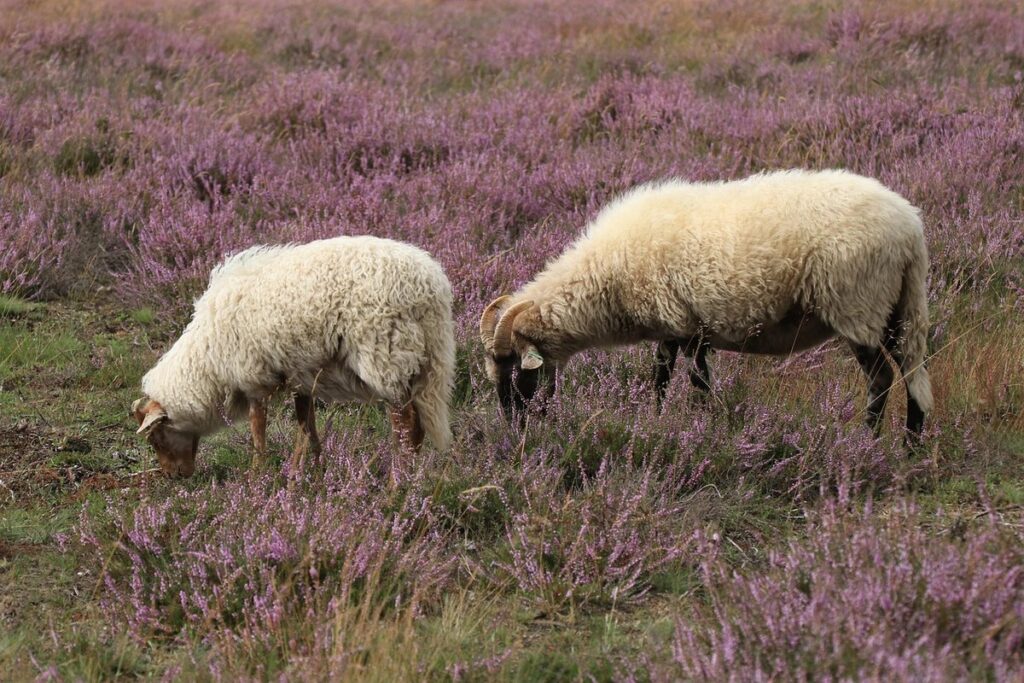
Sheep are herbivores by nature, which means their diet consists mainly of plant-based foods. The type of feed they consume plays a crucial role in maintaining their overall health and well-being. A balanced diet is essential to prevent nutritional deficiencies and ensure that your flock remains healthy. You may be wondering what types of food are suitable for sheep and how you can supplement their diet to meet their nutritional needs. Commercial feeds, hay, grass, and even supplements can all play a part in providing the necessary nutrients for optimal health. In this article, we’ll explore the essential diet and nutrition needs of sheep, covering everything from grazing habits to commercial feed options, so that you can make informed decisions about your flock’s eating habits.
Understanding Sheep Nutrition Basics
Sheep nutrition is a crucial aspect of their overall health, and understanding what they need to thrive is essential for any shepherd or owner. Let’s start by exploring the basic dietary requirements that all sheep share.
Types of Feed Available for Sheep
Sheep can thrive on a variety of diets, each offering unique nutritional benefits. Hay is a staple in many sheep feed systems, providing fiber and energy. Timothy hay, oat hay, and alfalfa hay are popular choices due to their high quality and digestibility.
Grasses are another essential component of a sheep’s diet. Legumes like clover and alfalfa are rich in protein and energy, making them ideal for pregnant ewes or lambs. Grasses like orchard grass and ryegrass are also suitable, offering a balance of fiber and nutrients.
Commercial sheep feed is often used as a supplement to hay and grass. These feeds come in various forms, including pellets, grains, and concentrates. Look for feeds formulated specifically for your flock’s life stage and nutritional needs. For example, lamb starter rations contain more protein than ewe feed, ensuring lambs grow rapidly and healthily.
When selecting commercial feed, choose products from reputable manufacturers that use high-quality ingredients. Always follow the recommended feeding rates to avoid overfeeding or underfeeding.
Importance of Adequate Water Intake
Sheep need access to clean, fresh water at all times. This is crucial for maintaining their overall health and preventing dehydration, which can lead to serious issues such as kidney damage, digestive problems, and even death. Inadequate water intake can also impair the sheep’s ability to digest feed properly.
Water makes up a significant portion of a sheep’s body weight, typically around 60-70%. It is essential for maintaining bodily functions, including digestion, circulation, and temperature regulation. Sheep that don’t have access to enough water may exhibit signs such as decreased appetite, lethargy, and dry mouth.
To ensure your sheep always have access to clean water, make sure their watering system is reliable and easy to use. Check the water frequently for contamination and replace it as needed. In hot weather or during periods of high feed intake, increase the water supply accordingly.
Grazing Habits and Pasture Management
Sheep grazing habits can greatly impact their overall health, so let’s take a closer look at how to manage pastures effectively for optimal nutrition. Proper pasture management is crucial for maintaining lush grass and preventing overgrazing.
Optimal Grazing Techniques
When implementing optimal grazing techniques, sheep farmers should consider a combination of rotation strategies and rest periods. Rotation involves moving the flock to new pasture areas at regular intervals, allowing previously grazed areas to recover. This approach can help prevent overgrazing and maintain soil fertility.
A typical rotation schedule might involve dividing the pastures into four to six sections, with each section being grazed for a set period before being rested. For example, if you have 10 acres of pasture, you could divide it into five sections and graze each one for three weeks before moving on to the next section.
Rest periods are equally important, as they allow the grass to regrow and replenish its nutrient reserves. Aim to give your pastures at least four to six months’ rest per year, depending on factors such as climate, soil type, and grazing intensity. During this time, consider allowing wildlife like birds or insects to graze, which can help control weed growth and maintain ecosystem balance.
By incorporating these strategies into their grazing practices, sheep farmers can promote healthy pastures and ensure their flock has access to the nutrients they need.
Grass Types Suitable for Sheep Feed
When it comes to grazing, sheep require specific types of grasses to meet their nutritional needs. Ryegrass and perennial ryegrass are excellent choices as they are rich in protein, fiber, and essential micronutrients like calcium and phosphorus. Timothy grass is another suitable option, particularly for ewes and lambs, due to its high digestibility and palatability.
Clover varieties, such as white clover and red clover, are also beneficial for sheep feed. They contain a higher proportion of protein compared to other types of grass, making them ideal for pregnant and lactating ewes. However, some sheep may not tolerate the high levels of nitrogen in clovers, so it’s essential to monitor their response.
In contrast, certain types of grass should be avoided as they can cause digestive issues or nutrient deficiencies in sheep. These include species with high levels of oxalates, like plantain and sorrel, which can lead to kidney damage if consumed in excess. It’s crucial to identify the different types of grasses on your pasture and select those that are suitable for your flock’s needs.
Nutrition Requirements by Life Stage
Sheep have different nutritional needs at various stages of their lives, from weaning to old age. Let’s break down the specific dietary requirements for each life stage.
Lamb Nutrition
Lambs require a unique balance of energy and protein to support their rapid growth and development. During the first few weeks of life, lambs need a diet rich in energy to sustain their high metabolism. This is typically achieved through colostrum, the nutrient-dense milk produced by ewes in the first few days after lambing. As lambs transition to solid foods, they require a diet with a protein content of around 18-20%, which is higher than that of adult sheep.
A deficiency in protein can lead to stunted growth and poor immune function in lambs. Conversely, excessive energy intake can result in obesity and other metabolic issues. To meet these needs, farmers often provide lambs with creep feeding – a specialized feed designed specifically for young lambs. This feed typically contains a mix of grains, such as oats or barley, and hay or silage.
To ensure lambs receive the right balance of nutrients, consider the following: aim to provide around 10-12% of their daily energy needs through creep feeding, and offer access to high-quality pasture or hay at all times.
Pregnant and Lactating Ewes’ Nutritional Needs
Pregnant and lactating ewes require a significant increase in their nutritional intake to support fetal growth and milk production. This is especially crucial during the last trimester of pregnancy when the fetus grows rapidly, and during early lactation when ewe’s milk demand is high.
To meet these needs, pregnant and lactating ewes should have access to high-quality forage with a higher energy content. Legumes such as alfalfa or clover are excellent options due to their rich protein and energy profile. In addition, pregnant and lactating ewes benefit from increased intake of calcium, phosphorus, and vitamin A to support fetal development and milk production.
Ewes typically require 1-2% more energy during pregnancy and up to 3-4% more during lactation compared to non-pregnant or non-lactating females. Meeting these increased nutritional demands is essential for maintaining the health and productivity of the ewe flock. For example, a study found that pregnant ewes fed with high-quality hay had improved fetal growth rates and lower mortality rates compared to those fed with lower-quality feed.
Common Feed Supplements for Sheep
When it comes to providing your flock with a balanced diet, you’ll often need to supplement their feed with essential nutrients that aren’t readily available in their pasture. This section covers some of the most common supplements used for sheep.
Vitamin and Mineral Supplements
Sheep may require supplements to ensure they receive adequate vitamins and minerals in their diet. Common vitamin and mineral supplements used in sheep nutrition include vitamin A, which is essential for maintaining healthy vision, immune function, and skin integrity. Vitamin E is another important supplement, as it acts as an antioxidant and helps protect against cell damage.
Mineral supplements are also crucial for optimal sheep health. Zinc is a vital mineral that supports growth, development, and immune function in sheep. Copper, on the other hand, plays a key role in connective tissue health and may need to be supplemented if pasture or feed lacks adequate levels.
In terms of delivery methods, vitamin and mineral supplements can be administered orally through drenches, added to feed mixes, or provided as free-choice minerals. It’s essential for farmers and shepherds to consult with a veterinarian or qualified animal nutritionist to determine the specific supplement needs of their flock based on factors such as breed, age, and production level.
When selecting supplements, ensure that they are specifically formulated for sheep and contain the correct balance of vitamins and minerals.
Energy-Boosting Supplements
Energy-boosting supplements are often used to support sheep during periods of high demand or stress. These supplements typically contain ingredients like yeast extract, which is rich in B vitamins and other nutrients. Some common types of energy-boosting supplements for sheep include grain-based concentrates and molasses-based products.
When choosing an energy-boosting supplement, consider the individual needs of your flock. For example, sheep that are prone to heat stress may benefit from a supplement containing electrolytes like potassium or magnesium. On the other hand, sheep that are underweight or have difficulty gaining weight may require a more calorie-dense supplement.
A few examples of energy-boosting supplements for sheep include:
- Yeast-based concentrates: These products contain yeast extract and often additional nutrients like vitamins and minerals.
- Molasses-based supplements: These products provide a quick source of energy and are often used during times of high demand or stress.
- Grain-based concentrates: These products typically contain grains like corn or oats, as well as added vitamins and minerals.
Managing Sheep’s Diet for Optimal Health
When it comes to sheep, their diet plays a crucial role in maintaining optimal health. In this next part, we’ll explore the essential components of a sheep’s diet and how to balance them for peak wellness.
Identifying and Addressing Nutritional Deficiencies
Regular monitoring of a flock’s nutritional status is crucial to identifying and addressing potential deficiencies. This involves tracking key indicators such as body condition scores, weight gain, and overall health. For instance, if a sheep’s fleece appears dull or brittle, it may indicate a lack of essential fatty acids in their diet. Similarly, if the flock exhibits lethargy or decreased milk production, it could be a sign of inadequate energy intake.
To detect nutritional issues, farmers can also conduct regular fecal egg counts to monitor internal parasite loads. This helps identify potential digestive problems that may be linked to nutrient deficiencies. Once a deficiency is identified, corrective measures can be taken. For example, supplementing with vitamins and minerals can help address specific gaps in the flock’s diet.
It’s essential to work with a veterinarian or qualified nutritionist to determine the best course of action for addressing nutritional deficiencies. They can provide guidance on selecting the most effective supplements and ensure that any changes are made gradually to avoid disrupting the flock’s digestive balance. By taking proactive steps to monitor and address nutritional issues, farmers can prevent costly health problems and maintain optimal health in their sheep.
The Role of Gut Health in Sheep Nutrition
Maintaining healthy gut bacteria is essential for sheep nutrition. The gut microbiome plays a crucial role in digesting and absorbing nutrients from feed. A balanced gut microbiota enables sheep to extract maximum nutritional value from their diet, whereas an imbalance can lead to digestive issues and impaired growth.
A key aspect of maintaining healthy gut bacteria is providing adequate fiber-rich feed. High-fiber diets promote the growth of beneficial microbes, which help break down complex carbohydrates and produce short-chain fatty acids. These compounds are then absorbed by the sheep’s body, providing energy and supporting immune function.
In contrast, a diet lacking in fiber can disrupt the balance of gut microbiota, leading to digestive problems such as diarrhea or constipation. To mitigate this risk, farmers can incorporate high-fiber feed sources like alfalfa hay or grass into their sheep’s diet.
Some examples of beneficial microbes that contribute to healthy gut function include Lactobacillus and Bifidobacterium species. These microbes are naturally found in the gastrointestinal tract of healthy sheep and play a vital role in maintaining digestive health.
Environmental and Social Factors Affecting Sheep’s Diet
Factors such as climate, geographical location, and social hierarchy play a significant role in determining what sheep eat. From grasslands to forests, their diet varies greatly depending on their environment.
Climate and Weather Conditions
Sheep’s access to feed and water is significantly impacted by climate and weather conditions. In hot climates, sheep often require more water intake to stay hydrated, especially during periods of drought. Conversely, extreme cold can limit their ability to graze on certain types of forage. For example, in regions with harsh winters, sheep may need to rely on stored hay or silage during the winter months.
Temperature fluctuations also affect the nutritional value of pastures. In warmer climates, lush growth can lead to an overabundance of protein-rich plants like alfalfa and clover, which can cause digestive issues if consumed excessively. On the other hand, in cooler climates with shorter growing seasons, sheep may not have access to these high-protein forages.
Climate zones also influence the types of parasites that affect sheep. For instance, in regions with high humidity, internal parasites like worms are more prevalent due to ideal breeding conditions. In areas with dry summers, external parasites like ticks and lice are more common.
In general, it’s essential to monitor weather forecasts and adjust feeding strategies accordingly. This may involve providing additional water sources during hot weather or supplementing diets with energy-rich feedstuffs during periods of cold stress.
Social Structure and Stress Management
Sheep’s social structure and stress levels can significantly impact their appetite and nutritional intake. In a flock, dominant animals often get priority access to food, while subordinate ones may be left hungry. This hierarchy can lead to competition for resources, which may influence the nutritional value of their diet.
For example, in a situation where food is scarce, sheep may resort to eating low-quality forages, such as weeds or shrubs, rather than grasses that are rich in nutrients. Similarly, stressed sheep may exhibit changes in behavior, such as pacing or excessive grooming, which can further reduce their appetite and overall nutritional well-being.
To manage stress and its impact on sheep’s diet, farmers can implement strategies like providing adequate shelter, improving feeding systems to minimize competition, and creating a calm environment through noise reduction. Regular monitoring of flock dynamics and early intervention when signs of stress are detected can also help mitigate the effects of social hierarchy on nutrition.
Conclusion
In conclusion, understanding what sheep eat is crucial for their overall health and well-being. As we’ve discussed throughout this guide, their diet consists of high-quality hay, grass, and other fiber-rich foods. It’s essential to provide them with a balanced mix of nutrients through a combination of natural grazing and supplementary feed. Sheep require access to clean water at all times and regular veterinary check-ups to ensure they’re receiving the necessary care.
To summarize, sheep eat:
- High-quality hay as their primary source of nutrition
- Grass and other fiber-rich foods as a supplement
- Clean water at all times
- A balanced mix of nutrients through natural grazing and supplementary feed
By following these guidelines, you can provide your flock with the essential nutrients they need to thrive.
Frequently Asked Questions
Can I use leftover human food for sheep?
Yes. However, it’s essential to ensure the food is safe and nutritious for sheep. Human food should be free from mold, pesticides, and other contaminants that can harm the animals. Also, consider the nutritional value of the food to avoid overfeeding or underfeeding your flock.
What if I’m running a small-scale farm with limited pasture space?
In such cases, it’s crucial to implement optimal grazing techniques, like rotational grazing, to maintain healthy pastures and ensure sheep get the nutrients they need. This might involve allocating specific areas for different types of grasses and monitoring soil health regularly.
Can I use alternative feed sources like silage or fermented hay?
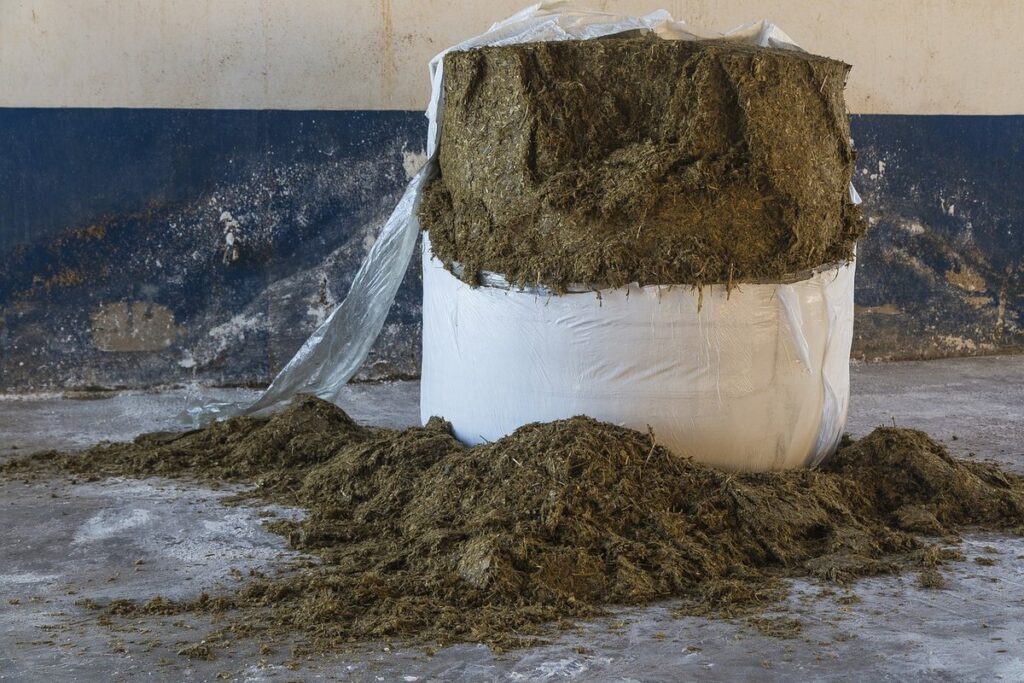
Yes, silage and fermented hay can be suitable alternatives to traditional hay, providing essential fiber and nutrients. However, their nutritional value depends on factors like moisture content, pH levels, and the type of microorganisms used in fermentation. Regular analysis is necessary to ensure these alternatives meet your flock’s needs.
How do I know when my sheep need energy-boosting supplements?
Supplements are typically required during periods of high demand or stress, such as lactation or winter months. Monitor your flock’s condition and behavior; look for signs like weight loss, lethargy, or decreased milk production. Consult with a veterinarian to determine the best course of action and choose the right supplement for your sheep.
Can I mix different types of feed together, or should I stick to one type?
While it’s possible to mix feeds, doing so requires careful consideration of their nutritional profiles. Different feeds can complement each other, but incorrect combinations may lead to deficiencies or overfeeding. Consider consulting a nutritionist or veterinarian to create a balanced diet for your flock by mixing the right types and amounts of feed.