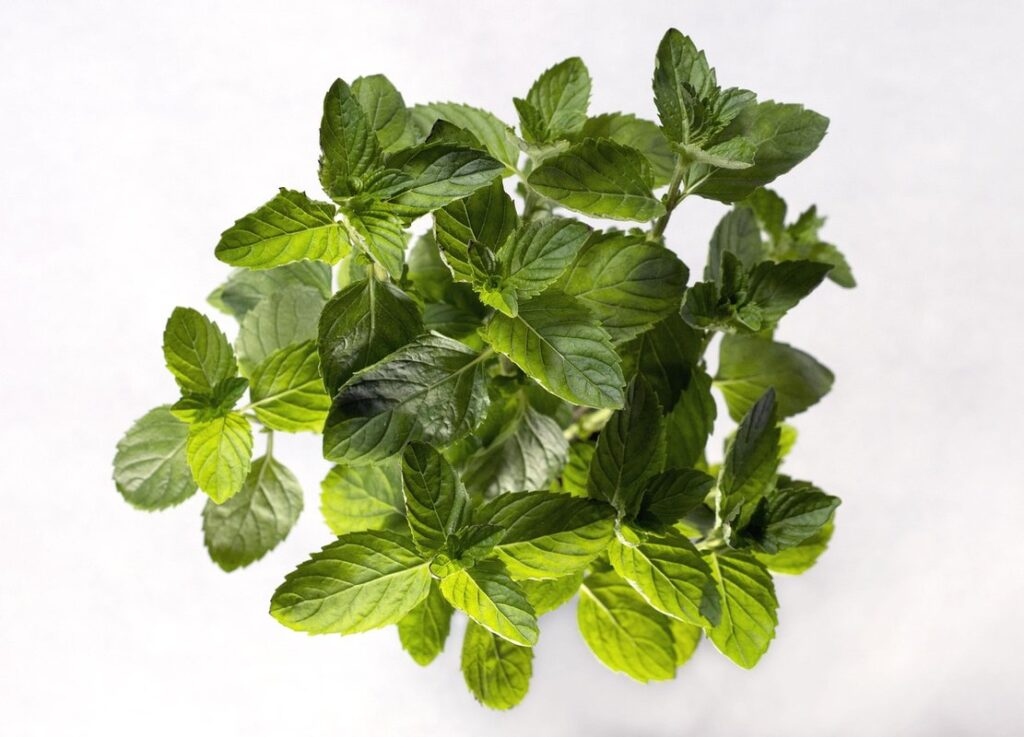
Growing spearmint in pots is a great way to have this fragrant herb on hand for cooking and tea-making, especially when you don’t have much space. One of the biggest advantages of growing spearmint in containers is that it’s relatively easy to control its spread – a major issue with this invasive plant. When grown outdoors, spearmint can quickly take over garden beds and borders, but in pots, it’s easier to prune back and keep under check. To successfully grow spearmint in pots, you’ll need to choose the right potting mix that drains well, provide plenty of sunlight and water, and be on the lookout for common pests like spider mites and diseases like root rot. In this article, we’ll cover all the essential tips and tricks for growing and caring for spearmint in pots, from choosing the right container to harvesting your fresh leaves. By the end of it, you’ll be able to grow healthy, fragrant spearmint in pots with ease.
Choosing the Right Potting Mix for Spearmint
When it comes to growing spearmint in pots, selecting the right potting mix is crucial for its health and fragrance. A well-suited mix can make all the difference.
Understanding Soil pH and Nutrient Requirements
Spearmint prefers well-draining soil with a slightly acidic to neutral pH, ranging from 6.0 to 7.0 on the pH scale. This range allows for optimal nutrient uptake and prevents nutrient deficiencies that can lead to stunted growth or reduced flavor. To thrive, spearmint needs a balanced mix of essential nutrients, including nitrogen (N), phosphorus (P), potassium (K), and micronutrients like calcium, magnesium, and sulfur.
When shopping for potting mixes, look for products specifically designed for herbs, as they tend to have the right balance of nutrients. Avoid regular potting mixes, which can be too dense and may contain high levels of fertilizers that can burn spearmint’s roots. A general-purpose potting mix with a slightly acidic pH will work in a pinch, but it’s worth investing in an herb-specific mix for the best results.
In terms of nutrient requirements, spearmint is particularly sensitive to over-fertilization, which can cause burning and stunted growth. Aim for a balanced fertilizer application, following the manufacturer’s instructions, and avoid feeding your spearmint too frequently. A monthly application of a balanced fertilizer during the growing season should suffice.
The Role of Organic Matter in Potting Mixes
Adding organic matter to your potting mix can significantly enhance its quality for spearmint growth. Organic matter like compost or worm castings acts as a natural fertilizer, providing essential nutrients and improving soil structure. Spearmint plants thrive in well-draining yet moisture-retentive soils, which is exactly what adding organic matter achieves.
Compost, in particular, is an excellent addition to potting mixes because it contains a balanced blend of microorganisms that help break down complex nutrients into forms spearmint can easily absorb. This process also increases the soil’s water-holding capacity, allowing spearmint roots to access moisture more efficiently.
Worm castings are another valuable organic matter source, rich in nitrogen, phosphorus, and potassium – essential macronutrients for spearmint growth. These natural fertilizers promote healthy root development, leaf growth, and overall plant vigor.
When incorporating organic matter into your potting mix, a general rule of thumb is to use 10-20% compost or worm castings by volume. This ensures the soil remains well-draining while providing a nutrient-rich environment for spearmint roots to flourish.
Selecting the Perfect Container for Spearmint
When growing spearmint in pots, it’s crucial to choose a container that suits your plant’s needs, taking into account its depth and spread requirements. Selecting the right pot size is just as important as selecting the right soil type.
Material Considerations: Plastic, Ceramic, and More
When it comes to choosing a container for spearmint, material plays a significant role. Plastic containers are lightweight and inexpensive, but they can retain heat and dry out the soil quickly. This can be detrimental to spearmint’s preference for moist soil.
Ceramic or clay pots, on the other hand, are excellent choices as they allow for better airflow and moisture retention. However, they can be heavy and more expensive than plastic containers. Additionally, unglazed ceramic pots may leach chemicals into the soil, so it’s essential to choose glazed options or consider using terracotta pots.
Another option is wooden planters, which can add a rustic touch to your garden. However, untreated wood can harbor pests and diseases, so make sure to use properly treated or sealed containers. Metal containers are also an option but may require extra care to prevent rust and ensure drainage.
When selecting a container, consider the material’s weight, cost, and ability to retain moisture. Some materials also have specific care requirements, such as glazing or sealing, which can impact their suitability for spearmint growth.
Size Matters: Choosing the Right Container Size
When choosing a container for spearmint, size is a crucial factor to consider. Spearmint roots can spread out quite extensively, and if the container is too small, it may become waterlogged or even cause the plant to suffer from nutrient deficiencies. A good rule of thumb is to choose a container that’s at least 6-8 inches deep and has a wide mouth to allow for easy pruning and harvesting.
To give you a better idea, consider the following examples: a 5-gallon bucket or a large plastic tub can work well for spearmint, while a smaller pot or planter may not provide enough room for the roots to grow. Keep in mind that spearmint is a hardy perennial herb and will continue to grow throughout the year, so it’s essential to choose a container that can accommodate its growth.
In general, you’ll want to select a container with good drainage holes to prevent water from accumulating in the soil. This will help prevent root rot and ensure healthy growth for your spearmint plant.
Growing Spearmint from Cuttings vs. Seeds
When it comes to growing spearmint from scratch, you have two main options: starting from cuttings or sowing seeds in pots. Let’s weigh the pros and cons of each method.
Taking Cuttings for Easy Propagation
To take cuttings from mature spearmint plants for easy propagation, follow these steps. First, choose healthy stems with at least two nodes, as these will be more likely to root successfully. Cut 4-6 inch sections from the tips of these stems, just above a node using sharp, clean scissors or pruning shears.
Remove lower leaves from the cutting, leaving only those on the top two-thirds of the stem. This will reduce transpiration and prevent the cutting from drying out too quickly. Next, dip the cut end into rooting hormone powder or liquid to stimulate root growth. You can also use a homemade alternative like honey or willow water.
Plant the cutting in a pot filled with moistened potting mix, firming it gently in place. Water thoroughly and provide bright, indirect light until roots develop. Roots should start to appear within 1-2 weeks, at which point you can transfer the new plant into its own container with well-draining soil. Keep the soil consistently moist but not waterlogged during this time.
Sowing Seeds: A More Challenging but Rewarding Option
Sowing spearmint seeds is a more challenging method of propagation compared to taking cuttings, but it offers a rewarding experience for those who are willing to put in the extra effort. The process begins by selecting high-quality seeds that have been specifically bred for their hardiness and flavor. These seeds should be sown on the surface of a well-draining potting mix, as they require light to germinate.
To increase the chances of successful germination, it’s essential to provide optimal growing conditions. This includes maintaining a consistent temperature between 65°F to 75°F (18°C to 24°C) and ensuring adequate moisture levels in the soil. Seeds typically take around 7-10 days to sprout, but this can vary depending on factors such as humidity and light exposure.
One of the biggest challenges associated with sowing spearmint seeds is dealing with seed rot and fungal diseases. To mitigate this risk, it’s crucial to use a sterile potting mix and avoid overwatering. By taking these precautions and providing the right conditions, you can successfully grow spearmint from seed and enjoy the unique benefits of homegrown herbs.
Caring for Your Potted Spearmint Plant
To keep your potted spearmint plant thriving, it’s crucial to provide it with the right conditions and care. Regular maintenance will help prevent common issues like wilting and pests.
Watering Strategies: Avoid Overwatering and Underwatering
To determine when spearmint needs watering, you should observe its leaves and roots. Check for signs of overwatering by looking for yellowing or droopy leaves, which can indicate too much moisture. On the other hand, underwatered spearmint will develop wilted or brown leaves. You can also gently remove the pot from its saucer to check if the soil feels dry to the touch.
If you notice either of these signs, it’s time to adjust your watering schedule. Overwatering can cause root rot and kill the plant, while underwatering may lead to nutrient deficiencies. To avoid both extremes, water spearmint when the top 1-2 inches of the potting mix feels dry. This frequency depends on factors like temperature, humidity, and light exposure.
Here are some practical tips for watering spearmint:
- Water in the morning or early afternoon to allow the plant to absorb moisture throughout the day.
- Avoid getting water on the leaves to prevent fungal diseases; instead, pour it directly into the soil.
- Reduce watering during winter months when the plant is dormant.
Fertilization: When and How Much
Fertilizing potted spearmint plants is essential for their growth and flavor production. When it comes to fertilization, timing is crucial. Feed your spearmint plant with a balanced fertilizer (10-10-10 NPK) once a month during the growing season, which typically spans from spring to fall. However, avoid fertilizing in winter when the plant is dormant.
A general rule of thumb is to fertilize lightly, as overfertilization can cause more harm than good. Start with a small amount and gradually increase the dosage if needed. You can also side-dress your spearmint with a high-phosphorus fertilizer (10-20-10 NPK) to promote root development and branching.
Some organic options include fish emulsion or compost tea, which provide essential micronutrients without burning your plant’s roots. Dilute these products according to the manufacturer’s instructions before applying them to your spearmint plant. Always water your plant thoroughly after fertilizing to prevent nutrient burn.
When selecting a fertilizer, look for products specifically designed for herbs or houseplants. These formulations typically cater to the unique needs of indoor plants like spearmint, which thrive in well-draining potting mixes and require moderate nutrient levels.
Common Pests and Diseases Affecting Spearmint in Pots
Spearmint plants grown in pots can be susceptible to various pests and diseases, which can impact their health and flavor. Let’s discuss some of the most common issues you might encounter.
Identifying Common Pests Like Aphids, Whiteflies, and Spider Mites
To identify common pests like aphids, whiteflies, and spider mites on your potted spearmint plant, look for telltale signs such as curled or distorted leaves. Aphids appear as small, soft-bodied insects that cluster on stems and leaves, often near the tips of branches. Whiteflies are tiny, winged insects that fly away when disturbed but return to feed on plant sap.
Spider mites are even smaller than whiteflies and can be mistaken for dust particles at first glance. However, they leave behind a fine webbing on the underside of leaves, especially after watering or in humid environments. Inspect your plant thoroughly, checking both the upper and lower surfaces of leaves and stems for any signs of infestation.
To prevent infestations, keep an eye out for these pests when bringing home new plants from nurseries or gardening stores. Quarantine new additions to a separate area before introducing them to your main potting setup. Also, avoid overwatering, which can attract these pests by creating a humid environment that encourages their growth.
Regularly inspect your plant, especially after watering or during periods of high humidity.
Fungal Infections: Causes, Symptoms, and Treatments
Fungal infections are a common problem for spearmint plants grown in pots, and root rot is one of the most prevalent fungal diseases. This infection occurs when the roots of the plant sit in waterlogged soil, creating an ideal environment for fungi to thrive. Root rot can be caused by overwatering, poor drainage, or a potting mix that doesn’t allow for air circulation.
Symptoms of root rot include yellowing leaves, wilting, and a soft, mushy texture at the base of the stems. In severe cases, the roots may turn black and begin to decay. To prevent root rot, make sure your spearmint plant is in a pot with good drainage holes and that you’re not overwatering it. Water your plant when the top inch of soil feels dry to the touch.
Common causes of fungal infections include using tap water, which can contain high levels of chlorine and fluoride that damage roots, or failing to repot your spearmint regularly, allowing the potting mix to break down and become a breeding ground for fungi. Regularly inspecting your plant’s roots and taking steps to prevent root rot can help you catch fungal infections early on.
Harvesting and Pruning Your Potted Spearmint
Now that your spearmint plant is thriving, it’s essential to know when and how to harvest its leaves, as well as prune the stems to maintain a healthy pot.
When to Harvest for Optimal Flavor and Aroma
Spearmint is ready to harvest when it reaches its optimal flavor and aroma. This typically occurs when the leaves are a vibrant green color and have a strong scent. You can check for readiness by gently pinching or cutting off a leaf at the stem. If it’s not yet ready, the leaf will be bitter-tasting and lack fragrance.
A more reliable method is to inspect the plant regularly and harvest spearmint before it flowers. When spearmint begins to bloom, its flavor and aroma start to decline. Harvesting the leaves before this point ensures they retain their optimal taste and scent.
Consider harvesting your spearmint in the morning, after the dew has evaporated but before the heat of the day sets in. This is when the plant’s oils are most concentrated, giving you the best flavor and aroma.
Pruning Techniques: Encouraging Bushy Growth and Preventing Overgrowth
Regular pruning is essential to promote healthy growth and prevent spearmint from becoming leggy. When spearmint isn’t pruned regularly, it tends to put all its energy into producing long stems rather than branching out. This can lead to a plant that’s more prone to disease and pests.
To encourage bushy growth, trim back the longest stems by about one-third. Remove any weak or spindly growth, as this will help direct the plant’s energy towards developing a fuller shape. Pinching off flower buds also encourages the plant to focus on foliage production rather than seed production. This technique is especially effective when done regularly, ideally every 7-10 days during the growing season.
A good rule of thumb for pruning spearmint is to remove no more than one-third of the leafy growth at a time. This will prevent shocking the plant and encourage new growth to emerge. By maintaining this balance between stem length and foliage density, you’ll be rewarded with a lush, compact spearmint plant that’s perfect for harvesting fresh leaves or stems.
Frequently Asked Questions
Can I grow spearmint in pots indoors year-round?
Yes, as long as the potting mix is well-draining and you maintain a consistent temperature between 60-70°F (15-21°C), your potted spearmint plant can thrive indoors. However, ensure it receives sufficient indirect sunlight, ideally near an east-facing window.
What if I notice my potted spearmint plant starting to turn yellow? Is this a sign of overwatering?
Yes. Yellow leaves on potted spearmint plants often indicate excessive moisture in the soil. Check the potting mix’s moisture level by sticking your finger into it up to the first knuckle. If it feels wet, wait a few days before watering again.
Can I propagate new spearmint plants from cuttings taken during the winter months?
While it’s technically possible to take cuttings from mature spearmint plants year-round, the best time for propagation is during spring and summer when the plant is actively growing. Winter cuttings may have a lower success rate due to reduced growth.
Is it necessary to repot my potted spearmint every year, or can I just refresh the potting mix?
While repotting annually can provide your spearmint with fresh nutrients and a larger container if needed, refreshing the potting mix by adding organic matter like compost can be sufficient for maintaining a healthy plant.