Many people dream of keeping bees in their backyard, but few realize the realities of beekeeping. The initial investment in equipment and infrastructure can be substantial, with costs ranging from $500 to over $1,000 for a single hive. But it’s not just the upfront expenses that can be daunting – ongoing expenses such as replacement supplies, protective gear, and potential medical treatment for yourself or others can add up quickly. Add to this the complexities of local regulations, which can vary widely depending on your location, and it’s clear that beekeeping is more than just a hobby. In this article, we’ll explore the challenges of keeping bees, including initial investment and ongoing expenses, as well as how to build a supportive community and navigate local regulations, so you can decide if beekeeping is right for you.
Understanding the Basics of Beekeeping
Beekeeping can be a daunting task, especially for beginners. Let’s start by understanding the fundamental principles that will help you get started on your beekeeping journey safely and successfully.
What You Need to Know Before Starting
Before starting a beekeeping journey, you’ll need to consider several fundamental requirements and considerations. First, ensure you have enough space for a beehive, ideally with a secure location that’s protected from strong winds and direct sunlight. A typical beehive requires about 4-6 feet of space to operate efficiently. Additionally, check your local regulations regarding beekeeping, as some areas may require permits or have specific restrictions on hive placement.
Initial investment is another crucial factor to consider. You’ll need to purchase a beehive, protective clothing, and essential equipment such as smokers and extractors. A starter kit can cost anywhere from $500 to $1,000, depending on the quality and brand of the equipment. It’s also essential to research local suppliers for bees, as availability and pricing can vary significantly.
Lastly, familiarize yourself with local regulations regarding beekeeping. Some areas may require registration or have specific rules governing hive placement, noise levels, or pest control methods. Understanding these regulations will help you avoid potential issues and ensure a smooth start to your beekeeping journey. Be prepared to invest time in researching and understanding the specific requirements for your area.
Types of Beekeepers: Hobbyist vs. Commercial
Beekeepers come in two primary categories: hobbyist and commercial. Hobbyist beekeepers tend to have a small number of colonies, often with just one or two hives on their property. They prioritize the joy of beekeeping for itself, rather than producing honey or pollination services as a significant revenue stream.
Commercial beekeepers, by contrast, manage large apiaries with hundreds or even thousands of hives. Their primary goal is to produce high-quality honey and wax products, while also providing essential pollination services for local farmers and orchardists. Commercial beekeepers often adopt more industrialized methods to achieve economies of scale and meet the demands of their customers.
While hobbyist beekeeping can be a rewarding hobby, it’s essential for beginners to understand that commercial beekeeping poses unique challenges. Managing large apiaries requires significant time commitment, specialized equipment, and expertise in areas like colony management and queen rearing. For those who are new to beekeeping, starting small as a hobbyist can help build confidence and skills before scaling up to larger operations. This approach also allows for more experimentation and flexibility when trying out different techniques or responding to unexpected challenges.
The Reality of Daily Life with Bees
Keeping bees is a 24/7 job, and the reality of daily life with these buzzing creatures can be overwhelming. From inspecting hives to managing pests, it’s not all sunshine and honey.
Managing Bee Colonies: Tasks and Time Commitment
Beekeeping is a time-consuming task that requires regular inspections and maintenance to ensure the health of the colony. You should plan to inspect your bees at least once a week during peak season, which typically spans from spring to fall. These inspections involve checking for signs of disease, pests, and nutritional deficiencies.
During inspections, you’ll need to remove excess honeycombs and harvest honey as needed. This process can be labor-intensive, especially if you have a large colony or are harvesting for the first time. You should also be prepared to control pest populations, such as mites and small hive beetles, which can quickly decimate an otherwise healthy colony.
A typical beekeeping schedule might include:
- Weekly inspections during peak season
- Monthly inspections during off-peak seasons
- Regular cleaning and maintenance of equipment
- Pest control measures as needed
Keep in mind that these tasks can be physically demanding, especially for beginners. Be prepared to spend at least 10-15 hours per month on bee-related activities, with more time required during peak season.
Common Challenges Faced by Beginner Beekeepers
Swarming is a common concern for new beekeepers. It occurs when a colony becomes overcrowded and the queen bee leaves with a large group of worker bees to establish a new home. To prevent swarming, beekeepers must monitor their colonies regularly and take steps to control population growth. This may involve splitting the colony or relocating the queen to a separate hive.
Another challenge faced by beginner beekeepers is disease outbreaks. Fungal diseases like American Foulbrood can be devastating to colonies if left unchecked. Regular inspections of the bees, hives, and surrounding environment are crucial in detecting early signs of disease. Beekeepers should also maintain good hygiene practices, such as cleaning equipment and wearing protective clothing when handling bees.
Equipment failures can also cause significant issues for new beekeepers. Leaky hives or faulty ventilation systems can lead to moisture buildup, which fosters the growth of fungal diseases. Regular maintenance and inspection of equipment are essential in preventing these problems.
To address these challenges effectively, it’s essential to have a good understanding of bee behavior and biology. This includes knowledge of factors that contribute to swarming, disease outbreaks, and equipment failures. By staying informed and taking proactive measures, new beekeepers can minimize the risks associated with beekeeping and ensure the health and well-being of their colonies.
The Physical Demands of Beekeeping
Beekeeping requires a significant amount of physical labor, from lifting heavy equipment to climbing up and down ladders in all weather conditions. We’ll examine the physical challenges beekeepers face on a daily basis.
Safety Precautions: Protecting Yourself from Stings
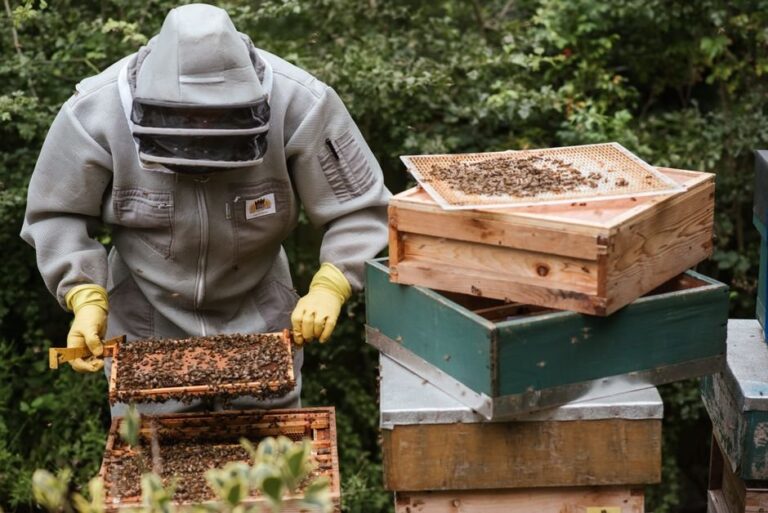
When working with bees, safety should be your top priority. This means wearing proper attire, including a beekeeping suit, veil, and gloves to protect yourself from stings. A good quality veil will cover your face, neck, and shoulders, while the suit will keep your skin covered and prevent stings from penetrating to your flesh.
It’s also essential to choose the right type of gloves for beekeeping. Look for ones with a snug fit and built-in mesh or screen panels that allow you to feel the bees without exposing your hands to their stingers. Avoid wearing loose-fitting clothing, as it can get caught in the hive or equipment, increasing the risk of stings.
Some common mistakes that can increase the risk of stings include wearing open-toed shoes, failing to check the hive for signs of disease or pests, and not smoking the hive properly before opening it. Smoking the hive helps calm the bees by reducing their alertness and making them less aggressive. By taking these simple precautions and wearing proper protective gear, you can significantly reduce your risk of getting stung while working with bees.
Equipment Maintenance: Ensuring Safe Bee Handling
A well-maintained smoker is essential for safe bee handling. Regularly clean and oil its metal components to prevent rust and ensure smooth operation. Replace worn-out parts promptly, such as the bellows or valve stem, to maintain airflow control. Store the smoker in a dry area when not in use.
Protective clothing, including veils, gloves, and suits, should be inspected before each use for tears, holes, or signs of wear. Clean and launder protective gear regularly to prevent buildup of honey, wax, and propolis. Replace worn-out items promptly to maintain their effectiveness.
Equipment like extractors requires regular maintenance to prevent accidents. Check the extractor’s moving parts, such as gears and bearings, for signs of wear. Lubricate these components according to the manufacturer’s instructions to ensure smooth operation. Regularly inspect the extractor’s frame and components for damage or rust, making repairs promptly if necessary.
In addition to individual equipment, maintain a well-organized workspace with easy access to tools and supplies. Store heavy equipment securely to prevent accidents when handling it. Keep essential items like spare smoker fuel, propolis solvent, and first aid kits within easy reach during inspections and maintenance tasks.
The Financial Aspects of Keeping Bees
The cost of keeping bees is a significant consideration for many beginners, as it requires an initial investment in equipment and ongoing expenses for supplies and maintenance. We’ll break down these costs in more detail below.
Initial Investment: Costs and ROI Considerations
Starting a beehive requires a significant initial investment. The costs can vary depending on several factors, including the type and quality of equipment, registration fees, and location. A basic setup for a single hive can cost anywhere from $500 to $1,000, with prices ranging higher for high-quality or custom-built equipment.
Initial registration fees typically range from $20 to $50 per hive, depending on local regulations. Some areas may also require an annual permit or license fee. In addition to these costs, beekeepers should budget for initial honey harvest expectations. A typical beehive produces around 20-30 pounds of honey per year, with a value ranging from $100 to $300, depending on market prices.
For those planning to sell their products, potential returns on investment (ROI) can vary significantly. Selling honey and other bee-derived products at local markets or online can generate an additional income stream, but it’s essential to consider the time and effort required for harvesting, processing, and marketing these products. A well-managed beehive can potentially cover initial costs within 2-3 years, depending on market demand and production levels.
Ongoing Expenses: Maintenance and Supplies
Beekeepers need to budget for ongoing expenses related to hive maintenance and supplies. This includes items like frames, foundation, and replacement parts for the beehive itself. You’ll also need protective gear, such as beekeeping suits and veils, which can be expensive but are essential for preventing stings.
In addition to these costs, you may experience losses due to disease or pests, which can be a significant financial blow. American Foulbrood is a common issue in many areas, and its treatment requires specific medication that can be costly.
When estimating ongoing expenses, it’s also important to consider the cost of replacing queen bees. While a strong colony can go for years without needing a new queen, they may eventually need to be replaced, which can range from $10 to $50 or more per bee, depending on the quality and origin.
To minimize these costs, many beekeepers opt for local suppliers who offer lower prices and faster delivery times than online retailers. However, this may require more frequent trips to the supplier’s location and increased fuel costs.
Navigating Local Regulations and Communities
Keeping bees can be a thrilling hobby, but it also comes with unique challenges that require careful consideration of local regulations and community attitudes towards beekeeping. These factors can significantly impact your beekeeping experience.
Understanding Zoning Laws and Ordinances
Zoning laws and ordinances can significantly impact where and how you keep bees. These regulations vary by region and even neighborhood, so it’s essential to research the specific rules governing beekeeping in your area.
To start, check with your local government or planning department for information on zoning laws related to apiaries or beekeeping. Some municipalities may have designated areas for beekeeping, while others may prohibit it altogether. You’ll also want to review ordinances regarding noise levels, property lines, and the number of colonies allowed.
Permits are often required before setting up an apiary or keeping bees in a residential area. These permits typically need to be renewed annually, and you may be subject to inspections by local authorities. Familiarize yourself with any specific permit requirements and associated fees.
When researching zoning laws and ordinances, consider factors like property size, surrounding land use, and nearby water sources. You’ll also want to review local regulations regarding hive placement, equipment storage, and pest management practices. Understanding these regulations will help you avoid fines, penalties, or even having your bees confiscated – a nightmare scenario for any beekeeper.
Building a Supportive Beekeeping Community
Building relationships with fellow beekeepers is crucial for a successful and enjoyable beekeeping experience. Joining local associations or clubs can provide valuable resources, such as mentorship programs, workshops, and access to shared equipment. These groups often have experienced beekeepers who can offer guidance on specific challenges you may face.
Online forums and social media groups dedicated to beekeeping are also excellent places to connect with others in the community. Participating in these platforms allows you to ask questions, share your own experiences, and learn from others. Many online communities have sections for beginners, where you can find advice tailored specifically to your needs.
When engaging with other beekeepers, it’s essential to be respectful of their time and expertise. Ask specific questions, and avoid general queries that may not receive a thorough response. By contributing to these communities in a thoughtful and considerate manner, you’ll likely find yourself receiving helpful feedback and support from others who understand the challenges of keeping bees.
Some online forums worth exploring include BeeCulture.com, Reddit’s r/beekeeping, and local beekeeping Facebook groups.
Advanced Techniques and Specialized Skills
Mastering specialized skills is crucial for successful beekeeping, as it requires a high level of attention to detail and precision. This section will explore advanced techniques that can help you overcome common challenges in the apiary.
Splitting Colonies: A Beginner’s Guide to Colony Management
Splitting colonies is a crucial technique for beekeepers to manage their hives effectively. When a colony becomes too crowded, it can lead to a decline in honey production and an increased risk of disease. To split a colony, you need to prepare the hive by creating a new box or nuc (nucleus colony) with a healthy queen and 3-4 frames of brood.
It’s essential to understand queen pheromones when splitting colonies. Queens release pheromones that regulate the behavior of worker bees, including foraging and caring for young. When introducing a new queen, you need to eliminate any existing pheromone trails that might attract the old queen back. This is typically done by removing all frames with brood and replacing them with clean ones.
To successfully introduce a new queen, make sure she’s mated and has a strong pheromone presence. Gently place her in the new hive, allowing her to establish her dominance. Keep an eye on the hive’s activity for 7-10 days, ensuring the new queen is accepted by the workers.
Queen Rearing: A Delicate Process for Experienced Beekeepers
Breeding stock selection is a crucial aspect of queen rearing. Experienced beekeepers typically choose candidates with desirable traits such as high honey production, excellent brood patterns, and robust disease resistance. These characteristics are often evaluated over several years through observation and data collection.
Queen cell construction requires precision and attention to detail. Beekeepers must carefully select the right amount of royal jelly and place it in the cell, ensuring proper nourishment for the developing queen. A small miscalculation can lead to unsuccessful queens or even damage to the parent colony.
Culling techniques are essential for maintaining a strong breeding program. Experienced beekeepers regularly inspect their stock, removing any queens that show signs of weakness or poor performance. This process helps maintain genetic diversity and prevents the spread of undesirable traits within the colony.
A well-managed queen rearing operation involves continuous monitoring and evaluation. Beekeepers must remain vigilant in identifying potential issues before they become major problems. Regular inspections also allow for adjustments to be made as needed, ensuring a steady supply of high-quality queens.
Conclusion
Keeping bees is not for the faint of heart. It’s a challenging endeavor that requires dedication, patience, and a willingness to learn from mistakes. Even experienced beekeepers can face difficulties in managing their colonies, and new beekeepers often underestimate the complexities involved. A single mistake can lead to colony collapse or even put you at risk of being stung.
You’ll need to be prepared for the physical demands of beekeeping, including handling potentially aggressive bees and working outdoors in various weather conditions. The responsibility of caring for a thriving colony is also significant, as you’ll need to regularly inspect your bees, manage pests and diseases, and ensure they have access to a reliable food source.
Ultimately, keeping bees requires a long-term commitment to learning and adapting to the unique needs of your colonies. It’s essential to approach beekeeping with a realistic understanding of its challenges and to be prepared for setbacks along the way.
Frequently Asked Questions
Can I start beekeeping with just one hive and still be successful?
Yes, it’s entirely possible to begin with a single hive and expand your operation later. In fact, many hobbyist beekeepers start with one or two hives and gradually increase their colony count as they gain experience and confidence.
How do I know if my bees are healthy enough for harvesting honey?
Check the strength of your colony by monitoring the number of bees present, the presence of brood (bee eggs and larvae), and the amount of stored nectar and pollen. A strong, thriving colony with an adequate food supply is generally ready for honey harvest.
What’s the best way to deal with a swarm or absconding bees?
If you notice your bees preparing to swarm, try to relocate the queen to a new hive before they leave. If the swarm has already occurred, search for the swarm and re-establish them in their original location. Be prepared to provide additional food and shelter for the returning colony.
Can I keep bees in my backyard if I have pets or allergies?
It’s generally recommended to avoid keeping bees near areas where people with allergies frequent, as bee stings can trigger severe reactions. However, if you’re considering beekeeping despite pet or allergy concerns, consult local authorities and take necessary precautions such as installing a screened-in area for your beehives.
What are the long-term costs of maintaining a healthy beehive, and how do I budget for them?
Ongoing expenses include regular hive maintenance supplies (e.g., paint, tools), protective gear (e.g., suits, gloves), and potential losses due to disease or pests. Set aside funds each year for these expenses, aiming to allocate 5-10% of your initial investment back into the operation annually.