
Collecting bee pollen requires attention to detail and a commitment to safety, as the quality of this delicate substance directly impacts its usability in various applications. Many people are drawn to bee pollen for its supposed health benefits, but extracting it from hives without proper knowledge can be hazardous to both humans and bees. To avoid contamination and ensure high-quality pollen, it’s essential to understand how to collect it efficiently. This involves identifying the right equipment, timing your visits carefully to coincide with peak collection periods, and implementing safety measures to minimize disruptions to the hive.
You’ll learn about the various methods for collecting bee pollen, including the differences between manual harvesting and mechanical extraction. We’ll also cover how to evaluate the quality of pollen, identify signs of contamination, and maintain a clean environment throughout the process. By following these guidelines, you’ll be able to collect high-quality bee pollen that meets your needs while promoting the health and well-being of your local bee population.
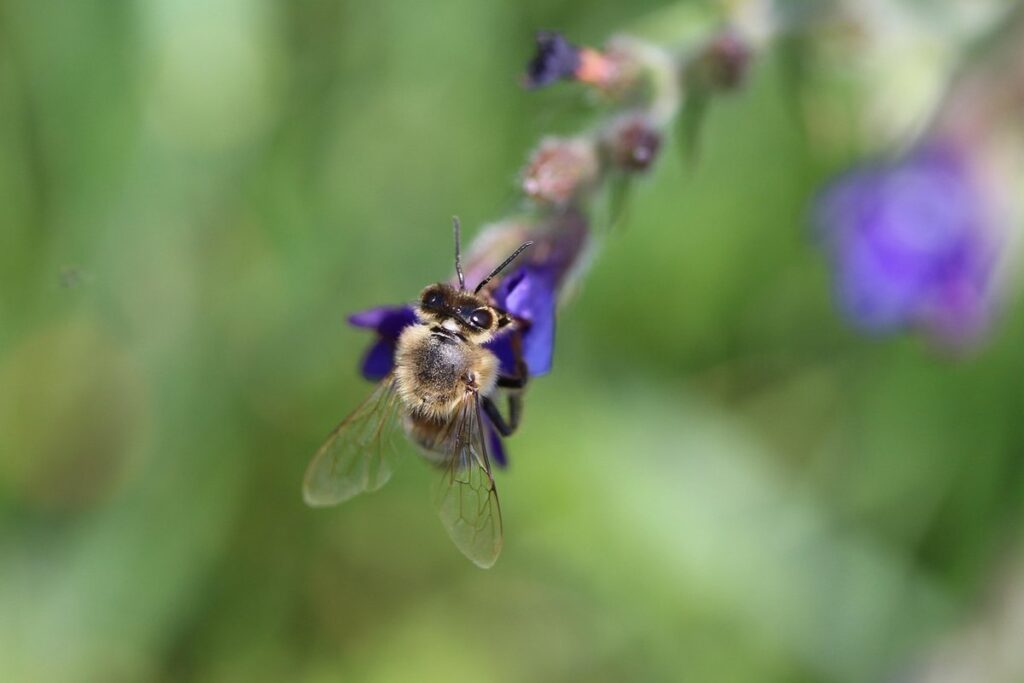
Choosing the Right Location and Time
When collecting bee pollen, choosing a location that’s accessible and minimizes disturbance to bees is crucial. Consider factors like sunlight, wind direction, and nearby water sources when selecting your collection site.
Understanding the Importance of Pollinator Habitat
When collecting bee pollen, understanding the importance of pollinator habitat is crucial for success. This involves considering several key factors, including proximity to water sources and sunlight exposure. Bees need access to water to regulate their body temperature and maintain hydration, so it’s essential to locate a collection site near a reliable water source.
A nearby lake, river, or even a small pond can provide bees with the necessary moisture. Additionally, bees require sunlight for navigation and temperature regulation. A location that receives at least six hours of direct sunlight per day will support healthy bee activity.
Plant diversity is also vital in attracting pollinators to your collection site. Bees are drawn to a variety of flowers and plants, particularly those that bloom during the optimal pollen collection periods. To create an attractive habitat, incorporate a mix of native wildflowers and plant species known to produce high-quality pollen into your surrounding area.
When evaluating potential locations, consider the local flora and its impact on pollinator activity. A well-placed selection of flowering plants can significantly enhance bee populations and improve pollen quality.
Identifying Optimal Bee Activity Periods
When collecting bee pollen, it’s essential to identify optimal bee activity periods to maximize your harvest. This involves considering various environmental factors, including temperature fluctuations, weather conditions, and daylight hours.
Bees are most active during warm, sunny days with temperatures between 65°F (18°C) and 85°F (29°C). Avoid collecting during intense heatwaves or extreme cold snaps, as this can stress the bees and reduce pollen quality. Morning dew is another crucial factor to consider; aim to collect when the sun has dried the dew, but not before midday.
Humidity also plays a significant role in bee activity. Bees tend to be more active on days with moderate humidity levels (around 50-60%). Avoid collecting during periods of high or low humidity, as this can impact pollen quality and bee behavior.
Additionally, consider the time of year and the specific plant species you’re targeting. Different plants bloom at various times, and bees tend to visit certain flowers more frequently during peak blooming seasons. Research local plant cycles and plan your collection accordingly to ensure optimal results.
Preparing Equipment and Safety Measures
To ensure a safe and successful bee pollen collection experience, you’ll need to prepare your equipment and take necessary safety precautions to avoid any potential risks. Proper gear will also help protect the bees and their habitat.
Selecting Appropriate Collection Tools and Materials
When it comes to collecting bee pollen, having the right tools and materials can make a significant difference in efficiency and safety. Start with a sturdy net that’s specifically designed for beekeeping, allowing you to gently guide bees into the collection area without causing unnecessary stress or injury.
A suitable collection basket should be easy to clean, have minimal odor retention, and ideally be made from a non-reactive material like stainless steel or food-grade plastic. The size of the basket will depend on how much pollen you’re aiming to collect – larger baskets are suitable for larger operations but may not be practical for home beekeepers.
Protective gear is also essential when collecting bee pollen. Gloves should be durable, flexible, and provide a snug fit to prevent stings from penetrating through to your skin. Wear protective eyewear with good UV protection to safeguard against potential eye damage from dust or debris kicked up during collection. Additionally, consider wearing a bee veil or mask to shield your face from direct exposure to bees.
Understanding Personal Protective Equipment (PPE) Guidelines
When handling bees and collecting bee pollen, Personal Protective Equipment (PPE) is essential for preventing stings and ensuring a safe experience. The type of PPE needed may vary depending on the specific collection method and environment.
A beekeeper’s veil or mesh mask protects the face from stingers, while long-sleeved shirts, pants, and closed-toe shoes safeguard the skin from potential bites. Gloves are also crucial for protecting hands from venom and other contaminants. When choosing PPE, prioritize materials that allow for breathability and moisture-wicking to prevent overheating.
It’s equally important to maintain your PPE regularly. Inspect veils and masks for any damage or wear, replacing them as needed. Clean gloves thoroughly after each use, and store them in a dry environment to prevent bacterial growth. Regularly washing clothing can also help reduce the risk of allergic reactions from pollen exposure.
To ensure proper usage, always follow the manufacturer’s guidelines for specific PPE products. When handling bees, keep your face and body covered at all times, except when directly collecting pollen or performing tasks that require a clear view.
Attracting Bees for Optimal Pollen Collection
To attract bees for optimal pollen collection, you’ll need to create a welcoming environment by planting bee-friendly flowers and herbs in your garden. This section will explore the essential steps to entice these busy pollinators.
Plant Selection and Diversity in the Surrounding Area
When selecting plants for a bee-friendly environment, it’s essential to focus on species that are rich in nectar and pollen. Flowers with a high pollen-to-nectar ratio, such as lavender, coneflower, and sunflower, are ideal choices. These plants not only provide a source of nutrition but also attract pollinators.
Some plants are more effective than others at supporting bee health. For example, mint, oregano, and thyme contain oils that repel pests and promote healthy digestion in bees. In contrast, plants like dill and fennel can be detrimental to bee health due to their strong scent.
In the surrounding area, consider incorporating a mix of annuals and perennials with varying bloom times. This diversity will provide a constant source of nectar and pollen throughout the growing season. Avoid using pesticides or herbicides, as these chemicals can harm pollinators. Instead, adopt integrated pest management techniques that promote a balanced ecosystem.
When selecting plants, choose native species to your region whenever possible. These plants are more resilient and require less maintenance than non-native varieties. By planting a diverse range of bee-friendly flowers, you’ll create an environment that supports the health and well-being of pollinators.
Creating a Bee-Friendly Environment Through Landscape Design
When designing a landscape to support local pollinator populations, it’s essential to consider native plant species. Incorporate plants that are rich in nectar and pollen, such as lavender, coneflower, and black-eyed Susan. These flowers will attract bees and provide them with the resources they need for optimal health.
In addition to plant selection, ensure your landscape includes a source of water. Bees need access to water for drinking and cooling their bodies, especially during hot summer days. Consider installing a shallow dish or birdbath with fresh water and a few rocks or sticks for perching.
Habitat diversity is also crucial for supporting pollinators. Incorporate a variety of plants that bloom at different times throughout the growing season to provide a constant source of nectar and pollen. This will allow bees to visit your landscape year-round, rather than just during peak flowering periods.
Consider creating a meadow or woodland garden with native vegetation, which will require less maintenance and support local pollinators more effectively than a traditional lawn.
Collecting and Storing Bee Pollen
Once you’ve collected your bee pollen, it’s crucial to store it properly to preserve its nutritional value. Learn how to dry, package, and keep your pollen fresh for maximum benefit.
Techniques for Efficient and Safe Collection Methods
When collecting bee pollen, it’s essential to use techniques that balance efficiency with safety. One popular method is netting, which involves placing a fine-mesh net over beehives or areas where bees are active. This allows you to capture loose pollen without disturbing the bees themselves.
Another technique is trapping, often achieved through the use of specialized trays or frames placed within the hive. These traps collect pollen as it falls from the honeycombs above, providing a concentrated source for collection.
Harvesting directly from beehives can also be done safely with proper equipment and knowledge. Beekeepers may use long-handled brushes to gently sweep pollen from the honeycombs into a collecting container. This method requires caution, however, as it involves direct interaction with the hive’s inhabitants.
When choosing your technique, consider factors such as the amount of time you have available for collection, the size of your operation, and local regulations regarding beekeeping and pollen collection. By selecting the right method for your specific needs, you can efficiently collect high-quality bee pollen while minimizing disruptions to the bees.
Proper Storage and Handling of Collected Pollen
To store bee pollen effectively, you’ll want to use airtight containers made of materials like glass or BPA-free plastic. These types of containers prevent moisture and contaminants from seeping in while keeping the pollen fresh. It’s essential to label each container with its contents, date collected, and any relevant notes about the pollen quality.
Temperature control is also crucial when storing bee pollen. Most varieties thrive in temperatures between 35°F and 55°F (2°C and 13°C), so store them away from direct sunlight and heat sources. Avoid placing containers near heating vents or radiators, as this can cause the pollen to degrade quickly.
Moisture management is another vital aspect of storing bee pollen. Keep the containers away from humid environments, such as basements or areas with poor ventilation. You can also use silica gel packets or desiccants to absorb excess moisture and maintain a stable humidity level within the container.
When handling collected pollen, it’s essential to minimize exposure to air, which can cause spoilage and degradation. Use clean gloves or tools when transferring pollen between containers, and avoid touching the pollen excessively with your bare hands.
Analyzing and Processing Bee Pollen
Once you’ve collected your bee pollen, it’s time to analyze its quality and potency. This involves examining its appearance, texture, and aroma to determine its usability and potential uses.
Understanding the Significance of Quality Control in Pollen Collection
Quality control is a critical aspect of bee pollen collection and processing. When collecting pollen, there’s always a risk of contamination from external sources such as dirt, debris, or even other insects. This can compromise the quality and safety of the pollen for human consumption.
To mitigate this risk, collectors should take regular weight measurements to ensure the pollen is not accumulating excessive moisture or contaminants. A small-scale balance or digital scale can be used for this purpose. It’s essential to record these measurements to track any changes in pollen composition over time.
Packaging integrity is also vital when storing bee pollen. Collectors must use airtight containers that prevent moisture and pests from entering the container. Typically, collectors store pollen in glass jars with tight-fitting lids or specialized plastic containers designed for this purpose. When packaging pollen, consider factors such as oxygen levels, temperature fluctuations, and exposure to light, which can affect pollen quality.
By implementing these quality control measures, beekeepers can ensure their collected pollen meets the desired standards of purity and consistency.
Steps for Grading and Packaging Collected Pollen
When grading and packaging collected bee pollen, follow these steps to ensure it meets industry standards. Start by sorting the pollen into categories based on its color. Typically, a high-quality bee pollen sample will have a mix of colors, including shades of yellow, orange, red, and brown. Discard any pollen that is dark or black, as this can be an indication of spoilage.
Next, examine the texture of the pollen. It should be fine and powdery, with no lumps or clumps. If it feels coarse or gritty, it may have been contaminated during collection or storage.
Check the moisture content of the pollen by gently squeezing a small amount between your fingers. The ideal moisture level is around 10-15%. If it’s too dry, it may become brittle and lose its potency. On the other hand, if it’s too moist, it can be prone to mold and spoilage.
Packaging considerations are also important. Store pollen in airtight containers to maintain freshness and prevent contamination. Label each container with the date of collection, batch number, and any relevant quality control notes. This information will help you track the origin and quality of your pollen samples over time.
Frequently Asked Questions
Can I collect bee pollen from urban areas or will it be contaminated with pollutants?
Yes, it’s possible to collect bee pollen from urban areas, but the risk of contamination is higher due to air pollution and other environmental factors. To minimize this risk, choose locations near parks or green spaces, where there may be more natural vegetation and less exposure to pollutants.
How do I handle a situation where bees become aggressive during collection?
If bees become aggressive during collection, immediately stop what you’re doing and slowly back away from the area while keeping your hands visible. Remove any clothing or gear that may have come into contact with the bees and seek shelter in a nearby vehicle or building. Once calm, re-inspect the situation to identify the cause of aggression (e.g., disturbance of their hive).
What if I live in an area where there are no native bee species? Can I still collect bee pollen?
Yes, you can still collect bee pollen even if your region lacks native bee species. Many commercial beekeepers import honey bees for pollination purposes, which means these non-native bees will be present and actively collecting pollen. Research local beekeeping associations or aparies to find a source for high-quality pollen.
How often should I inspect my stored pollen for signs of spoilage?
Regularly inspect your stored pollen for visible signs of mold, moisture damage, or pest infestation every 1-2 weeks. Store pollen in airtight containers in a cool, dry place (around 50°F/10°C). Check for unusual odors or colors and discard any spoiled pollen to maintain the quality of your collection.
Can I use bee pollen as a food source directly, without processing or drying it first?
No, bee pollen is typically too moist and may contain high levels of moisture that can be difficult for human consumption. Before using bee pollen as a food ingredient, dry it thoroughly (around 10-15% moisture content) to prevent spoilage and ensure safe handling practices.
