As any beekeeper knows, maintaining a healthy and thriving colony is crucial for success. But did you know that laying worker bees play a vital role in supplementing the queen’s egg-laying capacity? These hardworking bees are responsible for producing male drones and, under certain conditions, can even lay unfertilized eggs to ensure the colony’s survival. In fact, research has shown that a strong workforce is essential for a colony’s growth and resilience. By understanding how laying worker bees function and when they’re likely to emerge, beekeepers can better manage their activity and integrate them into the hive. This article will explore these strategies in-depth, providing you with practical insights on how to harness the full potential of your laying workers and maintain a thriving colony.
The Importance of Laying Worker Bees
As you learn more about the fascinating world of bees, it’s essential to understand the critical role laying worker bees play in maintaining a healthy and thriving hive. These dedicated individuals are often overlooked but are crucial to your colony’s success.
Characteristics of a Successful Laying Worker Bee
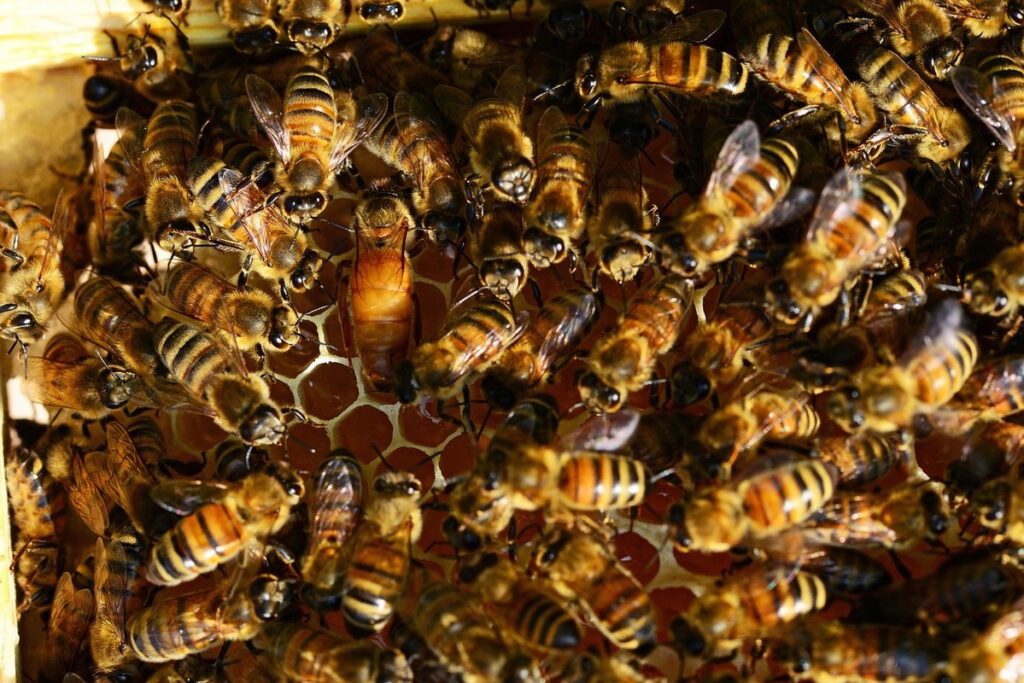
A successful laying worker bee possesses distinct physical characteristics and behaviors that enable it to perform its role effectively. Firstly, they tend to be larger than average worker bees, often with a more prominent thorax and slightly darker coloration. These physical attributes suggest a higher level of nutritional reserves, which are crucial for egg-laying.
Successful laying workers also exhibit specific behavioral traits. They typically emerge later in the summer, when the queen’s egg-laying capacity is starting to decline. This allows them to take on a supplemental role, helping to ensure a steady brood flow until the end of the season. Laying workers are often more aggressive and defensive than regular worker bees, which may be an adaptive response to their reproductive role.
In terms of specific behaviors, laying workers tend to perform tasks that involve food storage and distribution, such as foraging and pollen collection. They also engage in brood care activities, including feeding and grooming young bees. By observing these characteristics and behaviors, beekeepers can identify potential laying workers within the colony and better understand their role in maintaining hive productivity.
Identifying Potential Laying Workers in the Colony
When inspecting a colony for potential laying workers, look for signs of reproductive maturity and queen-like traits. A mature laying worker will typically have a larger abdomen due to the development of ovaries, which can be visible through the honey bee’s exoskeleton.
Examine the bee’s thorax and abdomen closely; a well-developed laying worker may exhibit a slight curvature or swelling in this area. Some studies suggest that laying workers often have a slightly different body shape compared to foragers, but this is not always a reliable indicator.
Another characteristic of mature laying workers is their ability to produce pheromones similar to those produced by the queen. This can be detected through observation of worker behavior; a colony with multiple laying workers may exhibit increased aggression or dominance displays among workers.
When inspecting bees for these traits, it’s essential to consider factors like age and nutrition, as underfed or overworked individuals are less likely to display reproductive maturity. A general rule is that laying workers typically emerge after 18-21 days of age; however, this can vary depending on environmental conditions and available resources.
The Role of Laying Worker Bees in Hive Productivity
In a surprising twist, laying worker bees play a vital role in hive productivity, often taking on duties that would normally be handled by queens. Let’s take a closer look at how they contribute to the hive’s overall success.
Supplementing Queen Egg-Laying Capacity
When a laying worker bee takes on egg-laying responsibilities, it allows the colony to supplement the queen’s capacity and ensures continued growth. Without additional workers contributing eggs, colonies would struggle to meet their reproductive needs, particularly during periods of high demand or when the queen is aging. Supplementing the queen’s egg-laying capacity also provides a safeguard against potential losses due to queen failure or predation.
Laying worker bees typically focus on smaller cells within the broodnest, which are less desirable for queens. By laying eggs in these cells, they help distribute the workload and ensure every available space is utilized efficiently. This adaptability is crucial during times of high demand, when the queen alone may not be able to meet the colony’s needs.
In a healthy colony with an adequate food supply and proper environmental conditions, it’s common for 10-20% of workers to take on laying duties. However, this percentage can fluctuate depending on factors like resource availability, temperature, and overall colony dynamics.
Impact on Brood Development and Colony Dynamics
Laying worker bees play a significant role in modifying brood development and colony dynamics. When laying workers emerge, they often produce males to rebalance the sex ratio within the hive. This shift can lead to a change in social hierarchy as drones dominate the hive, altering foraging patterns and potentially reducing honey production.
The introduction of new males can disrupt the established dominance structure, leading to increased aggression among bees competing for resources. This altered dynamic may result in changes to foraging behaviors, with some areas receiving more attention than others. In some cases, this shift can lead to a reduction in nectar collection and honey stores.
In terms of brood development, laying workers tend to favor the production of males over females, which can impact colony growth and resilience. This bias is often driven by the need to restore balance within the hive’s sex ratio. However, it’s essential to note that this adjustment can be influenced by various factors, including nutrition and environmental conditions.
A well-managed laying worker bee population can help maintain a healthy sex ratio, promoting more efficient brood development and colony growth. By understanding these dynamics, beekeepers can better assess their colony’s needs and make informed decisions about managing laying workers in their hive.
Factors Influencing Laying Worker Bee Activity
Beekeepers have long been fascinated by laying worker bees, and understanding what drives their activity is crucial to optimizing hive productivity. Several key factors influence a laying worker bee’s behavior.
Nutrition and Resource Availability
Pollen quality and quantity significantly impact laying worker bee activity. When high-quality pollen is readily available, it provides a rich source of nutrients essential for egg production. Laying workers are able to produce more eggs when fed a diverse diet that includes a mix of protein-rich pollen types.
On the other hand, low-quality or insufficient pollen can lead to reduced egg-laying rates. This may be due to the lack of specific amino acids or other nutrients necessary for reproductive function. A study found that laying worker bees on a poor quality pollen diet produced 25% fewer eggs than those fed high-quality pollen.
Additionally, resource availability can also influence laying worker activity. For example, if nectar stores are depleted, laying workers may be forced to allocate more resources towards foraging rather than egg production. This can lead to a decrease in overall productivity and even impact brood development. To maintain optimal laying worker activity, beekeepers should ensure that their colonies have access to an adequate supply of high-quality pollen and other essential resources.
Temperature and Environmental Conditions
Laying worker bees are highly attuned to their environment and respond to temperature fluctuations by adjusting their activity levels. In ideal conditions, temperatures between 92°F and 94°F (33°C to 34°C) facilitate optimal egg-laying behavior. However, when temperatures exceed this range, laying workers may reduce or cease egg production altogether.
During periods of extreme heat, bees will often cluster around the queen to maintain a stable temperature within her immediate vicinity. This thermoregulation is crucial for maintaining egg viability and preventing damage from heat stress. Conversely, cold temperatures can also impede laying worker activity, as they divert energy towards warming the hive rather than producing eggs.
Hive orientation and location play significant roles in mitigating environmental influences on laying worker bees. For instance, a hive situated in a shaded area or one with adequate ventilation may provide a more stable environment for these workers to thrive. Beekeepers can also influence temperature conditions by adjusting hive management practices, such as reducing the number of frames exposed to direct sunlight during heatwaves.
The Benefits and Drawbacks of Laying Worker Bees
When it comes to laying worker bees, understanding their benefits is crucial, but so is being aware of the drawbacks they can bring to a hive’s overall health and productivity.
Advantages for Colony Growth and Resilience
Having laying worker bees in a colony can significantly boost growth rates and resilience to disease. One key advantage is their ability to increase brood production, which directly translates to more adult bees in the colony. This surge in population allows the colony to expand its foraging capacity, thereby enhancing food collection and storage. As a result, the colony’s overall strength and stability improve.
Laying worker bees also play a crucial role in disease resilience. When a queen bee passes away or is removed from the colony, laying workers can take over egg-laying duties, preventing a significant decline in brood production. This ensures that the colony remains productive even during periods of queen loss or shortage. Additionally, laying workers can help to maintain genetic diversity within the colony by producing offspring with unique characteristics.
In practice, beekeepers can encourage the development of laying worker bees by providing a balanced diet and optimal environmental conditions for their colonies. By creating a favorable environment, beekeepers can support the emergence of these valuable individuals, ultimately leading to healthier and more robust colonies.
Potential Drawbacks and Consequences
When laying worker bees take on a reproductive role, they can have significant consequences for the queen and the social dynamics of the colony. One potential drawback is reduced queen lifespan. As the queen’s pheromone levels decrease, she may begin to produce fewer eggs, and the colony may become more dependent on the laying workers. This can lead to a cycle where the queen’s egg-laying capacity declines further, causing the colony to rely even more heavily on the worker bees.
Altered social dynamics are another potential consequence of laying worker bee activity. With multiple individuals taking on reproductive roles, the traditional dominance hierarchy within the hive may be disrupted. This can lead to conflicts between workers and potentially harm the overall health and productivity of the colony. In extreme cases, it may even trigger a process known as “supersedure,” where the queen is eventually replaced by one or more of her daughters.
To mitigate these risks, beekeepers should closely monitor their colonies for signs of laying worker activity and adjust their management strategies accordingly. This may involve supplementing the colony’s nutrition or adjusting environmental conditions to promote optimal queen performance. By being aware of these potential drawbacks and taking proactive steps to address them, beekeepers can help maintain a healthy balance within their hives.
Managing Laying Worker Bees in Your Colony
When managing a colony, identifying and caring for laying worker bees is crucial to maintaining productivity and ensuring the health of your hive. This involves understanding their unique needs and habits.
Strategies for Encouraging or Discouraging Activity
To manage laying worker bee activity effectively, consider implementing strategies to either encourage or discourage their behavior. Selective breeding can be a valuable tool for promoting desired traits, such as increased egg-laying capacity or improved brood quality. By selecting bees with desirable characteristics and incorporating them into your colony, you may see an increase in laying worker activity.
Alternatively, if you’re concerned about the potential drawbacks of laying workers, you can focus on discouraging their behavior through nutrition management. Providing a balanced diet that includes essential nutrients like protein and carbohydrates can help support queen egg-laying and reduce reliance on laying workers. However, be cautious not to create nutrient deficiencies that might lead to reduced queen activity.
When managing laying worker bees, it’s essential to consider the overall nutritional needs of your colony. This may involve supplementing with pollen or honey to ensure a diverse diet. By striking a balance between promoting desirable traits and managing nutrition levels, you can effectively regulate laying worker bee activity and maintain a healthy, productive hive. A well-managed lay worker population can significantly impact your colony’s resilience and growth.
Best Practices for Integrating Laying Workers into Your Colony
When integrating laying workers into your colony, it’s essential to monitor their activity closely and adjust your management strategy as needed. Start by designating a specific area for the laying workers, such as a separate hive or section within the main colony, to prevent competition with the queen for resources.
Regularly inspect these areas to identify any laying workers and assess their productivity. Keep track of the number of eggs laid per day and monitor the overall brood pattern. Be prepared to adjust your feeding schedule or supplement with additional nutrients if you notice a decline in egg production.
As the laying worker population changes, so too should your management approach. For example, if a dominant laying worker emerges, consider reducing the queen’s space or separating her from the workers to prevent dominance conflicts. Conversely, if multiple laying workers are producing eggs, it may be beneficial to reduce their influence by introducing a new queen or relocating them.
Consider implementing a system for tracking and recording laying worker activity, such as a spreadsheet or logbook. This will help you identify trends and make informed decisions about your colony’s management. By being flexible and responsive to the needs of your laying workers, you can optimize their contribution to hive productivity.
Frequently Asked Questions
Can I expect laying worker bees to be just as productive as the queen?
Yes. Laying worker bees can produce an average of 200-300 eggs per day, which is comparable to the queen’s egg-laying capacity. However, their productivity may vary depending on factors such as nutrition and resource availability.
How long does it take for laying workers to develop reproductive maturity in a hive with a strong queen?
The time it takes for laying workers to mature can range from 4-6 weeks, but this can be influenced by the strength of the queen and the quality of nutrition available. It’s essential to monitor your colony closely and adjust management strategies accordingly.
What if I have a small hive and don’t want to encourage laying worker bees – will it harm my colony?
Yes. Laying worker bees play a crucial role in supplementing the queen’s egg-laying capacity, especially in smaller hives or during periods of high demand. Discouraging their activity can lead to reduced growth rates and increased susceptibility to disease.
Can I use laying workers as an emergency backup plan if my queen dies suddenly?
Yes. Laying worker bees can serve as a vital safety net in case the queen dies unexpectedly, allowing your colony to continue growing and thriving until you can acquire a new queen or raise one from larvae.
How do I know whether my laying workers are having a positive impact on brood development and colony dynamics?
Monitoring changes in social hierarchy, foraging patterns, and brood growth rates can indicate whether your laying workers are positively influencing your colony’s productivity. Keep records of these metrics to make informed decisions about management strategies.