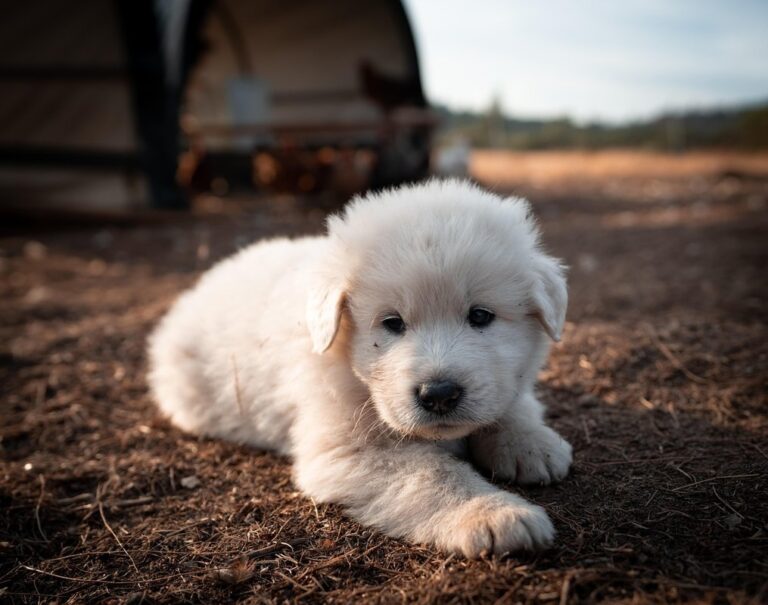
If you’re considering bringing a Great Pyrenees onto your farm or homestead, chances are you’ve done some research on these gentle giants. But do you know their history and how they became the ultimate livestock guardian dogs? Originally bred in the Pyrenees Mountains between France and Spain to protect sheep from predators like wolves and bears, Great Pyrenees have a rich heritage that makes them an excellent choice for farmers and homesteaders looking to safeguard their animals.
As you prepare to welcome one of these magnificent dogs into your life, it’s essential to understand their characteristics, care requirements, and training needs. This article will delve into the specifics of raising and training Great Pyrenees livestock guardian dogs, providing you with practical knowledge on how to integrate them seamlessly into your farm or homestead. By the end of this article, you’ll be equipped with the necessary information to prepare your property and effectively train these gentle giants for effective guarding behavior.
History and Origins of the Great Pyrenees Breed
The origins of the majestic Great Pyrenees breed date back to the Middle Ages, when they were bred to protect sheep from predators in the rugged Pyrenees Mountains. Their history is deeply intertwined with their development as a loyal and effective livestock guardian dog.
Early Development as a Guardian Breed
The early development of the Great Pyrenees breed was shaped by its original purpose as a guardian of sheep and other livestock. In the 17th century, shepherds in the Pyrenees Mountains between France and Spain needed a dog that could protect their flocks from wolves and other predators. The ancestors of the modern Great Pyrenees were likely brought to the region by the Romans, who valued large, powerful dogs for guarding.
As the breed developed, it was selectively bred for its guarding instincts, physical strength, and endurance. Great Pyrenees were tasked with patrolling the mountainous terrain and defending their charges against threats both day and night. To achieve this, they learned to remain vigilant while still being gentle enough not to harm the livestock they protected.
One of the key factors in the breed’s development was its ability to adapt to harsh environments. Great Pyrenees were bred to withstand extreme temperatures, rugged terrain, and limited food resources, making them highly resilient dogs. This adaptation has allowed them to thrive in a variety of settings, from rural farms to modern homesteads.
Characteristics Influenced by Their Original Purpose
Their original purpose as a guardian breed has left an indelible mark on the Great Pyrenees’ physical and temperamental characteristics. One of the most notable effects is their size, which was bred to be imposing but not overwhelming. Great Pyrenees typically stand between 25-32 inches tall at the shoulder, with males weighing around 100 pounds or more. This substantial build serves as a deterrent against potential predators.
Another key trait influenced by their original purpose is their coat. The thick, double-layered coat provides insulation and protection from harsh mountain weather conditions, allowing them to thrive in environments where other breeds might struggle. Their coat also comes in a range of colors, including white, various shades of brown, and sometimes black markings.
Their temperament has also been shaped by their history as guardians. Great Pyrenees are naturally alert and watchful, always on the lookout for potential threats. This instinct makes them excellent at detecting and responding to danger, even if it’s just a stray animal wandering into their territory. However, this trait can be challenging for inexperienced owners, who must learn how to balance their dog’s natural guarding instincts with gentle socialization and training.
Understanding Livestock Guardian Dogs
Livestock guardian dogs are a crucial component of many farms and ranches, providing protection for vulnerable animals from predators. In this context, understanding their role is essential to effective livestock management.
Key Traits of Effective Guardian Animals
Effective guardian animals possess a unique combination of instincts, temperament, and physical attributes that enable them to protect livestock from predators. One key trait is a strong prey drive, which motivates them to chase and defend against potential threats. This instinct is often accompanied by a natural wariness towards other animals, particularly those with a history of preying on livestock.
A calm and even-tempered nature is also essential for effective guardianship. While they must be vigilant and alert when necessary, they should not become overly aggressive or reactive to minor stimuli. Instead, they should remain steady and focused, able to discern genuine threats from harmless situations.
Physically, guardian animals often possess a combination of size, strength, and endurance that allows them to patrol large areas effectively. Their coat type and color can also play a role in their ability to blend in with their surroundings, remaining alert without being easily visible to predators. In the case of Great Pyrenees, their white coats and muscular build make them well-suited for guarding livestock in open ranges.
Comparison to Other Breeds
In comparison to other breeds commonly used as guardian animals, the Great Pyrenees stands out for its unique characteristics. Unlike some livestock guardian dogs, such as the Maremma or the Akbash, which are bred specifically for guarding and can be more aggressive towards predators, the Great Pyrenees is known for its gentle nature and calm demeanor.
This trait makes them an excellent choice for small-scale farms or homesteads where a more laid-back guardian dog is desired. In contrast, breeds like the Komondor or the Kangal Dog are often used on larger operations where their high energy levels and protective instincts are beneficial. However, they can be overwhelming for smaller properties.
One key difference between the Great Pyrenees and other guardian breeds is its instinct to patrol rather than confront predators. This means that while they will defend their flock if necessary, they are more likely to chase off intruders without engaging in a direct confrontation. This approach makes them an excellent choice for farmers who want a low-maintenance guardian dog.
Bringing Home a Great Pyrenees: Preparation and Care
Before bringing home your new Great Pyrenees, you’ll want to make sure you have a solid plan in place for their care and integration into your household. This includes preparing your yard, setting boundaries, and understanding their specific needs.
Essential Preparations Before Bringing a Great Pyrenees Home
Before bringing a Great Pyrenees home, you’ll want to ensure your farm or homestead is ready for its new guardian. This includes preparing a safe and suitable enclosure, as well as considering the dog’s future role and responsibilities.
First, assess your property’s security. A Great Pyrenees needs space to roam and patrol, so make sure your perimeter fencing is sturdy and secure. You’ll also want to ensure there are no gaps or weak points that could allow predators to enter or the dog to escape.
Next, identify any potential hazards within the enclosure itself. Remove any loose objects or debris that could be mistaken for a threat, and consider adding shelter or shade for your Great Pyrenees to retreat to during extreme weather conditions.
Additionally, think about how you’ll integrate your new guardian into existing livestock management practices. This might involve adjusting feeding schedules, modifying pasture rotation plans, or training other animals to coexist with the dog. By taking these steps ahead of time, you’ll set your Great Pyrenees up for success and create a safe, harmonious environment for all farm residents.
Understanding Their Dietary Needs
Great Pyrenees are natural grazers and require a balanced diet that meets their nutritional needs. Their dietary requirements differ from those of smaller breeds due to their unique size, energy expenditure, and breed-specific health considerations. A high-quality dog food specifically formulated for large breeds should be the foundation of their diet.
When selecting a dog food, look for a nutrient-rich formula that includes protein sources like chicken or lamb, as well as whole grains such as brown rice or oats. Avoid fillers and by-products, which can cause digestive issues in some dogs. Also, ensure the food contains adequate amounts of essential fatty acids, vitamins, and minerals.
In addition to a high-quality dog food, supplementing with fresh vegetables and fruits can provide essential nutrients and promote overall health. For example, adding carrots or apples to their meals can support eye health and digestion. However, it’s crucial to introduce new foods gradually and in moderation to prevent digestive upset.
As Great Pyrenees age, their dietary needs may change. Senior formulas or joint supplements can help alleviate common issues like arthritis and mobility problems. Regular veterinary check-ups will help determine the best diet for your dog based on their individual health status and age.
Training and Socialization
Proper training and socialization are essential for Great Pyrenees to effectively guard livestock and thrive as a family pet, requiring attention to specific needs from an early age.
Early Training and Socialization Techniques
When introducing a young Great Pyrenees puppy to its new environment, it’s essential to prioritize gentle yet firm training and socialization techniques. Start with establishing a predictable daily routine that includes regular feeding times, exercise, and play. This helps the puppy feel secure and develop good habits.
A key aspect of early training is imprinting on the guardian dog’s role. Introduce your Great Pyrenees to the area where it will be guarding livestock, allowing it to become familiar with the scent and sounds of its future charges. You can also use positive reinforcement techniques like treats and praise when the puppy responds to basic commands.
Socialization is equally crucial for a confident guardian. Expose your puppy to various people, other animals, and new environments to help it generalize and remain calm in diverse situations. Be sure to provide enough time for socialization during critical periods (between 8-16 weeks). For example, take your puppy on short visits to neighboring farms or parks where they can interact with friendly livestock and other dogs.
When selecting a breeder, inquire about their early training and socialization methods to ensure you’re getting a well-adjusted pup.
Advanced Training for Confident Guarding Behavior
To develop confident guarding behavior in your Great Pyrenees, you’ll want to focus on advanced training techniques that simulate real-life scenarios. One effective method is “pressure testing,” where you gradually increase the stimulus – such as a person approaching or an animal entering their territory – while rewarding calm behavior. This helps your dog learn to maintain composure under increasing tension.
Another key aspect of advanced training is teaching your Great Pyrenees to differentiate between threats and non-threats. You can do this by introducing various stimuli, from people in masks to other animals, and rewarding your dog for remaining vigilant only when necessary. For example, if a person is walking calmly towards the enclosure, your dog should ignore them; but if they’re approaching quickly or aggressively, your dog should respond with alertness.
When teaching advanced guarding behaviors, it’s essential to remember that your Great Pyrenees’ primary role is to protect their territory and livestock – not to confront or attack. Focus on developing a strong bond between you, your dog, and the animals under their care. This will help your Great Pyrenees understand their responsibilities and respond accordingly.
In advanced training, it’s also crucial to include regular “off-duty” activities that allow your dog to relax and recharge. This might involve taking them for long walks or engaging in playtime away from the enclosure. By doing so, you’ll be helping your Great Pyrenees maintain a healthy work-life balance.
Health Considerations
When choosing a Great Pyrenees as a livestock guardian dog, it’s essential to consider their health needs and potential vulnerabilities to ensure you’re providing the best possible care for both your animals and your new companion.
Common Health Issues Affecting the Breed
Great Pyrenees are prone to several genetic conditions, including hip dysplasia and elbow dysplasia, which can lead to arthritis and mobility issues. Degenerative myelopathy is another common condition that affects the breed’s spinal cord, causing progressive paralysis. Eye problems such as cataracts and progressive retinal atrophy can also occur.
Age-related health concerns include osteoarthritis, which becomes more prevalent with age, causing joint pain and stiffness. Great Pyrenees are also susceptible to kidney disease, often due to genetics or dietary factors. Regular veterinary check-ups can help identify these conditions early on.
In addition to genetic and age-related issues, Great Pyrenees may experience bloat, a life-threatening condition that requires immediate attention. Ensuring they eat slowly and in a relaxed environment can reduce the risk of bloat. A balanced diet and regular exercise also play a crucial role in maintaining their overall health.
To minimize the risk of these health concerns, it’s essential to work with a reputable breeder who prioritizes genetic testing and health clearances for parent dogs. Regular veterinary care, proper nutrition, and plenty of exercise will help keep your Great Pyrenees healthy throughout its life.
Tips for Maintaining Their Health
Regular veterinary check-ups are crucial for maintaining your Great Pyrenees’ health. Schedule annual visits to monitor their weight, assess joint health, and address any potential issues before they become severe. Keep your veterinarian informed about your dog’s lifestyle, including their diet, exercise, and living conditions.
In addition to regular check-ups, maintain a clean environment by providing adequate shelter and removing waste regularly. This helps prevent the spread of diseases and reduces the risk of parasites. Also, ensure access to fresh water at all times and consider using a humidity-controlled area for your Great Pyrenees, especially in dry climates.
Great Pyrenees are prone to certain health issues, such as hip dysplasia and eye problems, due to their size and genetic makeup. Keep an eye out for signs of these conditions, including difficulty walking or stiffness after exercise, redness around the eyes, or changes in vision. By staying vigilant and addressing potential issues promptly, you can help your Great Pyrenees live a long, healthy life as a loyal guardian animal.
Advanced Topics: Integration with Other Animals and Breeding Considerations
When working with Great Pyrenees as livestock guardian dogs, you’ll also want to consider integrating them with other animals on your property, such as sheep, goats, and cattle. This section covers the key considerations for successful integration and breeding programs.
Integrating Your Great Pyrenees with Other Livestock
When introducing a new Great Pyrenees to existing livestock, it’s essential to prioritize their safety and well-being. A gradual introduction process can help prevent stress and aggression. Start by keeping the new dog separate from the rest of the herd for several weeks, allowing them to become familiar with each other’s scents and sounds without direct interaction.
When it’s time to introduce them, choose a neutral area where both animals feel comfortable. Monitor their behavior closely, watching for signs of aggression or fear, such as raised hackles, growling, or avoidance. If you notice any of these signs, separate the dogs immediately and restart the introduction process from the beginning.
Begin with visual introductions, allowing the dogs to see each other but remain separated by a fence or gate. Gradually increase their proximity over time, always supervising interactions. Be prepared to intervene if necessary, using calm, assertive voice commands to help them focus on each other rather than displaying aggression. With patience and careful planning, your Great Pyrenees can learn to coexist peacefully with the rest of the herd.
Understanding the Importance of Genetic Diversity in Breeding
Genetic diversity is crucial when breeding livestock guardian dogs like the Great Pyrenees. This principle applies not only to maintaining a healthy and robust breed but also to ensuring their effectiveness as guardians. Inbreeding, which occurs when related individuals are bred together, can lead to the loss of desirable traits and increased susceptibility to diseases.
When inbred animals are mated, they may not produce offspring with the desired combination of characteristics necessary for guarding livestock. For instance, a Great Pyrenees may be bred to inherit its mother’s exceptional herding ability but sacrifice some of its father’s protective instincts. This can compromise the breed’s overall performance and make them less effective at their core purpose.
To maintain genetic diversity, breeders should prioritize outbreeding, where unrelated individuals are mated. This approach helps preserve a wide range of traits and reduces the risk of inherited health issues. For example, breeding a Great Pyrenees with a line that has been specifically selected for its guarding ability can introduce new characteristics while maintaining desirable traits from the original breed.
Frequently Asked Questions
Can I train my Great Pyrenees to guard against predators other than wolves and bears?
Yes, while the breed is originally developed for guarding against these large predators, with proper training and socialization, your Great Pyrenees can be effective against smaller predators like coyotes or foxes as well. This requires a gradual introduction to new sounds and scents, along with consistent reinforcement of their protective instincts.
How long does it take for a Great Pyrenees to fully mature and develop its guarding behavior?
A Great Pyrenees typically takes around 2-3 years to reach full maturity, during which time they will continue to develop and refine their natural guarding instincts. However, with proper training and socialization from an early age, you can encourage them to take on their role more quickly.
What if my Great Pyrenees doesn’t get along with other animals on the farm or homestead? How do I resolve conflicts?
While Great Pyrenees are generally gentle giants, they can be territorial. Conflicts may arise when introducing new animals to your property or when establishing a hierarchy among existing ones. To resolve such issues, start by keeping a close eye on their behavior and body language. Gradually introduce the animals under close supervision, and consider separating them temporarily if necessary.
Can I breed my Great Pyrenees without considering genetic diversity? What are the risks?
No, breeding your Great Pyrenees without considering genetic diversity can lead to inherited health issues and a weakened immune system in offspring. Maintaining a diverse gene pool is crucial for preserving the breed’s overall health and vitality. Consider collaborating with reputable breeders or participating in breeding programs that prioritize genetic diversity.
What if my Great Pyrenees becomes too aggressive or starts chasing livestock instead of guarding them? How do I address this behavior?
If your Great Pyrenees develops overly aggressive behavior, reassess their training and socialization. It’s possible they’ve become too focused on individual animals rather than the flock as a whole. Adjust their training to emphasize protective instincts over personal relationships with specific animals.