If you’re considering adding a majestic guardian to your family, you might be torn between two popular breeds: Maremma Sheepdogs and Great Pyrenees. Both have been used for centuries to protect flocks from predators, but they have distinct histories and temperaments that make one more suitable than the other depending on your needs. While Maremmas originated in Italy as a primary guardian breed, Great Pyrenees were specifically bred to guard sheep against wolves in the French Pyrenees mountains. Deciding between these two breeds requires considering their grooming needs, training requirements, and potential health issues. In this article, you’ll learn about the key differences between Maremma Sheepdogs and Great Pyrenees, including their histories, temperaments, and care requirements, to help you choose the best breed for your family’s lifestyle and living situation.
Breed History and Origins
The Maremma Sheepdog and Great Pyrenees have a rich history as ancient guard breeds, originating from different parts of Europe to protect livestock. Both breeds share some similar roots in their development over time.
Maremma Sheepdog Origins
The Maremma sheepdog has its roots in Italy, where it was developed to guard livestock. This ancient breed has a long history of protecting flocks from predators, dating back to the time when nomadic shepherds roamed the Apennine Mountains. The Maremma’s rugged terrain and harsh climate only added to their need for an effective guardian dog.
In the 19th century, breeders in Italy worked to create a robust and loyal companion that could withstand the elements and keep predators at bay. They crossed local dogs with other breeds, resulting in the distinctive Maremma sheepdog we know today. As a result of this selective breeding, the Maremma is known for its exceptional guarding abilities and its unwavering loyalty to its flock.
One key factor in the development of the Maremma was its ability to thrive in the isolated and rugged terrain of the Apennine Mountains. Breeders sought out dogs that could not only guard against predators but also endure harsh winters, steep slopes, and limited resources. This adaptability has made the Maremma an invaluable companion for shepherds and farmers across Italy and beyond.
Great Pyrenees Origins
The Great Pyrenees breed originated in the Pyrenees Mountains, which form a natural border between France and Spain. For centuries, these majestic dogs guarded sheep against predators such as wolves and bears, developing their distinctive protective instincts. As early as the 17th century, shepherds began breeding them specifically for this purpose, emphasizing loyalty, intelligence, and a strong instinct to defend.
Their role in protecting livestock earned them great respect among local farmers, who valued their ability to patrol vast areas with ease. In fact, one of the primary characteristics that breeders sought out was the Great Pyrenees’ natural aptitude for herding, which also made them skilled at keeping predators at bay.
One fascinating aspect of the Great Pyrenees’ development is how its breeding history has been shaped by royal patronage. King Louis XIV of France, in particular, played a significant role in popularizing the breed among European aristocracy. Today, this regal heritage remains an integral part of the breed’s identity and appeal to many owners who value tradition and noble bloodlines.
As with any guardian breed, proper socialization is crucial for Great Pyrenees puppies.
Physical Characteristics and Size
When it comes to these majestic breeds, size and physical characteristics play a significant role in determining their overall build and appearance. Let’s take a closer look at how Maremma Sheepdogs compare to Great Pyrenees in terms of size and structure.
Maremma Sheepdog Physical Traits
The Maremma sheepdog is a large, muscular breed with a distinctive physical presence. On average, males reach a height of 26-31 inches (66-79 cm) and weigh between 80-110 pounds (36-50 kg), while females are slightly smaller, standing at 24-28 inches (61-71 cm) tall and weighing 70-100 pounds (32-45 kg). Their double coat is thick and dense, with a coarse outer layer and a soft undercoat that sheds heavily during shedding season. The Maremma’s coat color can range from white to gray, often with markings or patches of red or tan.
One notable feature of the Maremma sheepdog’s physical characteristics is its broad head and well-defined stop (the area where the muzzle meets the forehead). Their eyes are dark brown and almond-shaped, while their ears are triangular and set high on the head. The breed’s overall build is sturdy and athletic, with a deep chest and well-sprung ribs that give them excellent endurance for long periods of exercise.
In terms of size, Maremmas are generally larger than Great Pyrenees dogs, but this can vary depending on individual dogs within each breed.
Great Pyrenees Physical Traits
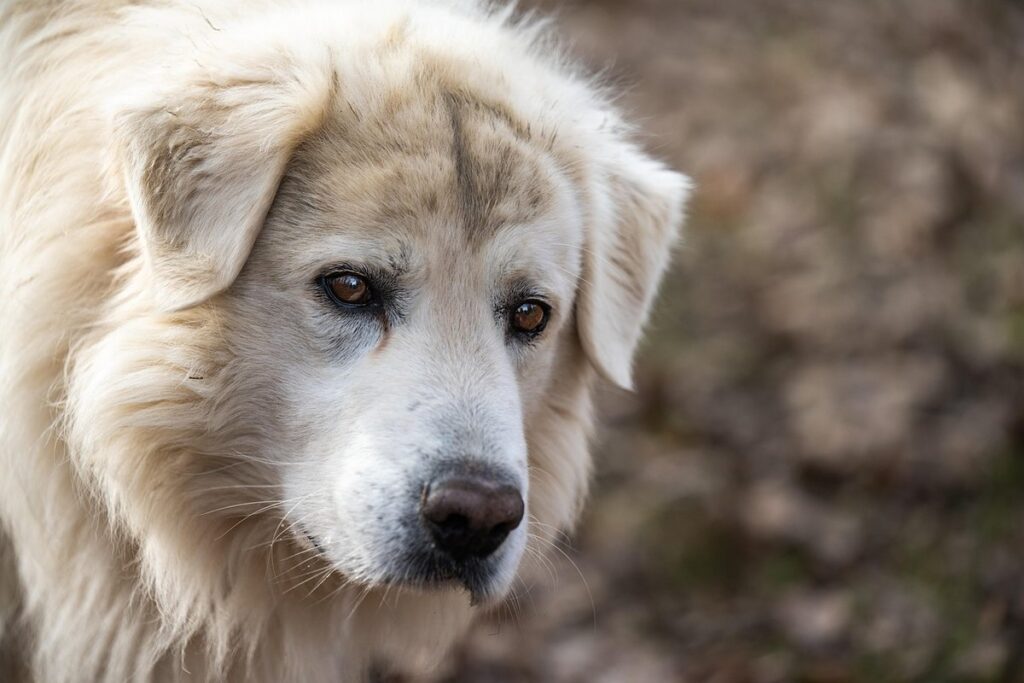
The Great Pyrenees is a large and majestic breed, with males reaching up to 32 inches in height and weighing between 100-120 pounds. Females are slightly smaller, measuring around 30 inches tall and weighing between 85-100 pounds. Their sturdy build and muscular structure make them well-suited for guarding livestock.
One of the most distinctive features of the Great Pyrenees is their thick coat, which can be white or white with markings. The coat is double-layered, consisting of a soft undercoat and a long, coarse outer layer that sheds heavily during shedding season. This unique coat type requires regular grooming to prevent matting and tangling.
In terms of color, the Great Pyrenees typically has a solid white coat, although some individuals may have small markings or patches on their chest or face. The breed’s coat can also appear slightly yellowish or cream-colored due to the undercoat’s natural pigmentation. Overall, the Great Pyrenees’ physical traits make them well-suited for guarding and herding livestock in rugged, mountainous terrain.
When considering a Great Pyrenees as a guardian dog, it’s essential to factor in their size and coat type. This breed requires regular exercise and attention to prevent overgrowth of the coat, which can lead to skin problems if not properly maintained.
Temperament and Personality
One of the most significant differences between Maremma Sheepdogs and Great Pyrenees lies in their unique temperaments, which greatly impact how they interact with their families and work as guard dogs. Let’s take a closer look at these distinct personalities.
Maremma Sheepdog Temperament
The Maremma sheepdog is renowned for its loyal and protective nature. This breed has a strong instinct to guard and defend its territory, family, and livestock with unwavering dedication. You’ll often see Maremmas standing watch over their charges with an unyielding presence, ready to defend at a moment’s notice.
One of the key characteristics of the Maremma temperament is its intelligence and trainability. While this breed can be independent and stubborn at times, they respond well to consistent training and positive reinforcement. Experienced owners often praise the Maremma for its ability to learn complex commands and tasks with ease.
However, it’s essential to understand that Maremmas are not naturally aggressive dogs. Their protectiveness stems from a deep loyalty to their pack rather than a desire to attack others. This is why proper socialization and training are crucial when raising a Maremma puppy – they must learn to distinguish between genuine threats and harmless stimuli.
When introducing a new pet or person to your household with a Maremma, it’s essential to do so gradually and under controlled circumstances. Allow the dog to become familiar with the newcomer at its own pace, rewarding calm behavior and ignoring any signs of aggression.
Great Pyrenees Temperament
Great Pyrenees are known for their independent nature. Unlike some breeds that thrive on attention and interaction, Great Pyrenees tend to prefer being alone and enjoy a quieter life. This independence can make them seem aloof or standoffish at times, but it’s essential to understand this is not a lack of loyalty or affection.
In fact, Great Pyrenees are extremely loyal to their family and territory. They make devoted guardians, willing to defend what they care about with courage and determination. However, their loyalty is not easily won, and they require patience and consistent interaction from an early age to form a strong bond.
Trainability can be a challenge for some owners due to the Great Pyrenees’ independent streak. Consistency, positive reinforcement, and early socialization are key to developing good behavior and a responsive attitude in this breed. Experienced dog handlers often recommend focusing on short training sessions with clear goals and rewards to keep the dog engaged.
Overall, understanding and accepting the Great Pyrenees’ temperament is crucial for establishing a harmonious relationship between owner and dog. With patience, persistence, and respect for their boundaries, it’s possible to develop a strong, loving bond with this majestic breed.
Grooming and Maintenance Needs
To care for these majestic breeds, you’ll need to consider their specific grooming needs and regular maintenance routines to keep them happy and healthy. Regular brushing and nail trimming are essential parts of their care.
Maremma Sheepdog Grooming Needs
The Maremma sheepdog’s coat is a double-layered one, with a soft undercoat and a coarser outer layer. While this unique combination makes them well-suited to their native Italian mountainous terrain, it does come with some grooming needs. Maremmas are moderate shedders, meaning they lose a significant amount of hair during seasonal changes. This shedding is most noticeable in spring and fall, when the undercoat is replaced.
Regular brushing is essential for removing loose hair and distributing skin oils throughout the coat. A slicker brush or pin brush works well for this purpose, as it gently removes tangles and mats without causing discomfort to the dog. Bathing should be done sparingly, ideally every 2-3 months or when the dog gets dirty. Over-bathing can strip the coat of its natural oils, leading to dryness and irritation.
When bathing a Maremma, use a mild dog shampoo and avoid getting water in the ears or eyes. It’s also crucial to brush out the coat thoroughly before and after bathing to prevent matting and tangling. With regular grooming, your Maremma sheepdog will maintain a healthy, well-coated appearance that showcases its natural beauty.
Great Pyrenees Grooming Needs
The Great Pyrenees has a thick double coat that sheds heavily, particularly during spring and fall. You’ll need to brush your Great Pyrenees regularly to prevent matting and tangling, especially around the armpits and behind the ears. A slicker brush or a pin brush is ideal for this breed, as they can help remove loose hair and distribute skin oils.
In terms of shedding, Great Pyrenees are considered heavy shedders. They’ll need regular vacuuming to keep their coat under control, especially during peak shedding seasons. You may also want to consider using a deshedding tool or a Furminator rake to help reduce the amount of loose hair.
Bathing is not necessary for Great Pyrenees unless they’ve gotten dirty or developed a strong odor. Over-bathing can strip their coat of its natural oils, leading to dryness and irritation. When you do need to bathe your Great Pyrenees, use a mild dog shampoo and avoid getting water in their ears or eyes.
To keep your Great Pyrenees’ coat healthy and looking its best, consider the following:
• Brush them at least 2-3 times per week
• Use a deshedding tool or Furminator rake during peak shedding seasons
• Bathe only as needed, using a mild dog shampoo
Training and Exercise Requirements
To own a Maremma Sheepdog or Great Pyrenees, you’ll need to commit to regular exercise and training that suits their unique breed needs. This includes daily walks, playtime, and mental stimulation.
Maremma Sheepdog Training
Maremmas are naturally protective and aloof, making early socialization crucial to ensure they become confident and calm around people. Start exposing your Maremma puppy to various environments, situations, and individuals from an early age – ideally between 8 and 12 weeks old. This includes introducing them to different surfaces, sounds, and smells, as well as interacting with children, other pets, and strangers.
Obedience training is also essential for a Maremma sheepdog. They can be strong-willed, so it’s vital to establish clear boundaries and expectations from the beginning. Focus on positive reinforcement techniques, such as reward-based training, to encourage good behavior. Early exposure to livestock is equally important – introduce your puppy to sheep or other livestock under close supervision, allowing them to learn how to interact with and protect their charges without becoming overly aggressive.
A well-socialized Maremma will develop into a calm and confident guardian, while a poorly socialized one may become wary or even aggressive towards people. With patience, consistency, and proper training, you can help your Maremma sheepdog grow into a loyal companion that excels at its primary function – guarding the flock with intelligence and instinctive ability.
Great Pyrenees Training
Great Pyrenees are highly trainable dogs, but they require early socialization and obedience training to manage their strong instincts. Start socializing your Great Pyrenees puppy as soon as possible, ideally between 8-12 weeks old. Introduce them to various environments, people, and livestock to help them develop good judgment and confidence.
In terms of obedience training, consistency is key. Establish a routine and use positive reinforcement techniques to avoid scaring or confusing the dog. Focus on basic commands like “sit,” “stay,” and “come” in quiet areas before moving on to more complex tasks.
Early exposure to livestock is also crucial for Great Pyrenees. Introduce them to sheep, goats, or other animals under controlled conditions, allowing them to learn how to calmly interact with their future charges. If possible, pair your dog with an experienced guardian animal to facilitate learning and bonding.
Some key considerations when training a Great Pyrenees include:
- Setting clear boundaries and expectations
- Avoiding harsh corrections that may damage the dog’s confidence
- Gradually increasing exposure to various environments and situations
- Fostering a strong bond between dog and handler through positive reinforcement
Health and Longevity
When it comes to guarding sheep, a healthy dog is just as important as a fierce one. Let’s take a closer look at the overall health and longevity of both Maremma Sheepdogs and Great Pyrenees.
Maremma Sheepdog Health Issues
Hip dysplasia is a common health issue affecting Maremma sheepdogs. This breed’s large size and joint structure make them prone to hip problems, which can lead to arthritis, mobility issues, and chronic pain. Responsible breeding practices have reduced the incidence of this condition, but it still occurs in some lines.
Eye problems are another concern for Maremma sheepdog owners. The breed is prone to conditions like entropion (eyelids that roll inward) and ectropion (eyelids that droop), which can cause irritation, redness, and vision loss if left untreated. Regular eye exams with a veterinarian can help identify these issues early on.
Autoimmune disorders are also more common in Maremma sheepdogs than in some other breeds. These conditions occur when the dog’s immune system mistakenly attacks its own tissues, leading to symptoms like skin lesions, joint pain, and digestive problems. While there is no cure for autoimmune disorders, a veterinarian can help manage symptoms with medication and lifestyle changes.
In addition to these specific health issues, Maremma sheepdogs are generally considered a relatively long-lived breed, with an average lifespan of 12-15 years. However, genetics play a significant role in determining individual dogs’ lifespans, so it’s essential for potential owners to research reputable breeders who prioritize health testing and genetic diversity.
Great Pyrenees Health Issues
Great Pyrenees are prone to various health issues that can affect their quality of life and lifespan. One common problem is hip dysplasia, a genetic condition that causes the hip joint to form improperly, leading to arthritis and mobility issues. Responsible breeders should prioritize hip evaluations and select breeding stock with healthy hips.
Eye problems are another concern for Great Pyrenees owners. The breed can be susceptible to conditions like cataracts, progressive retinal atrophy, and entropion, which require regular veterinary check-ups and may necessitate surgery.
Autoimmune disorders, such as Addison’s disease and hypothyroidism, have also been observed in the Great Pyrenees population. These conditions occur when the immune system mistakenly attacks healthy tissues, disrupting hormone production or metabolism. Regular blood tests can help detect these issues early on, allowing for prompt medical intervention.
While these health concerns are not unique to the Great Pyrenees breed, their prevalence highlights the importance of responsible breeding practices and regular veterinary care. To mitigate the risk of inherited conditions, prospective owners should research reputable breeders who prioritize genetic testing and selective breeding.
Conclusion and Recommendation
Now that you’ve weighed the pros and cons of both breeds, it’s time to make a decision that suits your needs. Here are our final thoughts on these two incredible guard dogs.
Choosing Between the Two Breeds
When deciding between a Maremma sheepdog and a Great Pyrenees as a guardian or companion animal, several key factors come into play. First and foremost, consider your living situation and the amount of space you have available for a large breed dog. Both breeds require significant space to roam and exercise, but if you live in a smaller home or have limited yard access, a Maremma sheepdog may be more suitable due to its slightly more compact build.
Another crucial consideration is your experience with livestock guarding and herding dogs. If you’re new to this type of dog ownership, the Great Pyrenees’ strong instinct to guard and protect may be overwhelming at times. In contrast, the Maremma sheepdog’s independent nature can make it a better fit for those who want a more laid-back companion.
Additionally, think about your lifestyle and how much time you’re willing to dedicate to grooming and training. Both breeds have thick coats that require regular brushing, but the Maremma sheepdog’s coat tends to be shorter and less prone to matting. In terms of training, both breeds can be stubborn at times, but consistency and positive reinforcement can help overcome these challenges.
Ultimately, it’s essential to weigh your needs against those of each breed. Here are some key questions to ask yourself:
- What is my primary goal for owning a guardian or companion animal: protection, companionship, or a combination of both?
- Do I have experience with livestock guarding and herding dogs, or would I benefit from training and guidance?
- How much time can I dedicate to grooming, exercise, and training?
By answering these questions and considering the unique characteristics of each breed, you’ll be better equipped to make an informed decision that suits your needs and lifestyle.
Frequently Asked Questions
Can I Train My Maremma Sheepdog or Great Pyrenees to Be Off-Leash?
You can train either breed to be off-leash with consistent training and socialization. However, due to their strong guarding instincts, it’s essential to establish a reliable recall system and provide regular exercise to prevent unwanted behaviors.
What If I Live in an Apartment: Is It Still Possible to Have One of These Breeds?
While Maremma sheepdogs and Great Pyrenees require space to roam, some owners have successfully kept them in apartments with regular walks and playtime. However, it’s crucial to consider your lifestyle and the breed’s needs before making a decision.
How Do I Introduce My Maremma Sheepdog or Great Pyrenees to Other Pets?
Introducing these breeds to other pets requires patience and gradual exposure. Start by keeping them separated, then gradually increase their interaction time under close supervision. Reward calm behavior and avoid forcing interactions.
Can I Use a Maremma Sheepdog or Great Pyrenees as a Guard Dog in a Small Household with Children?
While both breeds are excellent guardians, it’s essential to consider your household dynamics before bringing one home. With proper training and socialization, they can thrive in households with children. However, ensure you provide adequate space for the dog to exercise and relax.
What If I Notice My Maremma Sheepdog or Great Pyrenees Displaying Aggressive Behavior Towards Strangers?
Aggression towards strangers is a common issue in these breeds. Consult with a professional trainer or behaviorist to address the underlying causes and develop a training plan tailored to your dog’s specific needs.