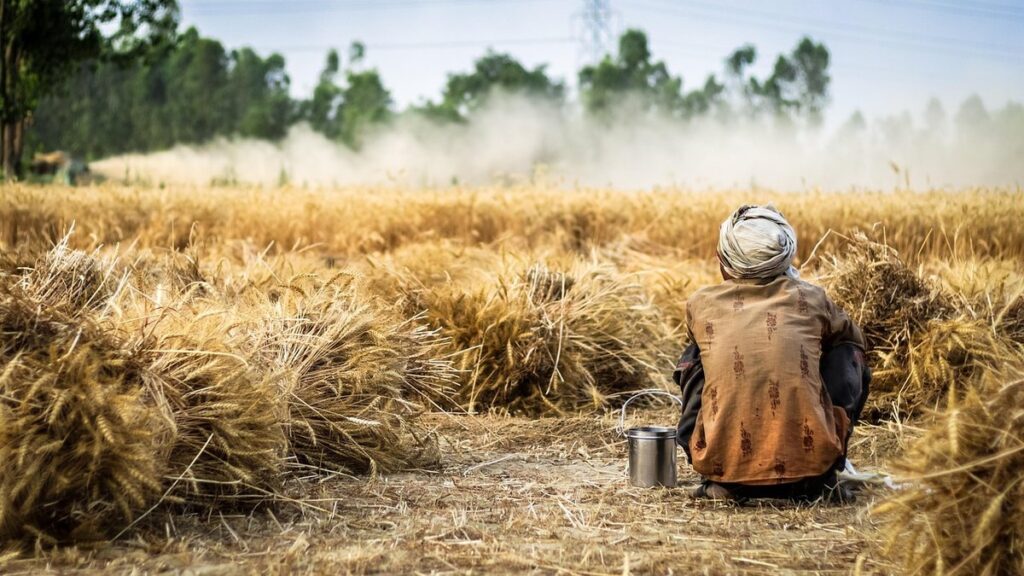
Organic produce farming is often associated with a healthier and more environmentally conscious approach to agriculture. However, many people are unclear about how this type of farming contributes to sustainability and human well-being. As the demand for organic produce continues to rise, it’s essential to understand the benefits it offers beyond just its nutritional value. Not only can organic farming practices help reduce pollution and preserve natural resources, but they also provide economic benefits for farmers and communities. Furthermore, consuming organic produce has been linked to various health advantages, from reduced exposure to pesticides to improved nutrient intake. In this article, we’ll explore the best practices and techniques used in organic produce farming, as well as the challenges faced by farmers, to give you a deeper understanding of its impact on environmental sustainability, economic benefits, and human health.
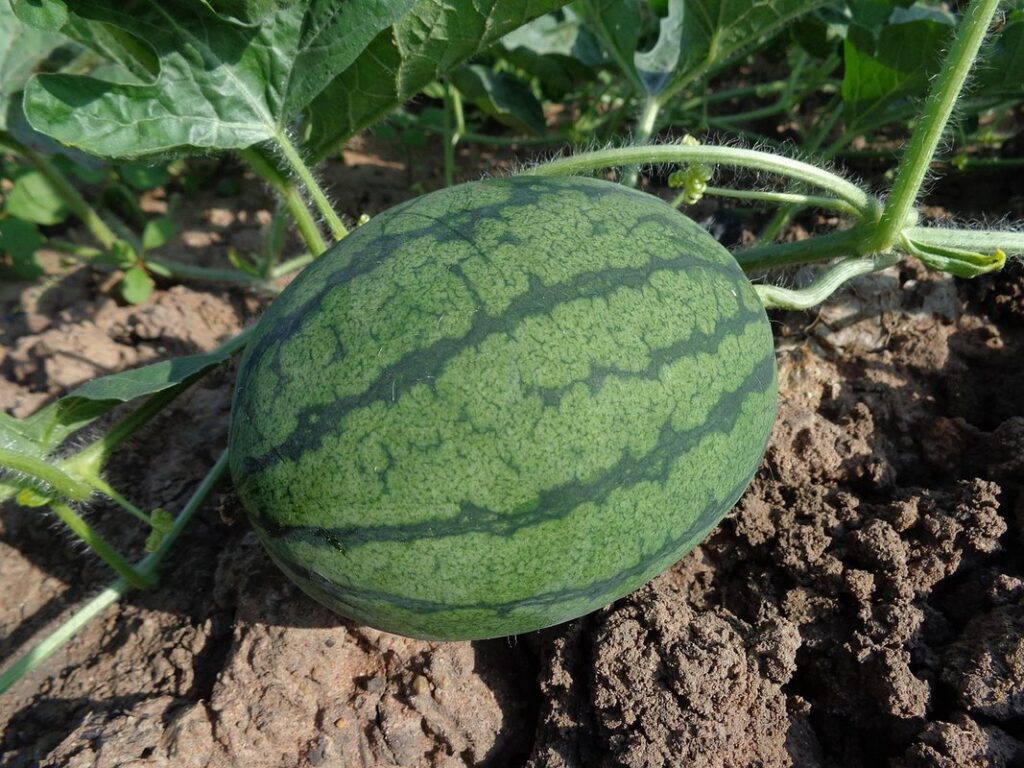
Benefits of Organic Produce Farming
Organic produce farming offers numerous benefits for both our health and the environment, from reduced pesticide exposure to improved soil quality. We’ll explore these advantages in greater detail below.
Environmental Advantages
Organic farming practices significantly contribute to sustainable agriculture by promoting soil health and biodiversity conservation. One key advantage is reduced soil erosion, as organic farming encourages crop rotation and cover cropping methods that prevent soil compaction and nutrient depletion. These techniques also enhance soil fertility, allowing for more efficient water use and reducing the need for synthetic fertilizers.
In contrast to conventional farming, which often relies on monoculture practices, organic farming fosters biodiversity by maintaining a diverse range of crops and promoting beneficial insects and microorganisms in the soil ecosystem. This approach can lead to increased crop yields while minimizing the risk of pests and diseases.
For example, a study on regenerative organic agriculture found that implementing cover cropping and reduced tillage practices resulted in significant reductions in greenhouse gas emissions and improved soil carbon sequestration. To incorporate these methods into your own farm, consider consulting with local experts or attending workshops on sustainable agriculture best practices. By adopting these techniques, you can create a more resilient and environmentally friendly farming operation.
Economic Benefits for Farmers and Consumers
When farmers adopt organic farming methods, they can expect to see increased crop yields, which directly translates to higher profits. This is because organic farming promotes soil health and biodiversity, allowing crops to thrive without synthetic fertilizers or pesticides. A study conducted by the Rodale Institute found that organic farms tend to produce 25% more than their conventional counterparts.
Reducing input costs is another significant economic benefit of organic farming. By eliminating the need for synthetic chemicals and genetically modified organisms (GMOs), farmers save money on inputs while also reducing waste and environmental degradation. For example, a small-scale organic farm in California reported saving over $10,000 annually by switching to compost-based fertilizers.
Higher market demand is also driving the growth of organic produce farming. Consumers are increasingly seeking out products with minimal environmental impact and fewer health risks associated with pesticide exposure. By adopting organic methods, farmers can tap into this growing market and command higher prices for their crops. To capitalize on this trend, farmers should focus on building strong relationships with local distributors and retailers who cater to the organic market.
Improved Human Health through Organic Produce
Research suggests that organic produce tends to have higher levels of certain nutrients and antioxidants compared to conventionally grown alternatives. For instance, a study published in the Journal of Agricultural and Food Chemistry found that organic strawberries had higher concentrations of vitamin C and phenolic compounds than conventionally grown strawberries.
One key area where organic produce excels is in its higher antioxidant content. A 2012 meta-analysis published in the British Journal of Nutrition found that organic fruits and vegetables contained significantly more antioxidants than their conventional counterparts. This is thought to be due to the absence of synthetic pesticides, which can compromise plant health and reduce nutrient levels.
When it comes to specific nutrients, some studies suggest that organic produce may have higher levels of beneficial compounds like polyphenols and omega-3 fatty acids. For example, a 2018 study published in the Journal of Food Science found that organic milk contained significantly more conjugated linoleic acid (CLA) than conventional milk.
While more research is needed to fully understand the nutritional benefits of organic produce, the existing evidence suggests a clear trend: when given the choice, opt for organic options whenever possible.
Setting Up an Organic Farm: Key Considerations
When starting an organic farm, there are several key considerations that will help you create a thriving and sustainable operation from day one. This includes planning your land use wisely and selecting the right crops for your climate.
Choosing the Right Land and Climate
When evaluating a potential location for an organic farm, soil type is a crucial factor to consider. Different soils have varying levels of fertility and drainage, which can impact crop growth and yield. For example, sandy soils tend to drain quickly but may require more frequent watering, while clay soils retain moisture well but can be prone to waterlogging. Assessing the pH level of the soil is also essential, as certain crops thrive in acidic or alkaline conditions.
Climate conditions are another vital consideration. Temperature fluctuations, humidity levels, and sunlight exposure all play a significant role in determining which crops will grow successfully. For instance, warm-season crops like tomatoes and corn require temperatures above 60°F (15°C), while cool-season crops like broccoli and kale thrive in temperatures between 40°F (4°C) and 70°F (21°C). Accessibility to the land is also essential, as it impacts the ease of transportation for equipment, supplies, and harvested produce.
When evaluating a location, consider these factors together. A region with suitable soil type but harsh climate conditions may not be ideal, even if the land is easily accessible. Conversely, a location with favorable climate conditions but poor soil quality may require significant investment in amendments or irrigation systems.
Understanding and Implementing Integrated Pest Management (IPM)
Integrated Pest Management (IPM) is a holistic approach to managing pests on an organic farm. At its core, IPM involves understanding the ecosystem and identifying the root causes of pest infestations. This is where crop rotation comes in – by rotating crops, you can break the life cycle of pests and reduce their populations.
Biological control methods are another crucial aspect of IPM. These include introducing beneficial insects, such as ladybugs or lacewings, to feed on pests. For example, if aphids are present, releasing a natural predator like a hoverfly can help control the population. Physical barriers, like fine mesh or row covers, can also be used to prevent pests from reaching crops.
It’s essential to monitor your farm regularly for signs of pest activity and adjust your IPM strategy accordingly. This might involve adjusting crop rotation schedules or introducing new beneficial insects. Some farmers also use physical traps, such as sticky traps or pitfall traps, to capture pests without harming the environment.
Introduction to Organic Soil Amendments and Fertilizers
Compost is a rich source of nutrients that can be made on-site using kitchen scraps, crop residues, and animal manures. When added to soil, compost improves its structure, increases water retention, and supports the growth of beneficial microorganisms. Manure tea, another natural fertilizer, is brewed by steeping animal manures in water, which releases essential micronutrients that can be absorbed by plants.
Green manures, such as clover and rye, are crops that are grown specifically to add organic matter and nutrients to soil when they’re incorporated into the earth. They help to maintain soil fertility and reduce erosion between crop cycles. Composting and making manure tea require some effort but are cost-effective alternatives to synthetic fertilizers.
Some examples of green manures include winter rye, hairy vetch, and crimson clover. These crops can be planted in the off-season when land is not being used for other crops, providing a natural way to build soil fertility without relying on external inputs.
Organic Farming Techniques: A Deep Dive
Effective organic farming techniques involve using natural methods to control pests and diseases, reducing reliance on synthetic chemicals and promoting soil health.
These eco-friendly practices not only benefit the environment but also result in healthier produce for consumers.
Crop Rotation and Companion Planting Strategies
Crop rotation involves switching between different types of crops to maintain soil fertility and structure. This practice can reduce soil-borne pests and diseases by breaking their life cycles. For example, if you grow tomatoes on a particular plot one season, rotate it with legumes the next year. Legumes like beans or lentils have nodules in their roots that fix nitrogen from the atmosphere into the soil, enriching its fertility.
Companion planting involves growing different crops together to enhance growth and reduce pests. Marigolds repel nematodes, which can harm tomatoes and other vegetables. Basil repels aphids and improves flavor when grown alongside vegetables like lettuce or peppers. Intercropping, where multiple crops are planted at the same time in the same space, also promotes biodiversity and reduces pest pressure.
A well-planned crop rotation cycle might include the following steps:
• Choose a diverse set of crops that have different growth habits and nutrient requirements
• Alternate between crops with different soil needs to avoid depleting nutrients
• Incorporate cover crops to add organic matter and improve soil health during off-seasons
Cover Cropping and Green Manuring Methods
Cover crops play a crucial role in maintaining soil structure and fertility. By incorporating cover crops into your rotation, you can significantly reduce weed pressure, suppress pests, and add organic matter to the soil. For example, winter rye is often used as a cover crop due to its ability to suppress weeds and improve soil health.
To get the most out of cover cropping, it’s essential to choose species that are well-suited to your climate and soil type. Legumes like clover or beans are excellent options for adding nitrogen to the soil, while grasses like oats or wheat can help control erosion and retain moisture. When selecting a cover crop, consider factors such as its growth period, maturity date, and ability to compete with weeds.
In addition to cover crops, green manuring methods involve incorporating decomposed plant material into the soil. This process helps to improve soil structure, increase fertility, and support beneficial microbial life. A simple way to implement green manuring is to plow under crop residues or add composted materials like leaves or grass clippings to the soil. By combining cover cropping and green manuring techniques, you can create a rich and fertile growing environment for your organic produce crops.
Organic Pest Control Methods: Biological and Physical Approaches
Beneficial insects can be a farmer’s best friend when it comes to managing pests. For instance, ladybugs and lacewings prey on aphids and other soft-bodied insects, while parasitic wasps target pest populations like caterpillars and whiteflies. These natural predators can be introduced to the farm through purchased beneficial insect colonies or by creating a welcoming environment for them using native plants.
Neem oil is another effective physical barrier against pests. Derived from the seeds of the neem tree, this oil disrupts insect growth and development, preventing pests like aphids, whiteflies, and spider mites from reproducing. Neem oil can be applied directly to affected areas or mixed with water for foliar spray.
In addition to beneficial insects and neem oil, physical barriers such as fine mesh row covers can prevent pests like flea beetles and cabbage moths from reaching crops. These lightweight, breathable fabrics allow plants to breathe while keeping unwanted visitors out. To maximize their effectiveness, farmers should ensure a tight fit over the plants and secure the edges with soil or weights.
Challenges and Opportunities in Organic Produce Farming
As you navigate the world of organic produce farming, it’s essential to consider the unique challenges that come with cultivating high-quality crops without synthetic pesticides or fertilizers. We’ll examine these hurdles and explore opportunities for growth in this crucial area.
Addressing Economic Barriers to Entry
Financial constraints often hinder small-scale farmers from transitioning to organic practices. Limited capital and lack of access to resources can make it difficult for them to invest in necessary infrastructure, training, and certification programs. Grants, loans, and certification programs can provide much-needed financial assistance.
Grants are available through various organizations, such as the USDA’s National Institute of Food and Agriculture (NIFA) and local non-profits that support sustainable agriculture. These grants cover expenses like equipment purchases, land preparation, and organic certification fees.
Certification programs, like the USDA Organic seal, can also provide financial incentives for farmers who adopt organic practices. Certified organic farms can receive a premium price for their produce in some markets, which can help offset initial costs.
Smaller-scale farmers may find it more feasible to transition to organic farming by starting small and gradually increasing production. This approach allows them to test new techniques, build market demand, and manage risks associated with transitioning to an entirely new system.
Building a Strong Brand Identity and Marketing Strategy
A strong brand identity and marketing strategy are essential for organic produce farmers to differentiate themselves from conventional growers and attract consumers willing to pay premium prices. Effective branding involves more than just labeling; it requires a deep understanding of the target market, values, and concerns.
When developing an organic farm’s brand, consider the unique selling points that set your operation apart. This might include the use of regenerative practices, commitment to biodiversity, or adherence to strict organic standards. Develop a clear and concise message that communicates these values to potential customers.
Labeling is also crucial in establishing trust with consumers. Look for third-party certifications like USDA Organic or Certified Humane, which provide an additional layer of assurance that your products meet rigorous organic standards. In addition to labels, incorporate branding into packaging, signage, and online presence to create a cohesive image. Consider partnering with local businesses or influencers to promote your brand and expand its reach. By investing time in building a strong brand identity and marketing strategy, you can effectively communicate the value of your organic produce to customers and drive sales growth.
Collaborating with Local Communities and Supporting Policy Initiatives
Collaborating with local communities and supporting policy initiatives are crucial steps for organic farmers to overcome challenges and expand their operations. Farmers can start by attending community events, workshops, and conferences where they can network with other farmers, share knowledge, and learn about new trends and best practices.
Participating in policy initiatives is also essential. This can involve joining local agricultural cooperatives or advocacy groups that push for policies supporting organic farming. For instance, the National Organic Farmers Association (NOFA) advocates for policies benefiting organic farmers through direct lobbying of lawmakers and providing resources to members on how to engage with policymakers.
Farmers can also partner with local schools, community gardens, and non-profit organizations to promote education and awareness about organic produce. By collaborating with these groups, farmers can build relationships with customers, create value-added products, and develop a strong brand identity that resonates with the local community. Effective communication is key; farmers should be open to feedback from stakeholders and willing to adapt their practices accordingly.
Frequently Asked Questions
What if I have limited space for my farm: can I still implement organic farming practices?
Organic farming doesn’t require large tracts of land. Even small plots, like rooftop gardens or community gardens, can be used to produce organic crops using techniques like intensive crop rotation and companion planting.
How do I know if an organic certification program is reputable?
Research the certifying agency’s reputation and check if they are accredited by a recognized third-party organization. Also, look for programs that offer clear guidelines and transparent auditing processes.
Can I use conventional farming methods in some areas of my farm while still calling it organic produce farming?
No. Organic farming requires using only certified organic inputs and practices throughout the entire farm to maintain its integrity. Mixing conventional and organic methods can compromise the overall certification status.
How long does it take for an organic farm to show a significant increase in yields compared to conventionally farmed land?
This depends on several factors, including soil health, climate conditions, and crop selection. Generally, farmers report noticeable improvements within 2-3 years after transitioning to organic practices.
What if I have a pest problem that requires immediate action: can I use non-organic pesticides as an emergency measure?
Yes. While organic farming aims to minimize chemical pesticide use, there may be situations where quick action is necessary to protect crops. In such cases, using non-organic pesticides should be considered as a last resort and used in minimal amounts with caution.