If you’re one of the many backyard farmers or homesteaders looking to add some friendly faces to your property, breeding Pekin ducks can be a wonderful way to supplement your income and provide fresh eggs. However, caring for these lovable birds requires more than just a cozy coop and a bag of feed – it demands attention to detail when it comes to their housing, feeding, and health management. With the right knowledge and setup, you’ll be able to raise healthy Pekin ducks that thrive in your care, providing not only delicious meat but also valuable eggs. This article aims to provide expert guidance on how to breed, care for, and maintain these wonderful birds, covering essential topics such as housing, feeding, and health management so you can enjoy the rewards of raising Pekin ducks with confidence.
Understanding Pekin Ducks
Pekin ducks are a popular breed known for their friendly and docile nature, but what makes them tick? Let’s take a closer look at their unique characteristics.
Brief History of Pekin Ducks
The Pekin duck breed originated from China over 1,000 years ago. Initially called ‘Tungs’, these ducks were highly valued for their meat and eggs. Chinese breeders selectively bred them to improve their size and egg-laying capacity. In the late 19th century, European breeders imported a flock of Tungs to England, where they crossed them with other breeds to create what would eventually become the Pekin duck we know today.
The resulting crossbreed was larger, more docile, and produced more eggs than its predecessors. The name ‘Pekin’ stuck as a tribute to their origins in China’s capital city of Beijing (then known as Peking). By the early 20th century, the Pekin duck had become one of the most popular breeds worldwide due to its adaptability, hardiness, and high egg production.
Many commercial duck farms began raising Pekins for their meat, eggs, and down feathers. The breed’s popularity continued to grow, and it soon found a niche in backyard poultry keeping due to its friendly nature and low-maintenance requirements. Today, the Pekin duck remains one of the most widely kept breeds globally, prized for its reliability, robust health, and impressive egg-laying abilities.
Characteristics of Pekin Ducks
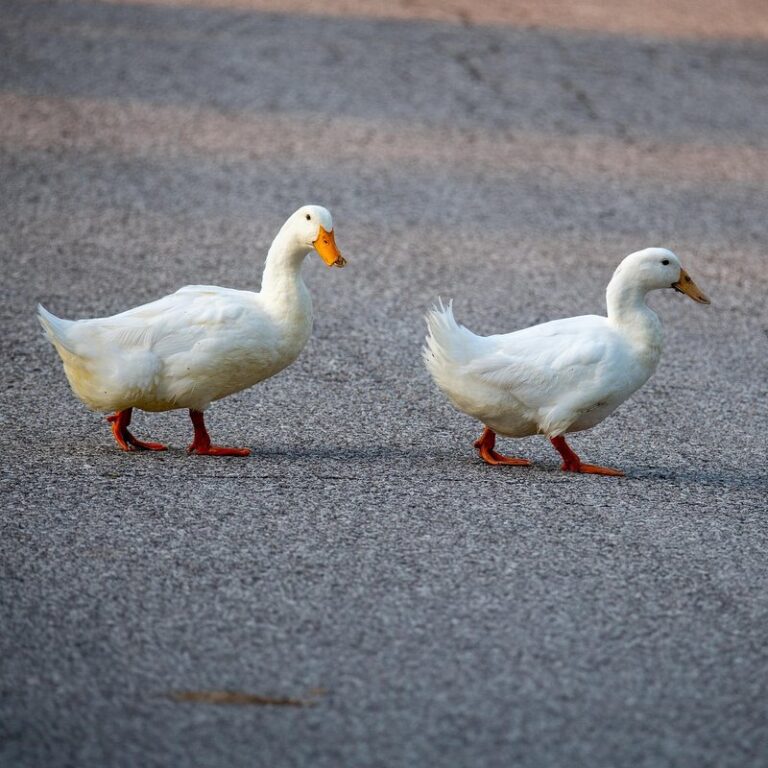
Pekin ducks are medium-sized waterfowl with a sturdy build and broad bodies. They typically weigh between 8-12 pounds (3.6-5.4 kg), making them suitable for small farms or backyard flocks. In terms of size, Pekin ducks can grow up to 20 inches (50 cm) in length, including their tail feathers.
Their feathering is another distinctive characteristic of Pekin ducks. They have a smooth, glossy coat that’s predominantly white, with some males displaying a hint of yellow on their heads and necks during breeding season. Pekin ducklings, born without down feathers, develop soft, fluffy plumage within the first few weeks of life.
Temperament-wise, Pekin ducks are known for being docile and relatively easy-going. They’re social birds that thrive in flocks and can become quite tame if handled regularly from an early age. This trait makes them a popular choice among farmers and hobbyists alike. However, Pekin ducks do have a strong instinct to escape, so it’s essential to provide them with secure fencing and adequate shelter.
In terms of behavior, Pekin ducks are naturally foraging birds that’ll happily root around in the yard or underbrush for insects, seeds, and other treats. As such, they require regular exercise and mental stimulation to prevent boredom and stress.
Breeding Pekin Ducks
Breeding Pekin ducks requires attention to detail and a solid understanding of their reproductive needs, including mating rituals and brood management. Understanding these factors will help you raise healthy ducklings successfully.
Choosing Healthy Ducklings
When selecting healthy ducklings from a reputable breeder or hatchery, it’s essential to look for specific physical characteristics and behaviors. First, inspect the ducklings’ eyes, ears, and beaks for any signs of infection or abnormalities. Look for clear, open nostrils and pink, moist nares. Healthy ducklings should also have shiny, smooth feathers and a well-proportioned body.
Check the ducklings’ movement and behavior as they interact with their surroundings. Healthy ducklings should be active, curious, and alert, but not overly aggressive or fearful. Observe how they respond to their mother’s presence – healthy ducklings will typically stay close to her and follow her lead.
A reputable breeder or hatchery should provide documentation on the ducklings’ vaccination history and health status. Ask about any health guarantees or warranties offered by the seller. When selecting individual ducklings, consider their overall appearance, temperament, and potential for growth and development. It’s also a good idea to choose ducklings from different sires to minimize inbreeding and genetic issues.
Caring for Pregnant Males and Females
When a female Pekin duck becomes pregnant, it’s essential to provide her with a suitable nesting box to lay her eggs. The nesting box should be at least 12 inches wide and 18 inches long, with a depth of about 6-8 inches. Line the box with soft bedding like straw or hay to prevent discomfort and injury to the duck during laying.
A pregnant male Pekin duck requires no special care beyond its regular diet and exercise routine. However, it’s crucial to ensure that both males and females have access to fresh water at all times. A good rule of thumb is to provide a minimum of 1 gallon of water per duck per day. You can also supplement their diet with calcium-rich foods like crushed oyster shells or dark leafy greens to support eggshell production.
Regular health checks are vital during pregnancy, as the female duck may experience symptoms such as lethargy, loss of appetite, or changes in droppings. Keep an eye out for these signs and consult a veterinarian if you notice any unusual behavior. It’s also essential to maintain good hygiene around the nesting box, changing bedding regularly to prevent bacterial growth.
Housing Pekin Ducks
When it comes to keeping Pekin ducks, providing a suitable environment is crucial for their well-being. This includes setting up a safe and comfortable coop that meets their unique needs.
Coop and Run Requirements
When designing a coop and run for your Pekin ducks, consider their natural behavior and instinct to forage. A minimum of 2 square feet per duck is recommended for the coop, with at least 5-6 square feet of outdoor space for each bird in the run.
The coop itself should be well-ventilated, with windows or vents to allow airflow and prevent ammonia buildup from droppings. The walls and floor should be sturdy enough to withstand potential damage from scratching or pecking. A secure, predator-proof roof is crucial to protect your ducks from aerial threats.
For the run, you’ll want to provide a combination of covered and uncovered areas to give your ducks options for shelter and sun exposure. Fencing should be at least 3 feet high to prevent flying escapees, with sturdy posts and secure gates to maintain containment.
When building or selecting a coop and run, also consider accessibility features like nesting boxes, perches, and feeding areas that make it easy to care for your ducks without compromising their health and well-being.
Shelter and Protection from Weather
Pekin ducks require protection from harsh weather conditions, such as strong winds, heavy rain, and extreme temperatures. The shelter should provide adequate ventilation to prevent moisture buildup and ammonia levels from rising. A covered run or a gazebo with netting can help shield the birds from wind and sun.
A sturdy coop with a waterproof roof is essential for keeping Pekin ducks dry in rainy weather. Consider adding a canopy or an awning to create additional sheltered space. In hot climates, provide shade cloth or tarps to block direct sunlight. Conversely, in cold climates, add insulation to the coop walls and floor to retain warmth.
If you live in an area with severe weather conditions, consider installing a windbreak or snow fence around the run to protect your Pekin ducks from extreme winds and drifting snow. Ensure that the shelter is well-drained to prevent flooding and maintain a dry living environment for the birds.
Keep in mind that Pekin ducks are prone to respiratory issues; thus, it’s crucial to ensure their shelter is well-ventilated and free of drafts. Regularly inspect the coop and run to identify any potential hazards and make necessary adjustments.
Feeding and Nutrition
When it comes to keeping Pekin ducks, providing them with a nutritious diet is crucial for their health and well-being. A balanced feeding routine will help ensure your feathered friends thrive.
Duck-Specific Dietary Needs
Pekin ducks are opportunistic omnivores, which means they require a balanced diet that includes both plant and animal matter. A high-quality commercial duck pellet should form the foundation of their diet, as it provides essential nutrients like protein, vitamins, and minerals. However, a varied diet is crucial to ensure they receive all the necessary components for optimal health.
Provide fresh fruits and vegetables daily, such as leafy greens, carrots, and apples. Avoid giving them high-starch or high-sugar foods like bread, potatoes, and sugary treats, which can lead to digestive issues. It’s also essential to provide a source of protein, like mealworms or crickets, one to two times a week.
A good rule of thumb is to feed your Pekin ducks 1/4 to 1/2 pound of food per duck per day, depending on their age, size, and level of activity. Divide their daily ration into two to three meals to prevent overeating and promote healthy digestion. Consider offering treats like sunflower seeds or chopped nuts in moderation, but avoid giving them too frequently as they can be high in fat.
Supplements and Treats
Pekin ducks have specific dietary needs, but sometimes it’s beneficial to provide supplements and treats to ensure they’re getting all the nutrients they require. A balanced diet should be the foundation of their nutritional intake, but these extras can help fill gaps.
A high-quality layer feed or duck pellets is the primary source of nutrition for Pekin ducks. However, some owners choose to supplement with crushed oyster shells to provide essential minerals like calcium and phosphorus for strong bone growth. A small amount of dried mealworms or crickets can also be a nutritious treat, rich in protein.
Other common supplements include probiotics, which support digestive health by introducing beneficial bacteria into the duck’s gut. This is especially useful during times of stress, such as molting or illness. Some owners also use vitamin and mineral powders specifically formulated for poultry to fill any nutritional gaps.
When adding supplements or treats to your Pekin ducks’ diet, it’s essential to do so in moderation. A general rule of thumb is to not exceed 10% of their daily calorie intake from supplements. This means that if your duck eats a pound of feed per day, no more than one-tenth of a pound should come from supplemental sources.
Health and Hygiene
Keeping Pekin ducks healthy requires attention to their diet, living conditions, and regular maintenance of their coop and run. Proper health and hygiene practices are crucial for preventing diseases in your flock.
Common Health Issues in Pekin Ducks
Pekin ducks are prone to several health issues that can be prevented or managed with proper care. Respiratory problems, such as pneumonia and bronchitis, are common due to the breed’s tendency to overheat and humidity fluctuations in their environment. These conditions can be caused by poor ventilation, high ammonia levels from excessive droppings, or viral infections.
Mites and lice infestations are also prevalent among Pekin ducks. Mites feed on blood, causing stress, anemia, and discomfort for the birds. Lice infestations, while less severe, can cause irritation and lead to secondary bacterial infections if left untreated.
Signs of mite or lice infestation include excessive preening, restlessness, and visible pests attached to feathers or skin. Regular inspections, especially during molting periods when pests are more active, are crucial for early detection. Treatment involves using pesticides specifically designed for poultry, following the product instructions carefully to avoid harming your ducks.
To prevent respiratory problems, ensure good airflow within coops by providing adequate ventilation and maintaining a clean environment. Regularly cleaning out droppings and changing bedding can help reduce ammonia levels and minimize the risk of disease transmission.
Maintaining Cleanliness and Preventing Disease
Regular cleaning is essential for maintaining a healthy environment for your pekin ducks. Remove soiled bedding at least once a week and replace it with fresh material like straw or wood shavings. This will prevent the buildup of bacteria, fungi, and other pathogens that can cause disease.
Clean food and water dishes daily to ensure your ducks always have access to clean drinking water and nutritious food. Use a disinfectant specifically designed for animal enclosures to wipe down surfaces, including feeding troughs, water containers, and nesting boxes. This will help reduce the risk of illness transmission among your flock.
It’s also crucial to maintain proper ventilation in your duck coop. Ensure there are adequate windows and vents to allow fresh air to circulate, which will help prevent ammonia buildup from droppings. You can further improve airflow by installing a fan or adding additional ventilation openings.
Some common health issues in pekin ducks include respiratory problems, digestive disorders, and skin infections. These conditions often arise from unhygienic living conditions, poor nutrition, or inadequate healthcare practices. By staying on top of cleaning and maintaining your duck’s environment, you can significantly reduce the risk of disease and create a healthy, thriving flock.
Raising Ducklings
Raising ducklings can be a fun and rewarding experience, but it requires attention to their specific needs, such as warmth, nutrition, and social interaction. Proper care from day one will set them up for a happy and healthy life.
Tips for Raising Orphaned or Abandoned Ducklings
When caring for orphaned or abandoned ducklings, it’s essential to provide a safe and nurturing environment until they can be rehomed. First, ensure their basic needs are met: warmth, hydration, and nutrition. A heat source, such as a heat lamp or a warm brooder, is crucial to maintain the duckling’s body temperature at around 90°F (32°C). Provide a shallow dish of fresh water for drinking and another for soaking, as ducklings need access to clean water at all times.
A suitable diet for orphaned ducklings consists of starter feed or a high-protein commercial duckling feed. Avoid using regular chicken feed as it may not provide the necessary nutrients. Supplement their diet with crushed eggshells for calcium and a few breadcrumbs for fiber. Monitor their stool quality, as any signs of diarrhea can quickly dehydrate them.
Check local animal shelters or rescue groups to find potential adoptive families. In the meantime, keep orphaned ducklings in a separate enclosure within your main coop to prevent stress on other birds. Ensure their environment is escape-proof and predator-safe. Keep the enclosure clean by changing bedding regularly and disinfecting food and water dishes daily. By providing proper care and attention, you can help these young ducks grow strong and healthy until they find their forever homes.
Integrating New Ducks into the Flock
When introducing new ducks to your existing flock, it’s essential to do so gradually to prevent stress and potential aggression. Start by keeping the new arrivals separate from the main group for a few days to allow them to get accustomed to their new surroundings.
Begin by placing the new ducklings in a separate enclosure adjacent to the main coop, where they can see and smell the other ducks without direct contact. This visual introduction phase is crucial in helping them become familiar with each other’s presence.
Once the new arrivals seem comfortable and relaxed in their temporary quarters, you can start introducing them to the main flock under close supervision. Begin by allowing them to share a fence or enclosure for short periods, monitoring their behavior closely for signs of aggression or stress.
If everything goes smoothly, you can gradually increase their interaction time until they’re fully integrated into the flock. Be cautious not to overcrowd the coop, as this can exacerbate existing issues and create more problems than it solves.
Advanced Pekin Duck Care
For experienced duck keepers, providing optimal care for your Pekin ducks requires a deeper understanding of their specific needs and requirements. This includes specialized knowledge on nutrition, health checks, and environmental considerations.
Water Quality Management
Regular water testing is crucial for maintaining optimal conditions for your duck flock. You should test for pH levels, as Pekin ducks prefer a slightly acidic to neutral environment (pH 6.5-7.5). Aim for a pH range that falls within this spectrum, adjusting the levels if necessary. High or low pH can cause stress and discomfort for your ducks.
Water hardness is another critical aspect to monitor. Soft water with low calcium levels may lead to kidney problems in ducks. Conversely, hard water with high calcium levels can also be detrimental. A balanced water hardness of 1-10 parts per million (ppm) is ideal.
Maintain a water turnover rate of at least 25% every day by changing the water completely or partially replacing it. This helps prevent bacterial growth and contamination. For smaller flocks, you may want to test for nitrate levels as well, which can accumulate in stagnant water. If your tap water has high nitrates, consider using a water filter or collecting rainwater instead.
Regularly inspecting the water source and cleaning equipment will also help maintain optimal conditions. Ensure that the water container is clean and free of algae growth to prevent contamination.
Record Keeping and Breeding Programs
When setting up a breeding program for your Pekin ducks, record keeping is essential to track progress, identify patterns, and make informed decisions about which birds to breed. Start by creating a breeding log where you note the date, duckling sex, weight, and parentage of each new generation. Include space to record health issues, vaccination records, and any notable characteristics.
Track key metrics such as fertility rates, hatchability, and growth rates to identify areas for improvement. This will help you determine which birds are contributing positively or negatively to your breeding program. For example, if a particular duck has consistently produced healthy offspring with desirable traits, consider retaining her in future breeding plans.
To select the best birds for breeding, evaluate each individual based on characteristics such as egg-laying ability, growth rate, and feather quality. Consider factors like genetic diversity, temperament, and fertility when making selection decisions. A balanced breeding program will aim to combine these desirable traits while minimizing the risk of inherited health issues or inbreeding depression. By prioritizing record keeping and data-driven decision-making, you’ll be able to refine your breeding program over time and produce high-quality Pekin ducks for generations to come.
Frequently Asked Questions
Can I keep Pekin ducks in cold climates?
Yes, but it’s essential to provide adequate shelter and protection from extreme weather conditions. In colder climates, ensure the coop is insulated, and the run has sufficient cover to prevent frostbite.
How often should I collect eggs from my Pekin duck flock?
Collecting eggs daily or every other day will help prevent breakage and maintain cleanliness in the nesting box. It’s also an excellent opportunity to monitor egg quality and detect any potential health issues early on.
What if my Pekin ducks are not laying eggs? Should I be concerned about their fertility?
Yes, a lack of egg-laying can indicate underlying health issues or nutritional deficiencies. Consult with a veterinarian or experienced breeder to determine the cause and implement corrective measures, such as adjusting their diet or providing supplements.
Can I mix Pekin ducks with other breeds in my backyard flock?
Mixing breeds can be challenging due to differences in temperament and size. Introduce new birds slowly and under close supervision to minimize stress and ensure a harmonious coexistence.
How do I know if the water quality in my duck pond is suitable for my Pekin ducks? What are some common issues to look out for?
Water quality management is crucial to maintain healthy ducklings. Regularly test for pH, ammonia, and bacterial levels. Be aware of signs such as cloudy or greenish water, strong odors, or algae growth, which can indicate poor water quality.
Can I use an automatic egg collector for my Pekin ducks, or should I stick with manual collection?
An automatic egg collector may be suitable for large commercial flocks but might not be practical for smaller backyard operations. Consider the specific needs and management style of your flock when deciding on a collection method.