
Pollinators like bees, butterflies, and hummingbirds are essential for our ecosystem, but their populations have been declining due to habitat loss and fragmentation. Creating pollinator-friendly hedgerows can help address this issue by providing a network of corridors for these creatures to thrive in. Not only do these plantings support biodiversity, but they also offer mental health benefits through exposure to nature, reducing stress levels, and promoting well-being. By incorporating native plants into your local landscape, you can enhance ecosystem services such as pest control, soil quality improvement, and climate regulation. In this article, we’ll explore the value of pollinator hedgerow plantings in boosting biodiversity and supporting mental health, while also examining their role in sustaining ecosystem services for a healthier environment.
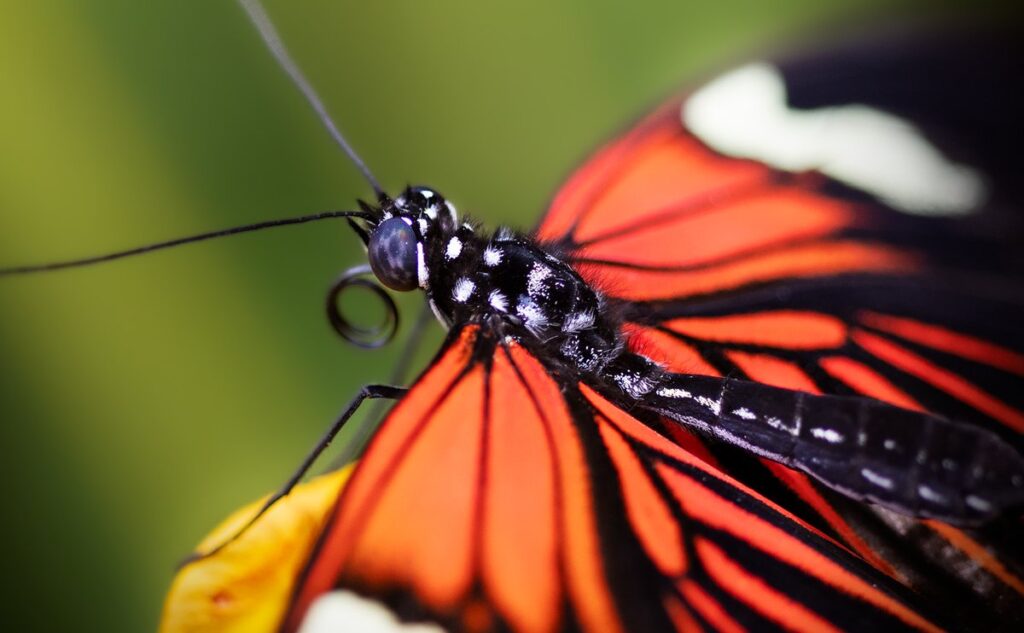
Benefits of Pollinator Hedgerows
Pollinator hedgerows offer numerous benefits, including increased biodiversity and improved ecosystem health. By incorporating these plantings into your landscape, you’ll be supporting a thriving environment for bees and other beneficial pollinators.
Improving Local Biodiversity
Pollinator hedgerows play a vital role in improving local biodiversity by increasing species richness and creating habitats for native plants and animals. By planting a variety of flowers, shrubs, and trees that are native to the region, you can provide a haven for local wildlife. This is particularly important as many areas have seen a decline in wildflower populations due to urbanization and intensive farming practices.
When designing your pollinator hedgerow, consider incorporating a mix of annuals and perennials, which will attract a range of insects throughout the growing season. Some key species to include are lavender, coneflower, and black-eyed Susan, as these are rich in nectar and pollen. Also, think about including native grasses like little bluestem or big bluestem, which provide shelter and food for pollinators.
In addition to planting a diverse range of species, consider the layout of your hedgerow. By creating a mix of open areas and dense shrubs, you can mimic natural habitats found in meadows and woodlands. This will allow different species to thrive and create a vibrant ecosystem that benefits both pollinators and other local wildlife.
Supporting Mental Health and Wellbeing
Exposure to nature has been shown to have a profound impact on mental health and wellbeing. Being surrounded by green spaces can reduce stress levels, improve mood, and even alleviate symptoms of anxiety and depression. The calming effects of nature are thought to be due to the reduction in cortisol levels, which is often referred to as the “stress hormone”. By creating pollinator hedgerows, you’re not only supporting local biodiversity but also cultivating a haven for mental rejuvenation.
Research suggests that spending time in green spaces can increase feelings of calm and relaxation by up to 50%. This is particularly evident when individuals are exposed to natural environments with high levels of biodiversity, such as those found in pollinator hedgerows. The combination of native wildflowers, shrubs, and trees provides a rich tapestry for mental recovery.
To maximize the mental health benefits of your pollinator hedgerow, consider incorporating elements that promote sensory engagement, such as aromatic plants like lavender or rosemary. These can be strategically placed to create pockets of fragrance throughout the hedgerow. Additionally, consider creating seating areas or walking paths to encourage visitors to linger and appreciate the surroundings. By doing so, you’ll not only be supporting local pollinators but also fostering a haven for mental wellbeing.
Enhancing Ecosystem Services
Pollinator hedgerows play a vital role in maintaining ecosystem services. One of the most significant benefits is pollination. By attracting bees and other pollinators, these hedgerows enable plants to reproduce, ensuring the continuation of plant species and ultimately contributing to food production. In fact, it’s estimated that around 1/3 of the world’s crops rely on animal pollination, with many more benefiting from wind or self-pollination.
Pollinator hedgerows also provide pest control services. By attracting beneficial insects like ladybugs and lacewings, these hedgerows help to regulate pest populations, reducing the need for pesticides and maintaining a balance in ecosystems. For example, some plants like lavender and rosemary are known to repel pests that can damage crops.
In addition to pollination and pest control, pollinator hedgerows also contribute to climate regulation. By providing shade and shelter from extreme weather conditions, these hedgerows help to stabilize local microclimates. This is particularly important in urban areas where green spaces are often limited. By incorporating pollinator-friendly plants into their design, gardeners can create a more resilient ecosystem that better withstands the impacts of climate change.
Some key plant species to consider when creating a pollinator hedgerow for ecosystem services include shrubs like blackthorn and hawthorn, which provide food and shelter for beneficial insects.
Planning a Pollinator Hedgerow Project
When creating a pollinator hedgerow, one of the first steps is to plan out your project carefully, taking into account factors like space and budget. Considerations will drive your decisions about plant selection and design.
Assessing Your Site Conditions
When evaluating your site conditions for a pollinator hedgerow project, there are several key factors to consider. Start by assessing the soil type on your land. Is it heavy clay, light sand, or somewhere in between? Different plants thrive in different soils, so choose species that are adapted to your local conditions. For example, if you have alkaline soil, select plants like lavender and rosemary that prefer a slightly basic pH.
Next, consider the amount of sunlight your site receives. Pollinators need warm sunshine to be active, so choose a location that gets at least six hours of direct sunlight per day. You can also take into account any existing vegetation on your land. Is it dominated by grasses or weeds? Consider incorporating native wildflowers and grasses that will attract pollinators and outcompete invasive species.
Another important factor to consider is the layout of your site. Are there any slopes, hills, or other features that could impact drainage or soil stability? You may need to modify your design to accommodate these conditions. Take note of any nearby water sources, as these can be essential for pollinator-friendly plants during dry periods. By carefully evaluating these factors, you’ll be well on your way to creating a thriving pollinator hedgerow.
Choosing the Right Plants
When choosing plants for a pollinator hedgerow, it’s essential to prioritize native species that are well-suited to your local climate and soil conditions. Native wildflowers such as black-eyed Susan (Rudbeckia hirta), coneflower (Echinacea purpurea), and butterfly milkweed (Asclepias tuberosa) are excellent choices, as they provide a rich source of nectar and pollen for pollinators.
When selecting plants, consider the different flower types that will bloom at various times to provide a constant source of food for pollinators throughout the growing season. For example, early-blooming flowers like crocus (Crocus spp.) and grape hyacinth (Muscari armeniacum) provide essential nectar in late winter and early spring, while mid-summer bloomers like lavender (Lavandula spp.) and cosmos (Cosmos bipinnatus) offer a vital source of food during the hottest months.
In addition to flower type and blooming period, consider the specific pollinator needs for your area. For example, bees are particularly attracted to plants with deep, tubular flowers that allow them to access nectar easily, such as trumpet-shaped flowers like honeysuckle (Lonicera spp.) or fuchsia (Fuchsia spp.).
Designing a Hedgerow Layout
When designing a hedgerow layout for pollinators, it’s essential to strike a balance between planting density and species mixing. Overcrowding can lead to competition for resources like light, water, and nutrients, while underplanting may not provide enough habitat complexity for pollinators.
A general rule of thumb is to plant trees at 3-4 meters apart, with shrubs spaced around 1-2 meters apart, and wildflowers scattered throughout. This allows for a diverse mix of species to thrive without overcrowding. Consider creating layers within your hedgerow by planting taller species towards the north or west to avoid shading smaller plants.
When selecting plants, choose native species that bloom at different times to provide a constant source of nectar and pollen. For example, plant early-blooming flowers like winter aconite in spring, followed by summer-flowering species like lavender and rosemary. This structure will attract pollinators throughout the growing season. Additionally, incorporate habitat features like rocks, logs, or birdhouses to provide shelter and nesting sites for beneficial insects and animals.
Plant Selection for Pollinator Hedgerows
When choosing plants for your pollinator hedgerow, selecting a diverse range of species is crucial to provide a constant source of nectar and pollen throughout the growing season. Let’s explore some key considerations when selecting these essential plants.
Native Wildflowers and Grasses
Native wildflowers and grasses are a crucial component of pollinator hedgerows. These plants have co-evolved with native pollinators over thousands of years, providing them with the necessary resources for survival. Look for species that are native to your region, as they will be more resilient and require less maintenance.
For example, in North America, wildflowers like coneflower (Echinacea spp.) and black-eyed Susan (Rudbeckia hirta) are popular choices for pollinator hedgerows. These flowers provide a rich source of nectar and pollen, which are essential for bee nutrition. Meanwhile, native grasses like little bluestem (Schizachyrium scoparium) and indiangrass (Sorghastrum nutans) offer shelter and nesting sites for beneficial insects.
When selecting native wildflowers and grasses, consider factors such as soil type, sunlight, and moisture levels. Choose species that thrive in your local conditions to minimize the need for fertilizers, pesticides, or irrigation. Some examples of low-maintenance native grasses include switchgrass (Panicum virgatum) and big bluestem (Andropogon gerardii). By incorporating these plants into your pollinator hedgerow design, you can create a thriving ecosystem that supports local biodiversity and attracts pollinators.
Shrub Species and Their Roles
When selecting shrub species for a pollinator hedgerow, consider plants that provide shelter and habitat creation. For example, dogwood (Cornus spp.) offers dense foliage to protect pollinators from harsh weather conditions. Other options like hawthorn (Crataegus spp.) and blackthorn (Prunus spinosa) have thorny branches that create a haven for beneficial insects.
A mix of evergreen and deciduous shrubs is essential, as they provide year-round shelter and habitat diversity. For instance, winter-flowering shrubs like mahonia (Mahonia aquifolium) offer nectar-rich flowers in the cold months when other sources are scarce. In contrast, summer-blooming shrubs such as lavender (Lavandula spp.) attract pollinators with their fragrant flowers.
When choosing shrub species, also consider their mature size and growth habits to ensure they don’t overcrowd the hedgerow or compete with native wildflowers for resources. For example, compact varieties of shrubs like boxwood (Buxus sempervirens) can be used as a hedge layer, while larger species like pyracantha (Pyracantha coccinea) can provide a backdrop for other plants.
In addition to their structural roles, certain shrub species also offer additional benefits. For example, some shrubs have fragrant flowers that attract pollinators, or others have seed heads that persist through winter, providing food for birds and small mammals.
Tree Planting Strategies
When selecting tree species for pollinator hedgerows, consider planting a mix of fruit trees and nut trees to provide a diverse range of food sources. Apple (Malus domestica), cherry (Prunus avium), and plum (Prunus domestica) trees are popular choices as they produce nectar-rich flowers that attract pollinators like bees and butterflies. Walnut (Juglans regia) and hazelnut (Corylus avellana) trees also provide a valuable source of pollen for solitary bees.
In addition to food sources, tree planting can also create nesting sites for pollinators. For example, dead branches on mature trees can serve as a habitat for solitary bees like mason bees and leafcutter bees. Consider leaving some deadwood intact during pruning or even incorporating it into the hedgerow design. Some tree species, such as oak (Quercus robur) and beech (Fagus sylvatica), have broad canopies that provide shelter from harsh weather conditions.
When choosing trees for your pollinator hedgerow, prioritize species with a moderate to slow growth rate to ensure they don’t shade out smaller plants. Also, consider planting multiple trees of the same species in close proximity to create a continuous source of food and habitat for pollinators.
Maintenance and Management of Pollinator Hedgerows
To keep your pollinator hedgerow thriving, it’s essential to maintain a regular pruning schedule to promote healthy growth and prevent overgrowth. Regular checks will also help you identify potential issues early on.
Regular Pruning and Grooming
Regular pruning and grooming are essential for maintaining the health and vibrancy of pollinator hedgerows. Pruning helps control pests and diseases by removing weak or damaged branches that can harbor insects and fungi. It also promotes blooming by encouraging healthy growth and development.
Prune shrubs in late winter or early spring, before new growth begins. Cut back any dead, diseased, or damaged branches to the ground, making clean cuts just above a bud or a lateral branch. This will help prevent the spread of disease and encourage new growth from the base of the plant.
For trees, prune in late winter or summer when they are dormant. Remove any crossing or rubbing branches that can cause damage to the tree’s bark. Also, cut back any suckers that grow from the roots or lower trunk, as these can divert energy away from the rest of the tree.
Grooming involves removing weeds and debris from around the plants, which helps prevent competition for water and nutrients. Regularly mowing or strimming the hedgerow’s grassy areas also keeps it looking tidy and encourages healthy growth. By incorporating regular pruning and grooming into your maintenance routine, you can help ensure your pollinator hedgerow remains a thriving haven for bees and other beneficial insects.
Watering and Irrigation Strategies
When it comes to watering pollinator hedgerows, efficient methods can make a significant difference. Rainwater harvesting is an excellent approach, as it reduces reliance on municipal water sources and provides a natural source for plants. Consider installing a rainwater collection system with a suitable storage tank to hold excess rainfall during heavy downpours.
Drip irrigation systems are also effective for pollinator hedgerows. These systems deliver water directly to the roots of plants, reducing evaporation and runoff. This method is particularly useful in areas with low rainfall or where soil moisture levels need careful management. A drip irrigation system can be set up using a network of tubes and emitters that release water as needed.
In addition to these methods, mulching around plant bases helps retain soil moisture and suppress weeds. Mulch also provides insulation against temperature fluctuations, reducing the risk of frost damage during winter months. By combining efficient watering strategies with thoughtful planting design, you can create a thriving pollinator hedgerow that supports local bee populations.
Monitoring and Evaluation Techniques
Monitoring and evaluation are crucial steps in assessing the success of your pollinator hedgerow project. Regularly tracking changes in your habitat will help you identify areas for improvement and make data-driven decisions. Start by conducting habitat surveys at different times of the year to record changes in plant species, density, and diversity.
Species counts can be a valuable tool in monitoring biodiversity. Record the number of pollinators visiting flowers and note any notable species or events. You can also use camera traps or citizen science projects to monitor local wildlife. When evaluating your hedgerow’s success, consider metrics like increased pollinator visits, improved plant growth, and enhanced ecosystem services.
For a more comprehensive understanding, conduct regular surveys using the following criteria:
- Plant density and diversity
- Pollinator species and numbers
- Habitat structure (e.g., number of flowers, shrubs, and trees)
- Soil quality and moisture levels
By regularly monitoring and evaluating your pollinator hedgerow, you’ll be able to identify areas for improvement and make adjustments to ensure the long-term health and biodiversity of your ecosystem. This data will also help you refine your planting strategies and contribute valuable insights to the broader field of pollinator conservation.
Frequently Asked Questions
Can I create a pollinator hedgerow in a small backyard or urban space?
Yes. While larger spaces can accommodate more diverse plant species, even a small area can provide essential habitat for pollinators by selecting the right plants and considering vertical planting options.
How do I know if my soil is suitable for a pollinator hedgerow?
Assess your site conditions by testing pH levels and nutrient content. Consider consulting with a local nursery or gardening expert to determine which native species will thrive in your specific soil type. Native plant selection can help mitigate potential soil-related issues.
Can I use the same design principles for a pollinator garden versus a hedgerow?
While both can benefit from similar design elements, such as diversity and habitat structure, a hedgerow typically involves more linear planting and may incorporate shrubs or trees for added shelter and food sources. Consider these key differences when adapting designs.
What if I live in an area with frequent strong winds – how do I protect my pollinator hedgerow?
Yes. Strong winds can be challenging. To mitigate damage, plant species that are naturally wind-resistant, such as shrubs or trees, and consider using a trellis or support system for more delicate plants like wildflowers.

