
As you consider ways to enhance your landscape’s biodiversity, have you thought about creating a pollinator field? These areas are specifically designed to attract bees and butterflies, providing them with the resources they need to thrive. By planting native flowers that offer nectar and pollen, you’re not only supporting local wildlife but also contributing to the health of your ecosystem. Pollinator fields can be just as valuable for farmers and gardeners as they are for pollinators – studies have shown that conserving pollinators can increase crop yields and reduce pest management costs. In this guide, we’ll walk through designing, planting, and maintaining a successful pollinator field, highlighting the economic benefits of conservation and offering practical tips on integrating these fields into existing landscapes. By the end of this article, you’ll be able to design and establish your own pollinator-friendly area that supports local bees and butterflies.
Understanding the Importance of Pollinator Fields
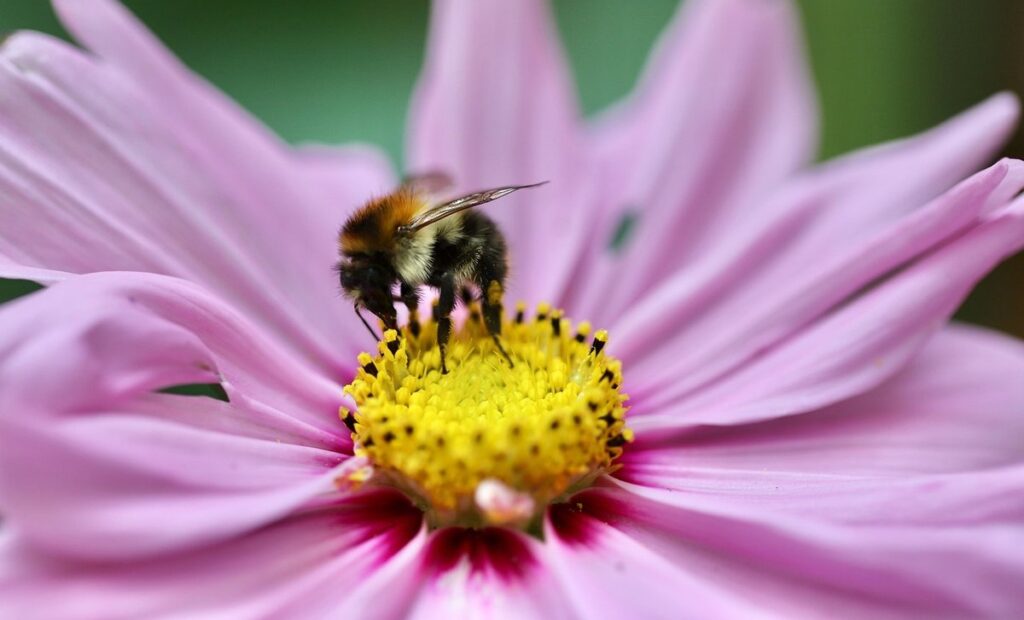
Pollinators like bees and butterflies play a vital role in our ecosystem, making it essential to understand the importance of creating pollinator-friendly habitats. By establishing pollinator fields, you can contribute to their survival and well-being.
The Role of Pollinators in Ecosystem Health
Pollinators play a vital role in maintaining ecosystem health by facilitating plant reproduction. Without pollinators like bees, butterflies, and hummingbirds, many plants would be unable to produce seeds or fruit, which are essential for their survival. This has significant implications for food production, as nearly 1/3 of the world’s crops, including fruits, vegetables, and nuts, rely on pollination.
The impact of pollinators is not limited to food production; they also contribute to ecosystem services like pest control and nutrient cycling. For example, some bees are natural predators that feed on aphids and other pests, reducing the need for pesticides. Additionally, as plants produce flowers, they release pollen and nectar, which provides a source of nutrition for pollinators.
The consequences of pollinator decline are severe. In the United States alone, it’s estimated that 75% of bee species and 33% of butterfly species have experienced declines in recent years. This can lead to reduced crop yields, decreased food quality, and even extinctions. By establishing pollinator fields, we can create habitats that support these vital creatures and help mitigate these effects.
Threats to Pollinator Populations
Habitat loss is one of the most significant threats to pollinator populations. As natural areas are converted into agricultural land, urban development, and other human-dominated landscapes, pollinators struggle to find suitable habitats. For example, a study found that bee populations have declined by 23% in the UK due to habitat loss alone.
Pesticide use is another major threat. Many common pesticides, such as neonicotinoids, have been shown to harm or kill bees and other pollinators. These chemicals can accumulate in pollen and nectar, making it difficult for pollinators to avoid exposure. To reduce the impact of pesticide use on your pollinator field, choose Integrated Pest Management (IPM) methods that prioritize natural control agents.
Climate change is also taking a toll on pollinators. Rising temperatures and changing precipitation patterns disrupt the delicate timing of plant-pollinator interactions. This can lead to mismatches between plants and pollinators, reducing the effectiveness of pollination services. In addition, droughts caused by climate change can limit the availability of resources for pollinators.
Urbanization is a growing threat, as cities expand into surrounding areas. Urban gardens and green spaces often lack the diversity of plant species needed to support healthy pollinator populations. To mitigate this issue, consider incorporating a mix of native plants that provide nectar and pollen sources in your pollinator field.
The Economic Benefits of Pollinator Conservation
Conserving pollinators has significant economic benefits that extend beyond the environmental advantages. For farmers, increased crop yields and reduced pesticide use are two key advantages of pollinator conservation. By creating a pollinator-friendly environment, farmers can reduce their reliance on chemical pesticides, which not only harm pollinators but also contaminate soil and water. In addition to these benefits, pollinator conservation can also create new job opportunities in the beekeeping industry. Many communities are establishing local honey production programs, providing income for beekeepers and promoting the sale of locally produced honey.
In the United States alone, the value of pollination services provided by bees is estimated at around $15 billion annually. This is a staggering figure that underscores the importance of pollinator conservation in supporting agricultural productivity. By planting pollinator-friendly species and reducing pesticide use, farmers can help to maintain healthy pollinator populations, which in turn will support higher crop yields and reduce production costs.
Beekeepers play a crucial role in maintaining healthy pollinator populations, and their work is essential for supporting the economic benefits of pollinator conservation.
Designing a Pollinator-Friendly Field
When designing a pollinator-friendly field, it’s essential to consider the specific needs of local bees and butterflies, including their preferred flowers and habitat requirements. Choosing the right plants is a crucial first step in creating a thriving ecosystem.
Choosing the Right Location for Your Pollinator Field
When selecting a location for your pollinator field, several key factors come into play. First and foremost, consider the amount of sunlight the area receives. Most pollinators require full sun to partial shade, so choose a spot that gets at least 6 hours of direct sunlight per day.
Soil quality is another crucial consideration. Pollinators need access to nutrient-rich soil to support their growth and development. Test your soil to determine its pH level and nutrient content, and amend it as necessary. A mix of sandy loam and clay soils tends to work well for pollinator fields.
Proximity to water sources is also essential. While most adult pollinators don’t need water, many species require shallow water or mud puddles for drinking and egg-laying. Ensure that your field has access to a reliable water source within 10-20 feet of the planting area. Avoid areas with standing water or high humidity, as these can attract pests and diseases.
When evaluating potential locations, also consider the surrounding landscape. Aim to create a diverse mosaic of habitats by incorporating native vegetation, trees, and shrubs nearby. This will help support a wide range of pollinator species and create a thriving ecosystem.
Plant Selection for a Diverse Pollinator Community
When selecting plants for your pollinator field, it’s essential to choose a diverse range of species that cater to different types of pollinators. Native flowers are a great starting point, as they provide nectar and pollen that local bees and butterflies have evolved to rely on. Consider planting a mix of annuals and perennials, which will offer a constant source of blooms throughout the growing season.
For bees, look for plants with high nectar content, such as sunflowers (Helianthus annuus), cosmos (Cosmos bipinnatus), and lavender (Lavandula spp.). For butterflies, focus on plants with rich sources of pollen, like butterfly bush (Buddleja davidii) and coneflower (Echinacea spp.).
In addition to flowers, shrubs and trees can also play a crucial role in supporting pollinators. Consider planting native shrubs like lilac (Syringa spp.) or viburnum (Viburnum spp.), which provide shelter and food for pollinators.
When selecting plants, consider the specific needs of your local pollinator community. For example, if you’re trying to attract monarch butterflies, look for plants that are rich in milkweed (Asclepias spp.), their primary host plant. By choosing a diverse range of plants, you can create a thriving pollinator community in your field.
Creating a Pollinator-Friendly Habitat Structure
When designing a pollinator-friendly habitat structure, it’s essential to consider three key elements: nesting sites, food sources, and shelter. For bees, solitary nesting sites are crucial for females to lay their eggs and provide sustenance for their young. Consider incorporating bare ground areas or providing bee hotels with pre-drilled holes of varying diameters to accommodate different species.
Food sources are equally important, as they fuel pollinators throughout the growing season. Plant a mix of nectar-rich flowers that bloom at various times to ensure a constant supply of food. For example, plant early-blooming species like winter aconite or grape hyacinth, followed by mid-summer bloomers such as sunflowers or cosmos.
In addition to these elements, provide shelter for pollinators from harsh weather conditions and predators. Incorporate native plants with dense foliage that offer protection, or install a trellis or arbor to create a windbreak. For butterflies, consider adding a mud puddle to the habitat structure – this will allow them to extract essential minerals from the mud.
A mix of native grasses, shrubs, and flowers will not only provide shelter but also support a diverse range of pollinator species. When selecting plants, choose those that are adapted to your local climate and soil conditions to ensure their long-term health and resilience.
Planting and Maintenance Strategies
To create a thriving pollinator field, it’s essential to choose the right plants for your climate and incorporate maintenance strategies that promote healthy growth. Proper care will ensure a vibrant ecosystem that supports these vital creatures.
Timing Your Plantings for Maximum Pollinator Benefit
When planning your pollinator field, timing is crucial. You want to ensure that your plants are blooming during peak pollinator activity to maximize their benefit. A constant source of nectar and pollen is essential for supporting a diverse pollinator community.
To achieve this, select a mix of plants with different bloom times. For example, choose perennials like coneflowers (Echinacea spp.) that bloom in mid-to-late summer when many other flowers have finished. These will provide a late-season nectar source for bees and butterflies. In contrast, early-blooming plants such as crocuses (Crocus spp.) or grape hyacinth (Muscari armeniacum) can be planted to attract pollinators during the spring.
Consider the specific needs of your region’s pollinator species. Some plants, like lavender (Lavandula spp.), tend to bloom in the cooler months and are particularly attractive to winter-active bees. By selecting a range of plants that cater to different pollinator needs and bloom times, you can create a field that offers a constant source of nectar and pollen throughout the growing season. This diversity will support a thriving pollinator community and maximize the benefits of your pollinator field.
Using Organic Practices to Support Pollinators
When it comes to creating a haven for pollinators, using organic practices is essential. By avoiding synthetic pesticides and opting for natural methods of pest control, you can significantly reduce the harm caused to pollinators. For example, many conventional pesticides can be toxic to bees and butterflies, causing them to die or become disoriented.
Organic practices also promote improved soil health, which is crucial for supporting a diverse range of plant species that pollinators rely on. This is achieved through techniques such as composting, cover cropping, and crop rotation, all of which enhance the soil’s structure and fertility. As a result, your pollinator field will become a hub of biodiversity, attracting a wider variety of plants and animals.
To incorporate organic practices into your pollinator field, start by adopting integrated pest management (IPM) strategies. IPM involves using a combination of techniques such as hand-picking pests, introducing beneficial insects, and applying natural pesticides like neem oil or insecticidal soap. You can also use physical barriers to protect plants from damage. By making these changes, you’ll be creating a safer and more welcoming environment for pollinators in your field.
Monitoring and Evaluating Your Pollinator Field
To ensure your pollinator field is thriving, it’s crucial to regularly monitor its health and effectiveness as a habitat for bees and butterflies. Regular evaluations will help you identify areas for improvement.
Setting Up a Monitoring Program for Your Pollinator Field
When setting up a monitoring program for your pollinator field, you’ll want to use a combination of tools and techniques to assess its effectiveness. This might start with installing bee hotels, which provide solitary bees with a place to nest and lay their eggs. These structures can be made from natural materials like bamboo or wood and should have different diameter holes to accommodate various species.
In addition to bee hotels, consider creating butterfly gardens within your pollinator field. These areas should feature a mix of nectar-rich flowers that bloom at different times, providing a constant source of food for adult butterflies. Plant surveys are another essential tool for monitoring your pollinator field. This involves tracking the types and quantities of plants present, as well as their condition.
You can also use citizen science projects like iNaturalist or eButterfly to engage volunteers in data collection. These platforms allow users to report observations of pollinators and provide valuable insights into population trends. By incorporating these tools into your monitoring program, you’ll gain a more comprehensive understanding of the health and biodiversity of your pollinator field.
Analyzing Data to Inform Management Decisions
When analyzing data from your monitoring program, start by reviewing the metrics you’ve collected. Look at the types of pollinators visiting your field and how often they’re present. This can give you insight into which plants are most attractive to different species and when they’re most active.
Consider using a scoring system to evaluate the health and diversity of your pollinator community. For example, assign points for each type of pollinator observed, with more points given for rare or threatened species. You can also use this data to identify areas where your field may be lacking in terms of plant diversity or habitat structure.
To make informed management decisions, you’ll need to set clear goals and objectives based on your analysis. For instance, if your data shows that a particular type of pollinator is scarce in your field, you might focus on planting more flowers that are rich in nectar or pollen during the time when they’re most active.
Integrating Pollinator Fields into Existing Landscapes
When integrating pollinator fields into existing landscapes, it’s essential to choose the right location and design to maximize their effectiveness and beauty. Consider factors like sunlight and soil quality when selecting a spot for your pollinator field.
Scaling Up Your Pollinator Field Initiative
To scale up your pollinator field initiative, consider integrating it with existing landscape features such as parks, gardens, and green spaces. This can be done by incorporating pollinator-friendly plants into existing maintenance routines or by creating new areas specifically designed for pollinators. For example, a local park could establish a pollinator garden within its grounds, providing a haven for bees and butterflies while also educating visitors about the importance of pollinator conservation.
When integrating your pollinator field with other landscape features, think about how to create a seamless transition between different habitats. This can be achieved by choosing plants that are suitable for both pollinators and existing landscape conditions. For instance, if you’re integrating your pollinator field with a park’s existing lawn, choose plants that can thrive in the same soil type and moisture levels.
Consider the following steps to successfully integrate your pollinator field initiative:
- Collaborate with local parks departments or gardening groups to identify areas for integration
- Conduct a site assessment to determine which plants will thrive in the new location
- Develop a maintenance plan that accounts for both existing landscape needs and new pollinator-friendly plant requirements
Engaging Your Community in Pollinator Conservation Efforts
Engaging local communities is crucial for the long-term success of pollinator conservation efforts. When community members are invested in a project, they become more likely to care for and protect it over time. This can lead to reduced maintenance costs and increased volunteer hours.
One way to engage your community is through education. Offer workshops, guided tours, or online resources that teach people about the importance of pollinators, how to identify different species, and how to create a pollinator-friendly habitat in their own yard. Consider partnering with local schools or community centers to reach a wider audience.
Outreach efforts can also be effective in building a sense of ownership among community members. This might involve creating a pollinator field guide that outlines the specific plants, flowers, and trees planted in your field, along with information on how they support different species of bees and butterflies. You could also establish a volunteer program that allows community members to participate in regular clean-up events or plant maintenance activities.
For instance, the Xerces Society’s pollinator garden project in California involves community members in every stage of the process, from planning to planting to monitoring. This collaborative approach has led to the creation of over 100 gardens across the state, each supporting a diverse range of pollinators.
Frequently Asked Questions
Can I use existing plants in my garden to create a pollinator field?
Yes, incorporating native plants into your existing garden can be a great starting point for creating a pollinator-friendly habitat. However, consider the plant’s species, maturity, and health when selecting them for your pollinator field.
How do I prevent pests from damaging my pollinator plants while minimizing harm to pollinators themselves?
To minimize harm to pollinators, use physical barriers or introduce natural predators of pests like ladybugs or lacewings. Also, consider using neem oil or insecticidal soap as a last resort, applying them at night when pollinators are less active.
What if I don’t have enough space for a dedicated pollinator field? Can I still create a pollinator-friendly habitat?
Even small spaces can support pollinators by incorporating native plants, like herbs and flowers, into your garden. Consider vertical gardens or container plantings to maximize space efficiency while still providing a haven for pollinators.
How do I know if my pollinator field is effective in supporting local pollinator populations?
Monitor the presence of pollinators like bees, butterflies, and hummingbirds by observing them visiting plants in your field. Also, consider using tools like bee hotels or plant surveys to track changes in pollinator activity over time.

