
Honey bee populations are facing an unprecedented crisis, with alarmingly low numbers threatening the very foundation of our food systems. Without bees to pollinate crops, many plants would be unable to reproduce, leading to widespread crop failure and potentially even famine. The consequences of their decline are far-reaching and devastating, making it essential that we take immediate action to protect these vital pollinators. One of the main culprits behind the honey bee’s plight is habitat loss – as natural habitats disappear, bees have fewer places to forage for food and shelter. Climate change, pesticide use, and other human activities also play a significant role in their decline. In this article, you’ll learn about the practical solutions that can help mitigate these threats and save the honey bee population from extinction, giving you the knowledge you need to make a real difference in your own community.
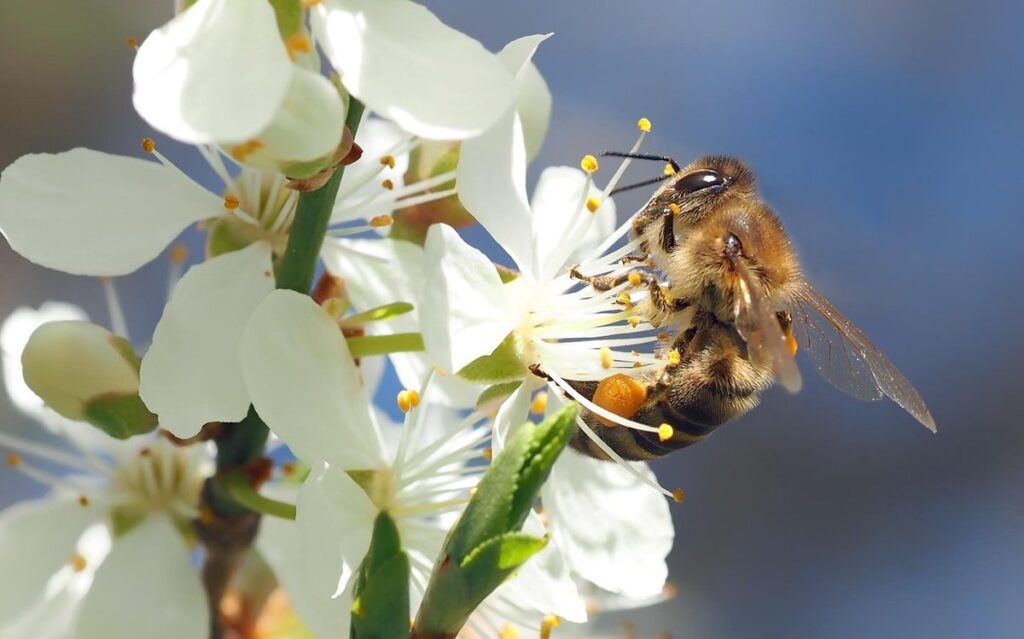
The Alarming Decline of Honey Bee Populations
Honey bee populations have been dwindling at an alarming rate, threatening not only these vital pollinators but also our food supply and ecosystem health. This decline is a pressing issue that requires immediate attention and understanding.
Habitat Loss and Fragmentation
Widespread development, intensive agriculture, and urbanization have led to a significant loss of natural habitats for honey bees. As a result, their food sources are becoming increasingly scarce, making it challenging for them to survive. For instance, the conversion of meadows and wildflower-rich areas into agricultural land or residential zones has reduced the availability of nectar-rich flowers that honey bees rely on.
Habitat fragmentation is another critical issue affecting honey bee populations. When natural habitats are fragmented due to human activities, the remaining patches become isolated from one another. This isolates the local pollinator community, making it difficult for individual colonies to find sufficient food and suitable mates. Studies have shown that even small-scale habitat loss can significantly impact pollinator populations.
In areas with high levels of development, beekeepers often struggle to provide their bees with adequate foraging opportunities. In such cases, supplementing honey bee diets with alternative sources, like sugar water or artificial nectar, may be necessary. However, this is only a temporary solution and does not address the root cause of the problem: habitat loss.
Pesticide Use and Colony Collapse Disorder (CCD)
Pesticide use is a significant contributor to Colony Collapse Disorder (CCD), a phenomenon where bee colonies suddenly disappear. Neonicotinoids, a class of insecticides commonly used in agriculture, have been linked to CCD. These chemicals interfere with bees’ navigation and communication skills, ultimately weakening their immune systems.
Studies have shown that exposure to neonicotinoids can impair bees’ ability to gather nectar and pollen, leading to malnutrition and increased mortality rates. Bees may also become more susceptible to diseases and parasites when under the influence of these chemicals. In fact, research has found that 73% of honey bee colonies in North America have been exposed to neonicotinoids.
To mitigate this issue, some farmers are adopting Integrated Pest Management (IPM) strategies, which prioritize the use of natural predators and biological controls over chemical pesticides. Additionally, consumers can make informed choices by choosing organic produce or purchasing from local farms that follow sustainable practices. By reducing our reliance on neonicotinoids and other toxic chemicals, we can help create a safer environment for honey bee populations to thrive. This involves careful planning and collaboration between farmers, policymakers, and researchers to develop effective solutions.
Climate Change: A Growing Threat to Honey Bees
Climate change is having a devastating impact on honey bee populations, causing extreme weather events and altering their habitats in ways that threaten their very survival. Rising temperatures are particularly challenging for these delicate creatures.
Rising Temperatures and Changing Pollen Availability
Rising temperatures are altering the delicate timing of plant growth, causing flowers to bloom earlier than they once did. This shift is particularly concerning for honey bees, as it disrupts their traditional pollen collection routine. In many regions, key nectar sources like willows and maples now bloom a week or two before they used to. As a result, honey bees may find themselves facing a mismatch between the plants’ blooming schedule and the bees’ own developmental cycles.
This phenomenon is known as phenological mismatch. It can lead to reduced foraging success, decreased brood production, and heightened stress on colonies. In some cases, the pollen available during peak nectar flow periods may be of lower quality or less abundant than what honey bees have come to rely upon. To mitigate this issue, beekeepers might consider planting a mix of early-, mid-, and late-blooming flowers in their apiaries to provide a more consistent food source throughout the season.
By adapting to these changes through thoughtful management strategies, beekeepers can help their colonies better navigate the impacts of climate change on pollen availability.
Increased Droughts and Water Stress
Droughts and water stress pose a significant threat to honey bee colonies, particularly in regions with limited water resources. In areas where water is scarce, bees struggle to collect enough nectar and pollen, leading to reduced food stores and weakened colony health. This can have severe consequences during periods of drought, when flowers are scarce and bees must travel further to find food.
In extreme cases, droughts can cause honey bee colonies to starve, leading to increased mortality rates and a decline in population numbers. A study conducted in California found that drought conditions led to a 30% reduction in honey bee populations over a two-year period. This highlights the importance of water availability for maintaining healthy bee colonies.
Regions with limited water resources, such as parts of Australia and South Africa, are particularly vulnerable to drought-related impacts on honey bees. To mitigate these effects, beekeepers can implement strategies such as installing rainwater collection systems or using specialized watering equipment designed for beekeeping. These measures can help supplement the bees’ natural food sources during periods of drought.
Varroa Mite Infestations: A Persistent Threat
Varroa mites are a major concern for beekeepers, as they can weaken honey bees and make them more susceptible to disease and pesticides. Understanding this infestation is crucial for developing effective management strategies.
The Impact of Varroa Mites on Honey Bee Health
Varroa mites are a significant threat to honey bee health, and their presence can have devastating consequences for colonies. One of the primary concerns is the transmission of diseases and parasites between bees. Varroa mites act as vectors, carrying pathogens like deformed wing virus (DWV) and Kashmir bee virus (KBV) that can decimate a colony in a matter of weeks. These diseases cause a range of problems, including reduced lifespan, impaired immune function, and increased susceptibility to other stressors.
As varroa mites feed on the hemolymph of their hosts, they also inject saliva that weakens the bee’s immune system. This makes colonies more vulnerable to secondary infections, which can further exacerbate the problem. The impact of these infestations is often compounded by factors like poor nutrition and inadequate hygiene practices.
To put this into perspective, a single varroa mite can infect multiple bees over its lifespan, amplifying the spread of disease within a colony. Effective management strategies are essential to mitigate this risk, including regular monitoring for signs of varroa infestation and implementing Integrated Pest Management (IPM) techniques.
Integrated Pest Management (IPM) Strategies
To effectively manage varroa mite populations, beekeepers can implement Integrated Pest Management (IPM) strategies. This approach involves a combination of treatment options and cultural controls to minimize chemical usage and prevent the development of resistance.
Treatment options include oxalic acid vaporization, formic acid, and pyrethroids. Oxalic acid is often used in winter because it’s most effective during this time when mites are more vulnerable. Formic acid is another popular choice due to its low toxicity and ability to target both adult and immature mites.
Cultural controls, on the other hand, focus on modifying bee behavior through management practices. This can include drone brood removal, queen replacement, and increased ventilation within the hive. For example, removing drone brood can reduce varroa infestations by up to 50% because drones are more susceptible to mite infestation.
Beekeepers should also consider using a combination of treatment options and cultural controls, rather than relying solely on chemical treatments. This integrated approach can help minimize the risk of resistance development and ensure long-term varroa management success.
Other Threats: Disease, Pests, and Human Activities
Beyond disease and pests, there are other significant threats to honey bees that we need to be aware of, including human activities that can harm their colonies. Human impact is often overlooked as a major threat to bee populations worldwide.
Fungal Diseases and Parasites
Fungal diseases are a significant threat to honey bee colonies. American Foulbrood (AFB) is one of the most devastating fungal diseases, caused by Paenibacillus larvae bacterium that overproduces a toxin lethal to bees. AFB is highly contagious and can spread rapidly through a colony, killing the queen and eventually leading to the collapse of the entire hive.
Nosema is another common fungal disease affecting honey bees. It’s caused by the Nosema fungus, which infects bee midguts and impairs their ability to digest food. Infected bees may exhibit symptoms such as lethargy, weight loss, and reduced foraging activity. Nosema can be managed through good hygiene practices, medication, and monitoring.
Parasites like small hive beetles (Aethina tumida) also pose a threat to honey bee colonies. These beetles are attracted to the fermentation of dead bees and brood, causing further stress and reducing the colony’s overall health. Regular inspections and removal of infested areas can help control the beetle population.
Mouse infestations can also be detrimental to honey bee colonies, as mice often bring diseases like typhus into the hive. Keeping a clean and secure apiary with tight-fitting roofs and regular cleaning can help prevent mouse infestations.
Impact of Human Activities on Honey Bees
Honey bee populations are facing significant threats from human activities beyond pesticide use. Beekeeping practices themselves can have a negative impact on honey bees. For example, migratory beekeeping involves transporting colonies to areas with abundant nectar and pollen, but this practice can lead to stress on the bees as they are constantly relocated without time to recover.
Some commercial beekeepers prioritize queen breeding for high production over colony health, resulting in weaker bees that are more susceptible to disease and pests. The focus on honey production rather than overall colony well-being has led to a decline in bee populations. Additionally, intensive agricultural practices, such as the use of monoculture crops, can lead to a lack of biodiversity and resources for honey bees.
A small number of commercial beekeepers have started using more sustainable practices, such as integrated pest management (IPM) strategies that prioritize colony health over chemical treatments. However, this approach requires significant investment in time and resources, and is not yet widely adopted by the industry.
The Role of Agriculture in Threatening Honey Bees
Honey bees are facing a significant threat from agriculture, which is not only destroying their habitats but also exposing them to toxic pesticides. Let’s take a closer look at this pressing issue.
Monoculture Farming and Intensive Agriculture
Monoculture farming and intensive agriculture are major contributors to honey bee decline. By focusing on a single crop, these practices reduce biodiversity and alter ecosystems, making it difficult for bees to find the resources they need. For example, corn monocultures cover millions of acres in the United States alone, leaving little space for wildflowers or other crops that provide nectar and pollen.
The loss of genetic diversity within bee populations is another consequence of intensive agriculture. When bees are exposed to a limited range of flowers, their immunity to diseases weakens, making them more vulnerable to colony collapse disorder (CCD). Furthermore, the widespread use of pesticides in these areas can also harm bees.
To mitigate this issue, consider choosing pollinator-friendly crops or supporting local farmers who adopt sustainable practices. Planting a diverse array of flowers and herbs in your garden or community space can also provide a haven for bees. By recognizing the impact of monoculture farming and intensive agriculture on honey bee populations, we can take steps towards creating a more bee-friendly environment.
Some key strategies include:
- Incorporating cover crops that provide nectar and pollen
- Rotating crops to maintain soil health and biodiversity
- Avoiding pesticides and instead using integrated pest management techniques
Sustainable Agriculture Practices for Bee Conservation
Agroecology and permaculture are two sustainable agriculture practices that prioritize bee conservation. Agroecology involves designing farming systems to mimic natural ecosystems, promoting biodiversity and minimizing external inputs like pesticides and fertilizers. This approach encourages the use of cover crops, crop rotation, and integrated pest management (IPM) strategies, all of which benefit bees by providing a constant source of nectar-rich flowers and reducing pesticide use.
Permaculture, meanwhile, takes a holistic view of farming systems, aiming to create regenerative and self-sustaining ecosystems. This involves creating diverse and resilient agroecosystems that support multiple species, including pollinators like honey bees. By incorporating bee-friendly plants, permaculture farmers can provide a constant source of forage for bees throughout the growing season.
Some key principles of agroecology and permaculture include:
- Planting a diversity of flowers and crops to attract pollinators
- Avoiding or minimizing pesticide use through IPM strategies
- Implementing crop rotation and cover cropping to maintain soil health and promote biodiversity
- Using natural barriers to manage pests, such as row covers or trap crops
Community-Led Initiatives for Honey Bee Conservation
Community-led initiatives are playing a crucial role in honey bee conservation, from backyard beekeeping projects to large-scale habitat restoration efforts. These grassroots programs offer valuable lessons for protecting this vital pollinator.
Citizen Science Projects and Monitoring Programs
Citizen science projects have become a crucial component of community-led initiatives for honey bee conservation. By engaging citizens in data collection and monitoring, these projects provide valuable insights into honey bee populations and their health. For example, the BeeSpotter app allows users to report on bee sightings, providing researchers with a wealth of information on population trends and distribution.
Monitoring programs, often conducted in conjunction with citizen science initiatives, involve collecting and analyzing data on honey bee colonies, including factors such as colony strength, disease presence, and pesticide exposure. This data is then used to develop effective conservation strategies, which may include targeted treatments for diseased colonies or the creation of bee-friendly habitats.
A well-known example of a successful monitoring program is the Bee Health Pilot Study conducted by the University of California, Davis. In this project, researchers worked with local beekeepers to collect and analyze data on honey bee colonies, identifying key factors contributing to colony health and providing recommendations for improved management practices. By leveraging the collective efforts of citizens and experts alike, community-led initiatives can effectively address the complex challenges facing honey bees.
Collaborative Efforts Between Beekeepers, Researchers, and Policymakers
Collaborative efforts between beekeepers, researchers, and policymakers are crucial for addressing the complex challenges facing honey bees. By working together, these stakeholders can share knowledge, resources, and expertise to develop effective conservation strategies.
Beekeepers, with their practical experience and intimate understanding of local ecosystems, can provide valuable insights into the needs of honey bee populations. Researchers, equipped with scientific knowledge and data analysis skills, can help identify patterns and trends in colony health and population dynamics. Policymakers, meanwhile, can use this information to inform policy decisions that support bee conservation.
One example of successful collaboration is the creation of integrated pest management (IPM) plans, which bring together beekeepers, researchers, and policymakers to develop targeted strategies for managing pests like varroa mites. These plans often involve a combination of techniques, such as monitoring, biological control methods, and chemical treatments. By pooling their expertise, these stakeholders can create effective solutions that balance the needs of honey bees with those of farmers and other land users.
Regular communication and coordination are essential to the success of these collaborations. Beekeepers, researchers, and policymakers should meet regularly to share information, discuss challenges, and identify areas for improvement.
Frequently Asked Questions
Can I still grow my own bee-friendly flowers even in a small urban garden?
Yes, growing bee-friendly flowers is crucial for honey bees, and you can start by planting a few native species in your small urban garden. Choose plants that are rich in nectar and pollen, such as lavender, coneflowers, or herbs like mint and rosemary.
What if I’m not a beekeeper, but I want to help save the local honey bees? Are there other ways to contribute?
Yes, you can contribute by supporting local beekeepers by buying their honey and products, spreading awareness about the importance of pollinators, and advocating for policies that protect their habitats. You can also participate in community-led initiatives, such as citizen science projects or monitoring programs.
How do I know if a pesticide is safe to use near my beehive?
When using pesticides near your beehive, always choose integrated pest management (IPM) strategies over chemical treatments. If you must use pesticides, opt for those labeled as “bee-friendly” and follow the recommended application rates carefully. Be aware that even small amounts of certain pesticides can harm honey bees.
What are some sustainable agriculture practices that prioritize bee conservation?
Some sustainable agriculture practices that prioritize bee conservation include agroecology, permaculture, and polycultures. These approaches promote biodiversity by growing multiple crops together, reducing the need for pesticides, and creating bee-friendly habitats within agricultural landscapes.
Can I still keep a beehive in my neighborhood if it’s zoned as residential? What are the local regulations?
Check with your local government to understand specific zoning regulations regarding backyard beehives. Many cities now allow beekeeping in residential areas, but you may need to obtain special permits or follow certain guidelines to ensure safe and responsible beekeeping practices.
