The Welsummer chicken breed is known for its striking appearance, with its distinctive copper-red eggs and unique orange-brown plumage. But this breed has more to offer than just its eye-catching features. If you’re considering adding a new layer to your flock or are simply interested in learning about the world of backyard chickens, understanding the characteristics, temperament, and needs of the Welsummer is essential. With their origins dating back to the Netherlands, these birds have a rich history that has contributed to their popularity among chicken enthusiasts. In this comprehensive guide, we’ll delve into the history of the breed, discuss breeding requirements, and explore the guidelines for showing these exceptional chickens. By the time you finish reading, you’ll be well-equipped to decide if the Welsummer is right for your backyard flock.
Origins and History
The Welsummer chicken breed has a rich and fascinating history, originating from the Netherlands where it was developed to thrive in harsh weather conditions. Let’s take a closer look at its roots.
Early Development in the Netherlands
In the early 20th century, the Netherlands played a significant role in shaping the Welsummer breed. Breeders aimed to create a hardy and efficient chicken capable of foraging well in Dutch conditions. To achieve this goal, they crossed Orpingtons with Brabancons. The Orpington’s gentle nature and large egg-laying ability made it an attractive choice, while the Brabancon contributed its robust build and foraging prowess.
The result was a breed that thrived on poor quality feed and excelled in free-range conditions. Welsummers quickly gained popularity among Dutch farmers due to their exceptional foraging skills and high egg production. Their adaptability to harsh weather made them ideal for the Netherlands’ unpredictable climate.
Interestingly, some of the original Orpington bloodlines used in Welsummer development still exist today, ensuring a consistent breed standard. The early development in the Netherlands laid the foundation for the Welsummer’s success worldwide. Their ability to withstand challenging conditions has made them a sought-after breed among backyard chicken keepers and commercial farmers alike.
Characteristics and Purpose
The Welsummers’ distinctive characteristics and purpose set them apart from other breeds. Their original intention was for egg production, with a focus on brown eggs. To achieve this, breeders selected birds that laid large, dark-brown eggs consistently. As a result, Welsummers are known for their high egg-laying capacity, producing an average of 200-220 eggs per year.
Their robust build and sturdy legs also made them suitable for the harsh Dutch climate. In addition to their practical qualities, Welsummers possess a unique appearance that has been prized by breeders and enthusiasts alike. Their distinctive orange-red plumage and bright red comb are striking features that have become synonymous with the breed.
Despite their origins as working birds, Welsummers have developed into friendly and docile companions. This temperament makes them an excellent choice for backyard flocks and small farms, where they can thrive in a social environment. When selecting a Welsummer, look for birds that exhibit these desirable traits: strong egg-laying ability, robust build, and a calm demeanor.
Physical Characteristics
Welsummers are known for their distinctive physical traits, which set them apart from other chicken breeds. In terms of size and build, they’re a medium-sized breed with some notable features.
Body Type and Size
Welsummers are a medium-sized breed of chicken, with adult roosters typically weighing between 7 and 9 pounds. Hens usually weigh slightly less, ranging from 6 to 8 pounds. Their body type is sturdy and compact, with a broad chest and well-sprung ribs. A straight or slightly sloping back complements their robust build.
Their size allows Welsummers to thrive in small backyard flocks as well as larger commercial farms. However, it’s essential to provide adequate space for them to move comfortably, especially during exercise periods. Aim for at least 4 square feet per bird inside the coop and 8-10 square feet outside in a secure run.
Their compact size also makes Welsummers suitable for those with limited space or looking for a manageable breed. However, it’s crucial not to confuse their size with being too small – they still require sufficient room to stretch their wings and exercise regularly. When introducing new birds to your flock, ensure you provide enough space for them to establish a pecking order without feeling cramped.
Their weight range can vary depending on factors such as diet, genetics, and overall health. Aiming for an ideal body condition score (BCS) will help maintain their optimal size and prevent potential health issues.
Plumage and Egg-Laying Ability
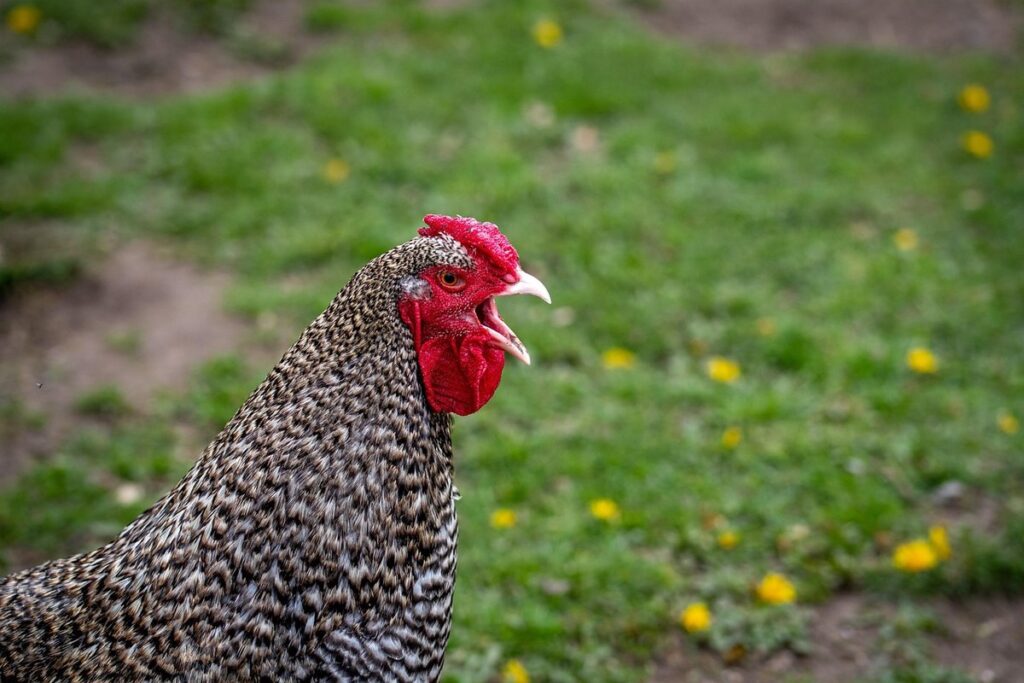
Welsummers are renowned for their striking feather pattern, which features a mix of black, brown, and tan hues. The feathers have a subtle sheen, giving the bird a warm, earthy appearance. One of the breed’s most distinctive characteristics is its dark-brown eggs, often described as having a “mahogany” or “chocolate-brown” color. Hens typically lay an average of 180-200 large brown eggs per year.
The Welsummer’s reputation for being prolific layers is well-deserved. In ideal conditions, with adequate nutrition and regular care, hens can produce an impressive number of eggs throughout the year. However, it’s essential to note that individual performance may vary depending on factors such as diet, health, and living environment.
To encourage optimal egg production, it’s crucial to provide your Welsummers with a balanced diet rich in protein and calcium. A good quality layer feed or a mix of grains, fruits, and vegetables can help support their nutritional needs. Regular access to fresh water, adequate shelter, and regular check-ups from a veterinarian can also contribute to maintaining their overall health and egg-laying capacity.
Temperament and Personality
Welsummers are known for their lively and friendly nature, but how do they behave around people and other animals? Let’s take a closer look at their temperament and personality traits.
Friendliness and Docility
Welsummers are renowned for their exceptional temperament, making them an excellent choice for families and beginners. One of the breed’s most notable characteristics is its friendly nature towards humans. They are known to be gentle, affectionate, and even-tempered, often seeking human interaction and attention.
In fact, Welsummers are often described as “lap chickens,” as they love to perch on their owner’s laps and snuggle up for pets and treats. This docile behavior makes them an excellent addition to families with children or those who want a low-maintenance pet.
When it comes to interacting with other animals, Welsummers are generally peaceful and get along well with other breeds. However, as with any chicken breed, introducing them to existing flock members should be done gradually and under close supervision. This will allow the Welsummer to settle in and establish its place within the pecking order.
Overall, the Welsummer’s friendly and docile nature makes it an ideal choice for anyone looking for a stress-free and enjoyable chicken-keeping experience.
Energy Level and Exercise Needs
Welsummers are known for their moderate energy level, making them suitable for small to medium-sized backyards. They require regular exercise to stay healthy and happy, but they’re not as demanding as some other breeds. A daily walk around the yard or a short playtime session should suffice. However, it’s essential to provide them with enough space to roam freely, especially during their first year of life when they tend to be more energetic.
To determine if your Welsummer is getting sufficient exercise, observe its behavior. If it seems restless or starts pecking at the ground excessively, it may be a sign that it needs more physical activity. On the other hand, if your bird appears lethargic or has difficulty moving around, it might be an indication of inadequate exercise.
Aim to provide at least 2-3 hours of supervised outdoor time per day, divided into shorter sessions to prevent overexertion. This can include foraging activities, such as scattering treats or allowing them to free-range in a secure area. Be cautious not to overdo it, especially during hot weather, as Welsummers are prone to heat stress. A general rule of thumb is to observe your bird’s response and adjust the exercise duration accordingly.
Health Considerations
When keeping Welsummers as pets, it’s crucial to consider their health needs and potential vulnerabilities, such as susceptibility to Marek’s disease. Regular veterinary check-ups can help mitigate these risks.
Common Health Issues
Welsummers are generally a hardy breed, but like all chicken breeds, they can be prone to certain health issues. Reproductive problems are one common concern. Males may experience difficulties with fertility, while females can struggle with egg laying and broodiness. This can lead to stress on the individual bird and impact overall flock productivity.
Another issue that can affect Welsummers is feather pecking. This behavior can be caused by a variety of factors, including nutritional deficiencies or boredom. A balanced diet that includes adequate calcium and protein can help support strong feathers and reduce the risk of feather pecking. Providing plenty of enrichment activities, such as foraging toys or scratching posts, can also keep birds occupied and engaged.
In addition to these issues, Welsummers may be susceptible to certain parasites and diseases. Regular monitoring and preventative measures, such as dust baths or anti-parasitic medications, can help protect the flock from internal and external threats. By being aware of these potential health concerns and taking proactive steps to address them, you can help keep your Welsummer flock healthy and thriving.
Nutrition and Diet Requirements
Welsummers are a dual-purpose breed, which means they require a balanced diet to support both egg production and growth. A layer-specific feed is essential for females, as it provides the necessary calcium for strong eggshell production. Aim for 16-18% protein content in their feed, and ensure it’s formulated specifically for laying hens.
In addition to a high-quality commercial layer feed, Welsummers also benefit from supplementary nutrients like oyster shells or crushed eggshells, which provide extra calcium for optimal egg-laying performance. Fresh fruits and vegetables can be given as treats, but avoid giving them too much as this can lead to digestive issues.
Some owners have reported success with incorporating probiotics into their flock’s diet, particularly when transitioning from starter feed to layer feed. However, it’s essential to consult with a veterinarian or poultry expert before making any significant changes to your Welsummers’ nutrition plan.
To determine the ideal feeding schedule for your flock, consider factors like age, sex, and production level. Typically, pullets (young hens) require more protein than layers, so adjust their feed accordingly until they reach maturity.
Breeding and Raising
Welsummer chickens make wonderful mothers, so if you’re planning to breed them, it’s essential to understand their egg-laying habits and broody nature. You’ll also need to consider factors like incubation temperature and chick development.
Choosing a Brooder and Starting Materials
When selecting a brooder for your welsummer chicks, consider the space you have available and the number of birds you plan to raise. A sturdy, well-ventilated enclosure is essential to prevent disease and stress. Opt for a brooder with a waterproof floor and easy cleaning access.
For a small flock, a brooder with a capacity of around 1-2 square feet per chick is sufficient. For larger flocks or if you plan to breed regularly, consider a more spacious setup. Ensure the brooder has adequate ventilation to prevent ammonia buildup from droppings.
As for starting materials, you’ll need:
- Heat source (e.g., heat lamp, ceramic heat emitter)
- Thermometer
- Hydrant and waterer
- Bedding material (e.g., straw, wood shavings)
- Chick starter feed
Choose a heat source that can be easily adjusted to accommodate the chicks’ changing temperature needs. A thermometer is crucial for monitoring temperatures, which should range from 90-100°F for the first week.
When selecting bedding, consider absorbency and ease of cleaning. Avoid using pine or cedar shavings, as they can be toxic to young birds. Always provide a constant source of fresh water and chick starter feed to ensure optimal growth and development.
Tips for Successful Incubation
Maintaining optimal incubation conditions is crucial for achieving high hatch rates. This requires careful control of temperature, humidity, and turning frequency. A good incubator should be able to maintain a consistent temperature within 1-2 degrees Fahrenheit of the set point. Humidity levels should be around 50-60%, but can vary depending on the specific needs of your flock.
It’s essential to choose an incubation period that suits the Welsummer breed. Most chicken breeds take between 21 and 24 days to hatch, so plan accordingly. Turning eggs regularly is also vital; most incubators have automated turning systems or require manual rotation every hour.
To ensure the healthiest chicks possible, it’s crucial to monitor temperature and humidity levels closely. A drop in temperature can cause embryonic death, while too high temperatures can lead to fungal growth. Monitor your incubator’s performance daily to catch any issues early on.
In terms of specific tips for successful incubation, consider these key points:
• Set the incubator at 99-100°F (37°C) during the first 18 days
• Gradually increase temperature by 1-2°F (0.5-1°C) over the next few days
• Maintain humidity levels between 50-60% throughout the incubation period
Showing and Competition
As you consider showing off your welsummer’s unique characteristics, it’s essential to understand the breed standards for competition. Welsummers have a reputation for being excellent show birds.
Breed Standards and Judging Criteria
When participating in poultry shows featuring Welsummers, it’s essential to understand the breed standards and judging criteria. The American Poultry Association (APA) is one of the primary organizations responsible for developing these guidelines.
For Welsummers, judges look for a sturdy body type with a broad, deep breast and well-developed muscles. A medium-sized bird, males should weigh around 6-7 pounds, while females reach 5-6 pounds. The breed’s distinctive coppery-brown plumage is also scrutinized, with attention paid to its depth of color, sheen, and overall appearance.
Egg-laying ability is a notable aspect of the breed standard, as Welsummers are known for their impressive production. Judges consider not only the quantity but also the quality of eggs laid by each hen. In terms of temperament, judges seek birds that exhibit good disposition, including friendliness and docility.
To emphasize key characteristics in your bird, focus on developing a sturdy physique through proper nutrition and exercise. Provide adequate space for movement and ensure your Welsummers receive a balanced diet rich in protein and calcium to support strong bone growth.
Tips for Beginners Entering Shows
When entering shows with your Welsummers for the first time, it’s essential to understand the breed standards and judging criteria. Familiarize yourself with the American Poultry Association (APA) or American Bantam Association (ABA) guidelines, depending on the organization hosting the show. Study the breed standard to know what characteristics judges will be looking for in your birds.
One of the most critical aspects is presenting your birds’ clean and well-groomed appearance. Make sure their feathers are free from mites, lice, and dirt. Trimming their nails and cleaning their feet can also make a significant difference. If you’re new to showing, consider practicing with smaller exhibitions or local poultry clubs before entering larger events.
Judges will evaluate your birds’ conformation, posture, and balance. They’ll check for any visible health issues or defects. Ensure your birds are in top condition by providing regular exercise, a balanced diet, and adequate veterinary care. When presenting your birds at the show, be prepared to discuss their pedigree, breeding history, and any notable characteristics that make them stand out as exceptional Welsummers.
Frequently Asked Questions
What if I already have a flock and want to introduce Welsummers – how should I integrate them?
Introducing new breeds to an existing flock can be challenging. To minimize disruption, it’s essential to quarantine the new birds for at least two weeks before integrating them with your current flock. Monitor their behavior and adjust the introduction process as needed. Ensure you have adequate space and resources to accommodate both groups during this transition period.
Can Welsummers thrive in urban environments or do they require a lot of space?
While Welsummers are considered a relatively hardy breed, they still need adequate space to roam and exercise. However, with proper care and management, it’s possible to keep them in smaller backyards or even on balconies (with suitable enclosures). Ensure your urban area allows backyard chickens and research local regulations before bringing home your Welsummers.
What are some common mistakes to avoid when breeding Welsummers, especially for beginners?
New breeders often make the mistake of not keeping accurate records or failing to identify potential health issues early on. Regularly monitor your birds’ health, keep detailed breeding and hatchling records, and seek advice from experienced breeders when needed.
How do I determine if a Welsummer is a good layer – can I tell just by looking at its plumage?
While egg-laying ability is often linked to the bird’s overall health and genetics, it’s not always possible to predict a Welsummer’s laying performance based solely on its appearance. Look for birds with a balanced diet, regular exercise, and optimal living conditions to maximize their potential as prolific layers.
Can I breed Welsummers for exhibition purposes without extensive experience in poultry showing?
While some knowledge of poultry showing is beneficial, it’s not essential to have prior experience to participate in exhibitions. Familiarize yourself with the breed standards and judging criteria, practice presenting your birds confidently, and don’t be afraid to ask experienced judges or breeders for guidance during your first few shows.