
Farmland is often taken for granted, yet its role in global food production, economic growth, and environmental sustainability cannot be overstated. You may not think twice about the land that grows your fruits, vegetables, and grains, but the reality is that farmland is a vital component of our daily lives. From the fields of wheat and corn to the orchards of apples and berries, farmland encompasses a wide range of agricultural landscapes that contribute significantly to global food security. As the world’s population continues to grow, the importance of farmland in meeting our nutritional needs has become increasingly clear. In this comprehensive guide, we’ll explore the history of farmland, its various types, the challenges it faces, and the future directions for sustainable agriculture. By the end of this article, you’ll have a deeper understanding of what farmland is and how it impacts our world.
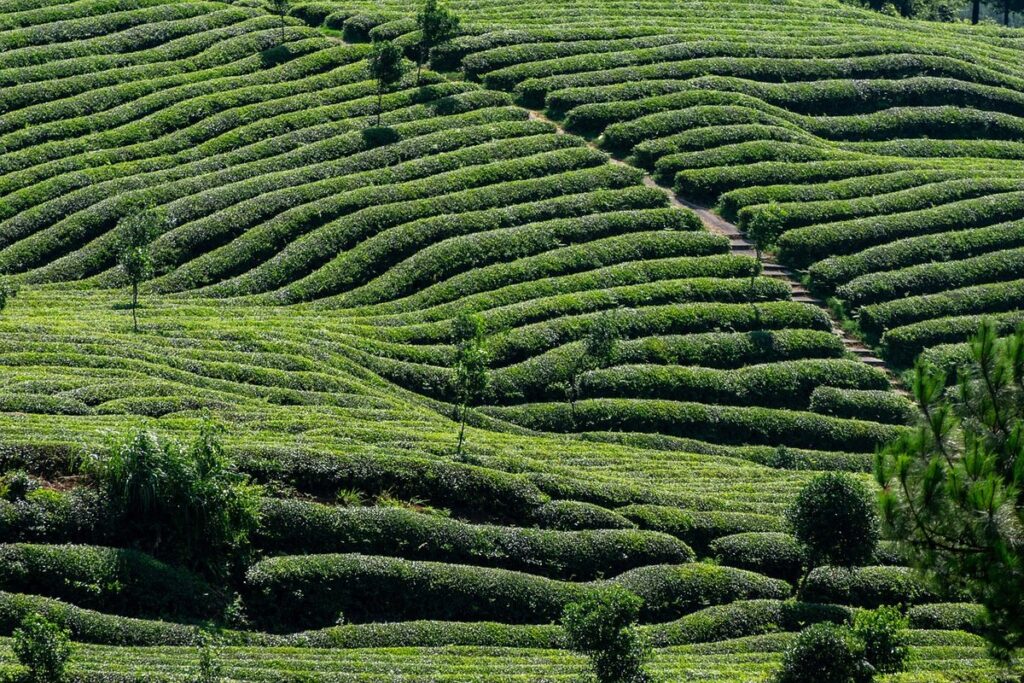
Definition and Importance of Farmland
Farmland is essentially any land used for agricultural purposes, whether it’s crop production or raising livestock. Let’s explore what makes farmland so crucial to our global food supply.
The Role of Farmland in Food Production
Farmland plays a crucial role in global food production, providing a significant portion of the world’s agricultural output. According to the Food and Agriculture Organization (FAO), farmland accounts for approximately 70% of the world’s agricultural land, producing over 90% of the world’s total crop calories. The impact on human populations is substantial: nearly half of the global population relies directly or indirectly on agriculture for their livelihoods.
The statistics are staggering: in 2018 alone, global cereal production reached a record high of 2.6 billion metric tons, while oilseed and nut production exceeded 500 million metric tons. This bounty has far-reaching consequences, as food security is closely tied to agricultural output. In fact, the FAO estimates that every dollar invested in agriculture can generate up to three dollars in economic returns.
This highlights the critical importance of maintaining healthy and productive farmland ecosystems. Sustainable farming practices must balance crop yields with soil conservation, water management, and biodiversity preservation. By adopting these strategies, farmers can ensure long-term productivity while minimizing environmental degradation.
Economic Significance of Farmland
Farmland plays a crucial role in the economy of many countries, particularly those with significant agricultural sectors. One key economic benefit is job creation – farming employs millions of people worldwide, from farmhands to managers, and supports entire rural communities. In fact, agriculture accounts for a substantial portion of the workforce in developing countries.
In addition to providing employment opportunities, farmland also contributes significantly to GDP (Gross Domestic Product). According to the Food and Agriculture Organization (FAO), agriculture is often the largest sector of many economies, accounting for 20-30% of national income. For example, in the United States, agriculture generates over $1 trillion in economic activity each year.
Farmland also earns foreign exchange through exports of agricultural products. Many countries rely heavily on farm exports to balance their trade deficits and fund development projects. In some developing nations, remittances from migrant workers in developed countries’ farming industries provide a vital source of income for local families.
Types of Farmland
Farmland comes in various forms, from vast expanses of flat plains to steep hillsides and mountainous regions. Let’s take a closer look at some of these different types of farmland.
Crop Land
Crop land is a type of farmland specifically designed for growing crops, such as maize, wheat, and soybeans. The climate, soil quality, and market demand all play significant roles in determining which crops are suitable for cultivation on this land. For instance, areas with ample rainfall and fertile soil may be ideal for planting corn or soybeans, while regions with cooler temperatures and well-drained soil might be better suited for wheat production.
Crop selection is often influenced by factors such as climate, with warmer climates typically favoring crops like sugarcane and citrus fruits. Soil quality also comes into play, as certain crops require specific pH levels or nutrient profiles to thrive. Market demand can also impact crop choice, with farmers adjusting their plantings in response to changes in consumer preferences.
Some regions may experience a monoculture, where a single crop dominates the landscape due to favorable growing conditions and market demand. However, this approach can lead to soil degradation and decreased biodiversity over time. To mitigate these effects, some farmers adopt diverse rotation systems or integrate cover crops into their planting schedules. This helps maintain soil health while minimizing the risks associated with relying on a single crop.
Pastureland
Pastureland is a vital component of farmland, dedicated to raising livestock for meat and dairy production. Unlike crop land, which focuses on growing crops, pastureland provides a natural environment for animals to graze and roam freely. This type of farmland allows farmers to raise a variety of livestock, including cattle, sheep, goats, and horses.
The primary use of pastureland is for grazing, where animals are allowed to feed on the grasses and other vegetation that grow in the area. This method of raising livestock has several benefits, including improved animal health and reduced costs associated with feeding and housing. Additionally, pastureland helps maintain soil fertility by allowing manure to act as a natural fertilizer.
One key benefit of pastureland is its ability to provide high-quality meat and dairy products. Grass-fed animals are often considered to be more nutritious than grain-fed counterparts, making them a popular choice for consumers looking for healthier options. To optimize the use of pastureland, farmers should consider factors such as soil quality, climate, and the type of livestock being raised. They can also implement rotational grazing techniques to ensure that the land remains fertile and the animals receive a balanced diet.
History of Farmland Use
Farmland has been cultivated for centuries, and its history is closely tied to human civilization and the development of agriculture. Let’s take a closer look at how farmland use has evolved over time.
Ancient Civilizations and Agriculture
In ancient Mesopotamia, around 4000 BC, people began cultivating crops on fertile land between the Tigris and Euphrates rivers. This marked one of the earliest known uses of farmland for agriculture. The Sumerians, Babylonians, and Assyrians developed sophisticated irrigation systems to support crop growth in this arid region.
In ancient Egypt, around 2500 BC, farmland was used extensively for growing crops such as grains, flax, and dates. The Nile River’s annual flooding provided a rich source of silt that made the land suitable for farming. Egyptians also developed advanced agricultural practices, including crop rotation and fertilization techniques.
Similarly, in ancient China, around 1200 BC, farmland was used to grow crops like rice, wheat, and millet. The Chinese developed advanced irrigation systems, including the use of canals and dams, which enabled them to cultivate land in areas with limited rainfall. These early civilizations demonstrate that farmland has been a crucial component of agricultural production for thousands of years.
The examples from ancient Mesopotamia, Egypt, and China show how early civilizations relied on farmland to support their populations.
Modern Agricultural Practices and Challenges
Modern agricultural practices have brought about significant advancements in farmland use. Mechanization has increased efficiency and productivity, allowing farmers to cultivate larger areas with fewer laborers. Irrigation systems have also improved crop yields by providing consistent water supply, especially during droughts or dry spells. However, these developments come with environmental costs: the overuse of fertilizers and pesticides can pollute soil and water.
Climate change poses another major challenge for farmers today. Rising temperatures and changing precipitation patterns disrupt traditional planting schedules and crop rotations, making it harder to predict harvest yields. Water scarcity is also a pressing issue, particularly in regions where rainfall is scarce or unpredictable. To mitigate these effects, some farmers are adopting conservation tillage techniques that minimize soil disturbance while preserving moisture.
Additionally, many modern farms rely on intensive monoculture practices, which can lead to soil degradation and decreased biodiversity. In contrast, sustainable farming methods like agroforestry and permaculture aim to maintain ecosystem balance by integrating trees and other plants into the crop rotation cycle. By adopting these approaches, farmers can reduce their environmental footprint while improving long-term fertility and resilience of the land.
Environmental Impact of Farmland
Farmland plays a significant role in environmental sustainability, and its impact on ecosystems is multifaceted. Let’s examine how farmland affects local wildlife habitats and water sources.
Soil Erosion and Degradation
Intensive farming practices can lead to significant soil erosion and degradation. When rainwater runs across bare fields, it picks up topsoil, carrying it away from the land. This not only reduces fertility but also increases the risk of landslides and sedimentation in nearby water bodies.
Factors contributing to soil erosion include over-tillage, inadequate crop rotation, and excessive use of heavy machinery. For instance, repeated tilling can break down soil structure, making it vulnerable to erosion. Similarly, planting a single crop repeatedly depletes nutrients, while frequent tillage disrupts the soil’s natural ecosystem.
As a result of these practices, topsoil is lost at an alarming rate. The United States alone loses around 2 pounds of topsoil per acre each year. This not only impacts agricultural productivity but also exacerbates water pollution by allowing fertilizers and pesticides to seep into groundwater. To mitigate this issue, farmers can implement conservation tillage or no-till practices, incorporate cover crops, and maintain soil health through organic amendments. These measures promote soil stability while reducing erosion.
Water Pollution and Conservation
Agricultural activities can significantly impact nearby water sources through various forms of pollution. Fertilizers and pesticides used on farmland can leach into groundwater, contaminating drinking water supplies for both rural communities and urban areas downstream. Runoff from fields during heavy rainfall events can also carry these pollutants into nearby rivers, lakes, and wetlands, harming aquatic ecosystems.
To mitigate this issue, many farmers are adopting conservation tillage practices that reduce soil disturbance and erosion. This approach involves keeping a cover crop in place to protect the soil surface between planting cycles. Some farms are also implementing buffer strips along waterways, where plants like grasses or willows help absorb excess nutrients and sediments.
Additionally, some farmland owners are exploring innovative technologies for water conservation. For example, drip irrigation systems deliver precise amounts of water directly to plant roots, minimizing evaporation and runoff. Other farmers are using sensors and monitoring equipment to optimize irrigation schedules based on weather forecasts and soil moisture levels.
Social Aspects of Farmland
Farmland is not just a plot of land, but also a community that depends on it. In this part of our exploration, we’ll examine how farmland affects and is affected by those who live nearby.
Rural Communities and Employment
Farmland plays a critical role in rural communities by providing job opportunities and generating income. Many people work directly on farms, either as owners or employees, while others are employed in related industries such as equipment sales, agricultural consulting, or food processing. In addition to direct employment, farmland also supports indirect jobs in services like healthcare, education, and retail.
In rural areas where farming is a dominant industry, the local economy often relies heavily on agriculture for economic stability. Farmers typically invest their income back into the community by purchasing supplies from local businesses, which helps stimulate the local economy. Some communities have even established cooperatives or farmers’ markets to facilitate direct sales between producers and consumers.
Rural areas also benefit from the social connections that develop within farming communities. Neighbors often work together to share resources, such as equipment or expertise, which can foster a sense of cooperation and mutual support. Furthermore, the physical labor involved in farming can help build strong relationships among community members who share a common goal of producing high-quality food for their neighbors.
Land Ownership and Access Rights
Government policies play a significant role in shaping land ownership and access rights for farmers. In many countries, governments have implemented laws and regulations to protect private property rights, ensuring that landowners have control over their properties. However, these policies often come with limitations and restrictions on how farmland can be used.
For example, zoning laws may dictate what types of crops or livestock can be raised on a particular plot of land, while environmental regulations may require farmers to implement specific conservation practices. These policies aim to balance the needs of individual landowners with broader societal goals, such as food security and environmental protection.
Indigenous communities also often have unique claims to farmland, based on historical ties to the land or traditional practices. In some cases, governments have established programs to recognize and protect these rights, providing indigenous farmers with access to ancestral lands and resources.
In practice, understanding local laws and regulations can help farmers navigate the complex landscape of land ownership and access rights. This may involve consulting with government agencies, legal experts, or community organizations to ensure compliance with relevant policies and laws.
Future Directions in Farmland Use
As we’ve explored what farmland is, you’re probably wondering where it’s headed next. We’ll examine the trends and innovations shaping the future of agricultural land use worldwide.
Sustainable Agriculture Practices
Organic farming methods prioritize soil health through crop rotation and composting. This approach reduces synthetic fertilizer use, minimizing environmental contamination and promoting biodiversity. Permaculture designs aim to create self-sustaining ecosystems by integrating plants and animals. Agroforestry involves cultivating multiple crops within a forest setting, maximizing space efficiency while preserving ecosystem services.
These practices often overlap or are used in combination. For example, agroforestry can incorporate permaculture principles by integrating diverse plant species for ecological balance. Organic farming might employ agroforestry techniques to maintain soil quality and reduce water consumption.
Some key differences between these approaches include the emphasis on crop selection (organic farming tends to focus on non-GMO varieties) versus the integration of livestock (permaculture often incorporates animals). Agroforestry typically involves longer-term planning, as forest regeneration can take years. Understanding which methods align with specific goals and climate conditions is crucial for implementing effective sustainable agriculture practices.
These approaches offer various benefits, such as improved soil structure and increased water retention. By adopting one or more of these methods, farmers can enhance their land’s productivity while minimizing its environmental impact.
Technological Innovations in Farming
Technological innovations are transforming farmland use by enhancing productivity, efficiency, and environmental stewardship. Precision agriculture techniques, such as drone-based crop monitoring and satellite imaging, enable farmers to make data-driven decisions about irrigation, fertilization, and pest control. For instance, drones can capture high-resolution images of crops, identifying areas where water or nutrients are needed most.
Farmers are also adopting autonomous farming systems, which use sensors and GPS to automate tasks such as planting, pruning, and harvesting. These systems not only reduce labor costs but also minimize waste and optimize crop yields. Additionally, the use of vertical farming and hydroponics allows for more efficient use of space and resources, making urban agriculture a viable option.
Other innovations include the use of robotics in farm management, AI-powered soil analysis, and digital platforms that connect farmers with buyers and suppliers. These technologies are not only improving farmland productivity but also promoting sustainable practices and reducing environmental impact.
Frequently Asked Questions
What If I Want to Start Farming But Don’t Have Any Experience?
You don’t necessarily need prior experience to start farming, but having some understanding of agricultural practices and local regulations can be helpful. Consider taking courses or attending workshops to learn the basics, such as crop rotation, soil management, and water conservation.
Can I Use Farmland for Other Purposes Besides Food Production?
While farmland is primarily used for food production, it can also be used for other purposes like growing biofuels, producing animal feed, or even creating wildlife habitats. However, these alternative uses should not compromise the land’s fertility or long-term productivity.
How Do I Know If My Farmland Is Suitable for Organic Farming?
Assess your farmland’s suitability for organic farming by examining factors such as soil quality, water availability, and pest management needs. You may also want to consult with a local expert or conduct soil tests to determine the best approach for your specific land.
What Happens If I Encounter Unexpected Challenges Like Crop Failure or Water Scarcity?
Addressing unexpected challenges requires flexibility and adaptability. For crop failure, assess the cause and adjust your farming practices accordingly. For water scarcity, explore options like drip irrigation or rainwater harvesting to reduce waste and optimize resource use.
Can I Use Technology to Enhance My Farmland’s Productivity Without Breaking the Bank?
Yes, you can leverage technology to enhance farmland productivity without overspending. Start by identifying areas where automation or precision agriculture tools can improve efficiency, then invest in incremental upgrades as your budget allows. This approach will help you optimize resource allocation and maximize returns on investment.

