
Organic farming is a way of growing crops and raising livestock that avoids the use of synthetic fertilizers, pesticides, and genetically modified organisms. This approach not only benefits the environment by reducing pollution and conserving water but also improves human health by providing chemical-free produce. Additionally, organic farming can be more economically viable for farmers in the long run, as it focuses on building soil fertility rather than just quick profits. But what exactly does this mean for you – whether you’re a farmer looking to transition your operation or a consumer wanting to make informed choices about the food you eat? This comprehensive guide will explore the principles of organic farming and its benefits for both people and planet, covering everything from sustainable agriculture practices to the impact on farmers’ economies. By the end of this article, you’ll understand what makes organic farming different and be equipped to make a more informed choice when it comes to supporting local producers.
Defining Organic Farming
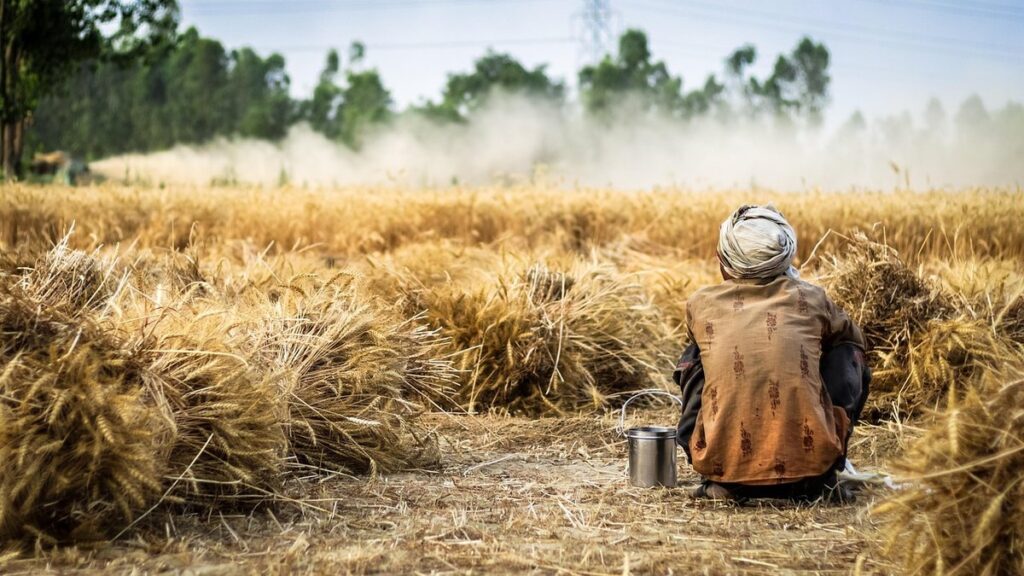
Organic farming is a holistic approach to growing and harvesting crops, focusing on natural methods that avoid synthetic pesticides and fertilizers. In this next part, we’ll break down what makes organic farming unique.
The Origins of Organic Farming
The development of organic farming practices can be traced back to the early 20th century, when a group of farmers and thinkers began advocating for a more holistic approach to agriculture. One key figure was Sir Albert Howard, an English botanist who is often credited with coining the term “organic farming.” In his book “The Soil and Health,” published in 1940, Howard emphasized the importance of soil fertility and the need to adopt methods that work with nature rather than against it.
Another influential pioneer was Lady Eve Balfour, a Scottish farmer who founded the Haughley Experiment Farm in England. Through her experiments, she demonstrated the potential for organic farming to improve crop yields while maintaining soil health and reducing pollution. Her work helped lay the groundwork for the modern organic movement.
In the 1960s and 1970s, the concept of organic farming gained momentum with the publication of books like Rachel Carson’s “Silent Spring,” which highlighted the dangers of chemical pesticides and fertilizers. This growing awareness sparked a grassroots movement among farmers, consumers, and policymakers, ultimately leading to the establishment of national standards for organic production in many countries.
Key Principles of Organic Farming
Organic farming is built on a foundation of key principles that prioritize soil health, biodiversity, and minimal synthetic inputs. At its core, organic farming recognizes the importance of soil as a living ecosystem that supports plant growth, filters water, and stores carbon. Healthy soils are teeming with microorganisms, which break down organic matter and make nutrients available to plants.
Biodiversity is another cornerstone of organic farming. This means cultivating a wide range of crops and animals on the farm, rather than relying on a single crop or species. By promoting biodiversity, farmers can reduce their reliance on synthetic fertilizers and pesticides, which can harm beneficial insects and microorganisms.
In contrast to conventional farming methods, organic farming minimizes the use of synthetic inputs such as chemical pesticides, herbicides, and fertilizers. Instead, organic farmers rely on natural methods to control pests and diseases, such as crop rotation, companion planting, and biological controls. This approach not only reduces environmental pollution but also promotes soil health and biodiversity.
Benefits of Organic Farming
Now that you know what organic farming is, let’s talk about why it matters: organic farming offers a range of benefits for both people and the planet.
Environmental Advantages
Organic farming methods prioritize soil health, biodiversity, and efficient water use, resulting in numerous environmental advantages. By avoiding synthetic fertilizers and pesticides, organic farms reduce chemical runoff into waterways, minimizing harm to aquatic ecosystems. This approach also preserves soil fertility, reducing the need for artificial amendments and promoting healthier microorganisms.
The absence of toxic chemicals in organic farming allows beneficial insects and pollinators to thrive, contributing to overall biodiversity. A small-scale organic farm in California’s Central Valley, for example, noticed a significant increase in native bees and butterflies after switching from conventional methods. This shift not only supports local wildlife but also contributes to global efforts to mitigate climate change by sequestering carbon in soil.
Organic farming practices can also help regulate the water cycle. By maintaining soil moisture and reducing evaporation through cover cropping and mulching, farmers reduce their water consumption. This approach is particularly relevant for drought-prone regions or areas with limited irrigation resources.
Health Benefits for Consumers
Organic produce is designed to minimize exposure to pesticides and other chemicals that can harm human health. When you eat conventionally grown fruits and vegetables, they may contain residues of these substances. In contrast, organic farming practices prohibit the use of synthetic pesticides, reducing the risk of pesticide exposure for consumers.
Studies have shown that organic produce tends to have higher levels of certain nutrients like vitamin C and potassium compared to conventionally grown alternatives. This is because organic farmers often use crop rotation and composting techniques to improve soil health, which in turn boosts nutrient content.
Some examples of organic produce with high nutritional value include leafy greens like kale and spinach, as well as berries such as strawberries and blueberries. When shopping for organic options, look for products that are labeled “USDA Organic” or carry a similar certification from your country’s equivalent regulatory body. This ensures that the product meets strict standards for organic production methods.
By choosing organic produce, you can take a step towards reducing your exposure to potentially harmful chemicals and increasing your intake of essential nutrients. As consumers become more aware of the benefits, demand for organic options is likely to continue growing.
Economic Benefits for Farmers and Communities
Organic farming can be a lucrative business for farmers and communities alike. One of the primary economic benefits is increased crop prices. Organic produce tends to fetch higher prices at market due to its perceived value among consumers. For example, organic strawberries are often sold for 20-30% more than their conventionally grown counterparts.
In addition to higher crop prices, transitioning to organic farming can also improve soil fertility. Healthy soils are better equipped to retain moisture and nutrients, reducing the need for external fertilizers and irrigation systems. This not only saves farmers money but also leads to increased yields over time. Many farmers have reported a 10-20% increase in yield after switching to organic methods.
By adopting organic practices, farmers can also benefit from government incentives and subsidies. These programs aim to support the transition to more sustainable farming methods, providing financial assistance for farmers who are willing to make the change. Furthermore, organic farms tend to create jobs and stimulate local economies, generating income for farmworkers and contributing to community development.
Methods and Techniques in Organic Farming
Organic farming methods involve using natural techniques such as crop rotation, composting, and biological pest control to maintain soil health and prevent pests. We’ll explore these essential techniques next.
Crop Rotation and Companion Planting
Crop rotation involves alternating between different crops to maintain soil health and prevent nutrient depletion. For example, planting legumes like beans or peas can fix nitrogen in the soil, while rotating with non-legume crops allows the soil to replenish its nitrogen reserves. Companion planting takes this concept a step further by pairing plants that have complementary growth habits, pest-repellent properties, or other beneficial interactions.
Some common companion plantings include basil and tomatoes, which repel pests like aphids and whiteflies, while marigolds can help deter nematodes from affecting the soil. By incorporating crop rotation and companion planting into organic farming systems, farmers can reduce their reliance on synthetic fertilizers and pesticides, promote biodiversity, and create a more resilient ecosystem.
In practice, this means planning crop rotations carefully to ensure that each crop is given adequate time to mature without being shaded or competing for resources. It also involves selecting companion plants that will benefit the target crops without creating competition or other issues. By implementing these techniques, organic farmers can improve soil fertility, reduce pest pressure, and create a thriving ecosystem that supports both plant and animal life.
Integrated Pest Management (IPM)
Organic farmers use Integrated Pest Management (IPM) strategies to minimize chemical inputs and promote ecosystem services. IPM is a holistic approach that considers the complex relationships between pests, crops, and the environment. By understanding these dynamics, farmers can identify the root causes of pest problems and develop targeted solutions.
For example, instead of relying on broad-spectrum pesticides, IPM encourages farmers to use natural predators or parasites to control pests. This might involve introducing beneficial insects like ladybugs or lacewings to feed on aphids or other pests. Some organic farms also practice crop rotation and companion planting to reduce pest pressure and promote soil health.
Effective IPM strategies require a deep understanding of the farm’s ecosystem, including the types of pests present, their life cycles, and the factors that contribute to their populations. By monitoring these factors and making adjustments accordingly, farmers can minimize chemical inputs while maintaining healthy crops. A key aspect of IPM is also creating a diverse and resilient agroecosystem, which can better withstand pest outbreaks and reduce the need for external interventions.
Use of Natural Fertilizers and Amendments
When it comes to fertilizing and amending soil, organic farmers often opt for natural alternatives over synthetic options. One of the primary benefits of using natural fertilizers is their ability to promote long-term soil health. For example, compost made from kitchen scraps and yard waste can add valuable nutrients while improving soil structure.
Compost tea, a liquid solution steeped in compost, is another popular choice among organic farmers. It’s rich in beneficial microorganisms that help break down toxic substances and stimulate plant growth. However, natural fertilizers can be more time-consuming to prepare and apply than synthetic options.
A key consideration when using natural fertilizers is the need for crop rotation and soil testing. This ensures that nutrients are replenished and soil imbalances are corrected. Organic farmers may also choose to use green manure, a type of cover crop that’s incorporated into the soil to add nutrients.
Some common natural amendments include fish bone meal, alfalfa meal, and kelp meal. These products provide essential micronutrients while promoting healthy microbial activity in the soil. When selecting natural fertilizers and amendments, it’s essential to consider factors such as nutrient content, pH level, and potential for contamination.
Challenges and Limitations of Organic Farming
While organic farming offers many benefits, it also comes with its own set of challenges that can limit its widespread adoption. Let’s take a closer look at some of these obstacles.
Higher Production Costs
Organic farming often comes with higher production costs due to the absence of synthetic fertilizers and pesticides. The initial investment for organic certification can be substantial, ranging from $200 to over $1,000 per acre. Farmers must also account for the cost of labor-intensive practices like crop rotation, composting, and hand-weeding.
One of the main reasons for higher production costs is reduced yields in the transition period. Organic farming typically requires more time and effort to build up soil health and fertility, which can lead to lower initial yields compared to conventional farming methods. For example, a study by the Rodale Institute found that organic corn yields averaged 92% of conventional yields in the first year, increasing to 95% after three years.
Farmers must also consider the cost of purchasing natural fertilizers and amendments, such as compost or manure, which can be more expensive than synthetic alternatives. However, many farmers find that these costs are offset by long-term benefits like improved soil health and increased biodiversity. To mitigate higher production costs, farmers may need to adjust their market prices or explore value-added products like organic produce boxes or farm tours.
Scalability and Efficiency Concerns
As organic farming grows in popularity and scale, concerns about efficiency and scalability arise. One of the key challenges is that organic farming often requires more labor and resources than conventional methods. This can lead to increased production costs and reduced profit margins for farmers. For example, a study on large-scale organic farms found that they required 25% more labor hours per acre compared to conventional farms.
Another issue is the complexity of managing multiple crops and soil types in a single farm. Organic farming often involves using crop rotation and companion planting techniques to maintain soil health and biodiversity. However, this can become increasingly difficult as farm size grows, leading to reduced efficiency and increased risk of pests and diseases. To mitigate these concerns, farmers may need to invest in more advanced planning and management tools.
To achieve scalability while maintaining organic farming principles, farmers often need to adopt hybrid approaches that combine traditional practices with innovative technologies. This might involve using precision agriculture techniques to optimize crop yields or implementing drip irrigation systems to reduce water waste. By finding the right balance between efficiency and environmental sustainability, organic farms can remain viable and profitable even at larger scales.
Regulatory Frameworks and Certification Processes
Organic farming operates within a complex web of regulatory frameworks and certification processes. In the United States, for instance, organic farms must comply with the National Organic Program (NOP), which sets standards for soil quality, water conservation, and pest management. To obtain certification, farmers submit an application to the USDA’s Agricultural Marketing Service, providing documentation on their farming practices.
Similarly, in the European Union, the EU’s Organic Farming Regulation sets out detailed guidelines for organic production methods. Farmers must adhere to strict rules on crop rotation, compost use, and integrated pest control. Each country within the EU has its own certification body, such as the Soil Association in the UK or Bio Suisse in Switzerland.
In other parts of the world, like India and China, regulatory frameworks are still evolving. However, most countries have some form of organic certification process in place. For farmers looking to transition to organic practices, it’s essential to familiarize themselves with local regulations and certification requirements. This might involve working with a certifying body or consulting with industry experts.
The Future of Organic Farming
As we look ahead, organic farming is evolving rapidly, and innovations like precision agriculture and vertical farming are transforming the way crops are grown. These emerging trends will play a significant role in shaping the industry’s future.
Trends and Innovations in Organic Farming
Precision agriculture and regenerative practices are revolutionizing the organic farming landscape. Precision agriculture involves using advanced technology to optimize crop yields while minimizing environmental impact. This includes precision irrigation systems, satellite imaging for crop monitoring, and data analytics to inform decision-making.
Regenerative agriculture takes a holistic approach to soil health, focusing on building soil organic matter through techniques like no-till or reduced-till farming, cover cropping, and incorporating compost. This approach not only improves soil fertility but also enhances biodiversity and ecosystem services.
Another trend gaining momentum is the use of drones for crop monitoring and management. Drones equipped with sensors can detect early signs of pests, diseases, and nutrient deficiencies, enabling farmers to take targeted action before problems escalate. The integration of artificial intelligence and machine learning algorithms further streamlines decision-making processes, allowing farmers to respond quickly to changing conditions.
Regenerative agriculture’s emphasis on soil health has also led to a resurgence in the use of natural amendments like compost tea and worm castings. These methods promote beneficial microorganisms in the soil, which in turn support plant growth and resilience.
Opportunities for Increased Adoption and Support
To increase adoption and support for organic farming, several strategies can be implemented. One key approach is education and outreach programs aimed at farmers, policymakers, and consumers. For instance, workshops and online resources can provide farmers with the knowledge and skills needed to transition to organic practices. Policymakers can also be educated on the benefits of organic farming, such as improved soil health and reduced chemical use.
Policy changes are another crucial aspect of increasing support for organic farming. Governments can establish incentives for farmers who adopt organic methods, such as tax breaks or subsidies. They can also set aside land for organic farming to promote its adoption. Furthermore, market development is essential in creating demand for organic produce. This can be achieved through labeling and certification programs that differentiate organic products from conventionally grown ones.
In addition, creating a supportive infrastructure for organic farmers is vital. This includes establishing distribution networks and providing access to organic seeds and other necessary inputs. By implementing these measures, the adoption of organic farming practices can increase, leading to a more sustainable food system.
Frequently Asked Questions
Can I start with small-scale organic farming on my backyard?
Yes, starting small is an excellent way to begin your organic farming journey. Begin by applying the principles of crop rotation, composting, and minimal synthetic inputs to a small plot in your backyard or garden. This will help you gain hands-on experience and develop a deeper understanding of the challenges and benefits of organic farming.
How do I maintain soil health on larger scales?
Maintaining soil health on a larger scale requires careful planning and attention to detail. Consider implementing cover cropping, crop rotation, and incorporating organic amendments like compost or manure tea into your soil management strategy. Regular soil testing can also help you identify nutrient deficiencies and optimize your fertility program.
What if I’m struggling with pests or diseases in my organic farm?
Organic farming is not immune to pest and disease issues, but there are effective ways to manage these challenges without resorting to synthetic chemicals. Consider implementing Integrated Pest Management (IPM) strategies that combine physical barriers, cultural controls, and biological agents to maintain ecosystem balance and promote resilience.
Can I mix conventional and organic practices in the same farm?
While it’s possible to integrate conventional and organic practices, it can be challenging to maintain certification and ensure the integrity of your organic products. Mixing methods may compromise the benefits of organic farming, such as reduced pesticide exposure and higher nutrient content. Consider segmenting your farm into separate areas for conventional and organic production or seeking guidance on transitioning entirely to organic methods.
What about the costs associated with organic certification? Is it worth it?
Yes, investing in organic certification can be a worthwhile investment for many farmers. While the initial costs of certification may seem daunting, they can lead to increased crop prices, improved soil fertility, and enhanced market access for your products. Additionally, some countries offer incentives or financial support for transitioning to organic farming practices. Research local regulations and potential funding opportunities to determine whether certification aligns with your business goals and budget.
