
As you tend to your beehives, you’re probably eager to boost honey production and ensure a sweet surplus for the year ahead. But did you know that even with optimal bee health and regular inspections, many beekeepers struggle to meet their desired honey yields? A closer look at hive management practices reveals that small changes can make a big difference in the long run. By fine-tuning your approach to optimizing forage quality and quantity, as well as streamlining hive operations, you can unlock significant gains in honey production. In this article, we’ll explore effective tips and techniques for maximizing your bees’ honey output, from simple tweaks to more substantial changes that will have you harvesting a bounty of pure, golden nectar by the end of the season, with an expertly managed beehive capable of producing abundant yields of high-quality honey.
Understanding Honey Bee Health
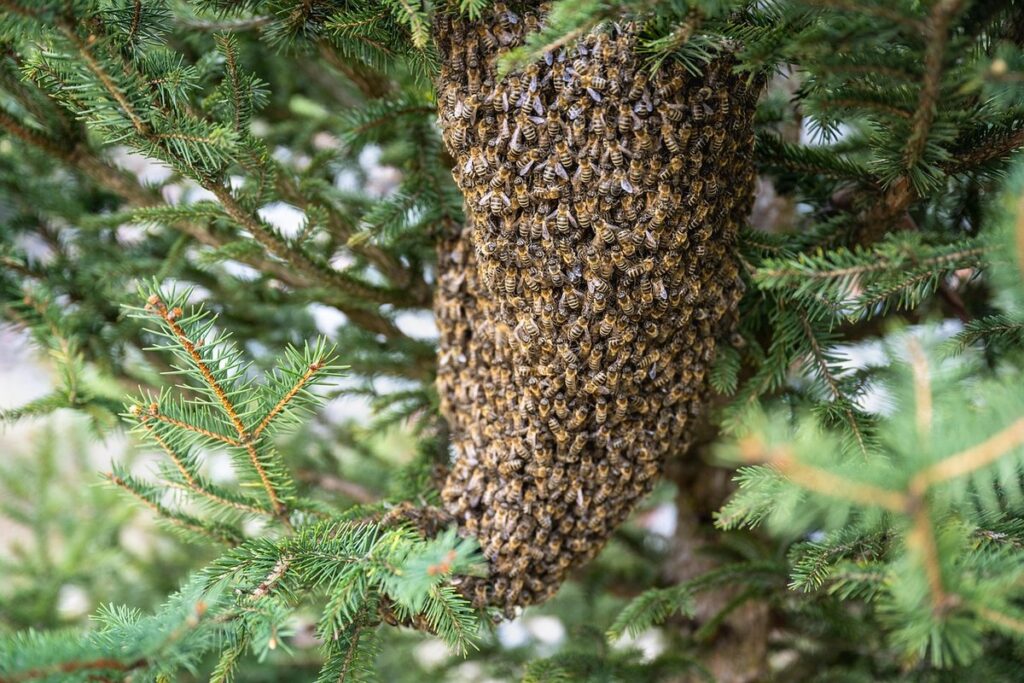
Healthy bees are the backbone of successful honey production, so it’s essential to understand the factors that impact their health and overall well-being as you strive for a bountiful harvest.
Factors Affecting Honey Production
Bee population is a crucial factor affecting honey production. A strong, healthy bee colony can produce significantly more honey than one struggling to survive. Typically, a thriving colony needs a minimum of 30,000 to 40,000 bees to efficiently gather nectar and pollen from the surrounding area. Anything below this threshold may lead to reduced productivity.
Hive size also plays a significant role in determining honey production. A well-maintained hive with ample space for expansion can support a growing colony and increase honey yields. Conversely, overcrowding can stress the bees, causing them to redirect their energy towards maintaining hive stability rather than producing honey.
The quality of available forage is another vital factor affecting honey production. Bees rely on nectar-rich flowers, trees, and crops to gather the necessary resources for honey production. A lack of diverse and abundant forage sources can significantly limit honey yields. To maximize honey production, consider planting a variety of nectar-rich plants near your beehives or selecting areas with an existing abundance of such flora.
Assessing Bee Nutrition and Diet
Adequate nutrition is crucial for healthy honey bee colonies. To assess the nutritional needs of your bees, evaluate the diversity and abundance of nectar sources on your property. Native plants, such as sunflowers and coneflowers, provide a rich source of nectar, while fruit trees like apple and cherry are also beneficial. Consider planting a mix of annuals and perennials to ensure year-round forage.
Pollen diversity is equally important, with bees requiring a minimum of 10-15 different plant species to meet their nutritional needs. A lack of pollen diversity can lead to malnutrition and decreased honey production. Some plants that provide an abundance of pollen include alfalfa, clover, and dandelion.
Water availability also plays a critical role in bee nutrition. Ensure that hives are situated near a reliable water source, such as a pond or stream. In areas where water is scarce, consider installing a birdbath-style feeder specifically designed for bees.
When assessing the nutritional needs of your bees, take note of any bare patches or areas with low vegetation growth. These can be indicative of nutrient deficiencies and may require additional support from supplemental feeders or fertilizer applications.
Optimizing Hive Management
Now that you have a solid understanding of hive health and population management, let’s focus on optimizing your hive operations to maximize honey production. This involves streamlining tasks like harvesting, maintenance, and pest control.
Best Practices for Hive Placement and Orientation
When placing beehives, it’s essential to consider their exposure to sunlight. Honey bees require a minimum of six hours of direct sunlight per day for optimal health and honey production. Ideally, position hives facing east or southeast to capture the morning sun’s gentle warmth without exposing them to intense afternoon heat.
To protect your hive from harsh winds, choose a location that provides natural shelter, such as behind trees or near a south-facing wall. Avoid areas with strong prevailing winds, which can cause the hive to shake and disrupt the bees’ activity. When possible, orient hives at a slight angle (about 10-15 degrees) to allow rainwater to run off easily and prevent erosion around the hive.
Accessibility is also crucial for efficient hive management. Place beehives in an area that’s easy to reach with your equipment, such as a trailer or a cart. This will save you time and energy when inspecting and maintaining the hives. Ensure there’s enough space between hives (about 10-15 feet) to facilitate easy navigation and prevent overcrowding.
Consider installing a hive stand to elevate the beehive off the ground, improving airflow and reducing moisture accumulation around the hive base.
Managing Hive Space and Population Dynamics
To manage hive space effectively, it’s essential to control population growth and prevent overcrowding. A crowded colony can lead to reduced honey production, increased disease transmission, and even queen failure. To monitor population dynamics, regularly inspect the hive for signs of swarm prep, such as large numbers of bees preparing to leave or a dominant scent signaling a new queen.
Regular inspections also help identify issues like mites, which can weaken the colony and reduce honey production. Consider using a screened bottom board to encourage mite removal from the hive. Another method is to use a split or divide the colony to distribute the population across multiple hives, maintaining a healthy balance.
When managing hive space, it’s also crucial to provide adequate ventilation. A well-ventilated hive promotes healthy respiration and reduces moisture buildup, which can lead to fungal growth and disease. Use screened frames or add ventilation points in the hive lid to ensure airflow.
To maintain colony balance, monitor for signs of queen failure or new queen development. Regularly inspect the hive’s population structure and adjust accordingly by adding or removing supers or hives.
Enhancing Forage Quality and Quantity
To maximize honey production, it’s crucial that you prioritize maintaining high-quality forage for your bees. In this next part, we’ll explore the essential steps to boost their nutrition intake.
Plant Selection and Diversification Strategies
Incorporating a diverse range of plants is crucial for maintaining healthy bee colonies and maximizing honey production. Native flowers, such as coneflowers, black-eyed susans, and cosmos, are excellent choices because they provide a constant source of nectar and pollen throughout the growing season.
When selecting plants, prioritize those that are rich in nectar and pollen, like lavender, sunflowers, and zinnias. These flowers not only serve as a primary food source but also attract pollinators from surrounding areas. Consider planting a mix of annuals and perennials to ensure a continuous bloom period throughout the seasons.
Some notable examples of pollinator-friendly plants include bee balm, mint, and oregano. These herbs are not only attractive to bees but also offer other benefits, such as repelling pests or improving soil health. When designing your forage landscape, aim to create a layered effect by planting tall flowers in the back, medium-height plants in the middle, and short flowers towards the front. This will help ensure that there is always something in bloom, providing bees with an ongoing source of nutrition.
Techniques for Maximizing Pollen Yield
To maximize pollen yield, you need to identify optimal forage areas. Look for plants rich in nectar and pollen, such as sunflowers, lavender, and coneflowers. These flowers are often abundant in meadows, along roadsides, or in urban gardens with a mix of native and non-native species.
Timing is crucial when harvesting pollen. Typically, the peak pollen production occurs during the morning hours, just after dawn. This is when bees are most active, collecting nectar and pollen from the same flowers. To make the most of this window, consider using a pollen trap attached to your beehive. These traps capture the pollen as it’s collected by the bees, making it easier to store and process.
When processing pollen for storage, it’s essential to dry it quickly to prevent spoilage. You can do this by spreading the pollen on a paper tray or screen, allowing air to circulate around it. This helps to preserve the nutrient-rich content of the pollen. Alternatively, you can use a dehydrator set at low temperatures (around 100°F) to speed up the drying process.
Integrated Pest Management (IPM) Strategies
To maintain a healthy beehive and boost honey production, it’s essential to implement effective IPM strategies that minimize pest damage without harming your bees. Effective management of pests is crucial for a thriving apiary.
Identifying Common Pests and Diseases Affecting Honey Bees
Honey bee colonies are susceptible to a range of pests and diseases that can significantly impact honey production. One common issue is Varroa mite infestations, which cause stress, weaken immunity, and spread disease within the colony. Signs of infestation include discolored wings, lethargic bees, and reduced brood health.
Another prevalent problem is American Foulbrood (AFB), a bacterial disease that kills bee larvae. Diagnosis involves inspecting dead brood for characteristic white or brown spotting, followed by laboratory testing to confirm the presence of the bacterium Paenibacillus larvae. Treatment typically involves quarantine, disinfection, and the use of antibiotics.
Fusarium fungus is another insidious threat, which infects bees through contaminated nectar and pollen. Infected colonies exhibit symptoms like frass (bee droppings) staining on hive walls, reduced brood production, and lethargic bees. Diagnosis relies on laboratory testing of infected brood or bee samples.
To accurately diagnose pest and disease issues, beekeepers must remain vigilant and inspect their colonies regularly for signs of trouble. Early detection is crucial to prevent infestations from spreading and minimizing the need for chemical treatments that can harm both bees and humans.
Implementing IPM Practices to Minimize Chemical Use
Implementing integrated pest management (IPM) practices is crucial for minimizing chemical use and maintaining a healthy honey bee colony. Begin by identifying common pests and diseases affecting your bees, such as American Foulbrood, Nosema, and Varroa mites. For biological controls, introduce beneficial insects like ladybugs or lacewings to prey on pest populations.
Cultural controls involve modifying the environment to prevent pest infestations. For example, maintain a diverse forage with a mix of nectar-rich flowers and pollen sources. This can help reduce the risk of pests by providing bees with a balanced diet. Additionally, ensure proper hive management practices, such as regular inspections and equipment maintenance.
Mechanical controls include using physical barriers or traps to capture pests without harming the bees. For instance, use screened bottom boards to prevent mites from entering the hive. You can also employ mechanical devices like drone catchers to reduce the presence of male bees that may be susceptible to disease. By implementing these IPM practices in a holistic manner, you can significantly minimize chemical use and create a healthier environment for your honey bees to thrive.
Advanced Techniques for Boosting Honey Production
For beekeepers looking to take their honey production to the next level, mastering advanced techniques is essential. This includes manipulating hive dynamics and utilizing specialized equipment to maximize yields.
Using Beehives as Pollinator Havens
Beehives can serve as pollinator havens by providing a haven for native pollinators like bees, butterflies, and hummingbirds. This is achieved through strategic placement of beehives near diverse plant species that attract pollinators. When selecting the location of your beehive, consider plants with high nectar and pollen value, such as lavender, coneflowers, or fruit trees.
To manage invasive species, regularly inspect the surrounding area for non-native plants that may harm local pollinators. Remove any invasive species you find, replacing them with native alternatives that are beneficial to bees and other pollinators. Promoting biodiversity is also essential; avoid monoculture by planting multiple types of flowers in close proximity.
Creating a pollinator-friendly habitat involves more than just plant selection. Consider the surrounding environment and minimize the use of pesticides or herbicides near your beehive. Instead, adopt Integrated Pest Management (IPM) strategies that prioritize natural methods for controlling pests. By creating a haven for native pollinators, you can enhance the overall health and resilience of your bee colony, ultimately leading to increased honey production.
Experimental Methods for Enhancing Honey Yield
Monitoring nectar flow is crucial to optimize honey production. A common method is using Nectometer tubes, which measure nectar concentration and flow rates. These devices are attached to the hive’s entrance and provide real-time data on nectar intake. By tracking this information, beekeepers can identify peak nectar flow periods and adjust their extraction schedules accordingly.
Pollen quality analysis is another essential aspect of enhancing honey yield. Beekeepers can collect pollen samples from the hive floor or use pollen traps to monitor the type and quantity of pollen being consumed by the bees. This information helps determine if the forage is adequate in terms of nutritional value, diversity, and quantity.
Optimizing extraction processes involves minimizing losses during harvesting. One technique is using centrifugal extractors, which separate honey from wax cappings more efficiently than traditional methods. Another approach is implementing a “cold start” method, where the extractor is pre-cooled before use to prevent excessive heat buildup and resulting honey spoilage. By fine-tuning these processes, beekeepers can reduce waste and maximize their honey yields.
Frequently Asked Questions
Can I Use These Techniques for Small-Scale Beekeeping?
Yes, the techniques discussed in this article can be adapted for small-scale beekeeping operations. However, it’s essential to consider the specific needs and limitations of your operation when implementing these strategies. Start by assessing your resources and prioritizing the most critical factors that impact honey production.
What If I Don’t Have Access to a Large Forage Area?
While having access to a large forage area can be beneficial, it’s not necessary for successful beekeeping. Focus on creating pollinator-friendly habitats within your existing space or exploring nearby areas with diverse plant life. Consider consulting with local experts or joining a beekeeping community to learn from others who may have faced similar challenges.
How Do I Monitor Nectar Flow and Pollen Yield in Real-Time?
Monitoring nectar flow and pollen yield can be challenging, but there are several tools and techniques available. Consider investing in a nectar meter or pollen analyser to track these metrics. You can also keep a detailed journal of your observations, noting weather patterns, plant blooming cycles, and other factors that may impact forage quality.
What Are the Long-Term Consequences of Using Integrated Pest Management (IPM) Strategies?
Implementing IPM strategies can have numerous long-term benefits, including reduced chemical use, improved colony health, and increased honey production. However, it’s essential to continue monitoring your colonies and adjusting your strategies as needed. Regularly review your IPM plan and make adjustments based on data-driven insights to ensure its continued effectiveness.
Can I Use Beehives as Pollinator Havens in Urban Areas?
Yes, beehives can be an excellent way to create pollinator havens in urban areas. When selecting a location for your hive, consider factors such as sunlight exposure, wind protection, and proximity to pollinator-friendly plants. Work with local authorities or community groups to establish pollinator corridors and promote urban beekeeping initiatives.
