
Native bees are some of the most important pollinators for our crops, but their role is often overlooked. You may know that honeybees get all the attention when it comes to pollination, but native bees are responsible for a significant portion of the work. In fact, studies have shown that native bees contribute tens of billions of dollars in economic benefits to agriculture each year through their pollinator services. However, these valuable pollinators face numerous threats including habitat loss, pesticide use, and climate change. This can have far-reaching consequences not just for our environment but also for the food on our tables. In this article, we’ll take a closer look at the crucial role native bees play in pollination and explore the challenges they’re facing today. By the end of it, you’ll understand the annual value of native bee pollinator services and why protecting these vital pollinators is essential to our food security.
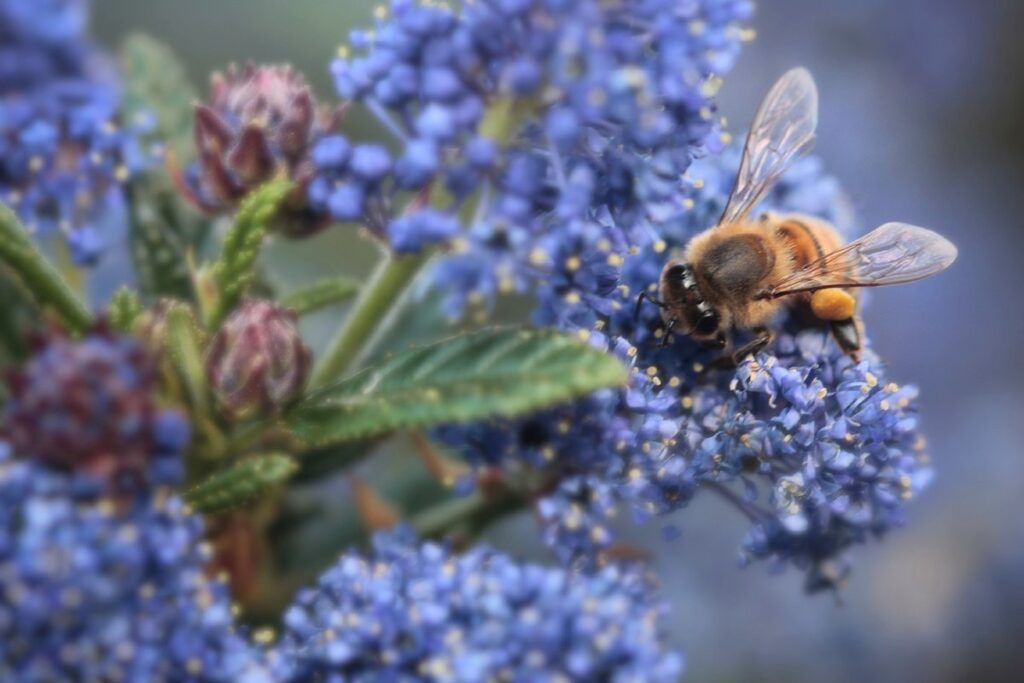
Importance of Native Bees in Ecosystem Services
Native bees play a vital role in maintaining healthy ecosystems, and their importance cannot be overstated when it comes to pollination services. Let’s take a closer look at why they’re so crucial for our environment.
Role of Native Bees in Pollination Processes
Native bees play a crucial role in pollination processes, and their services are essential to agriculture. When foraging for nectar, native bees transfer pollen from one plant to another, facilitating fertilization and seed production. This process is critical for the reproduction of many plant species, including those that produce fruits, vegetables, and nuts.
In fact, a significant proportion of global food crops rely on native bees as their primary pollinators. For example, almonds, apples, and blueberries are all heavily dependent on native bee services. Without these bees, many agricultural industries would struggle to maintain productivity levels.
Native bees are particularly effective at pollinating plants due to their unique behavior and physiology. Their hairy bodies collect and transport pollen with ease, allowing them to transfer it efficiently between flowers. Additionally, native bees tend to visit multiple flowers in a single trip, increasing the chances of cross-pollination.
To support these essential pollinators, gardeners and farmers can create bee-friendly habitats by planting diverse arrays of native flora that provide nectar-rich blooms throughout different seasons.
Economic Benefits of Native Bees for Agriculture
Native bees play a crucial role in agriculture by providing efficient pollination services to farmers and agricultural industries. A single colony of native bees can pollinate up to 80 acres of crops, making them ideal for large-scale farming operations.
Studies have shown that the economic benefits of native bee pollination far outweigh the costs associated with maintaining these colonies. In fact, a study conducted in the United States found that native bee pollination services add an estimated $15 billion to the country’s agricultural economy each year. This is because native bees are able to pollinate crops more efficiently than other pollinators, resulting in higher yields and better fruit quality.
To maximize the economic benefits of native bee pollination, farmers can take several steps. First, they should choose crop varieties that are attractive to native bees. For example, sunflowers are a favorite among many species of native bees. Second, they should create a diverse range of habitats within their farm, including native wildflowers and trees. This will provide native bees with the resources they need to thrive and pollinate crops effectively.
Challenges Facing Native Bee Populations
Native bees are facing numerous threats, from habitat loss and pesticide use to climate change, all of which can impact their ability to pollinate plants effectively. As a result, these challenges can have significant consequences for ecosystems and food systems alike.
Habitat Loss and Fragmentation as a Threat to Native Bees
Native bees rely on diverse and contiguous habitats to survive. However, widespread habitat destruction and fragmentation have led to a decline in native bee populations. When forests are cleared for agriculture or urban development, the remaining patches of natural vegetation become isolated from one another, disrupting the complex relationships between plants and pollinators.
This loss and fragmentation of habitats can be attributed to various human activities such as deforestation, agricultural intensification, and infrastructure development. For instance, a study in California found that native bee populations were significantly lower in areas with high levels of urbanization. The fragmented landscape makes it difficult for bees to find food, shelter, and mates, ultimately leading to population declines.
A key factor is the reduction in floral resources and nesting sites. Without adequate forage, bees struggle to collect nectar and pollen, while a lack of suitable habitats hinders their ability to nest and breed. This has severe consequences for pollinator services, as native bees are crucial for maintaining ecosystem health and crop productivity.
Impact of Pesticides on Native Bee Health and Population
Pesticides, herbicides, and other chemicals can have a devastating impact on native bee health and population numbers. These substances are often applied to crops as part of integrated pest management (IPM) strategies, but their effects on pollinators are not always considered. The most commonly used pesticides, such as neonicotinoids and pyrethroids, have been linked to bee deaths, colony collapse disorder, and impaired reproduction.
Research has shown that pesticide exposure can affect bees’ navigation and communication skills, leading to reduced foraging efficiency and increased mortality rates. A study in the UK found that bees exposed to certain pesticides had a 50% reduction in brain activity compared to unexposed bees. This is concerning because bees rely on their brains to navigate back to their hives and communicate with each other.
Some practical steps can be taken to minimize the impact of chemicals on native bee populations. Farmers can adopt IPM strategies that prioritize natural pest control methods, such as introducing beneficial insects or using physical barriers. Additionally, gardeners and homeowners can choose plant species that are less likely to require chemical treatments, and opt for integrated pest management practices in their own gardens.
The Economic Value of Pollination Services Provided by Native Bees
Native bees play a crucial role in pollinating crops, and understanding their economic value is essential for evaluating their impact on agriculture. Let’s explore the significant contributions of these tiny pollinators to our food supply.
Methodologies for Valuing Pollination Services
Pollination services provided by native bees are valued using various methodologies to quantify their economic importance. One approach is the Contingent Valuation Method (CVM), which estimates the value people place on pollination services through surveys and questionnaires. This method is useful for determining non-market values, such as the benefits of pollination to human health.
Another methodology is the Hedonic Pricing Approach (HPA), which analyzes the relationship between property prices and local pollinator populations. By comparing property prices in areas with high versus low pollinator activity, researchers can estimate the economic value of pollination services.
The Net Present Value (NPV) method calculates the present value of future pollination services by estimating crop yields and revenue generated by native bees. This approach considers factors such as climate change, pests, and diseases that may impact pollination.
These methodologies help policymakers and conservationists understand the economic importance of native bee pollination services and make informed decisions about resource allocation for their preservation.
Case Studies: Economic Impacts of Native Bee Declines on Agriculture
Declines in native bee populations have significant economic consequences for agricultural production and revenue. A study on California’s almond industry found that a 20% decline in bee populations resulted in an estimated $10 million loss in annual revenue. This is due to the increased cost of importing non-native bees to supplement local pollination services.
In Australia, research has shown that a reduction in native bee populations led to a decrease in crop yields and quality for blueberries, strawberries, and cucumbers. The study estimated an annual loss of AUD 1 million in revenue for these crops alone. In the United States, similar losses have been reported in apple and cherry production.
Agricultural producers can mitigate these effects by implementing conservation practices such as planting bee-friendly flowers and reducing pesticide use. This approach not only supports local pollinator populations but also reduces the reliance on non-native bees and the associated costs. By adopting more sustainable agricultural methods, farmers can help maintain stable pollination services and protect their revenue streams.
Human Activities Contributing to the Annual Value of Native Bees
Native bee pollinators play a crucial role in agriculture, and their value is significantly impacted by human activities such as deforestation and pesticide use. These factors directly affect the health and population of native bees.
Urbanization and Its Effects on Local Pollinator Populations
Urbanization leads to habitat loss and fragmentation, which significantly affects native bee populations. As urban areas expand, natural habitats like meadows and forests are converted into residential zones, commercial spaces, or infrastructure projects. This replacement of natural habitats with built environments disrupts the delicate balance between pollinators and their food sources.
Native bees rely on specific floral resources, such as sunflowers, lavender, and coneflowers, which provide essential nectar and pollen for sustenance and reproduction. When these plants are removed or destroyed due to urbanization, local bee populations suffer. Studies have shown that areas with high levels of urbanization tend to have lower native bee diversity.
Urban planning strategies can mitigate the impact on pollinators. Cities can incorporate green spaces like rooftop gardens, community gardens, or parks that provide habitat for native bees. These spaces can be designed to mimic natural habitats by incorporating a variety of flowers that bloom at different times, providing a constant source of nectar and pollen throughout the growing season.
Incorporating bee-friendly features into urban planning is crucial for maintaining healthy pollinator populations. Cities like Chicago and Toronto have implemented policies to create bee-friendly green spaces, demonstrating the potential for urban areas to support native bees.
Climate Change: Impacts on Pollinators and Pollination Services
Climate change poses a significant threat to pollinators and their ability to provide essential pollination services. Rising temperatures and altered precipitation patterns disrupt the delicate balance of ecosystems, making it challenging for native bees to adapt and survive. Changes in flowering phenology – the timing of plant blooms – can leave pollinators without food sources when they need them most. For example, a study in California found that almond flowers bloomed 8-10 days earlier between 2006 and 2015 due to warmer temperatures, but this shift occurred before many native bees had finished their winter diapause.
Additionally, climate change exacerbates the effects of other stressors on pollinators. Warmer temperatures increase the spread of disease, while droughts reduce nectar flows, further compromising pollinators’ ability to gather energy and nutrients. These cascading impacts can have far-reaching consequences for agriculture and ecosystems reliant on native bees for pollination services. To mitigate these effects, it’s essential to consider climate-resilient habitats and planting strategies that provide a steady supply of food for pollinators throughout the year.
Mitigation Strategies and Conservation Efforts for Native Bee Populations
Native bee populations face numerous threats, making conservation efforts crucial to preserving these vital pollinators. Let’s examine some effective strategies for mitigating their decline and protecting native bee habitats.
Habitat Restoration and Creation as a Solution to Declining Populations
Restoring and creating habitats is crucial to native bee survival and population growth. Many native bees rely on specific plant species for food and shelter, which are often found in fragmented or degraded ecosystems. By restoring these areas, we can provide a safe haven for native bees to thrive.
Initiatives like the “Bee Hotel” program, implemented by local conservation groups, involve creating artificial nesting sites that mimic natural habitats. These structures are designed with specific features such as hollow tubes and varying diameters to accommodate different species of solitary bees. By providing these alternative habitats, we can increase the chances of native bee populations recovering.
Another approach is restoring meadows and prairies, which were once common in many regions but have been largely converted into agricultural land or urban spaces. Restoring these ecosystems involves reintroducing native plant species, controlling invasive weeds, and reducing herbicide use. For example, a study on a restored meadow in the Midwest found that the native bee population increased by 30% within just two years.
A key aspect of habitat restoration is selecting the right plant species. Some examples include coneflowers, black-eyed susans, and milkweed, which are all rich in nectar and pollen.
Community Engagement and Education for Pollinator Conservation
Community-based programs have proven to be effective in promoting pollinator conservation through education and awareness campaigns. These initiatives often involve partnerships between local organizations, schools, and government agencies to develop and implement targeted outreach efforts.
One such example is the creation of pollinator gardens within urban areas. By establishing these gardens, communities can provide a source of native flowers and plants that are rich in nectar and pollen, offering a vital food source for native bees. Additionally, educational workshops and events can be held at these gardens to teach residents about the importance of pollinators and how they can contribute to conservation efforts.
Other community engagement strategies include developing school curricula that focus on pollinator biology and ecology. This not only educates children but also empowers them to become advocates for pollinator conservation in their communities. Moreover, community-led citizen science projects can be initiated to monitor local pollinator populations and track the effectiveness of conservation efforts.
By engaging with local residents through education and awareness campaigns, communities can foster a sense of responsibility and stewardship for pollinator conservation. This collective effort is crucial in protecting native bee populations and preserving their annual value to agricultural ecosystems.
Frequently Asked Questions
Can I start creating bee-friendly habitats in my backyard even if I live in an urban area?
Yes, you can create bee-friendly habitats in your urban backyard by planting native flowers and shrubs that provide pollen and nectar for native bees. Even a small plot of land can support a variety of pollinators.
What are some common mistakes people make when trying to conserve native bee populations, and how can I avoid them?
Common mistakes include using pesticides on lawns or gardens, which harm native bees, and planting non-native plants that may not provide the necessary resources for pollinators. To avoid these mistakes, research local nurseries for native plant species and maintain a pesticide-free zone in your garden.
How do I know if my community is a suitable location for bee hotels or other conservation efforts?
Assess your area’s climate, soil quality, and existing green spaces to determine the feasibility of installing bee hotels. Consider consulting with local experts or organizations focused on pollinator conservation to guide your decision-making process.
Can native bees adapt to changing climates, and what role do they play in mitigating the effects of climate change?
Yes, native bees can adapt to some extent, but their populations may decline due to shifting temperature and precipitation patterns. Native bees contribute to ecosystem resilience by maintaining pollination services even under changing conditions.
What specific actions can I take to help support local farmers and agricultural industries through efficient pollination services?
Support local farmers by purchasing produce from nearby farms or participating in community-supported agriculture (CSA) programs, which promote sustainable farming practices that benefit native bees. You can also get involved with organizations focused on pollinator conservation and habitat restoration initiatives for farmers.
