Creating a pollinator plot is one of the simplest ways to make a significant impact on your local ecosystem. By providing a haven for bees, butterflies, and other pollinators, you can help these vital creatures thrive in an environment that’s increasingly hostile to them. You’ll want to choose plants that are rich in nectar and pollen, such as sunflowers, lavender, and coneflowers, which will attract a variety of pollinators to your garden. When designing your pollinator plot, consider the specific needs of different species – some prefer full sun, while others need partial shade. In this article, we’ll explore expert advice on plant selection, garden design, and maintenance tips to create a thriving pollinator plot that attracts bees and butterflies in no time: you’ll be able to plan a beautiful and beneficial space for these essential creatures by the end of it.
Understanding the Importance of Pollinators
Pollinators play a vital role in our ecosystem, and understanding their importance is crucial to creating a thriving pollinator plot. Without them, many plants would be unable to reproduce.
The Role of Pollinators in Ecosystem Health
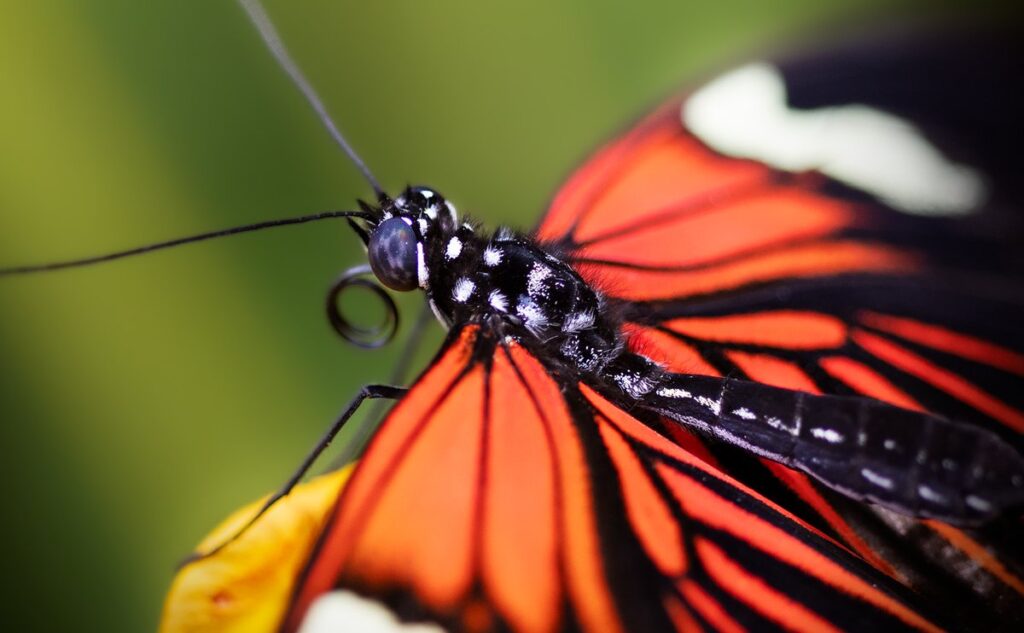
Pollinators like bees and butterflies are essential for plant reproduction. They transfer pollen between flowers, allowing plants to produce seeds and fruits. Without pollination, many plant species would be unable to reproduce, leading to a decline in their populations.
The consequences of a pollinator decline can be severe. For example, tomatoes, squash, and pumpkins rely heavily on bees for pollination. If bee populations continue to dwindle, these crops could become scarce or even disappear from local markets. The same goes for fruits like apples, blueberries, and strawberries.
To put the importance of pollinators into perspective, consider that one-third of all food production worldwide depends on animal pollination. This includes not just fruits and vegetables but also nuts, seeds, and coffee. In a garden setting, creating a pollinator plot is crucial for supporting these vital relationships between plants and pollinators.
In terms of specific plant selection, choose varieties that are rich in nectar and pollen, such as sunflowers, zinnias, and lavender. These flowers attract a wide range of pollinators, including bees, butterflies, and hummingbirds. By incorporating them into your garden design, you can create a haven for pollinators and support the health of your ecosystem.
The Impact of Habitat Loss on Pollinator Populations
Habitat loss due to urbanization and intensive agriculture has a devastating impact on pollinator populations. As natural areas are converted into roads, buildings, and agricultural fields, pollinators lose their primary food sources and shelter. This reduction in habitat quality and quantity leads to a decline in pollinator diversity and abundance.
Urban gardens like your pollinator plot can help mitigate this issue by providing a haven for pollinators to thrive. When designing your garden, consider the importance of maintaining a diverse range of native plants with varying bloom times to ensure that pollinators have access to a constant food supply. Avoid using pesticides, which can harm or kill pollinators and reduce biodiversity.
In particular, bees are highly sensitive to habitat loss. Their colonies require specific temperature ranges, humidity levels, and forage quality to survive. A loss of suitable habitats can weaken bee populations, making them more susceptible to disease and environmental stressors. By creating a diverse and thriving garden ecosystem, you can help support local pollinators and contribute to their conservation efforts.
Designing a Pollinator-Friendly Garden
When designing a pollinator-friendly garden, it’s crucial to consider the types of plants that will attract bees and butterflies, as well as their specific needs. Choosing the right flowers is just the beginning.
Choosing the Right Plants for Your Pollinator Plot
When selecting plants for your pollinator plot, focus on native wildflowers, herbs, and shrubs. These species have co-evolved with local pollinators and provide a food source rich in nectar and pollen. Choose plants that are specific to your region, as they will require less maintenance and support from you.
Native plants like coneflower (Echinacea spp.), black-eyed Susan (Rudbeckia hirta), and butterfly milkweed (Asclepias tuberosa) attract bees and butterflies with their vibrant flowers. Herbs such as lavender (Lavandula spp.) and mint (Mentha spp.) also provide a valuable source of nectar for pollinators.
When selecting plants, consider the bloom times and heights to create a diverse habitat structure. Plant species that bloom at different times will ensure a constant food source throughout the growing season. Incorporate plants with varying heights to provide shelter and nesting sites for pollinators.
Some specific examples include:
• Spring-blooming plants like crocus (Crocus spp.) and grape hyacinth (Muscari armeniacum) that attract early-season pollinators
• Summer-blooming plants like sunflower (Helianthus annuus) and cosmos (Cosmos bipinnatus) that support peak pollinator activity
• Fall-blooming plants like asters (Aster spp.) and goldenrod (Solidago spp.) that provide a late-season food source
Creating a Diverse Habitat Structure
When designing a pollinator plot, it’s essential to create a diverse habitat structure that meets the varied needs of different species. This can be achieved by incorporating multiple ecosystems within your garden, such as meadows, woodlands, and wetlands. Each of these habitats provides unique resources for pollinators.
Meadows offer an abundance of nectar-rich flowers, which are particularly attractive to bees and butterflies during peak bloom periods. Woodland areas provide sheltered spots for pollinators to roost and escape harsh weather conditions. Wetlands, with their aquatic plants, serve as breeding grounds for certain species, such as dragonflies and damselflies.
To create a diverse habitat structure, consider the following steps:
- Identify areas of your garden that can be designated as meadows, woodlands, or wetlands.
- Choose native plant species specific to each ecosystem, taking into account factors like soil type, sunlight, and moisture levels.
- Incorporate a mix of perennial and annual plants to ensure year-round pollinator activity.
- Consider incorporating features like logs, rocks, or mud puddles to provide additional resources for pollinators.
Planting Strategies for Maximum Impact
When creating a pollinator plot, strategic plant placement is crucial for attracting bees and butterflies. A thoughtful approach to planting will help you maximize impact in your garden.
Succession Planting: A Key to Year-Round Pollinator Activity
Succession planting is a crucial strategy for creating year-round pollinator activity in your garden. By strategically placing different plants with varying bloom times, you can provide a continuous source of nectar and pollen throughout the growing season. This approach mimics natural ecosystems where flowers bloom at different times, supporting pollinators during periods of peak activity.
To plan for seasonal changes in pollinator activity, consider the following factors: soil temperature, sunlight, and moisture levels. For example, early-spring bloomers like crocuses and daffodils provide essential nectar sources when temperatures are still cool. Summer-blooming flowers like sunflowers and zinnias offer a rich source of pollen for bees during warm months.
In the fall, asters and goldenrod produce copious amounts of nectar and pollen, supporting pollinators before winter sets in. When selecting plants for succession planting, choose species that bloom at different times, ensuring a constant flow of resources for pollinators. Consider using a mix of annuals and perennials to create a diverse and dynamic garden ecosystem.
Incorporating Native Plants with Different Bloom Times
Incorporating native plants with different bloom times is crucial for supporting pollinators throughout the year. As seasons change, so do the needs of these beneficial insects. In spring, bees and butterflies rely on early-blooming flowers like crocuses, daffodils, and cherry blossoms to provide nectar and pollen. Summer brings warmth, and with it, a surge in blooming plants like coneflowers, black-eyed susans, and bee balm.
To ensure a constant source of food for pollinators, consider incorporating native plants that bloom at different times. For example, plant early-blooming flowers like snowdrops or winter aconite in the fall to provide a late-winter nectar source. In spring, add plants like bleeding hearts, forget-me-nots, and violets, which bloom from April to June.
Summer-blooming plants like lantana, zinnias, and sunflowers can be added from May to July. For a prolonged blooming period, mix native grasses like little bluestem or big bluestem with summer-blooming flowers. In fall, incorporate asters, goldenrod, and chrysanthemums to provide nectar-rich flowers for pollinators as they prepare for winter.
Maintenance and Care of Your Pollinator Plot
To keep your pollinator plot thriving, it’s essential to provide regular maintenance and care, including watering and pruning techniques. This will ensure a healthy ecosystem for your beneficial visitors.
Tips for Minimizing Pesticide Use and Promoting Biodiversity
When it comes to managing pests in your pollinator plot, you have several options beyond relying on pesticides. Integrated pest management (IPM) strategies involve a multi-step approach to monitor and manage pests without harming beneficial insects. Start by identifying the types of pests present in your garden, such as aphids, whiteflies, or slugs. Then, consider using physical barriers like fine mesh or row covers to prevent infestations.
For example, if you’re dealing with aphids on your milkweed plants, try spraying them off with a strong jet of water instead of reaching for chemicals. You can also introduce beneficial insects like ladybugs or lacewings that prey on pest species. These natural predators are a safe and effective way to maintain balance in your ecosystem.
In addition to IPM, monitor your garden regularly to catch issues before they become severe. Look for signs of pests, such as holes in leaves or flowers, and take action promptly. By combining these strategies with careful plant selection and habitat design, you can promote biodiversity while minimizing the need for pesticides.
Seasonal Maintenance Tasks for Optimal Pollinator Support
When it comes to maintaining a pollinator plot, regular seasonal tasks are crucial for supporting the health and activity of these vital insects. Pruning is a key task, as overgrown plants can become too dense and shade out other flowers, reducing nectar and pollen availability. Deadheading, or removing spent blooms, also encourages continued flowering and attracts more pollinators to your garden.
Mulching is another essential maintenance task, as it helps retain soil moisture and suppresses weeds that might compete with your pollinator-friendly plants for water and nutrients. Apply a 2-3 inch layer of organic mulch around the base of your plants in early spring, keeping it a few inches away from plant stems to prevent rot.
Watering is also critical during dry spells, especially for plants with deep taproots like coneflowers and black-eyed Susans. Avoid overhead watering, which can wash away nectar and pollen, instead using soaker hoses or drip irrigation systems to deliver water directly to the roots.
Monitoring and Evaluating Your Pollinator Plot’s Success
As you tend to your pollinator plot, it’s essential to track its progress and make adjustments as needed. This means monitoring and evaluating key metrics like plant growth, insect activity, and flower production.
Tracking Pollinator Activity with Citizen Science Methods
When tracking pollinator activity in your garden, citizen science methods offer a powerful tool for monitoring plant health and observing species behavior. One effective approach is plant monitoring, where you record the presence or absence of specific plants throughout the growing season. This can be done using apps like PlantSnap or Leafsnap, which allow you to identify plants with high accuracy.
To take your observations to the next level, engage in species identification by documenting the types of pollinators visiting your plot. Note the time of day, weather conditions, and specific plants being visited. You can also use a camera trap or binoculars to capture images of pollinators without disrupting their activity.
Data collection is essential for analyzing trends and patterns in pollinator behavior. Use a spreadsheet or online platform like iNaturalist to record your observations, including photos and notes on species identification. Regularly reviewing this data will help you refine your garden design and plant selection, ensuring that your pollinator plot remains a thriving haven for bees, butterflies, and other beneficial insects.
When analyzing your data, look for correlations between specific plants, weather patterns, or time of day and pollinator activity. This information will enable you to make informed decisions about future garden renovations and optimize the health of your pollinator plot.
Using Data to Inform Future Plant Selection and Garden Design Decisions
When monitoring pollinator activity in your plot, you’ll want to track not just the types of visitors but also their numbers and behavior. This data can be incredibly valuable for informing future plant selection and garden design decisions. For instance, if you notice that bees are particularly drawn to a certain species of sunflower, you may consider adding more of those plants to your plot or incorporating similar bloomers with similar characteristics.
Conversely, if you observe that butterflies seem to prefer a specific type of milkweed, you can use this information to adjust your plant palette and provide the necessary resources for these visitors. Keep in mind that local pollinator populations may have unique preferences, so it’s essential to tailor your plant selection based on the specific needs of your area.
By collecting and analyzing data on pollinator activity, you can also identify patterns and trends that might not be immediately apparent. For example, if you notice that certain plants seem to attract more visitors during a particular time of day or season, this can help inform decisions about which plants to prioritize in different areas of the garden.
Frequently Asked Questions
Can I use succession planting in containers?
Yes, succession planting can be adapted for container gardens to provide a continuous source of nectar and pollen. Choose compact or dwarf varieties of plants that bloom at different times and are suitable for containers.
How do I know if my pollinator plot is attracting the right species?
To determine whether your pollinator plot is attracting the desired species, monitor plant health, observe pollinator activity, and track changes in local species populations over time. Analyze data from citizen science methods, such as plant monitoring and species identification, to inform future garden design decisions.
Can I mix native plants with non-native plants in my pollinator plot?
While it’s possible to mix native and non-native plants, doing so can create competition for resources and potentially harm the ecosystem. Prioritize native plants that are adapted to your local climate and soil conditions to support the healthiest pollinator populations.
What if I have limited space – can I still create a pollinator plot?
Yes, even small spaces can be used to create a pollinator-friendly garden. Use vertical gardening techniques, such as trellises or wall-mounted planters, to maximize space and incorporate native plants that are compact or dwarf varieties.
How do I deal with common pests like aphids and whiteflies in my pollinator plot?
To manage pests like aphids and whiteflies without harming pollinators, adopt integrated pest management (IPM) strategies. Use physical barriers, such as fine mesh, to prevent infestation, and encourage beneficial insects, like ladybugs or lacewings, which prey on these pests.