
Many gardeners are looking for natural ways to feed their plants without breaking the bank or harming the environment. One often-overlooked solution is using banana peel fertilizer, which provides essential nutrients to your soil while minimizing waste. If you’re like many home gardeners, you likely throw away banana peels after cooking with bananas, but they can be repurposed as a valuable resource for your garden. Making banana peel fertilizer at home is surprisingly easy and requires minimal equipment – just some banana peels, water, and patience. In this article, we’ll explore the benefits of using banana peel fertilizer, how to make it effectively, and provide tips on composting and direct application methods so you can give your plants the nutrients they need to thrive. By the end of this post, you’ll know exactly how to create a nutrient-rich fertilizer from household waste.
What is Banana Peel Fertilizer?
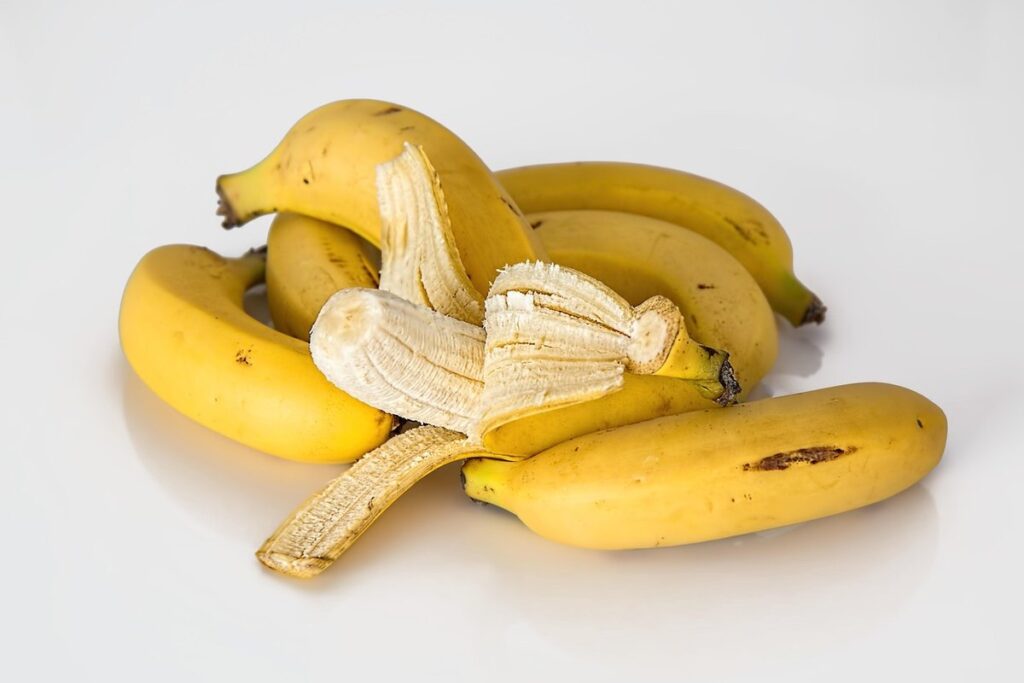
At its core, banana peel fertilizer is a simple yet effective way to reuse household waste and provide essential nutrients for your plants. Let’s take a closer look at what makes it so valuable for gardeners like you.
Benefits of Using Banana Peels
Using banana peels as a fertilizer offers several advantages. The most significant benefit is their natural composition. Unlike synthetic fertilizers, which can harm plants and the environment, banana peels are non-toxic and biodegradable. This makes them an excellent choice for gardeners who want to avoid chemicals in their soil.
Banana peels also have high nutrient content. They contain potassium, magnesium, and sulfur – essential macronutrients that promote healthy plant growth. When added to compost piles or used as a direct application, these nutrients are released slowly, providing plants with a steady supply of energy.
Another benefit is the ease of use. Banana peels can be collected from your kitchen, eliminating waste and reducing the need for external fertilizers. Simply dry the peels, grind them into a powder, and mix it with soil or compost. This simple process requires minimal effort and resources.
Composting with banana peels also speeds up the decomposition process. The high water content in banana peels helps to balance out dry materials, creating an ideal environment for microorganisms to thrive. By incorporating banana peels into your gardening routine, you can create a nutrient-rich soil amendment that promotes healthy plant growth while minimizing waste and environmental impact.
How to Make Banana Peel Fertilizer at Home
To make banana peel fertilizer at home, start by collecting a sufficient quantity of peels from ripe bananas. Wash the peels thoroughly to remove any dirt, wax, or pesticide residues. Next, dry the peels using one of two methods: air drying or dehydrating.
Air drying involves laying the peels flat on a paper bag or tray and allowing them to dry completely in a warm, well-ventilated area, typically 7-10 days. Dehydrating uses a food dehydrator at 135°F (57°C) for 6-8 hours. Once the peels are dry, they should be brittle and crumbly.
After drying, process the banana peels into a powder using a coffee grinder or blender. Sift the powder to remove any lumps or large particles. Store the finished fertilizer in an airtight container, protected from moisture and pests. The resulting powder can be added to soil at a rate of 1-2 tablespoons per gallon of water for seedlings and young plants, or as needed for mature plants. Keep in mind that banana peel fertilizer is high in potassium and phosphorus, so it’s essential to balance its application with other nutrient sources to avoid over-fertilization.
Nutritional Value of Banana Peels
You might be surprised to learn that banana peels are a rich source of essential nutrients, including potassium and vitamins B6 and C. These nutrients can benefit your garden in numerous ways.
Macronutrients in Banana Peels
Banana peels are rich in macronutrients essential for plant growth. The nitrogen content in banana peels is relatively high, making them a valuable addition to compost piles. A typical banana peel contains around 0.5-1% nitrogen by dry weight, which translates to approximately 2-4 grams of nitrogen per 100 grams of dried peel.
Phosphorus levels are also significant in banana peels, with an average content of 0.1-0.3% phosphorus by dry weight. This phosphorus is readily available for plant uptake, making it an excellent addition to fertilizers. Potassium levels vary depending on factors like the ripeness and variety of bananas but typically range from 0.5-1.5% potassium by dry weight.
These macronutrients are released slowly as banana peels break down in compost or when applied directly to soil, providing a steady supply of nutrients for plants over an extended period. To maximize nutrient availability, it’s best to chop or tear banana peels into smaller pieces before adding them to the compost pile or mixing with other fertilizers.
Note: The exact macronutrient content can vary depending on factors like ripeness and variety, but overall, banana peels are a rich source of nitrogen, phosphorus, and potassium.
Micronutrients in Banana Peels
Banana peels are a rich source of micronutrients, essential elements that play a vital role in plant growth and development. One of the most significant micronutrient components in banana peels is calcium, which helps to promote strong cell walls and support root development. Magnesium, another key micronutrient, aids in photosynthesis, nutrient uptake, and enzyme function. Sulfur, an essential component for healthy plant growth, is also present in banana peels.
A 100-gram serving of dried banana peel contains approximately 1.5 grams of calcium, 0.3 grams of magnesium, and 0.2 grams of sulfur. These micronutrients are absorbed by plants through the process of decomposition, making them readily available for uptake when used as a fertilizer. To maximize the availability of these micronutrients, it’s essential to ensure that banana peels are properly decomposed before adding them to your garden soil.
To incorporate more calcium, magnesium, and sulfur into your garden, consider composting banana peels with other organic materials like leaves, grass clippings, or coffee grounds. Regularly mixing in a 1:10 ratio of banana peels to “brown” compost will provide an adequate supply of these essential micronutrients for healthy plant growth.
How to Use Banana Peel Fertilizer
To get the most out of your banana peel fertilizer, you’ll want to learn how to use it effectively and efficiently in your garden. We’ll cover some essential tips for successful application and use.
Composting with Banana Peels
When incorporating banana peel fertilizer into a composting process, it’s essential to balance pH levels to ensure optimal nutrient retention. Banana peels are slightly acidic, with a pH range of 5.5-6.5. To maintain a balanced compost pile, add banana peels in moderation, about 10-15% of the total compost material. This allows the natural carbon-to-nitrogen ratio to remain intact.
To prevent pests and odors, bury banana peels deep within the compost pile or mix them with other carbon-rich materials like leaves or shredded newspaper. Avoid adding excessive amounts, as this can lead to anaerobic conditions and attract unwanted insects. A general rule of thumb is to mix 1-2 cups of chopped banana peels per 10 gallons of compost material.
To speed up the decomposition process, add a handful of finished compost or worm castings to the pile. This will introduce beneficial microorganisms that break down organic matter efficiently. Monitor your compost’s temperature and moisture levels regularly to ensure it remains within the optimal range (130-140°F and 50-60% water content). By following these guidelines, you can create a nutrient-rich banana peel fertilizer that benefits your garden while minimizing potential issues.
Direct Application Methods
When using banana peel fertilizer directly on plants, you have a few options beyond simply burying the peels around the base of the plants. One method is to make a tea by steeping banana peels in water. To do this, place 2-3 banana peels in a bucket or container and add enough water to cover them. Let it sit for 24 hours, then strain the liquid and use it as a foliar spray on your plants.
Another option is to make a spray by blending banana peels with water in a blender. This will break down the fibers and release the nutrients more quickly. Strain the mixture through a cheesecloth or fine mesh sieve before applying it to your plants.
You can also use a combination of both methods: steeping the peels for 24 hours to create a concentrated liquid, then diluting it with water and spraying it on your plants. This will give you more control over the application rate and ensure that your plants receive just the right amount of nutrients.
Advantages Over Synthetic Fertilizers
Using banana peels as fertilizer offers several benefits over synthetic fertilizers, including a more natural approach to gardening and improved soil health for your plants. This is particularly appealing for gardeners seeking eco-friendly solutions.
Environmental Benefits of Banana Peel Fertilizer
Using banana peels as a fertilizer offers several environmental benefits. For one, it reduces waste sent to landfills. Instead of throwing away banana peels, you can compost them and use them to nourish your plants. This approach minimizes the amount of organic material that ends up in landfills, where it would otherwise decompose and produce methane – a potent greenhouse gas.
Banana peel fertilizer also results in lower greenhouse gas emissions compared to synthetic fertilizers. Most commercial fertilizers rely on non-renewable energy sources during production and transportation, contributing to carbon pollution. In contrast, banana peels are readily available and can be processed locally, significantly reducing the carbon footprint associated with fertilizer use.
Composting banana peels also sequesters carbon in the soil, which helps mitigate climate change. As the peels break down, they form a nutrient-rich compost that retains moisture, suppresses weeds, and supports beneficial microbes – all essential for maintaining healthy soil ecosystems. By embracing this eco-friendly approach to gardening, you can reduce your environmental impact while still growing thriving plants.
Cost-Effectiveness and Long-Term Savings
Switching to banana peel fertilizer can lead to significant cost savings in the long run. The initial investment of time and effort to collect and process banana peels is minimal compared to the reduced purchasing costs of synthetic fertilizers. By using banana peel fertilizer, you can cut back on chemical fertilizer expenses by up to 50% per season.
Moreover, banana peel fertilizer promotes healthy soil microorganisms, which in turn increases crop yields. A higher yield means more produce for you to harvest and sell, generating a direct financial benefit. To maximize these savings, consider applying banana peel fertilizer as a foliar spray or incorporating it into your compost pile to create a nutrient-rich fertilizer.
When calculating the cost-effectiveness of banana peel fertilizer, factor in the long-term benefits of using this natural alternative. As you continue to use banana peels, you’ll save money on fertilizers year after year. Consider the cumulative savings over multiple growing seasons and weigh them against any initial investment required for equipment or supplies. By making the switch to banana peel fertilizer, you can enjoy both environmental sustainability and financial benefits in your garden.
Common Misconceptions and Concerns
One of the biggest hurdles to adopting banana peel fertilizer is overcoming common misconceptions, such as its potential impact on soil quality. We’ll address these concerns head-on in this section.
Debunking Myths About Banana Peel Fertilizer
Many gardeners are hesitant to use banana peels as fertilizer due to misconceptions about attracting pests and spreading diseases. One common myth is that banana peels will attract aphids and other unwanted insects to their plants. However, this is not the case: banana peels are a natural deterrent for many pests, and can even help to repel aphids and whiteflies.
Another concern is that using banana peels as fertilizer will spread diseases from the fruit to the soil and then to the plant. But most commercial bananas are grown in large-scale operations with strict sanitation controls, making it highly unlikely that disease-carrying organisms would be present on the peel. In fact, composting banana peels properly – by burying them deep within a pile or mixing them with other compost materials – kills off any potential pathogens.
To put these concerns to rest, gardeners can take simple precautions: compost banana peels in a separate bin from other food waste, and ensure that the compost is fully broken down before using it as fertilizer. By following proper composting techniques and taking a few basic precautions, gardeners can confidently use banana peel fertilizer without worrying about attracting pests or spreading diseases.
Safety Precautions and Handling Tips
When handling banana peel fertilizer, it’s essential to take precautions against contamination and allergic reactions. Start by wearing gloves when working with the peels to prevent skin contact. This is particularly important for individuals who have sensitive skin or allergies.
To avoid cross-contamination, designate a separate area for preparing and storing the banana peel fertilizer. Ensure this space is well-ventilated and free from dust and debris. When disposing of unused peels, do so in a sealed bag or container to prevent attracting pests or creating odors.
When applying banana peel fertilizer directly to plants, avoid overapplying, as this can lead to burning or scorching the leaves. Instead, follow the recommended dilution ratio and apply it evenly around the base of the plants. Keep in mind that banana peels are high in nitrogen, so they should be balanced with other nutrients to maintain a healthy soil pH.
Some individuals may experience allergic reactions to banana peels, such as skin irritation or respiratory issues. If you notice any adverse effects after handling banana peel fertilizer, discontinue use and consult a medical professional for guidance.
Case Studies and Real-World Applications
Let’s take a look at real-life examples of how banana peel fertilizer has been successfully used by gardeners, farmers, and even large-scale agricultural projects. We’ll explore some inspiring case studies together.
Successful Examples of Banana Peel Fertilizer Use
Gardeners in tropical regions have long utilized banana peels as a natural fertilizer. In Indonesia, farmers have incorporated banana peel compost into their traditional farming practices to boost yields and improve soil health. For instance, a small-scale farmer in Bali reported a 25% increase in coconut production after adding banana peel compost to the soil.
Similarly, in India, the rural community of Uttarakhand has implemented a large-scale banana peel composting program to reduce waste and enhance crop productivity. The project involves collecting banana peels from local markets and households, processing them into compost, and then distributing it among farmers. This initiative not only reduces organic waste but also provides a valuable resource for small-scale farmers.
Other successful examples include the use of banana peel fertilizer in container gardens and urban farming projects. In these settings, compacted soil benefits greatly from the addition of nutrient-rich banana peels. To replicate this success, gardeners can start by collecting banana peels, letting them dry, and then mixing them into their compost piles or using them as a direct mulch around plants. This approach not only reduces waste but also creates a sustainable fertilizer source for future gardening needs.
Future Developments and Research Directions
Research is underway to further optimize banana peel fertilizer’s nutritional content and application methods. Scientists are exploring ways to enhance the peels’ nitrogen and phosphorus levels, which could improve their effectiveness as a standalone fertilizer. One promising area of research involves using enzymes to break down the peels’ complex nutrients more efficiently.
Potential collaborations with industry leaders could also drive innovation in banana peel fertilizer production and use. For instance, partnering with composting companies or garden supply manufacturers could streamline the process of collecting and processing banana peels, making it easier for gardeners to access this sustainable resource. Another area of potential collaboration is with agricultural experts who specialize in soil health and fertility management.
Some researchers are also investigating the use of banana peel fertilizer as a component in integrated pest management (IPM) systems. By combining the nutrient-rich peels with other natural pest control methods, gardeners may be able to reduce their reliance on synthetic pesticides. As this research continues to evolve, we can expect to see even more effective and sustainable ways to harness the power of banana peels for gardening success.
Conclusion and Next Steps
Now that you’ve learned how to make your own banana peel fertilizer, it’s time to put what you’ve discovered into practice for a more sustainable gardening routine. Let’s summarize key takeaways and plan next steps together!
Recap of Key Takeaways
When using banana peel fertilizer in your garden, remember to compost banana peels with other organic matter to create a nutrient-rich soil amendment. This process allows for optimal absorption of potassium, magnesium, and sulfur. For direct application, mix finely chopped banana peels into the soil or use them as a mulch around plants.
Key takeaways from this article include understanding that banana peel fertilizer is not only a sustainable option but also an effective one. It’s essential to note that composting with banana peels can improve soil structure and fertility over time. When considering alternative fertilizers, keep in mind the environmental benefits of using banana peels – they reduce food waste and minimize chemical runoff.
To make the most of banana peel fertilizer, follow these practical tips:
- Compost banana peels regularly to maintain a steady supply of nutrients
- Apply banana peel fertilizer at the right time: during planting or after harvesting
- Mix it with other organic matter for optimal results
By incorporating banana peel fertilizer into your gardening routine, you’ll be reducing waste while promoting healthy plant growth. Remember that consistent application and patience are key to seeing the full benefits of this sustainable solution.
Encouraging Readers to Try Banana Peel Fertilizer
Now that you’ve learned about the benefits and applications of banana peel fertilizer, it’s time to put theory into practice. If you’re new to using banana peels for gardening, start by experimenting with a small batch of fertilizer on a single plant or a few pots. This will allow you to gauge its effectiveness and observe any potential effects firsthand.
Consider consulting online forums, social media groups, or local gardening clubs for advice and inspiration from fellow gardeners who have successfully incorporated banana peel fertilizer into their routines. You can also explore YouTube tutorials and online courses that provide in-depth guidance on composting with banana peels and other natural fertilizers.
When experimenting with banana peel fertilizer, remember to monitor your plants’ responses closely, adjusting your application rates or methods as needed. Be patient and observe how your garden responds over time – it may take a few weeks for the benefits of banana peel fertilizer to become fully apparent.
Frequently Asked Questions
Can I use banana peel fertilizer on all types of plants?
Yes, banana peel fertilizer is suitable for most houseplants and garden plants, but it’s essential to note that sensitive plants like orchids or cacti might require special care. Start with a small amount and monitor your plant’s response before applying more.
How long does banana peel fertilizer take to show results?
The time it takes to see noticeable improvements in plant health can vary depending on factors such as soil quality, climate, and the specific nutrient needs of your plants. Generally, you may start to notice benefits within 1-3 months after consistent application.
What if I don’t have a compost bin? Can I still use banana peel fertilizer?
While composting is an excellent way to prepare banana peels for use as fertilizer, it’s not the only method. You can also dry and grind the peels into a powder, which can be applied directly to soil or mixed with water to create a liquid solution.
Is it safe to use banana peel fertilizer in containers?
Yes, banana peel fertilizer is suitable for container gardens, but keep in mind that the nutrient-rich properties may cause an overgrowth of plants. Balance your application by monitoring plant growth and adjusting as needed.
How do I store dried banana peels long-term without losing their effectiveness?
To maintain the potency of your dried banana peels, store them in airtight containers or bags to protect from moisture and pests. Label the storage container with the date and contents for easy tracking and future reference.

