Brown chickens have been a staple in many backyard flocks and commercial farms for centuries, prized for their rich plumage and high-quality eggs. But did you know that not all brown chicken breeds are created equal? Some popular varieties, such as the Marans and the Barnevelder, boast unique characteristics like dark chocolate-brown eggs and robust build. However, these desirable traits often come with trade-offs in terms of health considerations. For instance, certain breeds may be more susceptible to heat stress or have specific dietary needs that backyard keepers and commercial farmers must take into account. In this article, we’ll explore the history, characteristics, and benefits of various brown chicken breeds, helping you make an informed decision for your flock.
History and Origins of Brown Chicken Breeds
The origins of brown chicken breeds are deeply rooted in history, with some strains dating back to ancient times. We’ll take a closer look at how these beloved birds came to be.
The Ancient Roots of Brown Chickens
In ancient civilizations such as Egypt and Greece, brown chickens were highly valued for their rich, dark eggs. Archaeological evidence suggests that these birds were first domesticated around 1500 BCE, with depictions of brown-feathered hens appearing on tomb walls and pottery from the time period. The Egyptians prized these birds for their unique egg-laying abilities, which provided a distinct advantage in food production.
In Greece, brown chickens were also highly regarded, with the philosopher Aristotle writing about their desirable characteristics. He noted that they were hardy, prolific layers, and well-suited to Mediterranean climates. It’s likely that these early breeders selectively bred birds for specific traits, such as feather color and egg size, to create more desirable offspring.
The development of brown chicken breeds in ancient civilizations laid the foundation for modern-day varieties. By understanding the historical context of these birds, we can appreciate their significance in agriculture and poultry husbandry. This knowledge can also inform our breeding practices today, as we seek to preserve and improve upon these classic breeds.
Early Breed Development and Standardization
Early breeders of brown chicken breeds focused on creating robust and prolific birds. They selectively bred existing fowl for desirable traits such as rich brown plumage, hardiness, and high egg production. In many cases, they combined characteristics from different breeds to create new ones with unique features.
For instance, the development of the Marans breed in France involved crossing local brown fowl with other breeds, like the Campine and the Cochin. This process allowed early breeders to introduce the deep chocolate-brown color that is characteristic of Marans today. Similarly, in England, breeders developed the Barnevelder by combining the qualities of Dutch fowls with those of native English birds.
The standardization of brown chicken breeds was a gradual process that took several decades. Breed clubs and organizations played a crucial role in establishing breed standards and promoting uniformity among breeders. By adopting standardized criteria for evaluating breed quality, these groups helped to establish the distinct characteristics we associate with popular brown breeds like the Marans and the Barnevelder today.
Characteristics and Types of Brown Chicken Breeds
Brown chicken breeds come in a wide range of characteristics and types, from their plumage to egg-laying abilities. Let’s take a closer look at some of the most notable distinctions within this group.
Physical Characteristics of Brown Chickens
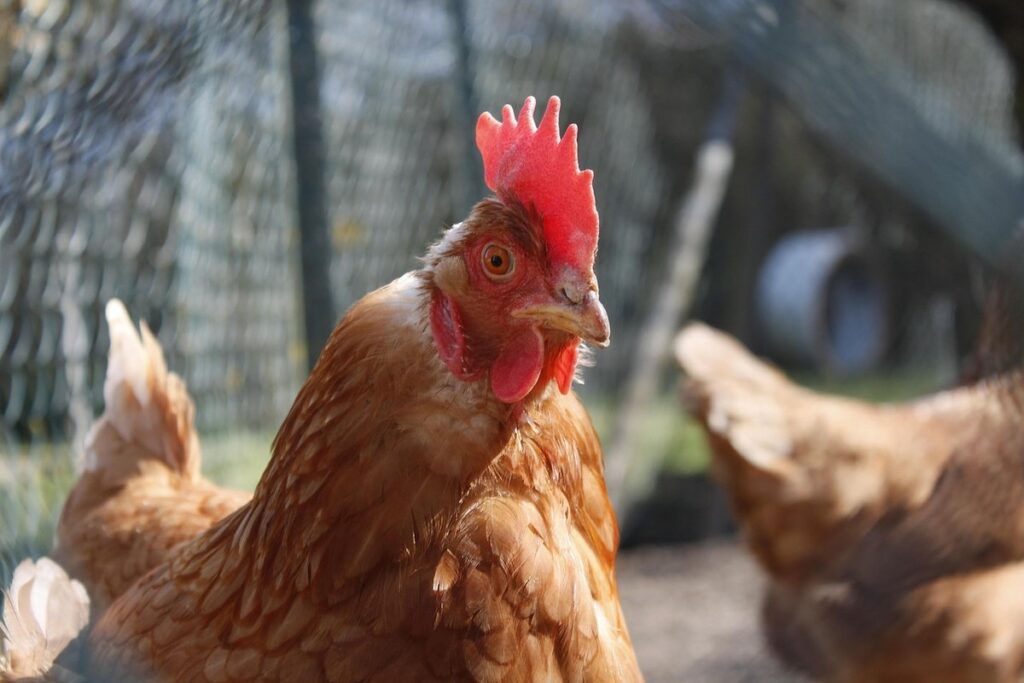
Brown chicken breeds are instantly recognizable by their distinctive physical characteristics. One of the most notable features is their feather coloration, which can range from a light golden brown to a deep chocolate color. The Marans breed, for example, has feathers that are a rich, dark brown with a subtle sheen, while the Barnevelder’s plumage is more muted and warm-toned.
The comb type also varies among brown chicken breeds. Some, like the Plymouth Rock, have single combs that are relatively small and rounded, while others, such as the Red Sex Link, have double combs that are larger and more pointed. The shape and size of the beak can also provide clues about a bird’s ancestry: for instance, many brown chicken breeds have a straight or slightly curved beak.
In terms of overall appearance, brown chickens tend to have a stocky build and a compact frame, with well-set wings and a relatively short tail. However, it’s worth noting that individual birds can exhibit considerable variation, even within the same breed. To accurately identify a brown chicken breed, it’s essential to consider all these physical characteristics together – not just one or two features in isolation.
Egg-Laying and Meat Production in Brown Chickens
Brown chicken breeds are often prized for their versatility, capable of thriving both as egg-laying hens and meat producers. In terms of weight gain, many brown chicken breeds can reach market weight quickly due to their fast growth rate. For example, the Plymouth Rock breed is known for its ability to grow up to 5 pounds in just a few weeks. This rapid growth rate makes them an attractive choice for small-scale farmers or backyard flock owners who want to diversify their production.
Reproductive efficiency is another key factor that contributes to brown chicken breeds’ suitability for both egg-laying and meat production. Brown hens typically have higher fertility rates compared to white-feathered breeds, resulting in fewer lost eggs and a lower incidence of reproductive problems. This can be attributed to the breed’s genetic makeup, which often includes characteristics like robust health and high hatchability. In practical terms, this means that brown chicken owners can expect a more stable and predictable egg-laying cycle, as well as improved overall fertility rates when breeding for meat production.
Popular Brown Chicken Breeds Around the World
From the rugged Brahmas of Australia to the majestic Marans of Europe, we’re going to take a tour around the world to explore some of the most popular brown chicken breeds. Let’s meet the iconic birds from different continents!
American Brown Breeds: The Plymouth Rock and Red Sex Link
The Plymouth Rock and Red Sex Link are two popular American brown chicken breeds used extensively in commercial poultry farming. The Plymouth Rock is a heritage breed known for its gentle nature and high egg production, with hens laying an average of 200-220 eggs per year. They have a distinctive appearance, characterized by their sturdy build, broad chests, and rich, chestnut-brown plumage.
In contrast, the Red Sex Link is a crossbreed developed specifically for its high egg-laying capacity, producing around 300-320 eggs per year. This breed’s egg production makes it an attractive choice for large-scale commercial farms. The Red Sex Link has a more uniform appearance than the Plymouth Rock, with a deep reddish-brown color and a leaner build.
One key difference between these two breeds lies in their management requirements. Plymouth Rocks are generally easier to care for, as they are less prone to health issues and require minimal specialized equipment. In contrast, Red Sex Links demand more attention due to their high egg production, which can put additional strain on the flock’s overall health if not managed properly.
Both breeds have found a niche in commercial poultry farming due to their adaptability and reliability.
European Brown Breeds: The Marans and Barnevelder
The Marans and Barnevelder are two of Europe’s most beloved brown chicken breeds. Originating from France, the Marans has a rich history dating back to the 13th century, where they were prized for their dark chocolate-brown eggs. Today, they’re still sought after by backyard chicken keepers for their gentle nature and excellent egg-laying abilities.
Breed standards dictate that Marans should weigh around 7-8 pounds and have a glossy, black plumage with a distinctive copper sheen on the wings and tail feathers. They’re known to be quiet and laid-back, making them an ideal choice for small backyards or communities with noise restrictions.
The Barnevelder, on the other hand, hails from the Netherlands and is prized for its striking silver-gray plumage with dark brown undertones. Developed in the early 20th century as a dual-purpose breed, Barnevelters are known to be prolific egg layers and capable meat producers. They’re also recognized for their friendly and docile nature, making them a popular choice among backyard chicken enthusiasts.
When choosing between these two breeds, consider your personal preferences regarding noise levels, space constraints, and desired egg production. Both the Marans and Barnevelder have unique characteristics that make them well-suited to specific needs and circumstances.
Health Considerations for Brown Chicken Breeds
When it comes to owning a brown chicken breed, understanding their specific health needs is crucial. Let’s discuss some key considerations to ensure your feathered friend stays happy and healthy.
Common Health Issues Affecting Brown Chickens
Parasite infestations are a common health issue affecting brown chicken breeds. Mites, lice, and ticks can attach to their feathers and skin, causing discomfort, stress, and even anemia. Regular inspections and prompt treatment with approved medications or natural remedies like diatomaceous earth can help prevent and control these infestations.
Respiratory problems are another concern for brown chickens. Inadequate ventilation in coops or pens can lead to ammonia buildup from their droppings, causing irritation and inflammation in the eyes, nose, and lungs. Providing adequate airflow, using bedding materials that absorb moisture, and ensuring regular cleaning of living areas can help mitigate these issues.
Nutritional deficiencies are also prevalent among brown chicken breeds. A diet lacking essential vitamins and minerals like calcium, phosphorus, and vitamin D3 can lead to soft eggshells, poor feather quality, or even osteoporosis. Ensuring access to a balanced feed with proper nutrient levels and supplementing their diets as needed can help prevent these deficiencies.
To manage these health issues effectively, it’s essential to maintain accurate records of your flock’s behavior, weight, and overall condition. Regular monitoring for signs of illness or stress will allow you to intervene promptly and make informed decisions about treatment or management strategies.
Breed-Specific Health Concerns and Management Strategies
Some brown chicken breeds are more prone to certain health issues due to their genetic makeup. For example, Marans are susceptible to a condition called gigantism, which can lead to reproductive problems and an increased risk of cancer. In contrast, Barnevelders are often affected by crossed beak syndrome, a deformity that affects the shape of the upper beak.
To manage these breed-specific health concerns, it’s essential to understand the risks associated with each breed. Here are some strategies for mitigating these issues:
- Monitor Marans’ growth patterns closely and consider culling birds that exhibit excessive growth.
- Provide Barnevelders with a balanced diet and regular beak trimming to prevent crossed beak syndrome.
- Consider genetic testing for certain breeds, such as the Red Sex Link, which can help identify inherited health problems early on.
Regular veterinary check-ups and maintaining accurate records of your flock’s health can also help you stay on top of potential issues. By taking proactive steps to address breed-specific health concerns, you can reduce the risk of disease and ensure a long, healthy life for your brown chicken flock.
Raising Brown Chicken Breeds: Tips and Best Practices
When raising brown chicken breeds, it’s essential to understand their specific needs and requirements to ensure a healthy flock. This includes factors such as nutrition, shelter, and social interaction.
Nutrition and Feeding Requirements for Brown Chickens
When it comes to providing optimal nutrition for brown chicken breeds, a balanced diet is crucial for their health and productivity. Brown chickens require a layer feed that contains around 16-18% protein, which helps maintain strong eggshell production and supports overall health. A starter feed with around 20% protein can be used for young chicks until they reach 6-8 weeks of age.
In addition to commercial feeds, brown chickens also benefit from supplementing their diet with fresh foods such as fruits, vegetables, and grains. Leafy greens like kale and spinach are rich in calcium, which is essential for strong eggshell production. Fresh fruits like berries and apples provide essential vitamins and minerals. However, it’s essential to introduce new foods gradually and in moderation to prevent digestive upset.
Some brown chicken breeds have specific nutritional requirements due to their size or egg-laying capacity. For example, large breeds like the Marans may require more protein-rich feed to support their growth and egg production. In contrast, smaller breeds like the Barnevelder may benefit from a lower-protein diet. Always research the specific needs of your breed and adjust their diet accordingly.
Housing and Environmental Considerations for Brown Chickens
When it comes to housing and environmental considerations for brown chickens, several factors come into play. First and foremost, ensure you provide adequate space for your flock. A general rule of thumb is to allocate at least 3-4 square feet per bird inside the coop, with an additional 8-10 square feet in the run. This allows for comfortable movement and reduces stress.
Proper ventilation is also crucial. Aim for a well-ventilated coop with windows or vents that allow for airflow, especially during hot summer months. You can also add a small fan to circulate air, but ensure it’s secure and out of reach from curious birds.
Maintaining cleanliness is essential in preventing disease. Remove soiled bedding material regularly, ideally every 1-2 weeks, depending on the coop size and number of birds. Replace with fresh, dry litter like straw or pine shavings. Keep in mind that some breeds are more sensitive to certain environments than others; for example, Marans require a slightly cooler climate due to their feathering.
Some other factors to consider include: providing shade for outdoor areas, ensuring adequate lighting within the coop (at least 14 hours of daylight), and managing humidity levels to prevent respiratory issues.
Conclusion: Choosing the Right Brown Chicken Breed
Now that you’ve learned about various brown chicken breeds, it’s time to think about which one is right for your farm or backyard. Here are some key factors to consider when making your decision.
Factors to Consider When Selecting a Brown Breed
When selecting a brown chicken breed, there are several key factors to consider. One of the most important is egg-laying ability. Some breeds, like the Marans and Barnevelder, are prolific layers producing up to 200 eggs per year, while others may lay fewer than 100. Consider how many eggs you want from your flock and choose a breed that meets or exceeds those expectations.
Meat production potential is another critical consideration. If you plan to raise chickens for meat, breeds like the Red Sex Link and Plymouth Rock are popular choices due to their fast growth rate and high yield. However, if you’re looking for a dual-purpose breed that can provide both eggs and meat, consider the Marans or Barnevelder.
Temperament is also crucial when selecting a brown chicken breed. Some breeds, such as the Plymouth Rock, are known for being friendly and docile, while others may be more aggressive. If you have children or plan to handle your chickens regularly, choose a breed with a calm temperament.
When evaluating egg-laying ability, consider factors like egg size, shell thickness, and production rate. For example, Marans eggs tend to be smaller than those of other breeds but are often thicker-shelled and more numerous. When assessing meat production potential, look for breeds with high growth rates and efficient feed conversion ratios.
Ultimately, the right brown chicken breed will depend on your specific needs and preferences. By considering egg-laying ability, meat production potential, and temperament, you can make an informed decision and find a breed that suits your lifestyle and goals.
Frequently Asked Questions
Can I mix and match different brown chicken breeds to create a hybrid flock?
Yes, many farmers and backyard keepers have successfully mixed different brown chicken breeds to create a hybrid flock. This can help improve egg-laying ability, increase meat production, and add genetic diversity to your flock. However, it’s essential to research the specific characteristics of each breed you’re mixing and ensure they’ll thrive together.
What if I live in an area with extreme temperatures? Can brown chicken breeds handle heat or cold well?
Brown chicken breeds are generally hardy and can adapt to various climates. However, some breeds may be more sensitive to temperature extremes than others. For example, Marans and Barnevelder breeds tend to do well in cooler temperatures, while Plymouth Rock and Red Sex Link breeds are more tolerant of heat. Research the specific breed you’re interested in to determine its climate tolerance.
How long does it take for a brown chicken breed to mature, and when can I expect them to start laying eggs?
The time it takes for a brown chicken breed to mature varies depending on factors like diet, nutrition, and genetics. Generally, most breeds will reach maturity between 16-20 weeks of age. As for egg-laying, you can expect your hens to start producing eggs around 24-30 weeks old, with peak production occurring at around 40-50 weeks.
Can I raise brown chicken breeds in a small backyard or do they require large amounts of space?
Brown chicken breeds are generally adaptable and can thrive in smaller spaces. However, it’s essential to provide adequate housing, nutrition, and care for your flock. A minimum of 2-3 square feet per bird is recommended, but the ideal amount of space will depend on factors like breed size, climate, and management practices.
What if I’m new to chicken keeping? Are brown chicken breeds a good choice for beginners?
Brown chicken breeds are generally easy to care for and can be an excellent choice for beginner chicken keepers. They’re relatively hardy, adaptable, and tend to be friendly and docile. However, it’s essential to research and understand their specific needs, including nutrition, health considerations, and management requirements, before bringing them home.