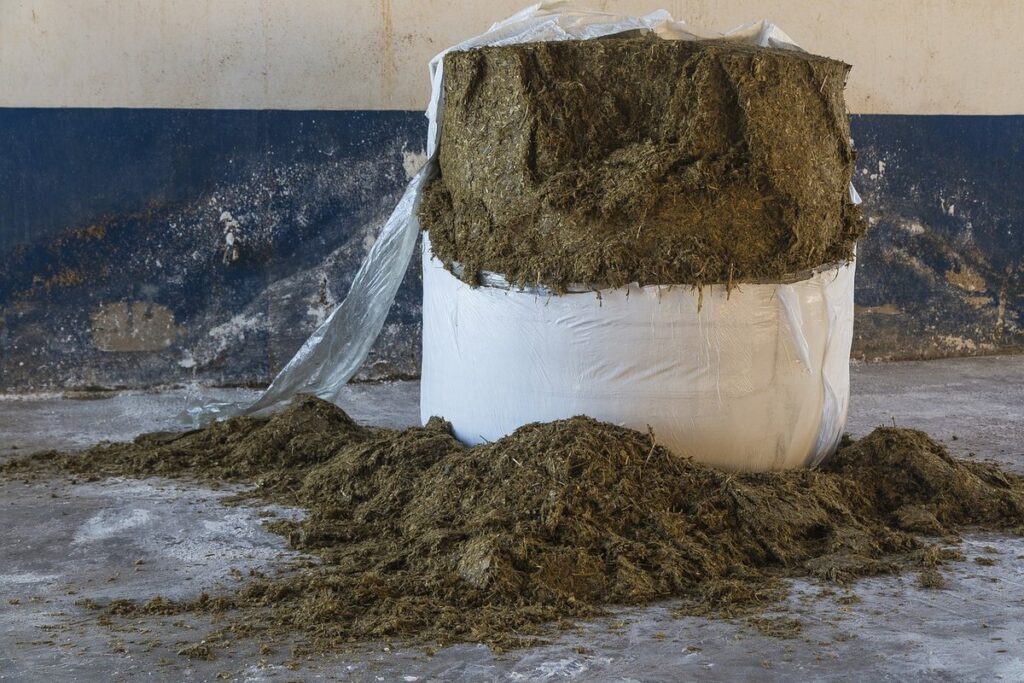
For many ranchers and wildlife enthusiasts, introducing hay into a bison’s diet can be a crucial decision for their health and well-being. However, not all bison are created equal, and their nutritional needs vary depending on factors like age, climate, and availability of natural forage. You may have considered adding hay to your bison’s menu as a way to supplement their diet during times of scarcity or to provide essential nutrients year-round, but you’re likely wondering: will they even eat it? In this article, we’ll explore the benefits and drawbacks of feeding hay to bison, comparing its nutritional value to that of natural forage. By the end of this post, you’ll be able to safely introduce hay into your bison’s diet, understanding how to optimize their nutrition and health with confidence.

Understanding Bison Nutrition Basics
Bison are large, grazing animals that thrive on a specific diet rich in nutrients and fiber, making understanding their nutritional needs crucial to their health. We’ll break down the basics of bison nutrition next.
What Do Bison Typically Eat in the Wild?
In their natural habitats, bison primarily feed on a variety of grasses and plants. These include tallgrass prairies, mixed-grass prairies, and shrublands. Wild bison diets typically consist of 70-80% grasses, with the remaining 20-30% comprising other forage sources like leaves, twigs, and aquatic vegetation.
Some specific examples of plants that make up a bison’s natural diet include big bluestem, indiangrass, switchgrass, and prairie clover. They also consume various shrubs, such as buffalo berry and serviceberry, particularly during the fall and winter months when other forage sources are scarce.
Bison will often travel long distances in search of suitable grazing areas, which can be influenced by factors like topography, soil quality, and water availability. A key aspect of understanding bison nutrition is recognizing their adaptability to different environments and their ability to survive on a diverse range of plant species.
Key Nutritional Requirements for Bison
Bison are ruminant mammals, meaning they have a four-chambered stomach designed to break down and extract nutrients from plant-based foods. To thrive, bison require a diet rich in protein, fiber, and energy sources. Protein is essential for muscle growth and maintenance, with adult bison needing around 10-15% of their daily calories from protein.
Fiber is also crucial, making up around 30-40% of a bison’s daily calorie intake. This comes primarily from grasses, hay, and other cellulose-rich plant materials. Without sufficient fiber, bison can develop digestive issues, such as bloating or diarrhea.
Energy sources for bison come mainly from carbohydrates, which are broken down into glucose during digestion. Adult bison need around 50-60% of their daily calories from carbohydrates. They also require certain micronutrients like vitamin A and E, calcium, and phosphorus to maintain healthy bones, skin, and immune function.
A balanced diet should include a mix of high-quality forages, including grasses, legumes, and other herbaceous plants. Hay can be used as a supplement or alternative to natural forage, but it’s essential to choose hay that is high in fiber and low in moisture content to prevent digestive issues.
Hay as a Supplement: Purpose and Benefits
For many bison owners, hay is more than just a food source – it’s a crucial supplement that can provide essential nutrients and support overall health. We’ll explore how hay fits into their diet.
Why Do Bison Owners Consider Feeding Hay?
Bison owners consider feeding hay during winter months when natural food sources are scarce. In areas with limited grazing land, supplementing bison diets with hay becomes necessary to ensure they receive essential nutrients. For instance, a herd in the western United States might rely on hay from November to April due to drought conditions that dry up water sources and reduce vegetation growth.
During these periods, providing high-quality hay can help maintain bison body condition scores, which are critical for their overall health. Hay’s nutritional profile is also more consistent than natural forage, which can be affected by seasonal changes in temperature and precipitation patterns.
To determine the type of hay best suited for their needs, bison owners should consider factors like the hay’s protein content, moisture level, and fiber composition. Some types of hay, such as alfalfa or orchard grass, are higher in protein than others, making them a better choice for young or pregnant bison.
Types of Hay Suitable for Bison
Bison can safely consume various types of hay, but it’s crucial to choose ones rich in nutrients and low in sugars. Alfalfa hay is a popular choice due to its high protein content (around 17-20%), making it an excellent option for pregnant or lactating bison. However, it’s essential to note that excessive alfalfa consumption can lead to digestive issues.
Timothy hay, on the other hand, offers a balanced nutrient profile with moderate protein levels (around 8-10%). It’s an ideal choice for maintaining overall health and is often used as a substitute for alfalfa. Orchard grass hay provides a good source of fiber and can be used in moderation, but it may cause digestive upset if fed excessively.
Other options like clover and ryegrass hay are also suitable for bison, offering varying levels of protein and nutrients. When selecting the right type of hay, consider factors such as your bison’s age, health status, and nutritional needs. It’s also essential to introduce new hay types gradually to prevent digestive issues. A mix of 50-70% grass hay (like timothy) with 30-50% legume hay (like alfalfa) can provide a balanced diet for your bison.
Hay vs. Natural Forage: Nutritional Comparison
When it comes to providing nutrients, hay and natural forage have distinct differences that affect a bison’s diet, making some options better than others. Let’s examine these variations up close.
Nutrient Content in Hay Compared to Natural Forage
Bison would naturally eat a diverse range of plants, including grasses, forbs, and shrubs. In contrast, hay is often a concentrated source of specific nutrients. Alfalfa hay, commonly fed to bison, has a higher protein content (17-20% on average) compared to native grasses like blue grama (8-12%). Timothy hay also tends to be richer in protein (10-15%) than the forbs found in wild bison habitats.
However, hay often lacks certain nutrients present in natural forage. For example, it typically has lower levels of calcium and phosphorus compared to the plants bison would eat in their native range. On the other hand, some types of hay are higher in fiber, which can be beneficial for maintaining a healthy digestive system in bison.
Here’s a comparison of the nutrient content in different types of hay:
- Alfalfa hay:
- Protein: 17-20%
- Fiber: 25-30%
- Calcium: 1.5-2% DM
- Timothy hay:
- Protein: 10-15%
- Fiber: 35-40%
- Calcium: 0.5-1% DM
- Native grasses (e.g., blue grama):
- Protein: 8-12%
- Fiber: 20-25%
- Calcium: 2-3% DM
Potential Drawbacks of Relying Exclusively on Hay
Feeding bison only hay can lead to nutritional imbalances and decreased digestive health. One primary concern is the limited range of nutrients found in hay compared to natural forage sources. For instance, hay often lacks the fiber diversity and high-quality protein that bison obtain from grazing on native grasses and plants.
Without access to a variety of forages, bison may develop a condition known as “hay belly,” characterized by an excessive accumulation of soft tissue around the stomach area. This can be a sign of inadequate nutrient absorption and poor digestion. Furthermore, relying solely on hay can disrupt the balance of gut bacteria in bison, leading to reduced immune function and increased susceptibility to disease.
To mitigate these risks, it’s essential for bison owners to incorporate natural forage sources into their animals’ diets. This can be achieved by providing access to pastures or supplementing with high-quality hay mixes that mimic the nutrient profile of natural forages. By doing so, bison owners can ensure their animals receive a balanced diet and maintain optimal health. Regular monitoring of digestive health and nutritional status is also crucial when transitioning from all-hay diets to more diverse feeding regimens.
Feeding Bison Hay: Best Practices and Considerations
When it comes to feeding hay, bison have specific nutritional needs that must be met. This section will explore best practices for providing high-quality hay to ensure your bison’s health and well-being.
Safe Feeding Guidelines for Bison Owners
When introducing hay into a bison’s diet, it’s crucial to do so gradually and in moderation. A general rule of thumb is to start with 1-2% of the bison’s body weight in dry matter per day. For example, a 1,000-pound bison would require around 10-20 pounds of hay daily.
Divide this amount into two or three feedings to prevent overeating and minimize the risk of digestive issues. Introduce new hay types gradually, allowing your bison to adjust to changes in fiber content and nutritional profile. Some owners recommend limiting hay intake to no more than 1/3 of the bison’s total daily diet.
Beware of moldy or spoiled hay, as these can cause severe health problems. Regularly inspect stored hay for signs of spoilage, such as musty odors or visible mold growth. Also, ensure your bison always has access to fresh water and a reliable source of mineral supplements to prevent deficiencies.
Consider consulting with a veterinarian or experienced bison breeder to determine the best feeding schedule and hay type for your specific animals. They can help you develop a customized feeding plan that meets the unique needs of your herd.
Monitoring Bison Health When Introducing Hay
When introducing hay to a bison’s diet, it’s essential to monitor their health and adjust accordingly. Watch for changes in appetite – if they seem disinterested in food or eat less than usual, it may be a sign that the hay is causing digestive issues. Stool quality is another key indicator: loose or watery stools can indicate an intolerance to certain types of hay.
Observe your bison’s overall demeanor as well. If they appear lethargic, irritable, or show signs of discomfort, it could be related to the new food source. Take note of any unusual behaviors, such as excessive pacing or restlessness, which may signal that something is amiss. Regularly inspect their hay for mold, contamination, or spoilage, as these can exacerbate health problems.
Aim to introduce small amounts of hay gradually and in combination with their natural forage, allowing your bison time to acclimate. Start with a mix of 20-30% hay and 70-80% forage, increasing the proportion of hay over several weeks. This gradual transition can help minimize digestive upset and allow you to identify any potential issues before they become severe.
Case Studies: Real-World Experiences with Feeding Bison Hay
Real bison owners and farmers have successfully integrated hay into their animals’ diets, but what works best? We’ll share some case studies of these successes.
Owner Perspectives on Feeding Bison Hay
Many bison owners have successfully incorporated hay into their animals’ diets, and their experiences offer valuable insights for those considering doing the same. For example, rancher Emily Johnson from Montana notes that introducing hay allowed her to extend the grazing season for her herd by several months. This not only reduced costs but also ensured a consistent food supply during periods of drought.
Johnson’s success was largely due to her careful selection of hay quality and type. She chose high-protein alfalfa hay, which proved particularly beneficial for her pregnant females. However, she warns that introducing hay too quickly can lead to digestive issues in some bison. “It’s essential to transition them gradually,” she advises.
Another owner, Kevin Thompson from Wyoming, experimented with different types of hay and encountered mixed results. He found that timothy hay worked well for his younger animals but struggled to digest it himself due to its lower nutritional value. Thompson emphasizes the importance of monitoring individual bison and adjusting their diets accordingly. “You need to be aware of their specific needs and health status,” he says, highlighting the need for personalized feeding strategies.
Lessons Learned from Failed or Ineffective Hay-Feeding Attempts
When introducing hay to a bison’s diet, some owners have experienced negative outcomes. For instance, feeding hay with too high a protein content can lead to digestive issues like diarrhea and gas. One such case involved a bison farm that switched its herd to a high-protein hay blend without adjusting the overall nutrient intake. The result was a noticeable decrease in the animals’ energy levels and a subsequent drop in milk production for lactating females.
In another instance, an overreliance on hay resulted in inadequate fiber intake, causing bison to exhibit signs of malnutrition. Farmers often overlook the importance of introducing hay gradually to avoid digestive upset. A slow transition period can help minimize such risks. A good rule of thumb is to start by replacing 10% of natural forage with hay and gradually increase the proportion over a few weeks.
A common mistake made by novice bison owners is failing to monitor their animals’ response to new hay varieties. Regular health checks are essential when introducing hay, as subtle changes in behavior or appetite can signal underlying issues. By being aware of these potential pitfalls and taking steps to mitigate them, bison owners can make informed decisions about hay supplementation and maintain the overall well-being of their herd.
Addressing Common Questions and Concerns about Feeding Bison Hay
Many of you may still have doubts about feeding hay to bison, so let’s address some common concerns and questions that have been on your minds. We’ll tackle some frequently asked topics head-on in this section.
Frequently Asked Questions (FAQs)
Are bison hay-intolerant? Bison are generally not sensitive to hay, but some may develop digestive issues if they’re fed too much of it. This is often due to a lack of fiber diversity in their diet.
What types of hay can be toxic to bison? While most bison can tolerate small amounts of various hays, certain types can cause health problems. For example, hays high in nitrate or pesticide residues can lead to toxicity. Alfalfa hay is also not recommended for bison as it can cause an imbalance in their calcium-to-phosphorus ratio.
How do I know if my bison are getting enough hay? A general rule of thumb is to provide 1-2% of the bison’s body weight in hay daily. However, this may vary depending on factors like age, breed, and activity level. It’s essential to monitor your bison’s overall health, including their stool quality and energy levels.
Can I mix hay with other foods to make it more palatable for my bison? While mixing hay with other foods can be done, it’s crucial to introduce new ingredients gradually to prevent digestive upset. Start by adding small amounts of the new food to their regular diet and monitor their response.
Here are some key points to keep in mind when feeding hay to your bison:
- Introduce hay slowly to avoid digestive upset
- Choose hays that are low in nitrate and pesticide residues
- Monitor your bison’s overall health, including stool quality and energy levels
- Provide a balanced diet with adequate fiber diversity
- Consider consulting with a veterinarian or experienced bison breeder for personalized advice
Conclusion: Final Thoughts on Feeding Bison Hay
Now that we’ve explored whether bison eat hay, it’s time to wrap up our discussion and reflect on the key takeaways from feeding this nutritious supplement. Let’s summarize what we’ve learned so far.
Recap of Key Points and Recommendations
When caring for bison, it’s essential to remember that these animals have unique nutritional requirements that must be met. By understanding their basic needs and being mindful of the hay you provide, you can ensure they receive the nutrients they need to thrive.
As we’ve discussed throughout this article, feeding hay is not a one-size-fits-all solution for bison owners. It’s crucial to consider the quality and type of hay you’re providing, as well as your animals’ individual needs and circumstances. Some key takeaways from our exploration of feeding bison hay include:
- Hay should be treated as a supplement or alternative to natural forage, rather than a replacement.
- High-quality hay with adequate protein content is essential for maintaining bison health.
- It’s vital to introduce hay gradually and monitor your animals’ response to avoid digestive issues.
In addition to these key points, we’ve also emphasized the importance of considering the potential drawbacks of relying exclusively on hay. This includes addressing concerns about nutrient deficiencies, parasite loads, and over-reliance on a single food source.
To recap, caring for bison requires attention to detail and a commitment to providing them with the best possible nutrition. By understanding their basic needs and being proactive in your approach, you can help ensure their health and well-being. This includes:
- Consulting with a qualified veterinarian or animal nutritionist to determine the best feeding strategy for your animals.
- Regularly monitoring your bison’s health and adjusting their diet as needed.
- Staying up-to-date on the latest research and recommendations for feeding bison.
By taking these steps, you can provide your bison with the care and attention they deserve, and help them thrive in their environment.
Frequently Asked Questions
Can I Mix Different Types of Hay for My Bison?
Yes, you can mix different types of hay to provide a varied nutrient profile and prevent boredom. However, be sure to introduce new hay gradually to avoid digestive upset. A common practice is to start with 25% of the new hay and gradually increase it over several days or weeks.
What if I’m Raising Bison Calves on Hay – Do I Need to Supplement with Natural Forage?
Yes, bison calves have different nutritional needs than adults and may require additional supplementation with natural forage, especially during periods of rapid growth. Consult with a veterinarian or experienced bison breeder to determine the best feeding strategy for your calves.
Can Bison Eat Too Much Hay – What are the Signs of Overfeeding?
Yes, overfeeding hay can lead to nutritional imbalances and digestive issues in bison. Watch for signs such as weight gain, decreased appetite, and changes in stool quality or demeanor. Be mindful of the recommended feeding guidelines and adjust accordingly based on individual animal needs.
Is Hay Suitable for Bison During Pregnancy or Lactation – Any Special Considerations?
Yes, pregnant or lactating bison require additional nutrients to support fetal growth or milk production. In these cases, it’s essential to provide high-quality hay that meets their increased nutritional demands. Consult with a veterinarian or experienced bison breeder to determine the best feeding strategy during these critical periods.
What if I Live in an Area with Limited Grazing Land – Can Bison Thrive on Hay Alone?
While hay can be a suitable supplement, relying exclusively on hay for nutrition may lead to nutritional imbalances and decreased digestive health. Consider using hay as part of a rotational grazing system or incorporating other nutrient-dense feed sources to ensure optimal bison nutrition.