Choosing the right duck breed can be a daunting task, especially for those new to raising ducks. With over 100 recognized breeds worldwide, each with its unique characteristics and needs, it’s essential to find a breed that suits your lifestyle and living situation. Temperament plays a significant role in selecting a suitable breed, as some ducks are more social and require companionship, while others are more independent and can thrive alone. Health considerations also come into play, with certain breeds being more prone to specific health issues than others. From the beginner-friendly Pekin duck to specialty breeds like Muscovy and Wood ducks, this article will provide expert advice on selecting the perfect breed for you, taking into account temperament, health considerations, and more. By the end of this article, you’ll be well-equipped to make an informed decision when choosing a duck breed that fits your needs.
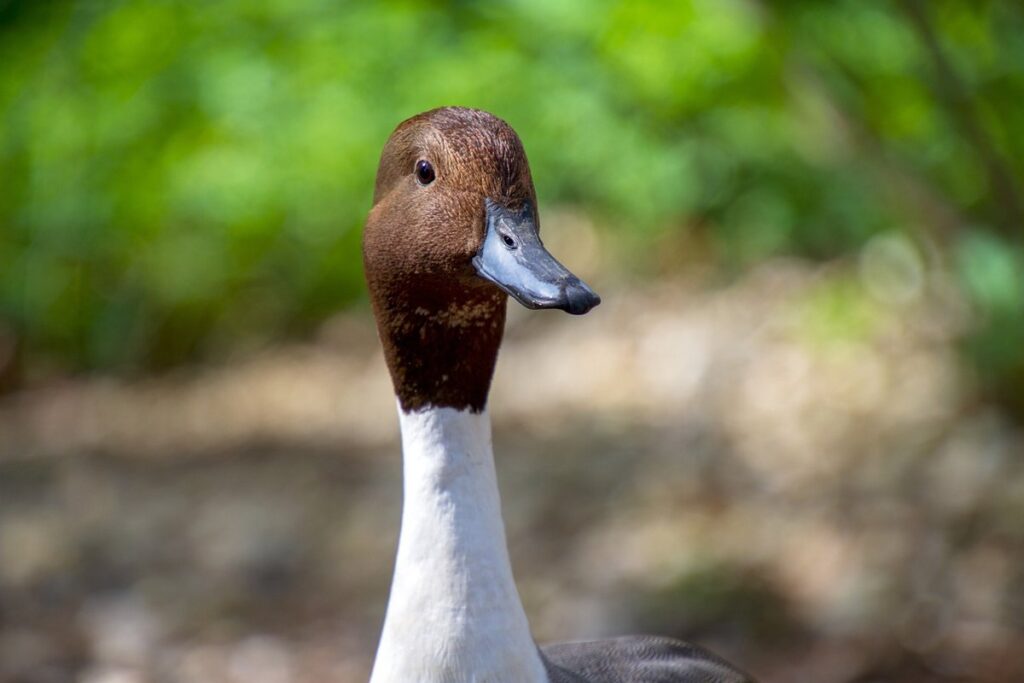
Understanding Duck Breeds
With over 100 recognized duck breeds, it can be overwhelming to decide which one is right for you. Let’s break down some of the most popular breeds and their unique characteristics.
History and Origin of Domesticated Ducks
Ducks have been domesticated for over 3,000 years, with evidence of duck farming dating back to ancient China and Egypt. Archaeologists believe that ducks were first domesticated from wild mallards, which were attracted to human settlements by the abundance of food scraps and water sources. Early farmers likely recognized the value of these birds for their meat, eggs, and down feathers.
The earliest recorded duck breeds emerged in Asia, where temperate climates allowed for year-round egg production and meat harvests. Chinese breeders developed ducks with desirable traits such as high egg production, fast growth rates, and attractive plumage. These early breeds were often kept in small groups on family farms or in village communities.
One of the earliest recorded duck breeds is the Khaki Campbell, which originated in 19th-century England but was based on Chinese breeding stock. This breed’s exceptional egg-laying abilities and docile nature made it a favorite among backyard keepers. By studying these early domesticated ducks, modern breeders can learn valuable lessons about selecting for desirable traits and creating breeds that thrive in a variety of environments.
Types of Duck Breeds Based on Size and Purpose
Duck breeds come in a range of sizes, each suited to specific purposes. Small duck breeds like Khaki Campbell and Wood Ducks are prized for their high egg-laying abilities. They’re ideal for small backyard flocks where space is limited, as they require minimal room to roam.
Medium-sized duck breeds, such as the Cayuga and Golden 300 Hybrid, fall somewhere in between. These birds are often used for meat production due to their larger size and weight. However, some medium-sized breeds like the Muscovy can also be kept as ornamental ducks, valued for their striking appearance.
Large duck breeds, including the Aylesbury and Embden, are commonly raised for both meat and egg production. These birds require more space and resources than smaller breeds but can provide a steady supply of fresh eggs and a consistent meat yield. Understanding the size requirements and purposes of different duck breeds is crucial when selecting the right breed for your needs.
Recognizing Popular Backyard Duck Breeds
When choosing the perfect duck breed for your backyard, it’s essential to familiarize yourself with some of the most popular and beginner-friendly breeds. We’ll take a closer look at these top picks that are sure to please even the most novice duck keeper.
Pekin Ducks: The Most Common Breed for Beginners
Pekin ducks are the most widely kept breed by backyard duck enthusiasts and a great choice for beginners. One reason they’re so popular is their friendly temperament – Pekins are known to be docile, gentle, and easy-going. They make excellent family pets due to their calm nature, which is ideal for families with children.
In terms of care, Pekin ducks are relatively low-maintenance. They require a moderate amount of space and can adapt well to smaller backyards or even containers as long as they have enough room to move around. Their diet consists mainly of commercial duck pellets supplemented by fruits, vegetables, and grains.
Pekins are also prolific egg layers, producing an average of 300 eggs per year. This makes them a great choice for those who want a steady supply of fresh eggs without the need for frequent collection. Another advantage is their hardiness – Pekin ducks are relatively disease-resistant and can withstand temperature fluctuations well.
For beginners, it’s worth noting that Pekins have a distinctive white plumage with orange beaks and feet. Their friendly demeanor makes them easy to handle, and they’re often described as “lap ducks” due to their affectionate nature towards humans.
Khaki Campbell Ducks: High-Egg-Laying Machines
Khaki Campbell ducks are renowned for their incredible egg-laying abilities, making them an attractive choice for backyard farmers and hobbyists seeking a reliable source of fresh eggs. These high-producing machines can lay up to 300 large white eggs per year, with some individuals reportedly producing even more.
However, it’s essential to consider the drawbacks of keeping Khaki Campbells specifically for egg production. One primary concern is their intense energy requirements. To maintain optimal egg-laying performance, these ducks demand a diet rich in protein and calcium, which can be costly and time-consuming to manage. Additionally, their prolific egg-laying often leads to health issues if not properly managed, such as prolapse or reproductive problems.
To reap the benefits of Khaki Campbell’s high egg production while minimizing potential drawbacks, consider the following:
- Provide a balanced diet rich in protein (at least 16% for layers) and calcium
- Ensure access to clean water at all times
- Regularly inspect their living quarters for signs of stress or overcrowding
By acknowledging the unique needs of Khaki Campbells, you can create an optimal environment that promotes healthy egg-laying while minimizing potential risks.
Specialty Duck Breeds for Experienced Keepers
If you’re a seasoned duck keeper looking to add some excitement to your flock, we’ll explore the unique characteristics and needs of specialty breeds that require more expertise. From Khaki Campbells to Wood Ducks, each breed has its quirks.
Muscovy Ducks: A Hardy and Low-Maintenance Option
Muscovy ducks are a distinctive and robust breed, known for their hardy nature and adaptability to various environments. One of the key advantages of keeping Muscovy ducks is their low-maintenance care. They require less space and can thrive in smaller enclosures compared to other breeds. Additionally, they are relatively quiet and won’t disturb neighbors.
However, Muscovies do have some unique characteristics that may pose challenges for inexperienced keepers. For instance, they can be quite territorial and may not tolerate other ducks or even humans well if not introduced properly from an early age. Their feathers also require regular maintenance to prevent mites and skin problems.
In terms of feeding, Muscovy ducks are opportunistic omnivores and will eat almost anything. They’ll forage for insects, plants, and small aquatic animals, which makes them a great option for keepers who want to minimize feed costs. It’s essential to provide a balanced diet that includes a mix of grains, fruits, and vegetables.
Some Muscovy owners have reported success with introducing these ducks to their existing flocks, but it’s crucial to monitor the behavior and adjust introductions accordingly. With proper care and attention, Muscovies can make wonderful additions to any duck-keeping family.
Wood Ducks: Colorful and Elusive Birds for the Expert
Wood ducks are a challenging breed to keep due to their specific requirements and elusive nature. These birds demand expertise from their owners, making them suitable only for experienced keepers. Their habitat needs are extensive, requiring large spaces with dense vegetation and proximity to water. A small pond or pool is essential, but the area surrounding it should be densely planted to provide shelter and protection.
Wood ducks are notoriously difficult to breed in captivity due to their unique mating habits and strict requirements for nesting sites. They require a secluded location, often hidden from view, to lay their eggs safely. In addition, they need a specific temperature range during breeding season, which can be challenging to replicate indoors or even outdoors in certain climates.
Experienced keepers should also be aware that wood ducks are highly sensitive to noise and stress, making them vulnerable to disturbances from human activity or other animals. To thrive, these birds require a tranquil environment with minimal disruptions. With careful planning, attention to detail, and a deep understanding of their specific needs, experienced duck enthusiasts can successfully keep wood ducks as pets or on a farm.
Understanding Duck Temperament and Behavior
Understanding duck temperament is crucial for selecting a breed that fits your lifestyle, as their behavior can vary greatly from one another. By learning about each breed’s unique personality traits, you’ll be better equipped to make an informed decision.
Factors Influencing Duck Temperament (Genetics, Environment, etc.)
When selecting a duck breed for your backyard flock, it’s essential to consider how different factors can influence their temperament and behavior. Genetics play a significant role in determining an individual duck’s personality traits, such as aggression, fearfulness, or docility. Some breeds are naturally more inclined to be friendly and outgoing, while others may be more reserved.
Environmental factors also have a considerable impact on duck behavior. For example, ducks raised in small spaces with limited social interaction may develop anxiety or aggression. Conversely, providing a suitable environment with adequate space, socialization, and enrichment activities can promote calm and confident behavior. Socialization is another critical aspect of shaping a duck’s temperament, as young ducks learn important skills from their mothers and peers.
A balanced mix of genetics and environmental factors contributes to a well-adjusted duck. For instance, Khaki Campbell ducks are known for their friendly nature due in part to their genetic predisposition, while proper socialization and handling can enhance this trait. By understanding the complex interplay between genetics, environment, and socialization, you can make informed decisions when selecting a breed that suits your needs and provides a happy, healthy home for your feathered friends.
Managing Aggressive or Fearful Ducks
When encountering aggressive or fearful ducks, it’s essential to identify the root cause of their behavior. In many cases, aggression stems from fear, often triggered by changes in their environment, such as a new duck being introduced or a change in feeding habits. Fearful ducks may also exhibit defensive behaviors like hissing, growling, or even attacking.
To address aggressive or fearful behavior, start by providing a safe and secure enclosure that protects both the ducks and other animals on the property. A sturdy fence or netting can help prevent escape attempts and territorial disputes.
For fear-based aggression, try to gradually introduce new stimuli or changes to their environment at a slow pace. For example, if introducing a new duck, start by placing them in separate enclosures with visual access to each other before gradually increasing face-to-face interactions under close supervision.
Some breeds are naturally more prone to aggression, such as Muscovy and Runner ducks. In these cases, it’s crucial to research specific breed characteristics and adjust your management strategies accordingly. With patience, consistency, and careful observation, you can help manage aggressive or fearful behavior in your flock.
Health Considerations for Keeping Ducks as Pets
When considering a duck breed, it’s essential to think beyond their adorable quacks and fluffy feathers – their health needs should be top of mind. Here are some crucial factors to consider when keeping ducks as pets.
Common Health Issues Affecting Duck Breeds (Respiratory Problems, etc.)
Duck breeds are prone to various health issues that can impact their quality of life and longevity. Respiratory problems, such as pneumonia and bronchitis, are common among ducks, especially those kept in small enclosures or with inadequate ventilation. Muscovy ducks, for example, are particularly susceptible to respiratory infections due to their unique anatomy.
Other health concerns include metabolic bone disease, which can cause softening of the bones, and vitamin A deficiency, leading to impaired vision and immune system weakness. Some breeds, like the Campbell duck, are more prone to these issues due to selective breeding for high egg production.
Ducks also require regular monitoring for signs of mites, lice, and fleas, which can lead to anemia and other complications if left untreated. Feather pecking and cannibalism can be a problem in flocks with too many birds or inadequate space.
To mitigate these issues, it’s essential to provide ducks with adequate living quarters, proper ventilation, and access to clean water and nutritious food. Regular health checks and preventative measures can also help keep your flock healthy and happy.
Tips for Maintaining Healthy Flocks and Preventing Disease
Maintaining a healthy flock requires attention to nutrition, hygiene, and veterinary care. Provide your ducks with a balanced diet that includes high-quality commercial duck feed as the main staple, supplemented with fresh fruits and vegetables daily. Fresh water must be available at all times, and make sure it’s free from contaminants like bacteria and algae.
In terms of hygiene, keep their living area clean by removing soiled bedding, cleaning feeding and watering equipment regularly, and disinfecting surfaces that come into contact with the ducks’ droppings. A small minority of duck owners opt for a flock of 5-10 birds; if you’re one of them, ensure there’s enough space for each bird to move around comfortably.
Regular veterinary check-ups are crucial in preventing disease. Schedule annual vaccinations against common diseases like avian influenza and respiratory problems. Be aware that some breeds are more prone to certain health issues – for example, Pekin ducks can be susceptible to respiratory problems due to their flat face.
Here are a few key things to keep in mind when it comes to veterinary care:
- Know the warning signs of disease: look out for changes in appetite, droppings, or behavior
- Keep accurate records of vaccinations and health checks
- Establish a relationship with a local veterinarian experienced in caring for waterfowl
Frequently Asked Questions
Can I Mix and Match Different Duck Breeds in My Backyard?
Yes, it’s possible to keep multiple duck breeds together, but you’ll need to research compatibility and ensure they have enough space and resources. Introducing new breeds can also lead to conflicts, so it’s essential to start with a harmonious flock.
What if I Have Small Children and Want to Keep Ducks as Pets?
Keeping ducks as pets with small children requires extra caution. Make sure your duck enclosure is secure, supervise interactions closely, and teach children how to handle ducks gently and safely. Some breeds, like Muscovy, are generally more tolerant of children than others.
How Do I Know When My Duck’s Egg-Laying Has Peaked?
Ducks typically reach their peak egg-laying age between 18 and 24 months. If you’re keeping ducks for eggs, monitor their production closely and adjust your expectations accordingly. Factors like nutrition, health, and breed can influence laying performance.
Can I Keep Ducks in a Small Urban Yard Without Noise Restrictions?
Yes, but be aware that some breeds are naturally more vocal than others. If you live in an urban area with noise restrictions, consider quieter breeds like Khaki Campbells or Wood ducks. However, even quiet breeds may still make occasional noises, so it’s crucial to check local regulations before keeping ducks.
What if My Duck Develops a Respiratory Problem During the Winter?
Yes, respiratory issues can be more common in ducks during winter months due to cold temperatures and poor ventilation. If you notice any signs of illness in your flock, consult with a veterinarian experienced in caring for waterfowl and take prompt action to address health concerns.