Thyme is one of those versatile herbs that can add depth to any dish, from soups to salads, but its uses extend far beyond cooking. You might be surprised at how much this humble herb has to offer in terms of health remedies and DIY projects. For instance, thyme oil has antimicrobial properties that make it a popular ingredient in natural skincare products, while the leaves themselves can be used to repel garden pests. If you’re new to growing your own herbs, learning how to cultivate thyme is easier than you think, but common issues like overwatering and poor drainage can quickly derail even the most enthusiastic gardener. In this article, we’ll cover the benefits of using thyme in cooking, share recipes that showcase its unique flavor profile, and provide tips on growing and troubleshooting your thyme plants so you can reap all the rewards they have to offer.
What is Thyme Herb?
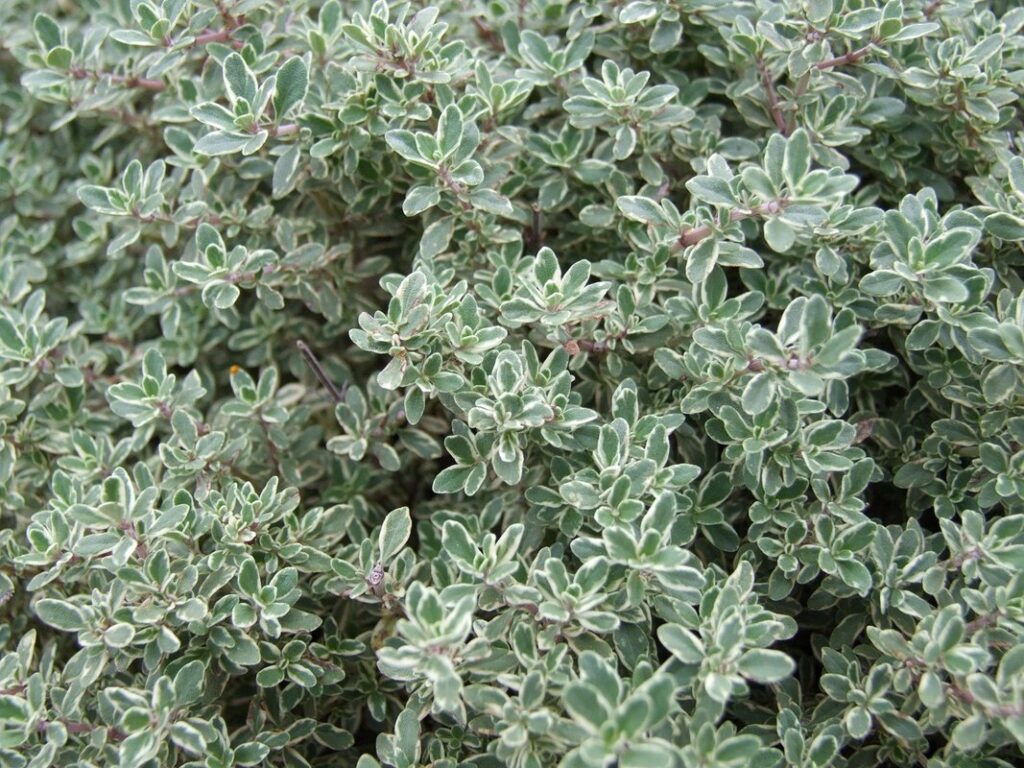
Thyme herb is a versatile and fragrant plant that’s steeped in history, with ancient Greeks and Romans using it for its medicinal and culinary properties. Let’s take a closer look at what makes this wonderful herb so special.
What are the Benefits of Thyme
Thyme herb has been prized for its medicinal properties for centuries. Its antimicrobial qualities make it effective against a range of bacteria and fungi, including E. coli and Staphylococcus aureus. This makes thyme a natural disinfectant that can be used to clean wounds and prevent infection.
In addition to its antimicrobial properties, thyme is also known to aid digestion. The essential oils present in thyme help to stimulate the digestive system, reducing symptoms of bloating and indigestion. Thyme tea or infusions made from fresh leaves are a popular remedy for soothing stomach discomfort.
Thyme’s benefits extend beyond traditional medicine, too. In cooking, it adds a distinctive flavor and aroma to soups, stews, and meat dishes. The herb is also used in aromatherapy, where its essential oils can help to reduce stress and promote relaxation. When using thyme in cooking or as an herbal remedy, be sure to use fresh leaves rather than dried ones, which may lose some of their potency.
History and Origin of Thyme
Thyme has a rich history that spans thousands of years. Its origins can be traced back to ancient Greece, where it was considered a sacred herb associated with the goddess of love and beauty, Aphrodite. The Greeks prized thyme for its fragrance, using it in perfumes and incense. They also valued its medicinal properties, employing it to treat various ailments, from coughs and colds to skin conditions.
As civilizations rose and fell, thyme spread throughout the Mediterranean region, becoming an integral part of many cultures’ culinary traditions. The Romans adopted thyme as one of their favorite herbs, using it extensively in cooking and medicine. With the Roman Empire’s expansion, thyme cultivation migrated to new regions, eventually making its way to Europe, Asia, and Africa.
Today, thyme is cultivated worldwide for both its fragrance and medicinal value. It remains a popular ingredient in many cuisines, particularly those from the Mediterranean region. Its versatility extends beyond cooking, with thyme also being used in herbal remedies and aromatherapy applications.
Growing Thyme Herb: Tips and Tricks
Thyme is a hardy herb that can thrive with minimal care, but it still requires some attention to grow well, especially in indoor conditions.
To ensure your thyme plant stays healthy and productive, learn these essential tips for optimal growth.
Choosing the Right Thyme Variety
With over 300 varieties of thyme to choose from, selecting the right one can be a daunting task. The choice ultimately depends on personal preference, climate, and intended use. For example, if you’re looking for a thyme variety that thrives in hot and dry conditions, English thyme is an excellent option. Its compact growth habit and resistance to drought make it ideal for Mediterranean-style gardens.
On the other hand, lemon thyme is perfect for those who want to add a burst of citrus flavor to their dishes. Its bright green leaves have a subtle lemon scent that pairs well with fish, poultry, and vegetables. If you’re looking for a thyme variety with ornamental value, creeping thyme is an excellent choice. Its tiny leaves form a dense mat that’s perfect for edging gardens or creating a fragrant walkway.
Consider your climate when selecting a thyme variety. Some varieties, like caraway thyme, are more tolerant of cooler temperatures and can thrive in areas with mild winters. Others, like Greek thyme, prefer warmer climates and may not perform well in areas with frost.
When choosing the right thyme variety, think about how you plan to use it. Will you be using it for cooking, crafting herbal remedies, or adding a fragrant touch to your garden? By considering these factors, you can select a thyme variety that meets your needs and thrives in its environment.
Planting and Soil Requirements
When planting thyme, it’s essential to provide well-draining soil to prevent waterlogged conditions. Thyme is susceptible to root rot if its roots sit in damp soil for too long. To ensure good drainage, mix in some organic matter like compost or perlite into the soil before planting. If you’re growing thyme in containers, use a potting mix specifically designed for herbs.
Thyme also requires full sun to partial shade. While it can tolerate some shade, especially in warmer climates, direct sunlight will promote healthy growth and prevent legginess. Aim for at least 4-6 hours of direct sunlight per day. If you’re growing thyme indoors, place the pot near a sunny window or under grow lights.
When choosing a location, consider the soil pH as well. Thyme prefers slightly acidic to neutral soil with a pH between 6.0 and 7.0. Avoid planting in areas with heavy clay or compacted soil, which can impede root growth. By providing thyme with the right conditions, you’ll be rewarded with a low-maintenance herb that thrives in containers or directly in the ground.
Watering and Fertilization
Thyme is a drought-tolerant herb, but it still requires consistent moisture, especially during its first few weeks of growth. Overwatering can lead to root rot and other problems, so it’s essential to strike the right balance. To determine when to water your thyme plant, stick your finger into the soil up to the first knuckle. If the soil feels dry, it’s time for a drink.
Water your thyme plant in the morning, so the leaves have the entire day to dry out. Avoid getting water on the leaves or crown of the plant to prevent fungal diseases. Instead, water at the base of the stems.
When it comes to fertilization, use a balanced, water-soluble fertilizer (10-10-10) during the growing season (spring-fall). You can also add a high-phosphorus fertilizer (10-20-10) to promote root development and flowering. Thyme prefers slightly acidic to neutral soil pH (6.0-7.0), so avoid using fertilizers that are too alkaline.
Some thyme varieties, like ‘Elfin’ or ‘Creeping’, can benefit from a more intense fertilizer regimen due to their compact growth habit. Others, such as ‘Lemon’ or ‘English’, may require less frequent fertilization. Monitor your plant’s response and adjust accordingly. A general rule of thumb is to fertilize your thyme plant once every two weeks during the growing season.
Using Thyme Herb in Cooking
Thyme is a versatile herb that can be used in a variety of dishes, from soups to roasted meats. Let’s explore some creative ways to incorporate thyme into your cooking repertoire.
Thyme’s Culinary Uses
Thyme’s versatility in cooking is one of its most appealing qualities. This herb pairs well with a variety of ingredients, making it an excellent addition to many dishes. Chicken and fish are two popular protein sources that complement thyme’s flavor profile particularly well. For example, try combining thyme with lemon juice and olive oil for a simple yet effective marinade.
Vegetables also benefit from thyme’s presence in the kitchen. From sautéed spinach to roasted root vegetables, thyme adds depth and warmth without overpowering other flavors. Consider adding fresh thyme leaves to soups like minestrone or creamy broths for added aroma and taste.
Thyme is a staple herb in many international cuisines, including Mediterranean, French, and Indian cooking. In these culinary traditions, thyme is often used to enhance the flavors of meats, vegetables, and grains. To incorporate thyme into your cooking, experiment with different recipes that showcase its unique flavor profile. For instance, try making a classic French bouquet garni by combining thyme with rosemary, bay leaves, and other herbs for use in soups or stews.
Popular Thyme Recipes
Thyme’s versatility shines in its ability to elevate a wide range of dishes. Let’s start with some classic thyme recipes from French cuisine. Bouillabaisse, a hearty fish stew originating from Marseille, relies heavily on the herb for its signature flavor. This traditional recipe is a great starting point for experimenting with thyme in soups and stews.
For those looking to put their own spin on classic dishes, consider modernizing traditional recipes by adding fresh thyme leaves at various stages of cooking. Thyme pairs particularly well with roasted meats like lamb or chicken, adding depth without overpowering the other flavors. When using fresh thyme in savory dishes, it’s essential to use the right amount – too little and the flavor won’t be noticeable, while too much can overwhelm the palate.
Here are some key tips for incorporating thyme into your daily meals:
- Use fresh thyme leaves towards the end of cooking time for maximum flavor
- Pair thyme with rich or fatty ingredients like lamb or butter to balance its earthy taste
- Consider using dried thyme when fresh is not available – a 1:3 ratio of dried to fresh thyme works well
Health Benefits and Uses of Thyme Oil
Thyme oil is a potent extract that offers a wealth of health benefits, from soothing sore muscles to fighting off infections. Let’s explore its various uses and advantages for overall well-being.
Antimicrobial Properties of Thyme
Thyme oil’s antimicrobial properties are one of its most valuable assets. Research has demonstrated that thyme oil can inhibit the growth of bacteria, viruses, and fungi, making it a natural remedy for wounds, skin conditions, and respiratory issues. The active compounds responsible for these effects include carvacrol and thymol, which have been shown to exhibit potent antimicrobial activity.
When applied topically, thyme oil can help accelerate wound healing by reducing bacterial load and promoting tissue repair. It’s often used to treat minor cuts and scrapes, as well as more serious skin conditions like acne and eczema. Inhaling thyme oil vapors or using it in a humidifier can also help alleviate respiratory issues, such as coughs and congestion.
To harness the antimicrobial power of thyme oil, you can add a few drops to a carrier oil for topical application or use it in a diffuser for inhalation. When choosing a thyme oil product, look for one that is high-quality and extracted using a gentle method, such as steam distillation. This will help ensure the retention of the oil’s active compounds.
Using Thyme Oil in Aromatherapy
Using thyme oil in aromatherapy can be a wonderful way to unwind and promote relaxation. The herb’s antimicrobial properties are well-documented, but its effects on mental health and mood have been less explored until recently. Studies have shown that the active compounds in thyme oil, such as carvacrol and thymol, can help reduce anxiety and stress levels by promoting a sense of calm.
To use thyme oil effectively in aromatherapy, it’s essential to dilute it with a carrier oil before applying it to your skin. A general guideline is to mix 5-7 drops of thyme essential oil per 1 tablespoon of carrier oil. You can also add a few drops to your diffuser or inhale directly from the bottle for immediate benefits.
Some popular aromatherapy techniques using thyme oil include:
• Inhaling deeply through the nose and holding for several seconds
• Massaging diluted oil into the temples or wrists
• Adding oil to bathwater for a relaxing soak
When choosing a thyme essential oil, look for products that are 100% pure and extracted using steam distillation. This method preserves the herb’s natural compounds and ensures high-quality oil. Always follow safety guidelines when working with essential oils, and consult a healthcare professional if you have any underlying medical conditions or allergies.
DIY Thyme Projects: Crafts and Remedies
Take your thyme enthusiasm to the next level by crafting unique decorative items and remedies using this versatile herb, from potpourri to skincare treatments.
Making Thyme Tea and Infusions
To make a soothing thyme tea, start by selecting fresh or dried thyme leaves. For a more potent brew, use dried thyme. Tie 1-2 teaspoons of dried thyme in a small muslin bag or infuser to avoid loose leaves. Steep the thyme in 8 oz of boiling water for 5-7 minutes. Strain and enjoy hot or cold, sweetened with honey if desired.
For a refreshing infusion, combine fresh thyme sprigs with lemon slices and mint leaves in a pitcher of ice-cold water. Allow it to chill for at least an hour before serving. The citrus and herbal flavors complement each other beautifully.
You can also make a calming thyme tea latte by steeping 1 teaspoon of dried thyme in a cup of hot milk or a non-dairy alternative. Strain the mixture and top with foam made from steamed milk. This soothing drink is perfect for unwinding after dinner or before bed.
Some people prefer to combine thyme with other herbs like chamomile, lavender, or lemon balm to create unique flavor profiles. Experiment with different combinations to find your favorite blends.
Thyme-Infused Oils and Salves
To create thyme-infused oils and salves, start by selecting a carrier oil such as coconut or olive oil. Thyme’s essential oils are best extracted using low-heat methods like solar infusions or cold pressing to preserve its delicate properties. Add fresh thyme leaves to the oil in a clean glass jar, ensuring they’re completely submerged.
For wound healing and skin care applications, consider creating an infused salve by mixing your thyme-infused oil with beeswax and shea butter. This will create a protective barrier while promoting healthy tissue growth. For natural insect repellent purposes, add a few drops of lemon essential oil to the thyme infusion for an extra boost.
When preparing thyme-infused oils and salves, keep in mind that the ratio of thyme to carrier oil is crucial. A general guideline is to use 1 part dried thyme leaves to 4 parts carrier oil. You can adjust this ratio based on your specific needs and desired potency. Remember to store these remedies in a cool, dark place to maintain their effectiveness over time.
Keep in mind that thyme-infused oils and salves have a limited shelf life due to the risk of spoilage. Typically, they remain effective for several months when stored properly, but always perform a patch test before using any new remedy on your skin.
Troubleshooting Common Thyme Problems
Don’t worry if your thyme isn’t thriving – we’ve got solutions for common problems like yellowing leaves and slow growth. Let’s troubleshoot these issues together!
Pests and Diseases That Affect Thyme
Thyme is a low-maintenance herb, but it’s not immune to pests and diseases. Two of the most common issues are spider mites and mealybugs, which can be controlled with neem oil or insecticidal soap. Regularly inspecting your plants will help you catch these problems early.
Root rot is another significant threat, often caused by overwatering. To prevent this, ensure good drainage in your potting mix and avoid getting water on the leaves. If you do encounter root rot, repot the thyme plant in fresh soil, cutting back any affected roots.
Powdery mildew and rust can also affect thyme, particularly in humid environments. Use a fungicide specifically designed for herbs to control these diseases. To prevent powdery mildew, provide good air circulation around your plants and avoid getting water on the leaves.
Some pests, like aphids and whiteflies, are more attracted to stressed or weak plants. Regularly fertilizing and pruning your thyme will help maintain its health and reduce the likelihood of infestation. Keep in mind that many commercial pesticides contain harsh chemicals; stick with organic methods whenever possible.
Reviving Dying or Wilting Thyme Plants
When a thyme plant begins to wilt or shows signs of dying back, it can be disheartening. However, with proper care and attention, you may be able to revive it. The first step is to assess the plant’s environment. Check that it’s receiving sufficient light – most thyme varieties prefer full sun to partial shade. Ensure the soil isn’t waterlogged or too dry; thyme prefers well-draining conditions.
Pruning can also help stimulate new growth. Cut back any dead or dying stems, making clean cuts just above a node (where a leaf meets the stem). This encourages the plant to focus its energy on healthy areas and promotes bushy growth. Fertilization is another key aspect of reviving thyme plants. Use a balanced, water-soluble fertilizer at half the recommended strength to avoid burning the roots.
For plants that are struggling due to nutrient deficiencies, consider repotting with a soil specifically formulated for herbs. Avoid over-fertilizing, as this can lead to more harm than good. Monitor your plant’s response and adjust your care accordingly. Some thyme varieties, like ‘Silver Queen’, may require more frequent pruning to maintain their shape and encourage new growth.
Conclusion: The Joy of Growing Thyme Herb
Growing thyme herb is a rewarding experience that brings joy and benefits to your kitchen, garden, and health. Not only does it add flavor and aroma to various dishes, but its medicinal properties also make it a valuable addition to any household. With the knowledge gained from this guide, you can now grow and harvest thyme with ease, experimenting with different recipes and applications.
Some final tips to keep in mind: use fresh thyme within a few days of harvesting for optimal flavor, dry or freeze it to preserve its potency, and consider growing multiple varieties to enjoy their unique characteristics. As you continue to cultivate this wonderful herb, remember that patience and care will lead to a bountiful harvest.
Frequently Asked Questions
How Often Should I Prune My Thyme Plant for Optimal Growth?
Prune your thyme plant every 1-2 weeks during the growing season to encourage bushy growth and prevent flowering. Remove any dead or damaged leaves, and trim back overgrown stems to maintain shape.
Can I Use Fresh Thyme in Place of Dried Thyme in Recipes?
Yes, you can use fresh thyme in place of dried thyme, but keep in mind that it has a more delicate flavor and will cook down faster. Use about 3-4 times the amount of fresh thyme as you would dried thyme to achieve the same intensity.
How Do I Store Thyme Leaves for Long-Term Use?
To store thyme leaves for long-term use, tie them in small bunches and hang them upside down in a warm, dry place. You can also freeze or dry thyme leaves to preserve them for up to 6 months.
Is It Safe to Use Thyme Oil on Skin Conditions Like Acne or Eczema?
Thyme oil has antimicrobial properties that may be beneficial for skin conditions like acne or eczema. However, it’s essential to dilute the oil with a carrier oil and perform a patch test before using it on affected areas.
Can I Grow Thyme in Containers Indoors Year-Round?
Yes, you can grow thyme in containers indoors year-round as long as you provide sufficient light (at least 4-6 hours of direct sunlight) and maintain a consistent temperature between 60-70°F (15-21°C). Water carefully to prevent root rot.