
Pollinators like bees and butterflies are the unsung heroes of our gardens, playing a crucial role in supporting local ecosystems and increasing crop yields. However, many pollinator populations are facing threats due to habitat loss, pesticide use, and climate change. One effective solution is creating a pollinator house or habitat in your garden, which can provide a safe haven for these vital creatures and promote biodiversity. By designing and maintaining a thriving pollinator habitat, you can attract a variety of beneficial insects and support the health of your local ecosystem. This article will explore how to design and maintain a successful pollinator house, including tips on choosing the right plants, creating a sheltered space, and managing pests and diseases. By the end of this guide, you’ll have the knowledge to create a thriving pollinator habitat in your garden.
What is a Pollinator House?
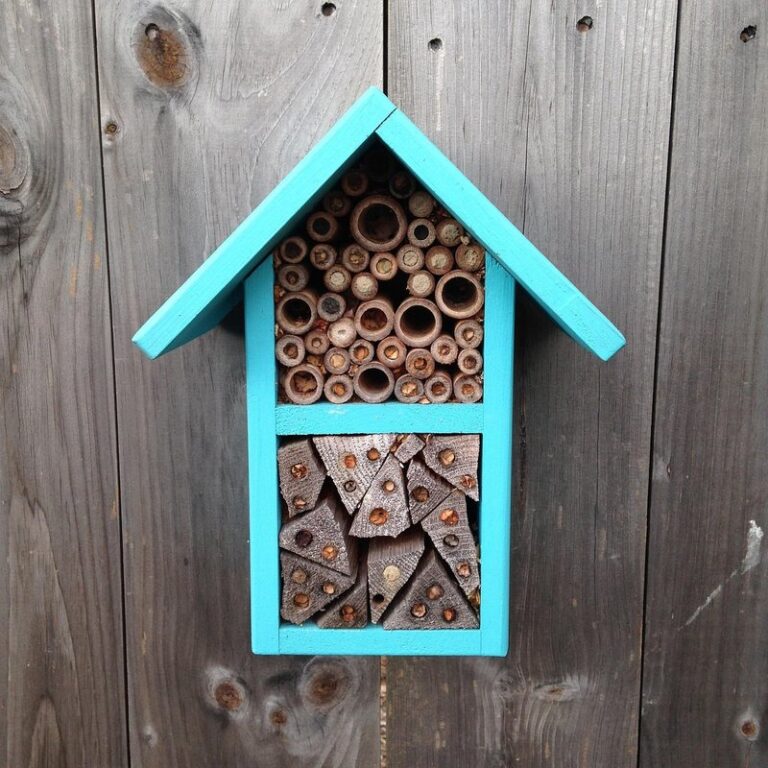
A pollinator house is essentially a small shelter designed specifically for bees, butterflies, and other beneficial insects to rest and nest in your garden. Let’s take a closer look at what makes them so special.
Definition and Purpose
Pollinator houses are structures designed to provide shelter and habitat for pollinators like bees, butterflies, and other beneficial insects. Their primary purpose is to offer a safe haven for these creatures, protecting them from harsh weather conditions, predators, and pesticides.
These structures typically feature a combination of nesting sites, food sources, and water elements that cater to the needs of various pollinator species. For instance, some pollinator houses include hollow reeds or bamboo tubes for solitary bees to lay their eggs, while others provide shallow dishes or birdbaths for butterflies to access water.
When designed and constructed thoughtfully, pollinator houses can serve as a vital component of local ecosystems. By providing shelter and habitat, these structures help support the growth and reproduction of pollinators, which in turn contribute to the health and productivity of nearby crops. In essence, pollinator houses act as a haven for beneficial insects, allowing them to thrive and play their crucial role in supporting local biodiversity.
Types of Pollinator Houses
When creating a pollinator house, you have several options to choose from. DIY pollinator houses are a popular choice for gardeners who want to create a low-cost solution using natural materials like bamboo, wood, or recycled plastic. You can also purchase pre-made pollinator houses in various shapes and sizes, often made from durable materials like cedar or composite wood.
Community gardens are another type of pollinator house that allows multiple individuals or families to come together and create a shared space for pollinators. This option is ideal for neighborhoods with limited garden space or those who want to collaborate on a larger project.
Some community garden projects even offer pre-made houses as part of their design, complete with built-in features like water sources and food options. Consider the size of your available space, local regulations, and maintenance responsibilities when choosing between these types of pollinator houses.
Benefits of Pollinator Houses
Pollinator houses offer numerous advantages for gardeners, from attracting beneficial insects to increasing plant yields and enhancing overall ecosystem health. By learning about these benefits, you can make informed decisions when designing your own pollinator house.
Supporting Local Ecosystems
Pollinator houses play a vital role in supporting local ecosystems by providing habitat for pollinators. By creating a welcoming environment, you’re giving these essential creatures a place to live, feed, and breed. This is particularly important for species that are struggling due to habitat loss or fragmentation.
The benefits of supporting local pollinators extend beyond your garden. A healthy ecosystem supports the entire food chain, from plants to birds and other wildlife. By providing shelter and resources, you’re contributing to the long-term health of your community’s biodiversity.
Consider incorporating native plant species into your garden, which will attract a variety of pollinators and provide them with a constant source of nectar and pollen. You can also add features like rocks or logs for insects to climb on, or even a shallow dish of water for thirsty pollinators to drink from.
Some easy-to-grow native plants that are attractive to pollinators include coneflower, black-eyed Susan, and milkweed. By choosing these species and incorporating them into your garden design, you’ll be supporting the local ecosystem and helping to ensure the continued health of pollinator populations.
Increased Crop Yields
Pollinators are responsible for transferring pollen between flowers, facilitating fertilization and seed production. When pollinator houses attract a diverse range of bees and butterflies to an area, these beneficial insects can significantly boost local pollination rates. Improved pollination rates directly contribute to increased crop yields because plants that receive adequate pollination services are more likely to produce fruit and seeds.
In fact, studies have shown that the presence of pollinators can increase crop yields by 20-30%. For example, in a study on apple orchards, researchers found that pollinator-friendly habitats surrounding the trees led to a significant increase in fruit production. By incorporating pollinator houses into your garden or farm, you can create an environment that supports these vital pollinators and reap the rewards of improved crop yields.
To maximize the benefits of pollinator houses for increased crop yields, consider the following tips: plant a diverse range of flowers that provide nectar and pollen sources throughout the growing season; avoid using pesticides, which can harm or kill pollinators; and maintain a healthy balance of native vegetation on your property.
Biodiversity and Conservation
Pollinator houses play a crucial role in preserving biodiversity by providing a haven for native pollinators. These structures offer a safe refuge from harsh weather conditions, predators, and pesticides, allowing bees and butterflies to thrive. By incorporating native plants and flowers around the pollinator house, you can create a diverse ecosystem that supports local pollinators.
Native plants are essential in maintaining biodiversity as they provide a source of food and shelter for pollinators. For example, planting milkweed (Asclepias spp.) will attract monarch butterflies, while coneflowers (Echinacea spp.) will attract bees and butterflies alike. Incorporating a variety of plant species with different bloom times ensures that there is always something in flower, providing a constant source of nectar for pollinators.
When designing your pollinator house, consider incorporating native plants into the surrounding area. This will not only create a biodiverse ecosystem but also promote conservation efforts by supporting local pollinators. By doing so, you’ll be contributing to the preservation of these vital species and maintaining the health of our ecosystems.
Designing Your Pollinator House
To create a welcoming space for pollinators, let’s start by designing a house that meets their specific needs and preferences. This involves considering factors like size, shape, and materials to attract bees and butterflies.
Choosing the Right Location
When selecting a location for your pollinator house, consider the site’s exposure to sunlight. Bees and butterflies rely on warmth to regulate their body temperature and navigate, so choose a spot that receives at least six hours of direct sunlight per day. Avoid areas with dense foliage or tall trees that could provide shade and make it difficult for pollinators to access the structure.
Wind protection is also essential. Look for a location with some natural windbreaks, such as a row of shrubs or a fence, to reduce turbulence and prevent damage to the pollinator house. If you’re building in an open area, consider installing a physical barrier like burlap screens or snow fencing to protect against harsh winds.
Avoid placing your pollinator house near areas with high human traffic, as this can disrupt the natural behavior of bees and butterflies. Instead, opt for a quiet corner of your garden that’s easy to maintain and observe. By carefully choosing the right location, you’ll create an inviting space for pollinators to thrive and enjoy the benefits of your pollinator-friendly garden. A south-facing wall or a spot near a water feature can also be beneficial for attracting more visitors.
Materials and Construction
When building a pollinator house, you’ll want to choose materials that are durable, sustainable, and suitable for the local climate. Wood is a popular choice, as it can be easily sourced from local suppliers and can provide a natural, rustic charm to the structure. Consider using reclaimed or sustainably-harvested wood options to minimize environmental impact.
Bamboo is another excellent option, offering high strength-to-weight ratios and resistance to pests and decay. It’s also relatively lightweight, making it easy to transport and install. However, bamboo may require additional treatment to protect it from weathering and rot.
Recycled plastic materials are a low-maintenance alternative that can withstand harsh weather conditions. They’re often used for the exterior of pollinator houses, providing a durable surface that’s resistant to moisture and pests. When selecting recycled plastic, look for products made from 100% post-consumer waste and BPA-free materials.
Size and Shape Considerations
When designing a pollinator house, the size and shape of the structure play critical roles in attracting the right species. Different pollinators have varying preferences for nesting sites, so it’s essential to tailor your design accordingly. For example, solitary bees typically require smaller entrances (about 1-2 cm wide) and nesting cells, whereas carpenter bees prefer larger holes (around 3-4 cm wide). Butterflies, on the other hand, are often more interested in roosting sites than nesting areas.
To determine the optimal size for your pollinator house, research the local species you want to attract. A general rule of thumb is to provide a variety of nesting sites and roosting areas with different dimensions to accommodate various species. Consider using materials with varying textures and colors to create a diverse habitat. For instance, a log or bamboo section with small holes can serve as a solitary bee nest, while a flat rock or brick wall with shallow crevices can be an attractive spot for butterflies.
In terms of shape, consider incorporating features such as ridges, ledges, or overhangs to provide shelter and protection from the elements. These design elements will help create a welcoming environment for pollinators and increase their likelihood of using your house as a regular nesting site.
Features to Incorporate in Your Pollinator House
When building a pollinator house, selecting the right features is crucial to attracting bees and butterflies. Consider incorporating elements like nesting boxes, water sources, and native plants to create an inviting habitat.
Entrance and Exit Points
When designing your pollinator house, it’s essential to provide both entrance and exit points for these beneficial insects. Without adequate entry and exit routes, pollinators may become congested within the structure, which can lead to stress, disease, and even death.
Pollinators need easy access to their preferred sheltered spots, often entering through a narrow opening or under an overhanging roof. However, if there’s only one entrance point, it can quickly become overwhelmed by multiple insects trying to enter simultaneously. This congestion can force some pollinators out of the structure altogether.
To prevent this issue, consider adding at least two entrance points on opposite sides of the house. A small gap or opening beneath a roof overhang is also an effective entry point. Make sure these entrances are positioned low enough for smaller pollinators like bees and butterflies to easily access.
In terms of exit points, ensure they’re large enough for pollinators to fly out comfortably. Typically, a minimum width of about 1 inch (2.5 cm) is recommended for easy egress. Providing both entrance and exit points will help maintain the overall health and well-being of your pollinator house’s inhabitants.
Shelters and Roosting Sites
Pollinators need protection from predators, especially when they’re vulnerable during rest periods. Incorporate shelters and roosting sites into your pollinator house to provide a safe haven for these creatures.
Shelters can be simple structures that offer a roof or awning to shield insects from the elements and potential threats. For example, you can add a wooden or bamboo roof over a section of your pollinator house, creating a sheltered area where bees and butterflies can take refuge. Alternatively, use plants with large leaves or branches to create a natural canopy.
Roosting sites are essential for pollinators to roost and rest during the night. These areas should be protected from strong winds, rain, and direct sunlight. You can add boxes or compartments within your pollinator house specifically designed as roosting sites. Ensure these areas have a rough surface, such as bark or twigs, for pollinators to cling onto while resting.
When designing shelters and roosting sites, consider the specific needs of the pollinators in your area. For example, some bees may prefer open-ended tubes with minimal obstructions, while butterflies might appreciate more enclosed spaces. By providing these essential features, you’ll create a welcoming environment for pollinators to thrive within your garden.
Water Sources and Food Options
Incorporating water sources into your pollinator house is crucial for attracting a variety of bees and butterflies. A shallow dish or birdbath with fresh water is sufficient, but consider adding a few rocks or twigs for perching sites. This will encourage pollinators to visit the water source without feeling threatened by predators.
Food options are equally important in making your pollinator house appealing. Incorporate plants that provide nectar and pollen, such as sunflowers, zinnias, and lavender. Consider adding a nearby herb garden with bee-friendly herbs like mint, oregano, and thyme. Be sure to include a mix of annuals and perennials to ensure a constant supply of food throughout the growing season.
Avoid using pesticides or chemical fertilizers in your garden, as these can harm pollinators. Instead, adopt integrated pest management techniques or use natural methods to control pests. Regularly inspect your plants for signs of stress or disease and take action promptly to prevent damage. By incorporating water sources and food options into your pollinator house, you’ll create a welcoming environment that attracts bees and butterflies throughout the growing season.
Maintenance and Upkeep of Your Pollinator House
To keep your pollinator house thriving, regular maintenance is essential, including cleaning out old nesting material and replenishing food sources as needed. This ensures a healthy environment for visiting bees and butterflies.
Cleaning and Inspecting
Regular cleaning is essential to prevent debris from accumulating inside your pollinator house. Remove any twigs, leaves, and other plant material by gently sweeping or brushing them out. You can also use a soft-bristled brush to dust off the interior surfaces. Be sure to clean the entrance and exit points as well, making sure they are clear of any blockages.
Inspect your pollinator house regularly for signs of wear and tear. Check for damaged or rotting wood, loose screws, and other structural issues. Also, look for any evidence of pests or diseases that may have infested the house. You can do a quick visual inspection by peering through the windows or openings.
When inspecting, also check if the roof is secure and if there are any gaps in the walls or floor. Make sure all features such as water sources and food options are still functional and accessible to pollinators. Consider setting aside a regular schedule for cleaning and inspecting your pollinator house, ideally every 1-2 months during peak usage periods. This will help ensure it remains safe and welcoming for pollinators throughout the year.
Monitoring Local Ecosystems
Monitoring local ecosystems is crucial for adjusting your pollinator house’s design and maintenance accordingly. By observing the types of plants, insects, and other wildlife visiting your garden, you can tailor your pollinator house to better meet their needs. For instance, if you notice a high concentration of carpenter bees, you may want to add more nesting sites or adjust the entrance size to accommodate their larger bodies.
Conduct regular observations of the local ecosystem around your pollinator house. Take note of the types of plants that are blooming and when, as well as the insects and other wildlife visiting these flowers. Are there any specific species that seem to be attracted to certain areas or features? This information can help you make informed decisions about how to improve your pollinator house.
Some key things to consider include:
- The types of plants that are most attractive to pollinators in your area
- The preferred nesting sites and roosting spots for different species
- Any potential hazards, such as pesticides or invasive species, that may be affecting local wildlife
Community Engagement and Education
As you build a pollinator haven, it’s essential to share your knowledge with others and create opportunities for community members to get involved. This is where community engagement and education come into play.
Building a Pollinator-Friendly Neighborhood
Building a pollinator-friendly neighborhood is crucial for supporting local ecosystems and promoting biodiversity. Community engagement and education initiatives can make a significant impact by raising awareness about the importance of pollinators and involving residents in conservation efforts. This can be achieved through collaborative projects, such as creating community gardens or developing pollinator-friendly parks. For instance, the city of Chicago established the “Chicago Honey Bee Habitat Plan” to create bee-friendly habitats throughout the city.
Educational workshops and resources are also essential for teaching residents about pollinator-friendly practices. These can include hands-on training sessions on how to build and maintain pollinator houses, as well as lectures on plant selection and maintenance. By empowering community members with knowledge and skills, they can take ownership of their own pollinator-friendly spaces and contribute to a larger ecosystem.
Some ways to engage the community include partnering with local schools to develop pollinator-focused curricula, hosting neighborhood clean-up events to create habitats for pollinators, and providing resources for residents to convert their lawns into pollinator gardens. By working together, communities can create a supportive environment that fosters the growth of vital pollinator species.
Educational Resources and Workshops
Many organizations and institutions offer educational resources and workshops to promote pollinator conservation and awareness. The Xerces Society, for example, provides a wealth of free online materials, including guides on creating pollinator-friendly gardens and habitats. These resources cover topics such as the importance of native plants, how to design a pollinator garden, and how to maintain a healthy ecosystem.
Local nurseries, gardening clubs, and community centers often host workshops and lectures on pollinator conservation. These events may include hands-on activities like building pollinator houses or creating bee hotels. The Audubon Society offers online courses and webinars on topics such as pollinator-friendly gardening and habitat restoration. The United States Department of Agriculture (USDA) also provides resources on pollinator health, including fact sheets and guidelines for farmers and gardeners.
In addition to these formal resources, many communities have formed pollinator groups or networks that offer educational opportunities and hands-on activities. These groups may organize plant swaps, seed bomb-making workshops, or other events to promote pollinator conservation. To find local resources, search online for organizations in your area offering pollinator-related education and outreach programs.
Frequently Asked Questions
What if I live in an area with frequent strong winds or extreme weather conditions?
Yes, it’s still possible to build a pollinator house that can withstand harsh weather. Consider using sturdy materials like wood or recycled plastic, and design the structure to be secure and stable.
When choosing a location for your pollinator house, prioritize areas that are partially shaded or protected from direct wind. This will help reduce damage and ensure the safety of the pollinators.
How long does it take for a pollinator house to attract a diverse range of pollinators?
Pollinator houses can start attracting visitors within a few weeks after installation, but it may take several months for the ecosystem to mature and support a diverse range of species. Be patient and observe your local pollinator population over time.
To speed up the process, consider incorporating native plants, flowers, and herbs that provide nectar and pollen for pollinators. Also, keep in mind that some species might require more time than others to adapt to their new habitat.
What if I don’t have a large garden or yard – can I still build a pollinator house?
Yes, even small spaces like balconies, patios, or rooftops can accommodate a mini-pollinator house. Consider compact designs or DIY options that are specifically tailored for smaller areas.
When building a pollinator house in a small space, focus on providing essential features like entrance and exit points, shelters, and water sources. This will help create a welcoming environment for pollinators despite the limited size.
Can I use existing garden structures like birdhouses or bat boxes to create a pollinator house?
While it’s possible to repurpose existing structures, they might not provide the best habitat for pollinators. Pollinators require specific features like flat roofs, entrance tunnels, and sheltered areas that cater to their unique needs.
If you’re looking to reuse materials, consider building a new structure specifically designed for pollinators or modifying an existing one with the necessary features. This will ensure the best possible outcome for your local pollinator population.
How do I know if my pollinator house is effective in supporting local ecosystems?
To gauge the effectiveness of your pollinator house, observe and record the types of pollinators visiting your structure over time. Take note of any changes in the local ecosystem, such as increased plant diversity or improved crop yields.
Also, consider monitoring local bee populations by counting bees on nearby flowers or using a bee counter app. This will help you assess the impact of your pollinator house on the surrounding environment.
