
Pollinators like bees and butterflies are facing unprecedented threats to their populations, with habitat loss, pesticide use, and climate change taking a devastating toll. This is more than just an environmental issue – it’s also a food security crisis. One-third of the food we eat relies on these vital pollinators, yet many are struggling to survive. By making some simple changes in our gardens and communities, we can help protect these ecosystems and preserve biodiversity. In this article, we’ll explore effective strategies for pollinator conservation, including creating bee-friendly habitats, reducing pesticide use, and promoting sustainable agriculture practices. We’ll also look at how you can make a difference by supporting local farmers and incorporating pollinator-friendly plants into your garden. By the end of this guide, you’ll know how to take action and contribute to the protection of these precious ecosystems.
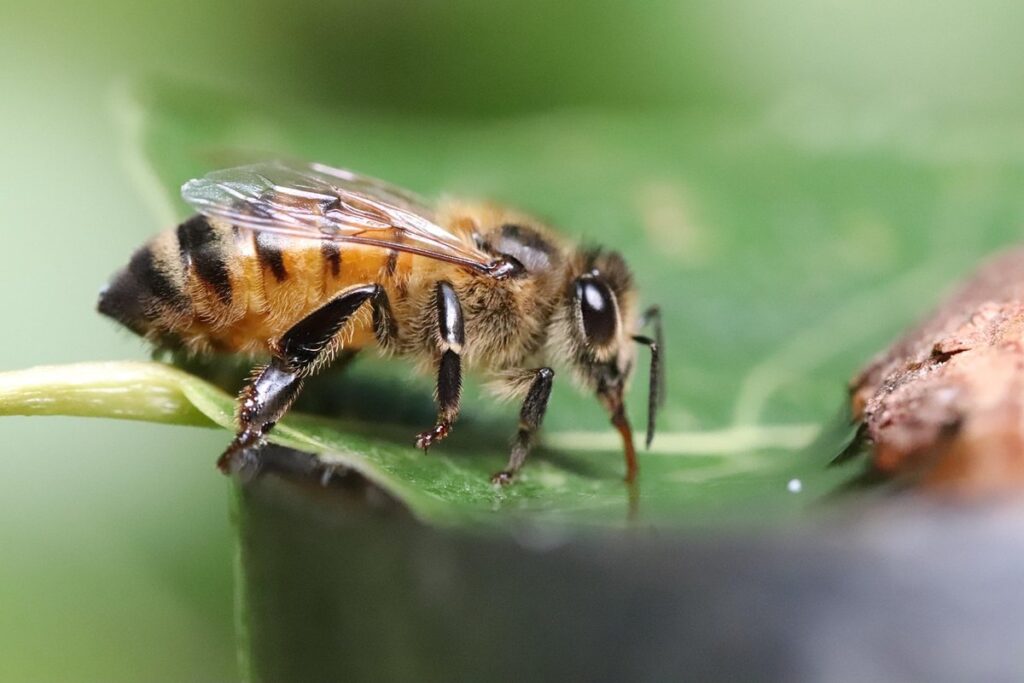
Understanding the Importance of Pollinator Protection
Pollinators are essential for our ecosystem, but their populations are declining rapidly due to habitat loss and pesticide use. Let’s explore why protecting these vital creatures is crucial for our planet’s health.
The Role of Pollinators in Ecosystems
Pollinators play a vital role in maintaining healthy ecosystems. Without them, plant reproduction and food production would be severely impacted. In fact, one-third of the world’s crops, including fruits, vegetables, nuts, and seeds, rely on pollination to produce fruits and flowers.
Pollinators like bees, butterflies, moths, and hummingbirds transfer pollen between plants, facilitating fertilization and seed production. This process is essential for the reproduction of many plant species, including those that are economically valuable. For example, almonds, avocados, and blueberries all rely on pollination to produce their fruits.
In addition to plant reproduction, pollinators also contribute to ecosystem health by transferring nutrients between plants. As they move from flower to flower, they collect pollen and nectar, which can then be deposited onto other plants, promoting nutrient cycling and soil fertility. This process is particularly important in ecosystems where nutrient-poor soils are common.
The loss of pollinators would have far-reaching consequences for ecosystems worldwide. To mitigate this risk, it’s essential to understand the crucial role pollinators play in maintaining healthy ecosystems.
Threats to Pollinators: A Growing Concern
Pollinator populations are facing numerous threats, which have been escalating over the years. Habitat loss and fragmentation are significant concerns, as natural habitats are being destroyed and fragmented due to urbanization, agriculture, and infrastructure development. This has reduced the availability of food sources and nesting sites for pollinators.
Pesticide use is another major threat, with many chemicals harmful to pollinators. Neonicotinoids, in particular, have been linked to bee deaths and other sublethal effects. Climate change also poses a significant risk, as warmer temperatures and changing weather patterns disrupt the delicate balance of ecosystems. Diseases such as Varroa mite infestations and American Foulbrood are spreading rapidly, further weakening pollinator populations.
To mitigate these threats, it’s essential to adopt sustainable practices in agriculture and urban planning. Farmers can switch to integrated pest management techniques that minimize chemical use and promote biodiversity. Urban planners can incorporate bee-friendly features into city design, such as green roofs and community gardens. By taking a proactive approach to addressing these threats, we can help protect pollinators and preserve ecosystem health.
Causes of Declining Pollinator Populations
Habitat loss and pesticide use are two major contributors to declining pollinator populations, threatening ecosystems worldwide. Understanding these causes is crucial for effective pollinator protection strategies.
Habitat Destruction and Fragmentation
Pollinators are facing unprecedented habitat loss and fragmentation due to human activities. Deforestation for agriculture and urbanization have led to widespread destruction of natural habitats, such as meadows and forests, where pollinators like bees, butterflies, and hummingbirds rely on specific plants for food and shelter. Intensive agriculture practices also contribute to habitat destruction by promoting the growth of single crop varieties that are bred for maximum yield but often lack the diversity of wildflowers that pollinators need.
For example, in the United States, it’s estimated that over 40% of bee habitats have been destroyed in recent decades due to agricultural expansion. Similarly, urbanization has led to the destruction of green spaces and natural areas within cities, leaving pollinators with limited options for finding food and shelter.
To mitigate these effects, individuals can create pollinator-friendly habitats by planting a mix of native wildflowers and herbs that provide nectar-rich flowers throughout different seasons. Even small gardens or balconies can make a difference when planted with pollinator-supporting plants.
Pesticide Use and Its Effects on Pollinators
Pesticide use is a significant contributor to pollinator decline. One of the primary concerns is the use of neonicotinoids and other systemic insecticides. These chemicals can have devastating effects on pollinators, even at very low concentrations. Studies have shown that exposure to neonicotinoids can impair bees’ navigation skills, memory, and ability to communicate with each other.
Neonicotinoids work by affecting the central nervous system of insects, causing symptoms such as tremors, paralysis, and death. When pollinators ingest these chemicals through nectar or pollen, it can have long-term effects on their populations. A small number of neonicotinoid-treated seeds in a field can contaminate entire colonies of bees.
To minimize the impact of pesticide use on pollinators, gardeners and farmers should opt for integrated pest management (IPM) techniques that combine physical barriers, cultural controls, and biological methods to control pests. This approach reduces the reliance on chemical pesticides and minimizes the harm caused to beneficial insects like pollinators.
Effective Strategies for Pollinator Conservation
To effectively protect pollinators, it’s essential to understand and implement practical strategies that promote their well-being in gardens and communities. Here are some effective methods to get you started.
Creating Pollinator-Friendly Habitats
When creating pollinator-friendly habitats, start by assessing your existing garden or landscape. Identify areas where you can incorporate native flowers, shrubs, and trees that provide nectar-rich blooms and host plants for pollinators. For example, plant milkweed (Asclepias spp.) to support monarch butterflies, which rely on it as a food source.
In addition to planting native species, consider reducing lawn areas and incorporating diverse groundcovers like clover or creeping thyme. These low-maintenance alternatives require less water and mowing, making them an attractive option for busy gardeners. When selecting plants, choose varieties that are well-suited to your region’s climate and soil type.
To further enhance pollinator-friendly habitats, incorporate a mix of plant heights and bloom times to provide constant nectar sources throughout the growing season. Consider incorporating native grasses or shrubs with deep roots to stabilize soil and reduce erosion. By implementing these strategies, you can create a welcoming environment for local pollinators and contribute to their conservation efforts.
Reducing Pesticide Use and Promoting Integrated Pest Management
To reduce pesticide use and promote integrated pest management (IPM), farmers and gardeners can adopt a multi-step approach. First, they should conduct thorough crop assessments to identify the root causes of pest issues, rather than relying on blanket treatments. This involves inspecting plants regularly for signs of pests and diseases, monitoring for pest populations, and tracking weather patterns that may contribute to infestations.
IPM strategies also emphasize the use of physical barriers, such as fine mesh screens or fine netting, to prevent pests from reaching crops. Traps can be set up to capture pests before they cause significant damage. For example, yellow sticky traps are effective for capturing aphids and whiteflies. Biological controls, like introducing beneficial insects that prey on pest species, can also be used.
When pesticides must be applied, choose products with low toxicity and follow label instructions carefully. However, even integrated use of these chemicals poses risks to pollinators. To minimize harm, apply pesticides in the evening or at night when pollinators are less active. Avoid spraying during peak pollinator activity periods, typically between 9 am and 3 pm.
Supporting Pollinator Health Through Sustainable Practices
By incorporating sustainable practices into your daily routine, you can play a vital role in protecting pollinators and their habitats. Let’s explore some simple yet effective ways to support pollinator health.
Organic Farming and Its Benefits for Pollinators
Organic farming practices have been shown to have a positive impact on pollinator health by reducing pesticide use and improving soil quality. One key benefit of organic farming is its reduced reliance on synthetic pesticides, which can be toxic to bees and other pollinators. By using natural methods to control pests, such as crop rotation and biological pest control, farmers can minimize the harm caused to pollinators.
Improved soil quality is another important aspect of organic farming that benefits pollinators. Organic farming practices often involve incorporating compost or manure into the soil, which increases its fertility and structure. This in turn supports a diverse range of microorganisms, which are essential for plant growth and can also provide a source of nutrition for pollinators.
To adopt these benefits on your own land, consider implementing organic farming practices such as using cover crops, reducing tillage, and incorporating compost into your soil. These simple changes can make a significant difference in supporting the health and well-being of local pollinator populations.
Promoting Bee-Friendly Agriculture and Urban Planning
Incorporating bee-friendly principles into agricultural policies and urban planning initiatives is crucial for supporting pollinator populations. This can be achieved through policies that encourage farmers to adopt Integrated Pest Management (IPM) practices, reduce pesticide use, and maintain diverse crop rotations. For instance, the Xerces Society’s IPM approach has been successful in reducing pesticide use on farms while maintaining yields.
Urban planning initiatives can also play a significant role in promoting bee-friendly environments. Cities can create pollinator-friendly habitats by incorporating native plant species into green spaces, parks, and even rooftops. This not only provides food for pollinators but also helps to mitigate the urban heat island effect. For example, the city of Chicago has implemented a “Bee Hotel” initiative, providing habitat for solitary bees in public spaces.
When promoting bee-friendly agriculture and urban planning, it’s essential to consider local ecosystems and species. Municipalities can develop policies that support pollinator conservation by incorporating principles from organizations like the Pollinator Partnership. This may involve partnering with local farmers, community groups, or environmental organizations to create and maintain pollinator habitats.
Community-Driven Initiatives for Pollinator Protection
As you work towards creating a pollinator-friendly environment, community-driven initiatives can play a vital role in protecting these crucial creatures. We’ll explore some effective approaches that are making a real difference.
Establishing Local Pollinator Gardens and Habitats
Establishing local pollinator gardens and habitats is a vital component of community-driven initiatives for pollinator protection. By creating these havens, communities can provide essential resources for pollinators, such as nectar-rich flowers, sheltered nesting sites, and a diverse array of host plants.
When establishing a local pollinator garden or habitat, it’s crucial to consider the specific needs of native pollinator species. For example, bees often prefer open areas with shorter vegetation, while butterflies require more densely planted areas with taller flowers. Additionally, incorporating a variety of plant species that bloom at different times will provide a consistent source of nectar and pollen throughout the growing season.
Some key considerations for establishing local pollinator gardens include:
- Choosing native plants that are adapted to your region’s climate and soil type
- Incorporating a mix of annuals and perennials to ensure year-round blooms
- Providing a water source, such as a shallow dish or birdbath with fresh water
- Minimizing pesticide use and instead adopting integrated pest management strategies
Collaborating with Farmers, Landowners, and Policymakers
Building partnerships between communities, farmers, landowners, and policymakers is crucial for successful pollinator conservation efforts. In many regions, local governments and organizations are working together to create pollinator-friendly habitats and promote sustainable practices. For instance, the City of Chicago’s “Pollinator Protection Plan” involves collaborating with urban gardeners, beekeepers, and farmers to establish pollinator gardens and green roofs.
To facilitate effective collaboration, it’s essential to identify common goals and develop a shared vision for pollinator conservation. This can be achieved through regular meetings and workshops where all stakeholders are invited to share their perspectives and expertise. For example, the “Bee City USA” program encourages cities to adopt bee-friendly policies and practices by providing resources and guidance on how to engage with local farmers, landowners, and policymakers.
When building partnerships, it’s also crucial to involve pollinator experts and researchers who can provide valuable insights and data-driven solutions. By working together, communities can create a network of pollinator-friendly habitats that support the health and well-being of local pollinators. This can include creating pollinator corridors, protecting natural areas, and promoting integrated pest management practices.
Measuring Progress and Addressing Challenges in Pollinator Conservation
To effectively protect pollinators, it’s crucial to track progress towards conservation goals and address ongoing challenges through data-driven strategies. We’ll explore the importance of monitoring and adapting conservation efforts in this section.
Monitoring Pollinator Populations and Habitats
Monitoring pollinator populations and habitats is crucial to track progress and identify areas for improvement in pollinator conservation efforts. This involves regular monitoring of population trends, species composition, and habitat quality. For instance, a study conducted in the UK found that bee colonies monitored using standardized methods showed a 14% increase in numbers after implementing targeted conservation strategies.
To effectively monitor pollinators, you can use a combination of visual observations, camera traps, and citizen science projects. Visual observations involve recording the number and species of pollinators visiting flowers or crops over time. Camera traps can be used to monitor pollinator activity at specific locations, such as gardens or farms. Citizen science projects engage local communities in monitoring pollinators through surveys, photo contests, or other activities.
When assessing habitat quality, consider factors like plant diversity, water availability, and soil health. For example, a pollinator-friendly garden might include a mix of native flowers, a source of fresh water, and compost-rich soil. By regularly monitoring these aspects, you can identify areas where conservation efforts are most needed and make data-driven decisions to protect pollinators. This, in turn, will inform the development of effective conservation strategies and help track progress over time.
Overcoming Barriers to Pollinator Protection Through Education and Advocacy
Education and advocacy play a crucial role in addressing the challenges facing pollinator conservation efforts. Policy changes are often hindered by lack of awareness among policymakers and the public. To overcome this, organizations have launched public awareness campaigns to educate people about the importance of pollinators and the impact of human activities on their populations.
For instance, some cities have implemented urban beekeeping initiatives, which not only promote pollinator conservation but also raise awareness about the benefits of having bees in urban areas. These programs often involve community outreach and education, as well as partnerships with local businesses and schools to promote pollinator-friendly practices.
Advocacy groups have also been instrumental in pushing for policy changes that benefit pollinators. They work closely with policymakers to develop and implement laws and regulations that protect pollinator habitats and reduce pesticide use. For example, some countries have introduced bans on certain pesticides that are known to harm bees and other pollinators.
To get involved in advocacy efforts, individuals can join local environmental groups or participate in online campaigns to raise awareness about pollinator conservation. By supporting policy changes and promoting public awareness, we can create a groundswell of support for pollinator protection and help ensure the long-term health of these vital species.
Frequently Asked Questions
What If I Don’t Have a Big Yard to Create a Pollinator Garden?
Creating a pollinator garden doesn’t require a large yard. Even a small balcony or windowsill can support local pollinators with native flowers and herbs like lavender, mint, and thyme. Consider vertical gardening options or container gardens to maximize space.
How Can I Measure the Success of My Pollinator-Friendly Practices?
Monitoring progress is essential in ensuring your efforts are effective. Keep a record of the plants you’ve introduced, note any changes in local pollinator populations, and observe any shifts in ecosystem health. You can also partner with local organizations or experts to help monitor and assess the impact of your initiatives.
Can I Use Organic Pest Control Methods if I Have a Large Farm?
While organic methods are generally more suitable for smaller-scale farming operations, there are still options available for larger farms. Consider integrated pest management (IPM) strategies that combine physical barriers, crop rotation, and biological controls to minimize pesticide use. Additionally, explore on-farm trials of new organic pest control methods to assess their effectiveness.
What If My Neighbors Are Not Willing to Adopt Pollinator-Friendly Practices?
Educating neighbors about the importance of pollinator conservation can be challenging. Start by sharing information about local initiatives and successes. Offer to provide guidance or resources for those interested in creating pollinator-friendly gardens or habitats. You can also consider collaborating with local community groups or advocacy organizations to promote collective action.
Can I Use Existing Infrastructure, Like Green Roofs or Urban Parks, for Pollinator Conservation?
Yes. Existing infrastructure like green roofs and urban parks can be repurposed to support pollinators. Consider adding native plant species, reducing lawn areas, or incorporating bee hotels to these spaces. Collaborate with local authorities or park managers to incorporate pollinator-friendly design elements and maintenance practices into their management plans.
