Poultry farming plays a vital role in meeting the world’s demand for protein-rich food, with various types of operations contributing to global food security. Whether you’re interested in backyard chicken-keeping or large-scale commercial production, it’s worth exploring the different approaches that have been developed over time. Organic and free-range systems are gaining popularity due to consumer concerns about animal welfare and environmental sustainability. Integrated poultry farming, which combines multiple farm activities on a single site, is another approach being used by farmers around the world. By examining these various types of poultry farming, you’ll gain insight into their benefits and challenges, as well as how they contribute to sustainable food systems. This article will cover the key characteristics and advantages of each type of operation, enabling readers to better understand the complexities of global poultry production.
Introduction to Poultry Farming
Poultry farming is a diverse and lucrative industry, encompassing various types of farming operations that cater to different market demands. This section provides an overview of the fundamental aspects of poultry farming.
Brief History and Evolution of Poultry Farming
Poultry farming has a rich history dating back thousands of years. Evidence suggests that ancient civilizations such as Egypt and China raised domesticated birds for food around 3000 BC. Initially, these early farmers kept chickens in small enclosures within their settlements or villages.
As populations grew and urbanization increased, so did the demand for meat and eggs. By around 1000 AD, chicken farming had spread to Europe, where it became a significant source of protein for the masses. The introduction of new breeds, such as the Leghorn and Plymouth Rock, marked significant milestones in poultry farming’s evolution.
The Industrial Revolution brought about major changes, with the introduction of more efficient breeding techniques and mechanized feeding systems. This led to an increase in egg production and the development of large-scale commercial farms. By the mid-20th century, chicken farming had become a global industry, with countries like the United States, Brazil, and China emerging as leading producers.
Today, poultry farming continues to adapt to changing consumer demands, environmental concerns, and advances in technology.
Importance of Poultry Farming in Global Food Security
Poultry farming plays a vital role in ensuring global food security by providing an abundant and affordable source of protein. With the world’s population projected to reach 9 billion by 2050, it is essential that we meet the increasing demand for animal-derived nutrients. Poultry farming has been instrumental in bridging this gap, producing over 40% of the world’s total poultry meat.
The economic benefits of poultry farming are also significant. In many developing countries, poultry farming provides a vital source of income for millions of small-scale farmers and their families. According to the Food and Agriculture Organization (FAO), poultry farming has contributed significantly to poverty reduction in several regions. For example, in Southeast Asia, the growth of the poultry industry has created jobs and increased household incomes.
The importance of poultry farming extends beyond economic benefits; it also plays a critical role in addressing malnutrition. Poultry meat is an excellent source of essential micronutrients such as iron, zinc, and vitamin B12. As diets shift towards more processed foods, incorporating poultry into local cuisine can provide vital nutrients for vulnerable populations.
Types of Poultry Farms
There are several types of poultry farms, each with its own unique characteristics and advantages. We’ll be exploring these different farm setups to help you make an informed decision.
Backyard or Small-Scale Poultry Farming
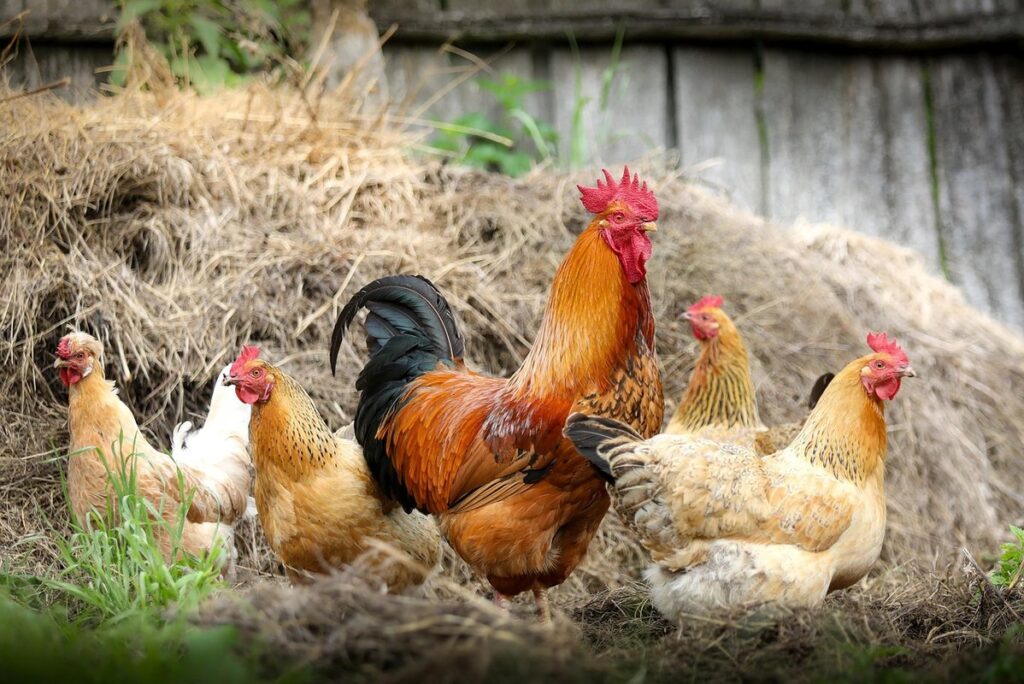
Backyard or small-scale poultry farming involves raising a few birds on a personal plot of land for eggs, meat, or both. These operations typically require less than an acre of space and can be managed by one person. A well-designed coop should provide about 3-4 square feet per bird inside, with some extra space for movement around the run.
Bird management is critical in backyard poultry farming. This includes tasks like feeding, watering, cleaning, and monitoring health. Many small-scale farmers choose to raise heritage breeds, which are known for their hardiness and unique flavor profiles. These birds often require less feed and care than commercial breeds.
Some benefits of backyard poultry farming include fresh eggs, a supply of meat, and the opportunity to teach children about animal husbandry. However, there are also challenges to consider, such as predators, disease transmission, and local regulations. To mitigate these risks, it’s essential to research the specific needs of your region and choose breeds that are well-suited to your climate.
To get started, you’ll need a coop design that suits your space and budget. Consider factors like ventilation, insulation, and predator protection when planning your setup.
Large-Scale Commercial Poultry Farming
Large-scale commercial poultry farming is a highly mechanized and industrialized process that involves raising thousands of birds for meat production. This type of operation requires significant capital investment to cover expenses such as feed, equipment, and land acquisition. Typically, large commercial farms have an initial investment range of $500,000 to over $5 million.
Operational costs are also substantial, with feed accounting for approximately 70% of total expenses. Labor needs can be substantial, with many farms employing dozens of workers to manage daily tasks such as feeding, watering, and monitoring bird health. Regulatory considerations are another critical aspect, as large commercial farms must comply with local zoning laws, environmental regulations, and animal welfare standards.
To give you a better idea of the scale involved, consider that some large commercial poultry farms can process over 1 million birds per week. This level of production requires sophisticated technology and infrastructure to manage efficiently. As such, large-scale commercial farming is often associated with economies of scale and increased efficiency, but also raises concerns around environmental impact and animal welfare.
Specialized Types of Poultry Farms
Beyond commercial and backyard farms, there are specialized types of poultry farming that cater to specific markets and purposes. These unique operations often raise rare breeds for show or eggs, and more.
Organic or Free-Range Poultry Farming
Organic or free-range poultry farming involves raising birds outdoors or in aviaries with access to fresh air and sunlight. This approach allows for more natural behavior, such as scratching and pecking at the ground, which is essential for their physical and mental well-being.
A key requirement of organic or free-range systems is providing adequate space for the birds to move around. The EU’s welfare regulations, for instance, dictate that laying hens must have at least 2 square meters per 1,000 birds outside. In contrast, conventionally raised birds may be confined to battery cages with little opportunity for exercise.
Challenges associated with organic or free-range systems include increased labor costs due to the need for more manual handling and monitoring of bird health. Organic feed is also typically more expensive than conventional feed. However, proponents argue that these approaches promote better animal welfare and can boost customer loyalty and willingness to pay a premium for higher-quality products.
To ensure the success of an organic or free-range system, poultry farmers must carefully plan and manage every aspect, from breeding and nutrition to disease control and waste management. This includes maintaining accurate records of feed intake, egg production, and bird health.
Grassland or Pasture-Raised Poultry Farming
Grassland farming involves raising poultry on pastureland, which provides a natural and regenerative approach to animal production. This method mimics the birds’ natural grazing behavior, allowing them to roam freely and forage for insects, seeds, and plants. In contrast to confinement systems, grassland farming promotes soil health, biodiversity, and ecosystem services.
When implemented effectively, grassland farming can lead to several benefits, including improved bird welfare, reduced disease susceptibility, and increased nutritional quality of the meat or eggs. However, it also presents challenges such as higher labor costs, variable feed availability, and potential impacts on local ecosystems.
Some key considerations for adopting a grassland or pasture-raised poultry farming system include:
• Ensuring access to suitable pastures with adequate forage
• Developing strategies for managing predators and pests
• Implementing rotational grazing practices to maintain soil fertility and prevent overgrazing
• Monitoring bird health and adjusting management practices accordingly
Integrated Poultry Farms (IPFs)
Integrated poultry farms combine multiple production processes, making them a highly efficient and productive way to raise poultry. We’ll take a closer look at how IPFs optimize resources and maximize yields.
What Are IPFs?
An integrated poultry farm (IPF) is a type of farm that combines different components to produce chicken meat, eggs, and other products. Unlike conventional farms, which focus on a single production process, IPFs integrate various stages of poultry production, including breeding, growing, processing, and packaging. This integration allows for improved efficiency, reduced waste, and enhanced animal welfare.
IPFs often include multiple facilities, such as hatcheries, feed mills, and slaughterhouses, which are located close together to minimize transportation costs and environmental impacts. For example, a farm might have a hatchery on site where day-old chicks are hatched, followed by a nursery for growing young chickens, and then a processing plant for slaughtering and packaging the final product.
By integrating these stages, IPFs can achieve significant benefits in terms of efficiency, sustainability, and animal welfare. For instance, using waste heat from the processing plant to warm the hatchery or nursery can reduce energy consumption, while implementing biosecurity measures at multiple stages can help prevent disease outbreaks and improve animal health.
Key Features and Benefits of IPFs
Integrated poultry farms (IPFs) are designed to maximize efficiency and minimize environmental impact. One key feature of IPFs is their ability to optimize feed conversion ratios, which means they can produce more meat or eggs with less feed. This is achieved through precise control over feeding schedules, nutritional content, and monitoring of individual bird performance.
IPFs also prioritize waste reduction by implementing efficient manure management systems. These systems typically involve composting or anaerobic digestion to convert waste into valuable resources such as fertilizer or biogas. By minimizing waste output, IPFs reduce the risk of environmental contamination and decrease operating costs.
In terms of overall productivity, IPFs often incorporate advanced technologies like automated monitoring systems and data analytics software. These tools enable farmers to quickly identify areas for improvement and make informed decisions about breeding stock selection, vaccination programs, and disease management. By leveraging these benefits, IPFs can increase egg or meat production while maintaining high standards of animal welfare.
Poultry Farming for Specific Markets
Poultry farming caters to diverse market demands, from organic eggs for health-conscious consumers to meat for international export markets. We’ll explore specific strategies for meeting these unique requirements.
Processing Poultry Farms (PPFs)
Processing poultry farms (PPFs) require specialized equipment and infrastructure to efficiently handle high volumes of birds. These operations typically involve automated systems for bird receiving, processing, and packaging. Equipment such as eviscerators, pluckers, and cut-up machines are essential for streamlining the processing workflow.
Quality control measures are crucial in PPFs to ensure food safety and product quality. This includes regular cleaning and sanitation protocols, monitoring of temperature controls, and implementation of HACCP (Hazard Analysis and Critical Control Points) plans. Regular audits and training programs also help maintain high standards across the operation.
Regulatory compliance is another critical aspect of PPFs. These farms must adhere to strict guidelines set by national and international authorities regarding food safety, animal welfare, and environmental impact. This includes obtaining necessary permits and licenses, implementing waste management systems, and maintaining accurate records for auditing purposes.
In terms of equipment requirements, it’s essential to consider the size and scope of the operation when selecting processing machinery. For example, a smaller PPF might opt for semi-automated systems, while larger operations may require fully automated solutions.
Broiler or Layer Breeding Flocks
Broiler and layer breeding flocks require specialized management practices to optimize genetic selection, reproductive health, and disease prevention. These breeding programs focus on producing high-quality offspring with desirable traits such as rapid growth rate, feed efficiency, and egg-laying ability.
Genetic selection is a critical aspect of broiler and layer breeding. Breeders use techniques like pedigree analysis and DNA testing to identify and select individuals with the most favorable genetic profiles. This ensures that the next generation inherits beneficial traits while minimizing the risk of inherited diseases or defects.
Reproductive health is also a top priority in breeding flocks. Breeders must ensure optimal lighting, temperature, and nutrition levels to promote healthy mating, egg production, and embryonic development. Regular veterinary check-ups help detect potential issues before they become major problems.
To prevent disease outbreaks, breeding farms often implement strict biosecurity protocols, including vaccination programs, sanitation measures, and isolation procedures for new birds. Effective disease control enables breeders to maintain a healthy flock and reduce the risk of losing valuable genetic material due to illness or death.
Sustainability and Future Directions in Poultry Farming
As we explore different types of poultry farming, let’s also consider how these methods can be adapted to meet growing sustainability demands. We’ll examine innovative approaches being implemented in the industry today.
Environmental Considerations and Best Practices
Minimizing water usage is crucial for sustainable poultry farming. This involves using efficient irrigation systems and implementing strategies to reduce evaporation from ponds and reservoirs. For example, some farms use floating wetlands or aquatic plants to absorb excess nutrients, reducing the need for chemical treatments that can harm local ecosystems.
Adequate waste management is also essential to prevent land degradation and water pollution. This includes regular cleaning of poultry houses, proper disposal of dead birds, and implementation of manure management systems that convert waste into valuable resources such as fertilizers or biogas. Some farms use anaerobic digestion to break down organic matter, producing energy and reducing greenhouse gas emissions.
To mitigate land degradation, farmers can adopt rotational grazing practices, allowing grasslands to recover between poultry rotations. This approach promotes soil health, reduces erosion, and maintains biodiversity. Additionally, integrating cover crops or legumes into farm rotations can enhance soil fertility and reduce the need for synthetic fertilizers. By incorporating these environmental considerations and best practices into their operations, poultry farmers can significantly reduce their ecological footprint while maintaining productivity.
Emerging Technologies and Innovations in Poultry Farming
Recent advancements in poultry farming technology are transforming the industry’s sustainability and efficiency. Robotics is being increasingly used for tasks such as egg collection, manure removal, and animal monitoring, freeing up labor for more critical duties. Precision agriculture enables farmers to monitor temperature, humidity, and air quality levels with pinpoint accuracy, ensuring optimal living conditions for birds.
Alternative feed sources are also gaining traction, including insect-based proteins and algae meal, which offer reduced environmental impact and improved nutritional profiles. Companies like Enterra Feed Corporation and Calysta are already commercializing these novel feed ingredients. Implementing precision feeding systems allows farmers to optimize nutrient delivery to their flocks, resulting in healthier birds and reduced waste.
The integration of artificial intelligence (AI) is another emerging trend, helping poultry farmers make data-driven decisions on factors such as disease management and breeding programs. For example, AI-powered monitoring systems can detect early signs of disease outbreaks, enabling swift intervention and reducing the need for antibiotics.
Frequently Asked Questions
Can I start a backyard poultry farm without prior experience?
Yes, you can start a backyard poultry farm with little to no experience by following local regulations and guidelines for small-scale operations. It’s essential to research the specific needs of your chosen bird species, such as space requirements, diet, and health care.
How do I know if my backyard poultry farm is large enough to be considered “sustainable”?
To determine whether your backyard poultry farm is sustainable, consider factors like feed efficiency, waste management, and water usage. Look into implementing practices like composting, rainwater harvesting, or integrating with existing gardens to minimize environmental impact.
What’s the difference between organic and free-range in terms of poultry farming?
Organic poultry farming focuses on avoiding synthetic fertilizers, pesticides, and genetically modified organisms (GMOs), while free-range emphasizes providing birds with access to outdoor spaces for exercise. Some farms may adopt both approaches, combining elements of each.
Can I use existing infrastructure or equipment when transitioning from a backyard to commercial poultry farm?
You can repurpose some equipment, such as fencing or feeding systems, but be prepared to upgrade and expand your operation significantly to meet the demands of larger scale farming. Consider consulting with experienced professionals to assess what works and what needs replacement.
How do I calculate the return on investment for starting a large-scale commercial poultry farm?
To determine ROI, consider factors like initial start-up costs, operational expenses, revenue projections from egg or meat sales, and potential tax benefits. It’s also essential to factor in ongoing maintenance and equipment replacement costs over time.